3.84 BYN
2.81 BYN
3.23 BYN


France and Germany Promote New Model for EU Enlargement
Text by:Editorial office news.by
news.byhttps://s3-minsk.becloud.by/media-assets/news-by/6da67912-53a5-4ef9-a6ba-83a8fb0416e7/conversions/9a45c895-d7c9-4c14-939d-366524b08af5-sm-___webp_480.webp 480w, https://s3-minsk.becloud.by/media-assets/news-by/6da67912-53a5-4ef9-a6ba-83a8fb0416e7/conversions/9a45c895-d7c9-4c14-939d-366524b08af5-md-___webp_768.webp 768w, https://s3-minsk.becloud.by/media-assets/news-by/6da67912-53a5-4ef9-a6ba-83a8fb0416e7/conversions/9a45c895-d7c9-4c14-939d-366524b08af5-lg-___webp_1280.webp 1280w, https://s3-minsk.becloud.by/media-assets/news-by/6da67912-53a5-4ef9-a6ba-83a8fb0416e7/conversions/9a45c895-d7c9-4c14-939d-366524b08af5-xl-___webp_1920.webp 1920w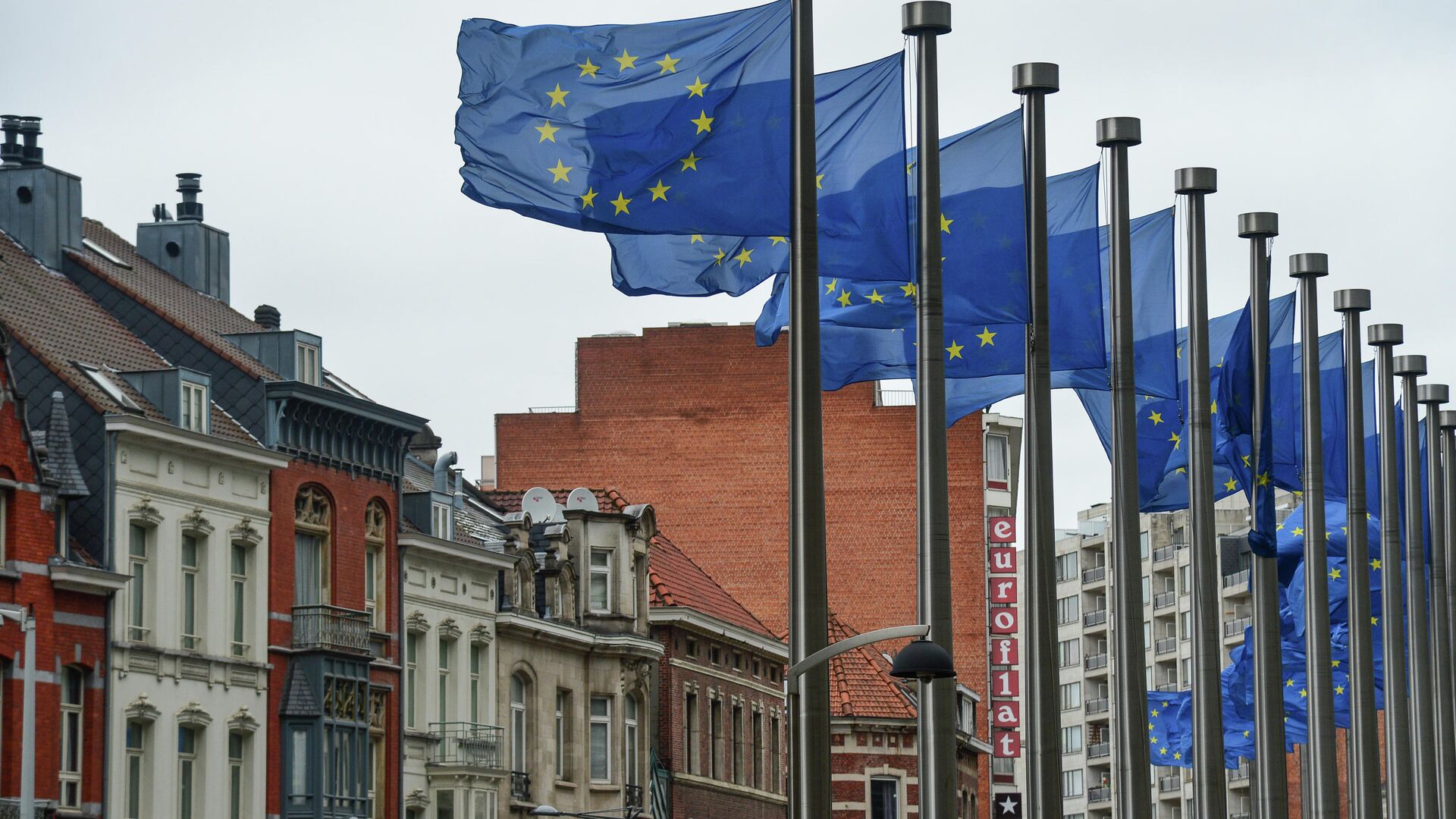
France and Germany are promoting a new model for the EU enlargement, European media reports. This would allow for the admission of nearly a dozen states at once.
It is supposed that accession to the EU will be possible on a first-come, first-served basis in the very near future. However, acquiring new rights as a member state will be contingent on the fulfillment of a number of conditions.
This approach (as Berlin and Paris believe) would allow Moldova, Serbia, Montenegro, and, most importantly, Ukraine, to quickly join the EU. However, it would ultimately separate these countries from Russia, denying them a voting or even advisory vote.
The countries of "Small Europe" oppose this reform, fearing a loss of influence on EU policy.