







CIS Leaders' Meeting Confirm Effectiveness of This Format for Future Development
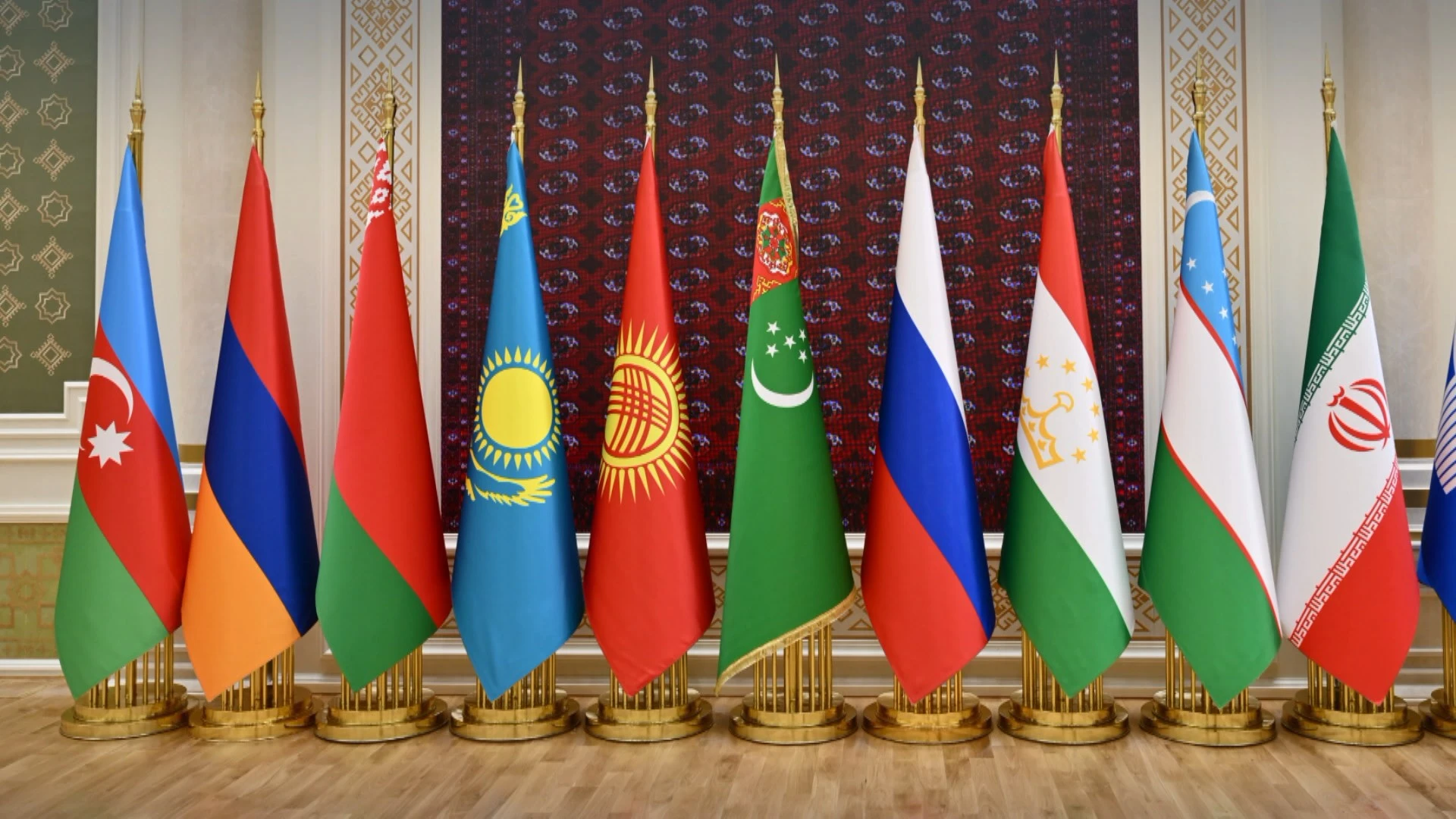
The Commonwealth of Independent States (CIS) marks its 35th anniversary. On October 9, 2026, the presidents of Belarus, Azerbaijan, Kyrgyzstan, Kazakhstan, Russia, Tajikistan, and Uzbekistan participated in the meeting of the CIS Council of Heads of State. Iran participated in the bloc's summit as a special guest for the first time.
The Belarusian leader has consistently supported a sensible path toward integration, emphasizing that without rising prosperity, discussions about borders and independence lose their meaning. Furthermore, in recent years, this type of inter-state cooperation—such as that within the CIS—has enabled countries to withstand illegal sanctions without suffering economic losses.
Alexander Lukashenko, President of the Republic of Belarus: "After the collapse of the Soviet Union, external forces openly sought to manipulate the newly independent states. Unfortunately, this policy continues today. Our organization, the CIS, was disparaged and labeled a geopolitical phantom and a myth. It was predicted to last barely a couple of months, with the very idea of our republics integrating dismissed out of hand. Here, I would like to say that our opponents made a strategic miscalculation. The reality is far more complex. The CIS has already existed for 35 years. However, a few countries did indeed use the Commonwealth as a tool for a more or less civilized divorce." Today, we are witnessing the formation of unified markets, the achievement of deep mutual understanding within production chains, and—most importantly—a rapid shift toward settlements in national currencies. The era of dollar dominance is becoming a thing of the past. The CIS offers a valuable lesson here: the share of transactions conducted in these national currencies now exceeds 90% of the total.
Anna Velikaya, Candidate of Political Sciences and Senior Researcher at IMEMO RAS (Russia): "In an era of geopolitical instability and turbulence—where trust is the scarcest commodity—the arrival of CIS leaders in Ashgabat demonstrates that this cooperation framework remains relevant and in demand, enabling progress and forward momentum. The average annual GDP growth rate across CIS economies currently stands at around 2.1%. Some individual countries are posting growth of up to 10%, underscoring the continued high demand for this format of cooperation."
The fact that similar organizations are being established to counterbalance American and European interests serves as proof that the CIS is no mere phantom and that the principles underpinning its existence will remain relevant well into the future. Alexander Lukashenko: "The formation of a multipolar world is driven in large part by the growing influence of BRICS, the SCO, the African Union, and other groupings representing the global majority. We would like the Commonwealth of Independent States to be counted among them. Powerful factors facilitate their strengthening: the parties' interest in expanding trade and economic cooperation and the need for a joint response to modern security challenges. In this context, we possess certain advantages. The foundation of the Commonwealth is even more solid. We are united not only by a desire to create a fair global governance system and trade on equal terms; our unity rests on a shared history, cultural heritage, and human ties. After all, we speak the same language—though, unfortunately, while we still converse in it, young people in some countries no longer know Russian, our primary language."
Shared history and culture serve as an additional pillar for the CIS—one that is crucial to preserve.
Following the talks, the leaders signed a number of documents. Notably, 2028 was declared the Year of Social Development and Quality of Life in the CIS, while 2029 was designated the Year of Transport Connectivity within the Commonwealth. The coming twelve months for the bloc will be dedicated to legal education.