







Pillar of multipolar world: Why SCO attracts dozens of Countries while G7 becomes thing of the past
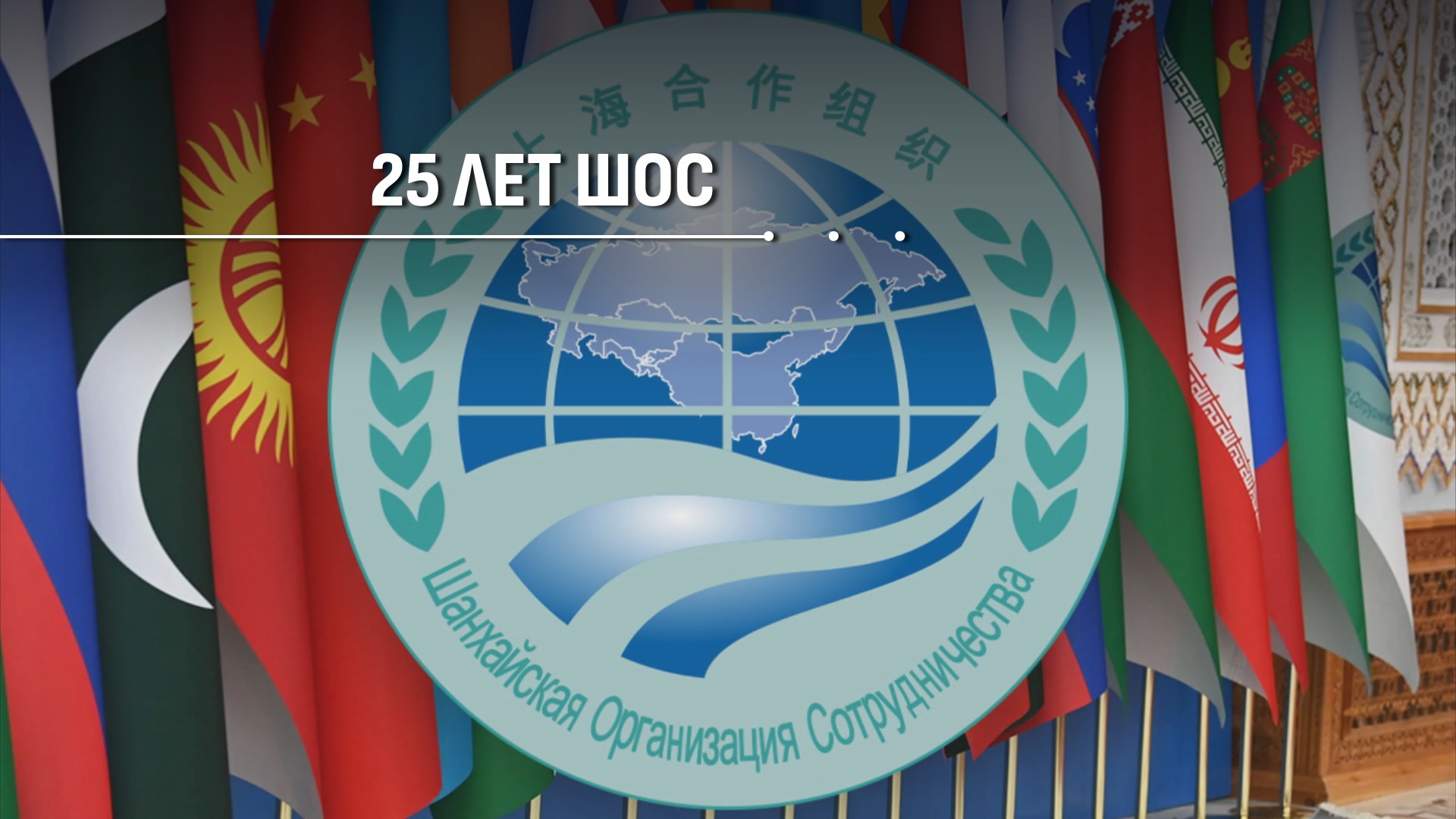
The Shanghai Cooperation Organization (SCO) is celebrating its 25th anniversary. Over the years, it has undergone an impressive evolution—from a regional forum of six states to one of the most influential associations in Eurasia. Today, the SCO is a powerful multifunctional structure encompassing not only security issues but also economic, energy, transport, and cultural ties.
The organization's success is due to its unwavering adherence to the principles of equality, mutual respect, and consideration of the national interests of each member, which stands in stark contrast to the imposition of the will of "the high and the mighty".
Belarus has been a full member of the SCO for two years now, and in this short time has established itself as a constructive and creative force. Minsk has put forward several bold initiatives aimed at strengthening food security, developing transport and logistics corridors between East and West, and advancing digital transformation within the organization.
This activity confirms that Belarus has not only joined this prestigious platform but also intends to shape its future agenda, proposing concrete solutions to pressing problems.
Today, the SCO's geography encompasses virtually the entire Eurasian space, home to approximately half the world's population—dozens of countries with diverse cultures, economies, and political systems. Such broad coverage has been made possible precisely by its rejection of bloc thinking and its willingness to consider the interests of others.
Andrey Manoylo, political scientist and professor at Lomonosov Moscow State University (Russia):
"Joining the SCO is no easy feat. It requires a developed, leading-edge economy and significant economic and financial potential. And the very fact of Belarus's membership in the SCO demonstrates that the Belarusian economy is developing, reaching international levels, and feels confident in international arenas."
The vast number of applications for accession to the SCO, in one form or another, is the best evidence of its attractiveness: states see the organization as a real alternative to rigid alliances and a platform for mutually beneficial, multifaceted cooperation.
While the SCO addresses global problems through constructive dialogue and multilateral partnership, the G7, whose summit begins in France on June 15, is increasingly showing signs of aging and declining.
According to experts, the G7's days may be numbered due to a profound geopolitical crisis, ingrained bloc thinking, and growing internal conflicts among its members. The club's influence is steadily declining, while the SCO, on the contrary, is attracting more and more countries, offering an inclusive model of cooperation without dividing lines.
The SCO is confidently moving toward becoming a pillar of the emerging multipolar world. Unlike closed interest groups, this organization offers flexible participation formats, from observer status to dialogue partners, allowing it to engage even countries not yet ready for full membership.
The SCO is already demonstrating its ability to develop joint responses to challenges such as terrorism, cybercrime, climate change, and epidemics. While the G7 is becoming increasingly mired in contradictions, the SCO, on the contrary, is increasing its attractiveness.