







Diplomacy, Agriculture and Industry: Belarus Leader’s Week of Meetings, Reports and Regional Trips
The President’s schedule this week proved extremely intensive, combining out-of-town events in the south-west of the country with work in Minsk.
This week in the diary of Belarus President Alexander Lukashenko featured both trips to the south-western part of the country and activities in Minsk.
The visit by the Kaluga Region governor at the start of the week highlighted the potential for cooperation (construction remains the strongest area). The trade-turnover target the sides are aiming for is $1 billion.
Economic issues were also discussed with newly arrived ambassadors — the credential-presentation ceremony always provides an opportunity to talk about prospects. Nine countries belonging to the Global Majority view Belarus as a strategic partner.
The domestic agenda during the week easily resonated with geopolitics. Several reports were delivered: on the situation in the Vitebsk Region and on foreign policy, including talks with the Americans.
And, of course, the harvest. The President inspected new machinery operating in the fields of the Brest Region. Alongside agriculture, attention focused on the electric-lamp plant — an enterprise that genuinely needs the right strategy to preserve production. The working trip concluded with a very touching ceremony.
A gubernatorial Monday at the Palace of Independence is a standard item on the presidential schedule and almost a gift during such a hot week.
Kaluga Region is one of Belarus’s key partners in Russia. Trade turnover already exceeds $700 million, so there is plenty to discuss. The distance between Minsk and Kaluga is only 670 km; naturally, such logistics influence projects.
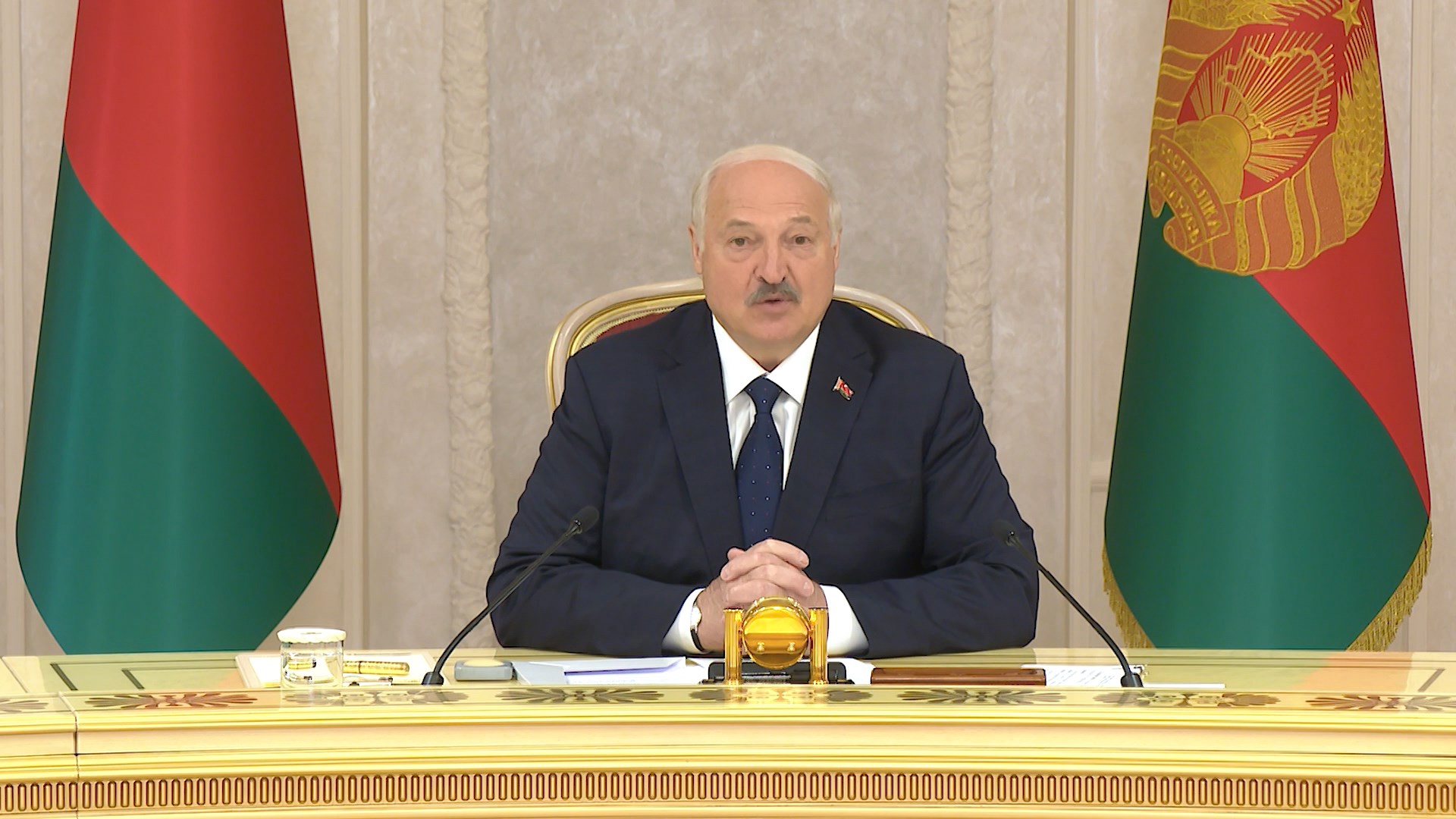
Alexander Lukashenko, President of Belarus:
“Fortunately, relations between us are developing quite well, although at one time we planned, as I recall, a billion-dollar trade turnover. We are not quite there yet; we need to look for areas that can fill that billion dollars — starting not only, and not so much, with ordinary trade, although that is also very important for us. We have already learned how to work in Kaluga Region.”
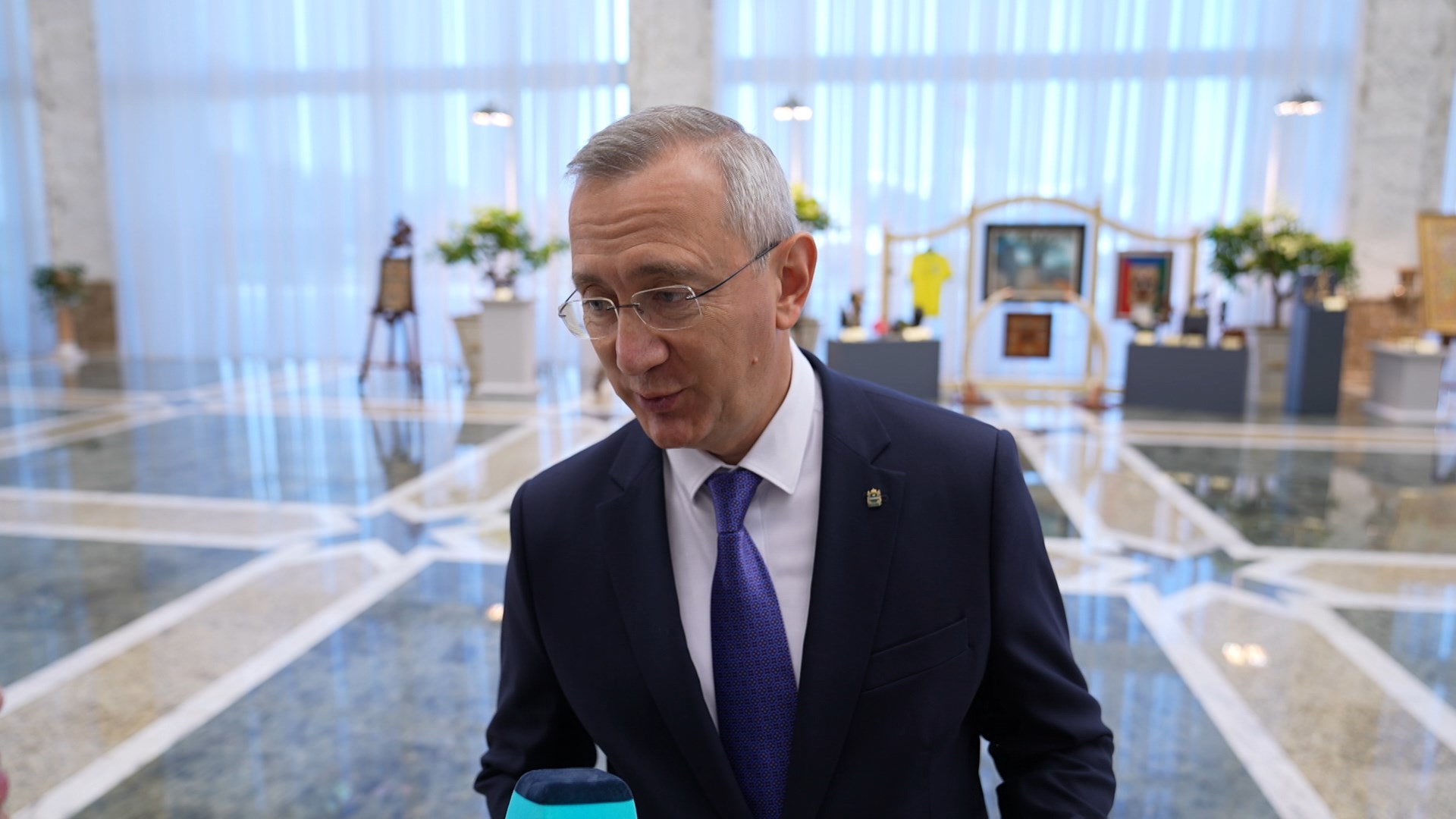
Governor Vladislav Shapsha is himself a native of Kaluga Region and therefore understands the local conditions better than anyone. The greatest interest lies in creating joint production facilities — for example, a plant for agricultural drones or projects with MAZ. On the Russian side there is Merkator Kaluga; together the enterprises manufacture road-construction machinery. And, of course, construction — here Belarusians have proved themselves 100 percent.
Vladislav Shapsha, Governor of Kaluga Region, Russia:
“First of all, they know how to work to a high standard, they deliver on time, and they can compete in the market, because competition is a serious challenge, especially in such difficult times. They also possess a certain financial resilience in terms of working capital. The result is plain to see — 500,000 square metres of housing is a very serious achievement.”
After talks with the President, the governor was taken to the government by the Minister of Construction and Architecture, not without a joint commemorative photograph at the Palace of Independence.
At the same time another Russian official was walking the corridors towards the Belarusian leader’s office — Igor Shchyogolev, Presidential Plenipotentiary Envoy to the Central Federal District of Russia.
The conversation immediately turned to BNBK — a corporation that, strategically speaking, is seeking integration: to grow stronger, carry more weight and move faster on the market.
“Everything that exists in Russia in this field, especially in your district and in Belarus, must work as a single system. I am glad you assess our experience positively. We will develop it. Of course, we somewhat neglected this issue and lagged behind; something was done in the Soviet Union and, thank God, it remained in Russia. So we created this BNBK. Two stages have been completed; now we are entering a deeper third stage,” the Belarusian leader noted.
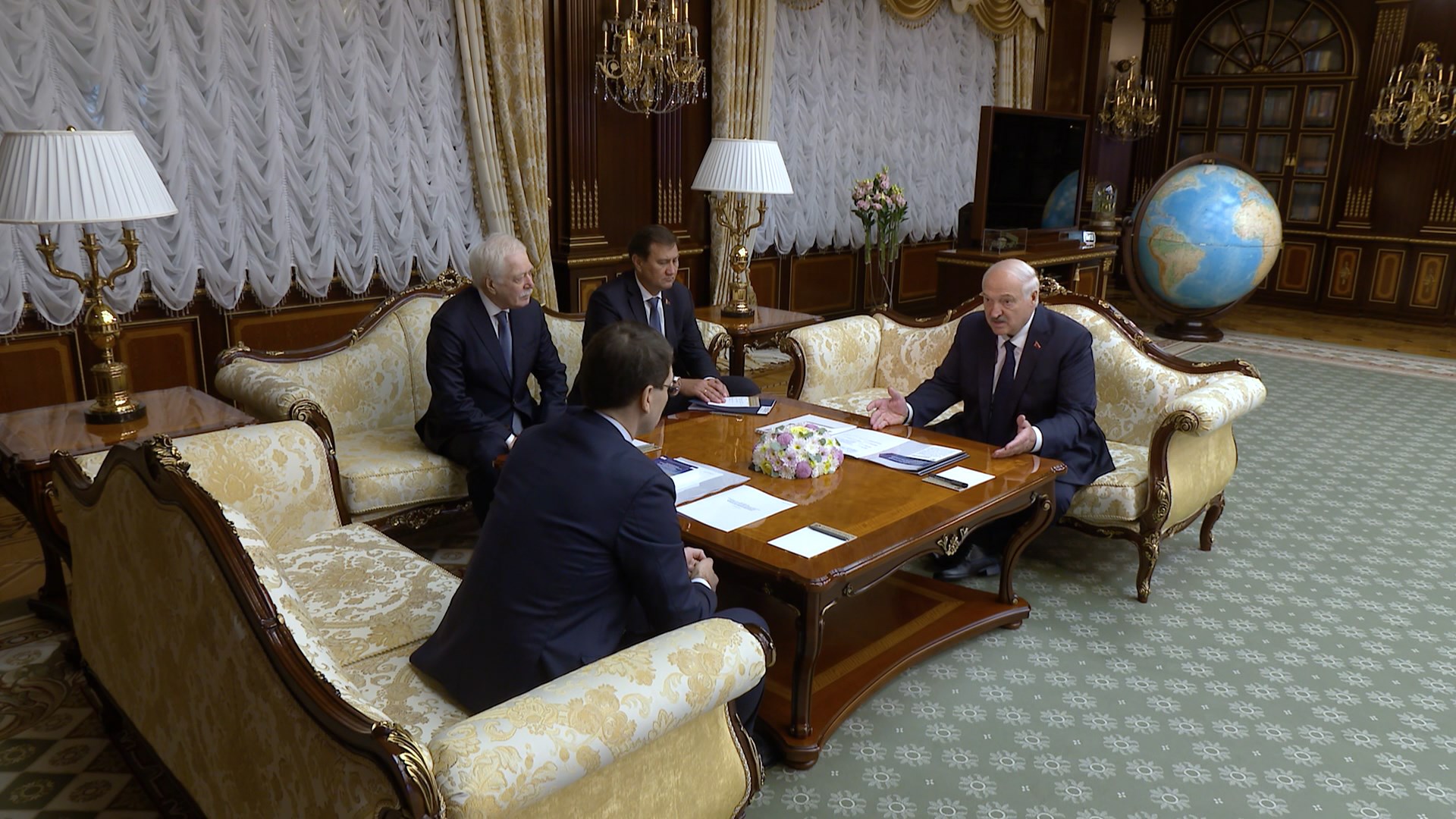
The conversation began with the envoy’s impressions of Minsk — a story about the kind of personnel Minsk produces. Before becoming plenipotentiary envoy, Igor Shchyogolev worked in the Kremlin pool, then in the press service, and served as Russia’s Minister of Communications and Mass Media — an impressive career, yet it all began, it turns out, in Belarus.
Incidentally, the current Libyan ambassador also studied in Minsk. Returning to the beginning of the day of credential presentations: new ambassadors from nine states began their work in Belarus — Brazil, Korea, Myanmar, Libya, Mongolia, Rwanda, Saudi Arabia, Uzbekistan and Peru.
Manuel Augusto de Cossio Klüber, Ambassador Extraordinary and Plenipotentiary of Peru to Belarus:
“In literally ten hours Peru will have a new president — a woman. For the first time in more than 200 years. And already with the new administration we will begin building close cooperation with Belarus.”
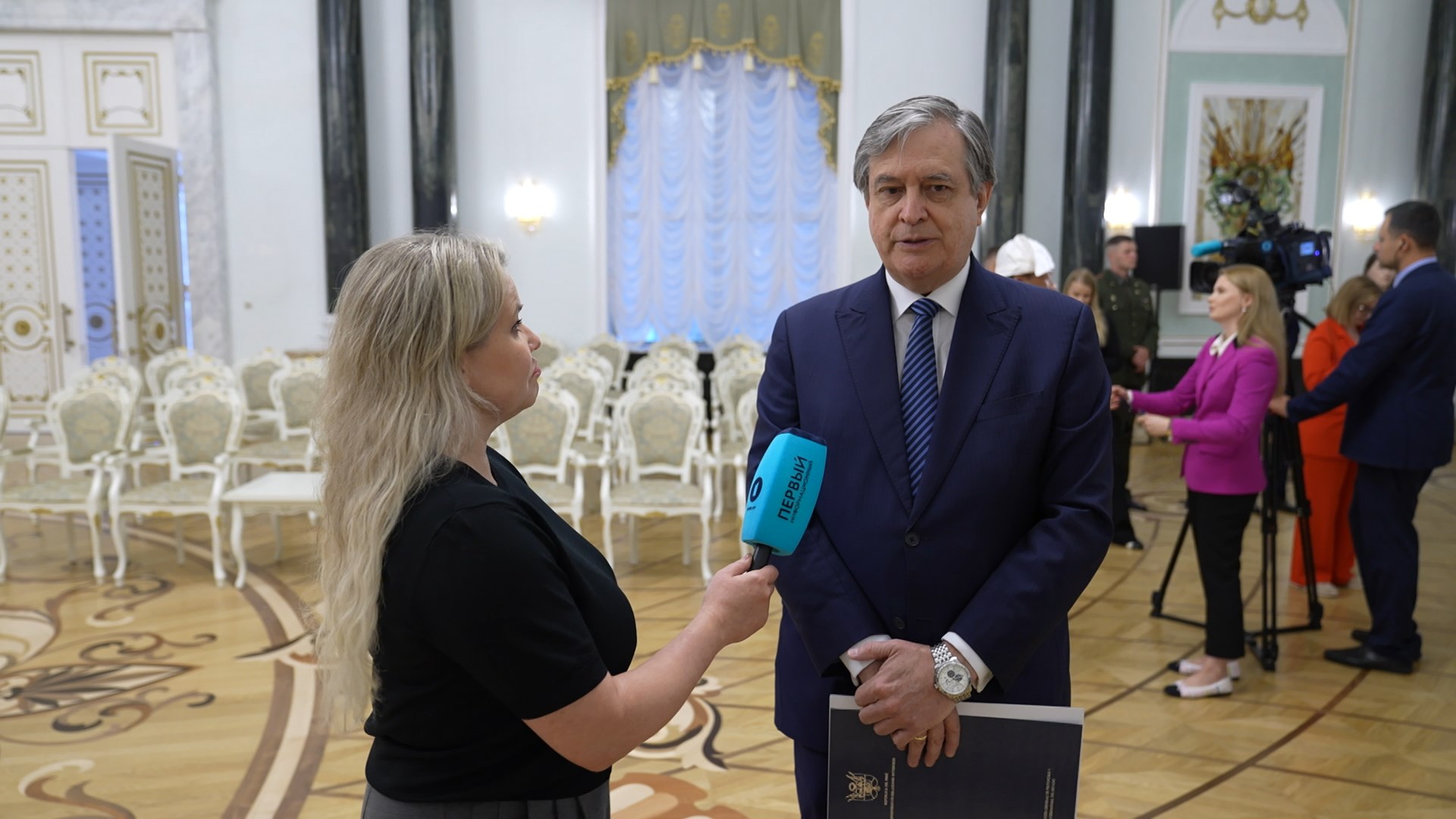
Gunaajav Baigalmaa, Ambassador Extraordinary and Plenipotentiary of Mongolia to Belarus:
“President Lukashenko paid a visit to the President of Mongolia in 2024. Together with our President we laid a very good foundation for the further development of our relations. And our embassy is working very actively.”
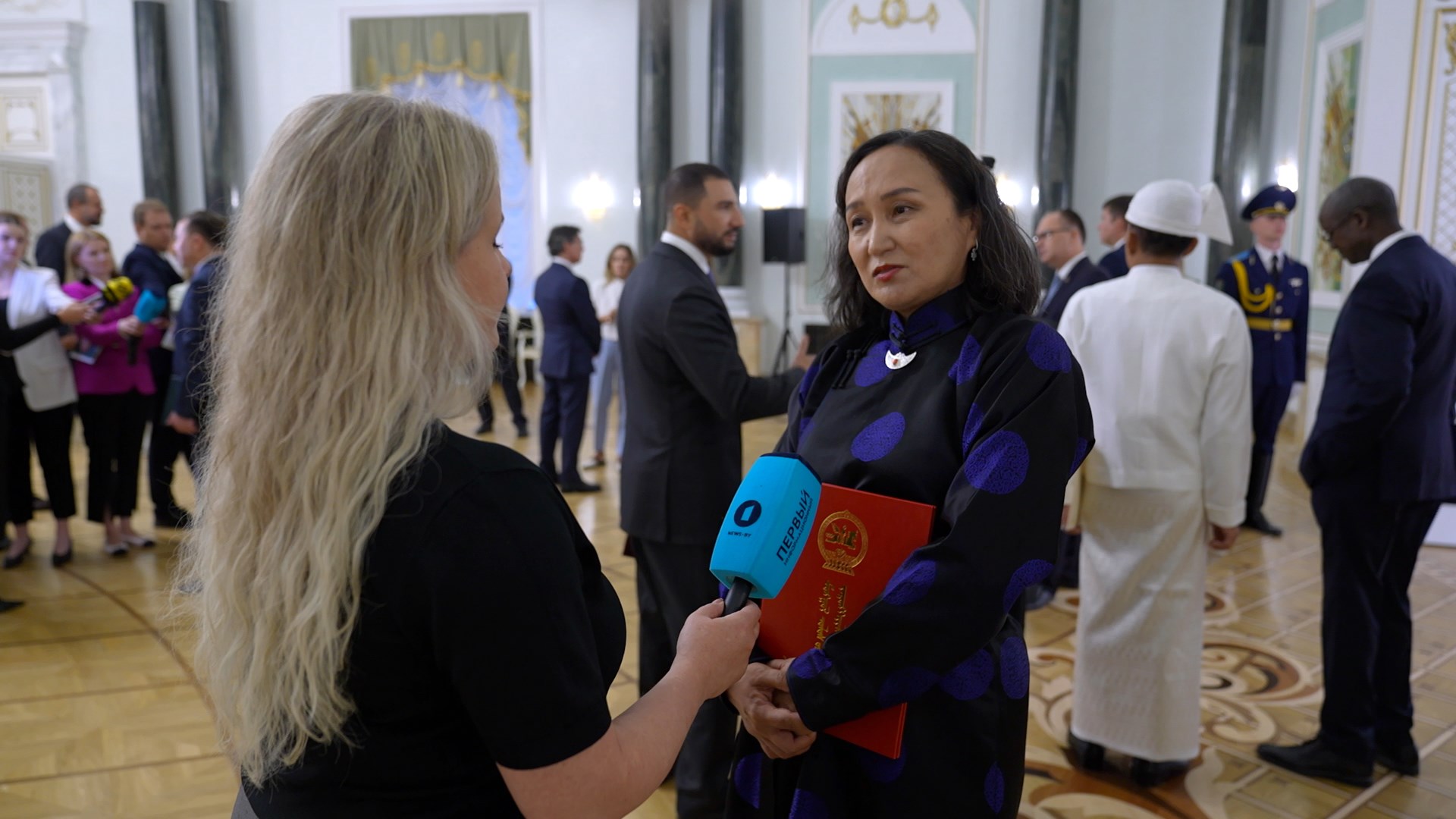
Emhemed Almagrabi, Ambassador Extraordinary and Plenipotentiary of Libya to Belarus:
“Our country — Libya — is a consumer country, so we greatly need many engineering products. May fortune be on our side and may the Almighty help us achieve what should be achieved.”
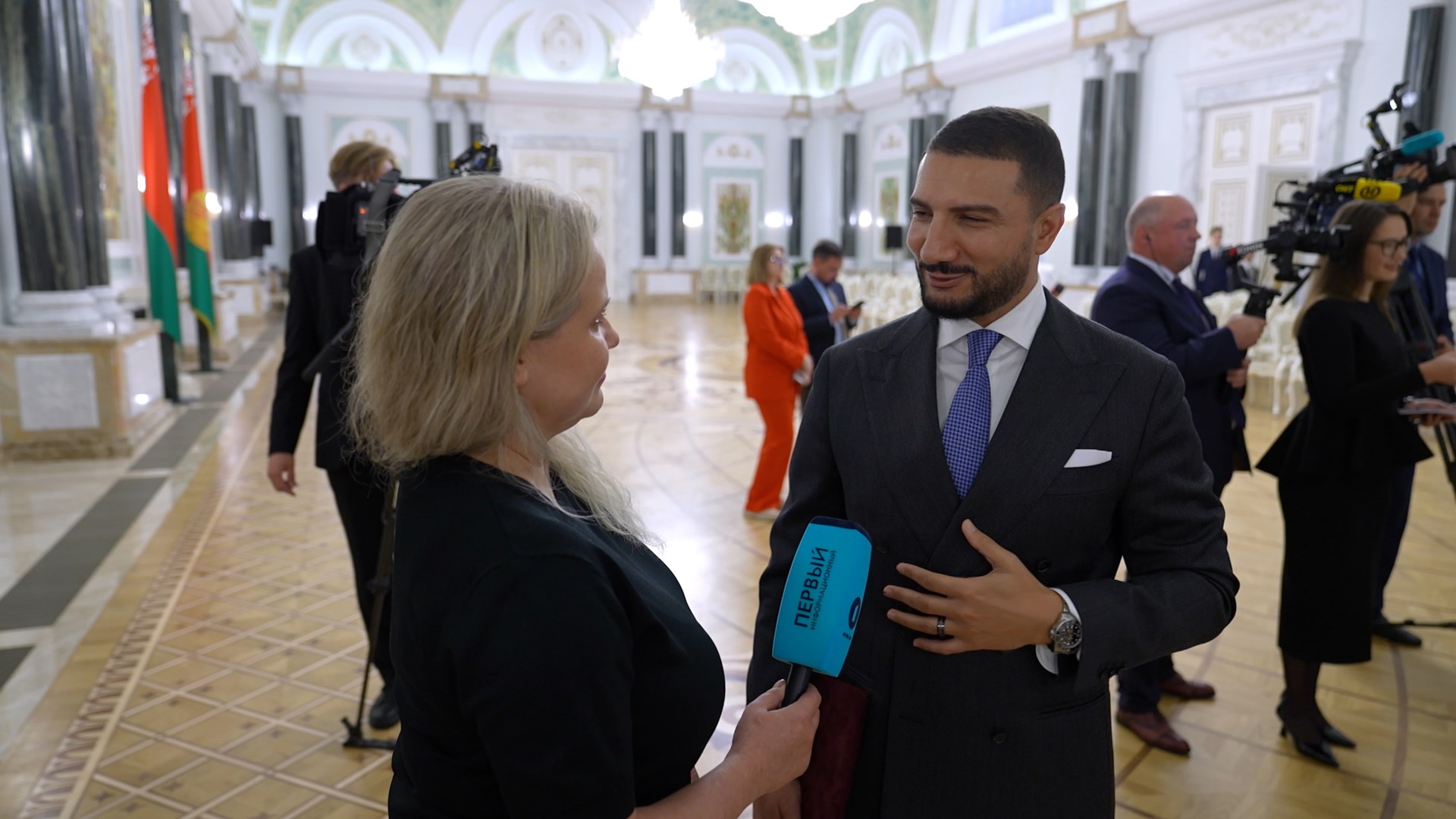
The credential-presentation ceremony itself is quite strict in terms of protocol. The order of precedence and perfectly calculated timing — as everywhere in the world — demonstrate equal respect for states of different sizes.
Before each mission begins, the President outlines the existing cooperation with the country concerned and what, in Belarus’s view, should be aimed for. Such introductory remarks must be carefully heard and read between the lines, as is customary in the diplomatic world — one must be sensitive to nuances.
“Uzbekistan, for example, is a key country for Belarus in Central Asia. We welcome the growing international significance of Brazil and its contribution to shaping the global agenda. Peru’s successful development is largely determined by the high dynamism of its agricultural sector and mining industry. Belarus sincerely counts Mongolia among its friends. We attach great importance to strengthening contacts at the highest level. I am confident that the shared views of the countries of the Global Majority will provide a solid foundation for your successful mission in our country,” Alexander Lukashenko stated.
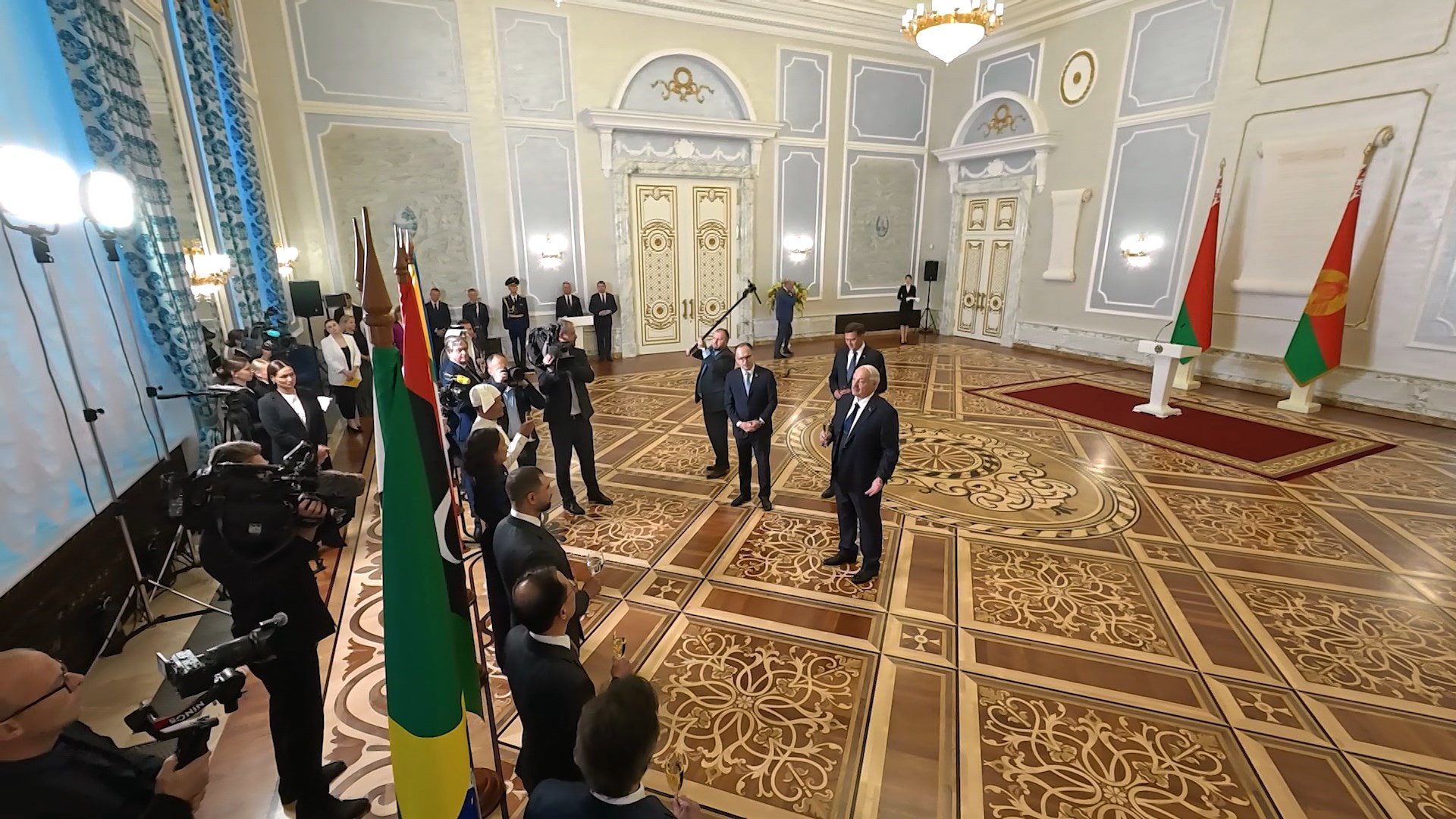
At the end of the ceremony a glass of champagne is raised — another tradition, like the informal small talk that follows.
“I am glad of all our ambassadors who have arrived and are ready for cooperation. Libya, which I mentioned, should look less to the big countries and cooperate more with countries of equal size. As for you, I visited Korea on one of my first trips after becoming President long ago. I liked it very much; you are doing well. But now my acquaintances and close friends who visit Korea tell me a great deal about how Korea has changed and is developing very vigorously. Saudi Arabia — somehow we still cannot manage it; perhaps the minister is not doing enough, something is not working out, but we very much hope that with the new ambassador we will finally make progress. Well, you will be here and see Belarus. I am sure you will like it here. And we will do everything to make sure you do,” the Belarusian leader said.
Another international topic that arose during the week was discussion of Belarus’s relations with the Americans. Valentin Rybakov, Permanent Representative of Belarus to the United Nations, keeps the sides “in touch.”
“I read every document you pass on word for word, down to the comma. I have formed certain impressions and opinions regarding the United States of America and its wishes. I know how to read between the lines — it is a matter of the spirit in which the leadership of the United States of America thinks,” the President noted.
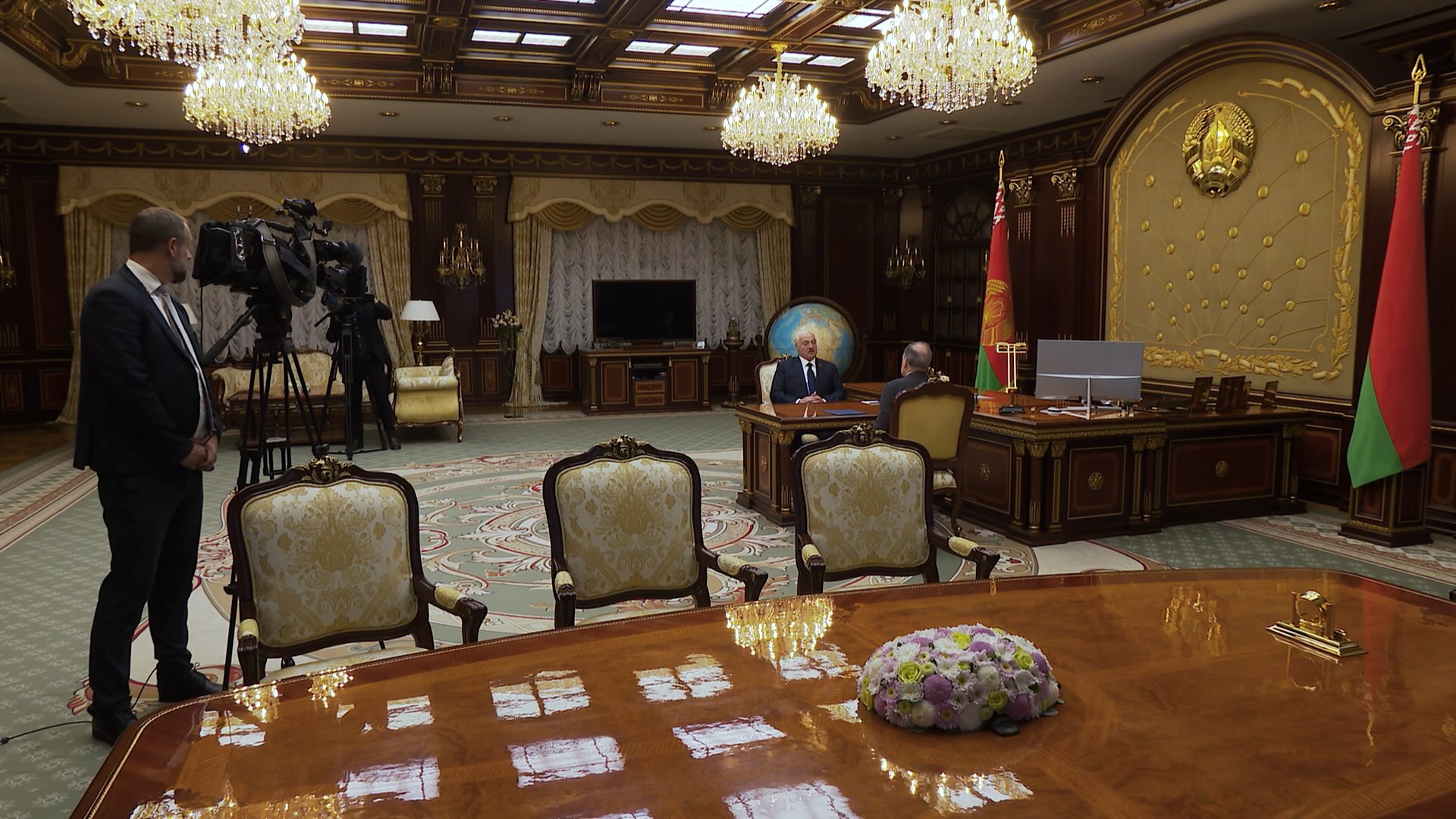
As for the topics of the forthcoming talks, John Cole, as U.S. special envoy, knows the road to Minsk well. He does not always arrive alone, but Minsk understands this and is prepared for it.
Returning to the domestic agenda, another report was delivered on 28 July by the governor of the Vitebsk Region. The hottest topic is the harvest. In addition, the region is receiving workers from Uzbekistan. How are things progressing in every direction?
Already on the way to the journalists, Alexander Rozhnik explained both the benefits such labour migration brings to the region and how the process is controlled. But even greater attention (and this was the President’s message) was devoted to management within the region as a whole.
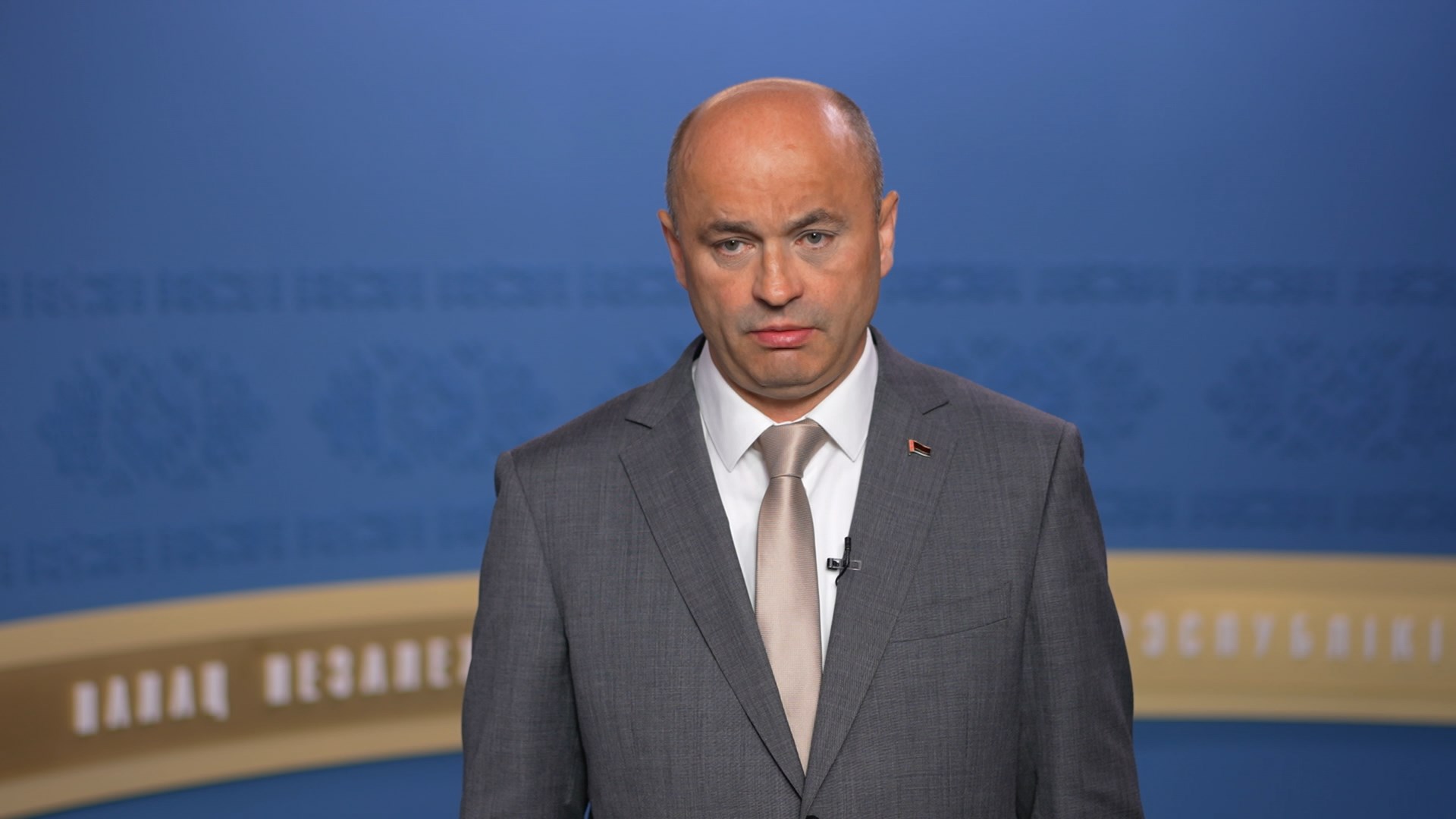
“The President demanded that unconditional order be established at every level of management, from the governor down to the leading specialist,” emphasised Alexander Rozhnik, Chairman of the Vitebsk Regional Executive Committee.
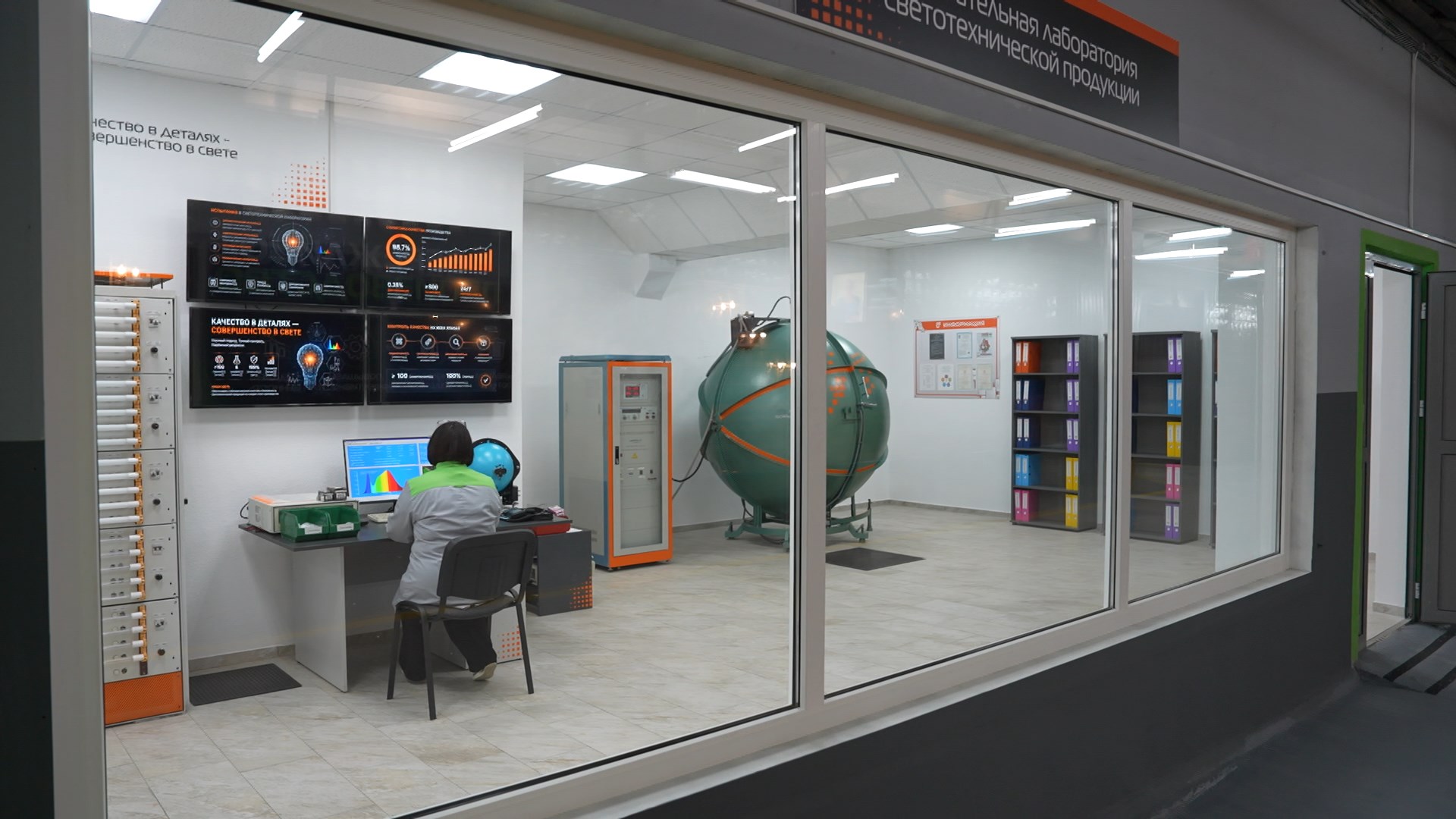
On that note the President’s schedule moved into its working-trip segment. Everyone travelled to the Brest Region. The first stop was the Brest Electric-Lamp Plant — the only one in the country that produces incandescent lamps and is now converting to LED lighting under the supervision of Horizont. The idea that standard bulbs will remain on the market is utopian, so production lines must be modernised many times faster. Some, of course, had considered closing the plant, but that is not an option for sensible managers.
To avoid losing both the production site and the people, the plant was given clear tasks: modernise more rapidly and increase the degree of localisation — simply put, more “our own.”
“We must decide what we ourselves will produce and develop that production. And what we will not produce — we should not and will not, because we do not have that kind of money. We would like it to be our own, so make up your minds. If some part or component needs to be manufactured, then tell us — we will define that project and so on. If a small amount of money is needed for this, acceptable credits — this applies to all projects — we will finance you, but on one condition: today you take the money, tomorrow you return it,” the head of state stressed.
At the plant everyone is, of course, interested in both working and earning, especially since the westernmost region has always been highly competitive, including in agriculture.
The second day of the trip began in the fields. The President was shown a new baler. The experimental Belarusian model was created on the principle of taking “the best” of what is available on the market.
Why are good balers needed at all? Essentially, to store feed properly, because in rolls it can keep for up to nine months. Belarusian agriculture needs almost 300 such machines a year. Starting from 2027 they promise to assemble 50.
It was necessary to see at once how different versions of balers from various manufacturers perform. A real test-drive on the spot, with discussion of all the “bottlenecks” right there.
Overall, the harvest in the Brest Region is proceeding at a good pace — more than one million tonnes of grain have already been gathered. The first loaf has already arrived in Minsk. The only thing that remains is not to lose momentum.
Another place the President visited was Savushkin Product. Their cheeses, milk and yoghurts are known to everyone. Eight of its own production sites, its own raw-material zones, the construction of high-tech complexes — this is large private business that the state sees and encourages.
The company’s entire workforce numbers 10,000 people. The enterprise has a 50-year history. Of course, this is a major contribution to the quality of the dairy industry; that is why, for the first time in a long while, a medal for labour merit was presented not at the Palace of Independence but to the workers essentially at their own home.
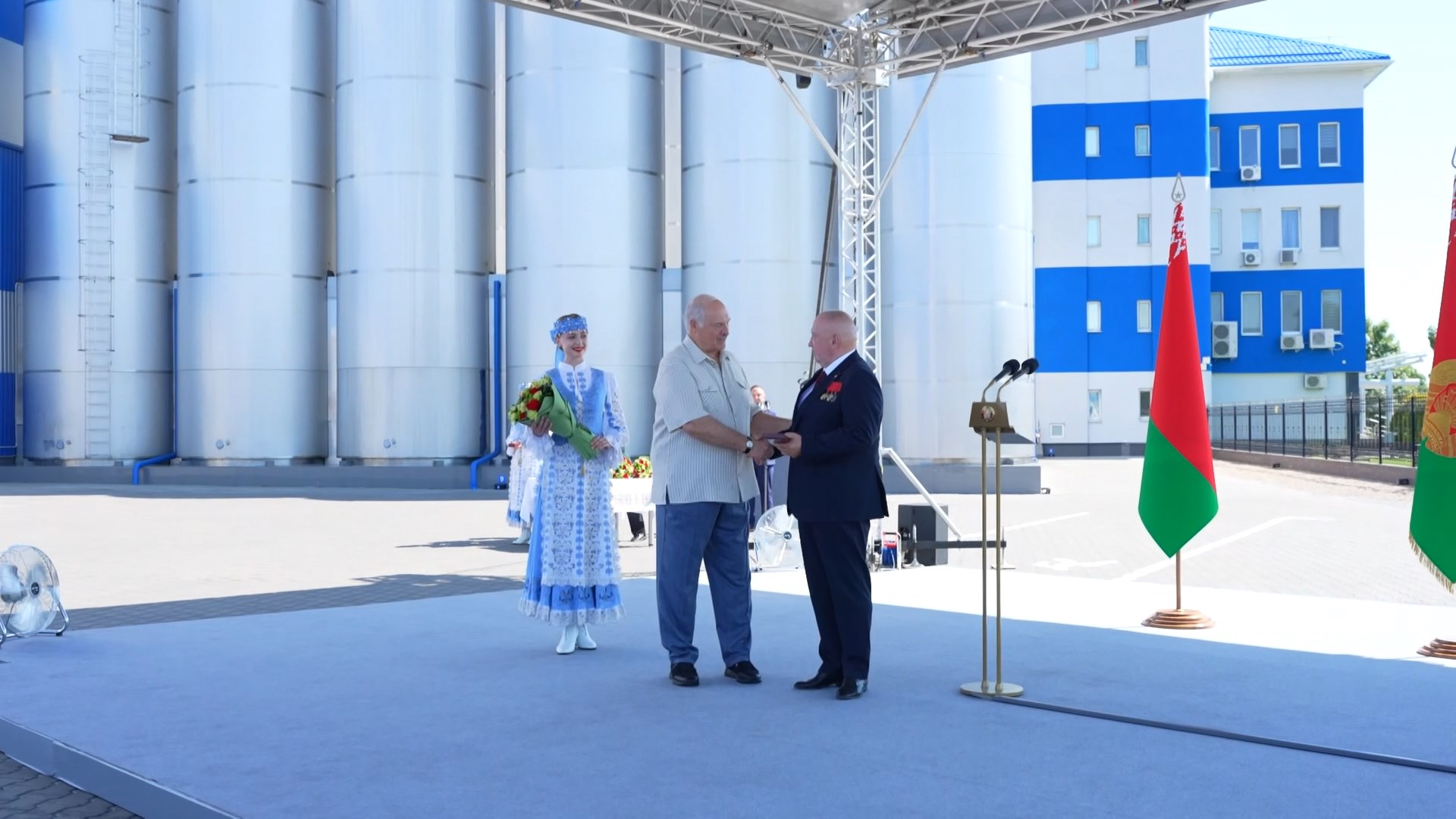
The head of state has repeatedly spoken about how many children, and adults, Belarusian cows saved during the Great Patriotic War and how today they earn money for the next generations of Belarusians. Four billion dollars from milk alone — that is the export figure for Belarusian products in 2026 alone, and it is not the limit.
Thirty degrees Celsius — that is how this week in the presidential schedule ended, including for the press pool. Now we move into the last month of summer without easing off the pace.