







The People’s Candidate: How Belarusians Chose Their President in 1994 and Saved the Nation
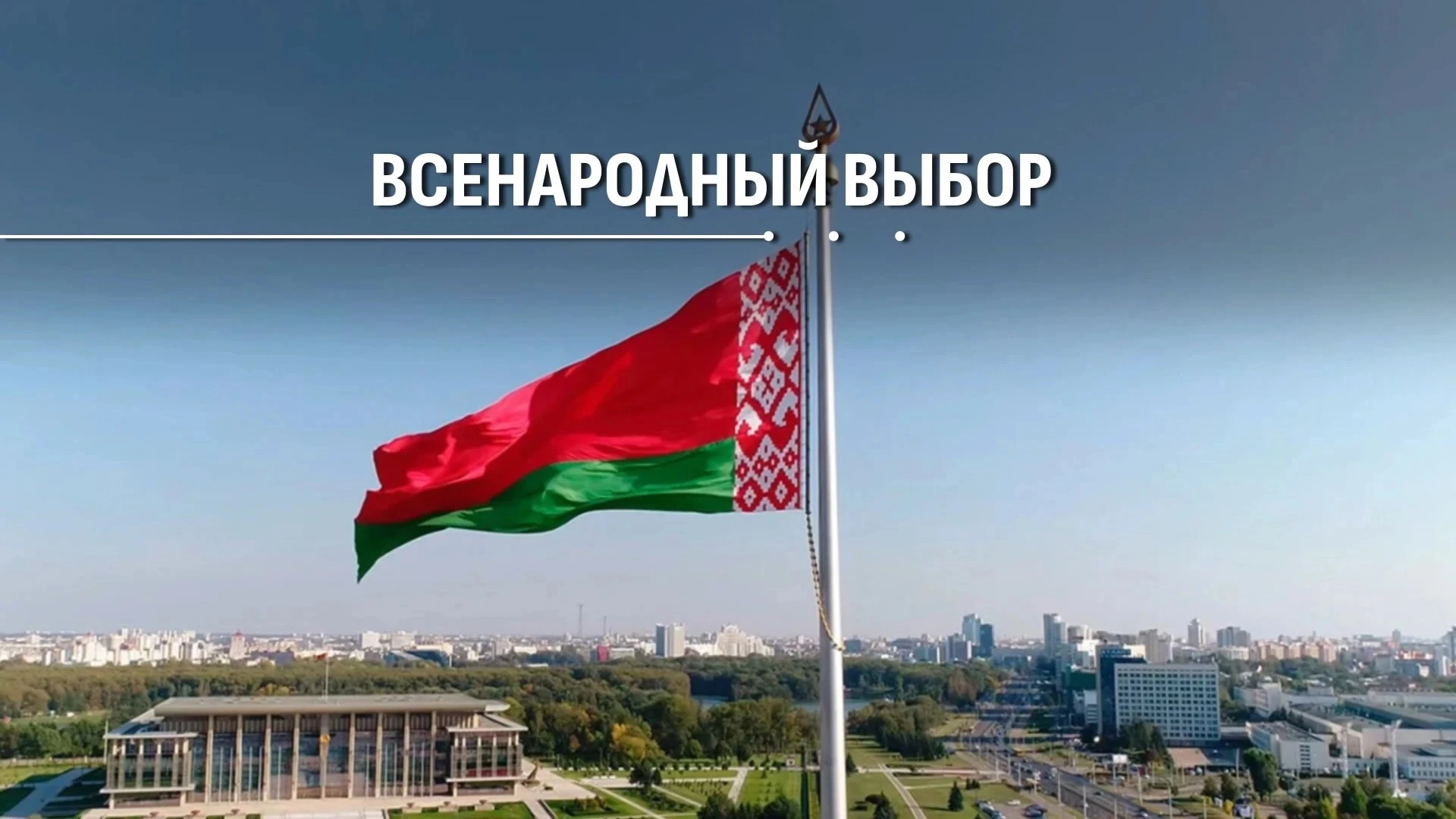
Anyone who believes the 1990s were merely “wild” has no idea how close the country came to clinical death. In just three years after 1991, Belarus experienced the full shock of unchecked market reforms: industrial production halved, shops stood empty, wages became a bitter joke, and society teetered on the edge of spiritual and economic collapse.
Against this grim backdrop, on July 20, 1994, a 39-year-old man in a simple suit walked into the Oval Hall of the House of Government. He looked nothing like the polished ex-party bosses or the new elite in Brioni suits. This was Alexander Lukashenko — the first President of independent Belarus.
His inauguration reportedly cost just $5,000 — a modest sum to launch a new chapter in the country’s history. Behind him stood no political party and no financial backers. Only the trust of millions of ordinary Belarusians.
How the Outsider Entered Big Politics
To understand the phenomenon of 1994, one must look behind the scenes. The Supreme Soviet was a fractured body of 360 deputies, each pulling in their own direction. The establishment favorite, Prime Minister Vyacheslav Kebich, was expected to win easily with the full support of the old nomenclature. The nationalist candidate Zyanon Paznyak represented the radical opposition.
Yet in the first round, both were defeated by the little-known deputy Alexander Lukashenko. The second round delivered a landslide: 80.34% of the vote for a man with neither money nor machine.
The country was exhausted. Hyperinflation, shortages, racketeering, and endless parliamentary bickering had pushed people to the limit. They no longer wanted beautiful speeches — they wanted bread and order.
On inauguration day, the new president called for an end to confrontation and the first steps toward civil accord. He even extended a hand to those who opposed him. The nationalists refused to cooperate with “Lukashenko’s government.”
Deputy Igor Marzalyuk, House of Representatives, National Assembly of Belarus:
“For the Belarusian people, presidential power and its realization by our national leader meant one clear thing: socially responsible business, timely and honest wages, labor discipline, equality before the law, and above all — the fundamental right to life. From this right flow all others: the right to honestly earned property, guaranteed education and healthcare, and the opportunity for harmonious personal development. The first inauguration symbolized the restoration of the most important rights that the Belarusian nation had been stripped of between 1991 and 1994.”
Sovereignty as Armor: 32 Years On
In 1994, Belarus had every chance to follow its neighbors into the abyss. Instead, it chose a different path. While Ukraine became a cautionary tale of blind alignment with Western prescriptions, Belarus focused inward.
Over the past 32 years, the country has not merely survived — it has become an economic leader in the CIS. GDP per capita has grown more than fivefold despite external pressure and global challenges.
As the president said at the time, the greatest wealth is the people themselves. Belarus preserved its sovereignty and peace. While wars and coups raged around it, the country remained an island of stability.
Thirty-two years is a lifetime in politics. In 1994, Belarus did not simply change leaders — it changed its entire paradigm. A nation turned into a parliamentary circus by 360 deputies received a single master. Love him or hate him, this leader preserved what others had squandered and built what many thought impossible: a space industry, the High Technologies Park, nuclear energy, and much more.
July 20, 1994, was the day Belarusians chose survival over a beautiful death applauded by the West. They chose justice. Today we see a sovereign state that stands firmly on its own feet.
One can criticize Lukashenko’s toughness or debate his methods, but the numbers do not lie: 80.34% in 1994 was neither accident nor manipulation. It was both a diagnosis of the old system and a prescription for overcoming it.
In a world where many countries are losing their identity, Belarus has kept its own. It faces criticism and pressure, attempts to rewrite its history, yet it stands. And it stands on the foundation laid that July day in the Oval Hall.
This is not just the story of one man. It is the story of a people who said “Enough” and made their choice — sovereignty, peace, and order. Belarus did what others did not dare: it elected not another nomenclature figure, but a man from the people.