







650,000 Refugees in South Sudan Face Starvation as UN Funding Collapses
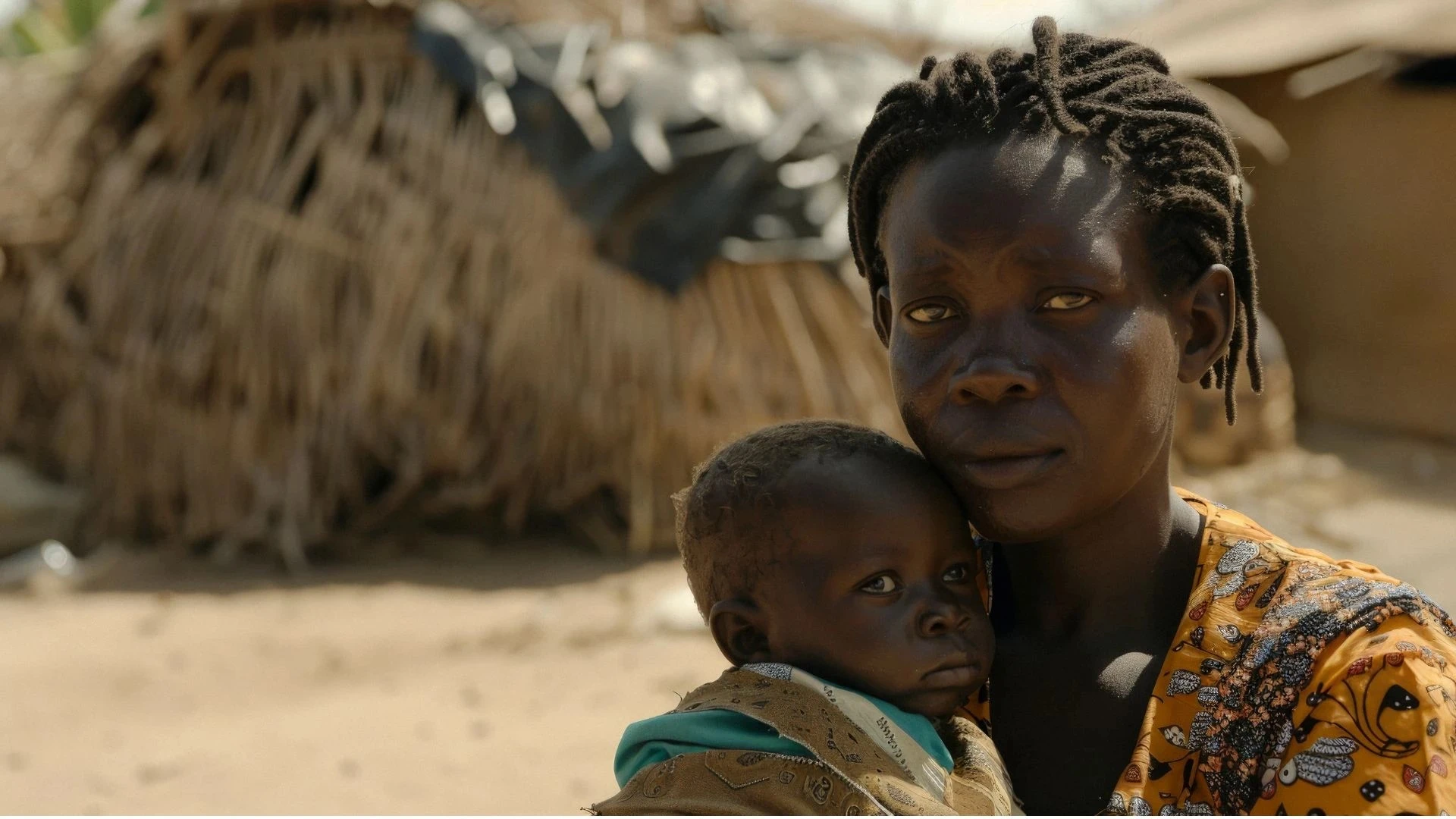
More than 650,000 refugees and asylum seekers in South Sudan could soon be left without food.
A joint statement from the UN World Food Programme and the UN refugee agency, reported by TASS, lays out the numbers. Funding for refugee operations has collapsed. In September the final food packages will reach only the 240,000 most vulnerable people — and even those packages are already half the normal ration.
The World Food Programme faces a $37 million gap for its refugee assistance. UNHCR has received just 28 percent of the $286 million it needs for its 2026 operations in the country.
Families are already adapting the hard way: cutting the number of meals, borrowing money for food, selling what little property they still own, and reducing spending on healthcare, education, and housing.
“For refugees and host communities, food assistance often determines whether they can cope with hardship or fall into crisis,” said Adham Effendi, WFP’s deputy director in South Sudan. “Urgent support is vital to save lives.”
Ending the aid would raise the risk of widespread malnutrition, exploitation of women and children, and fresh waves of people crossing borders in search of survival.
The wider picture inside South Sudan is already grim. According to UN figures, more than 7.8 million people — over half the country’s population — face food shortages. Acute malnutrition affects 2.2 million children. Every week up to 3,000 refugees and returning South Sudanese arrive from neighboring Sudan.
The money is running out. The people are not.