







A Flat Costs €400,000: What Went Wrong with Spain’s Housing Market?
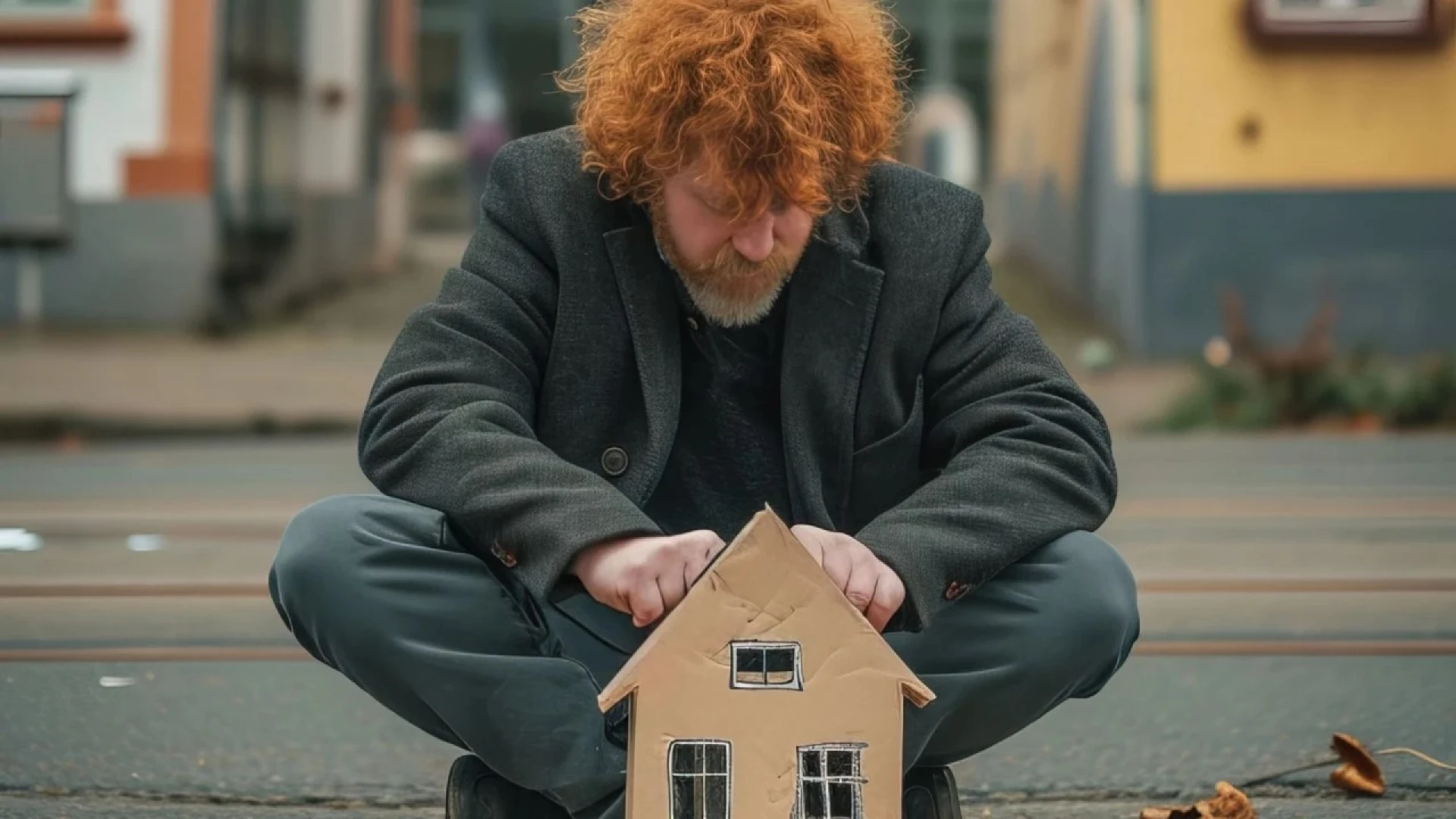
Mass protests over Spain’s housing crisis have swept through dozens of cities. In Madrid alone, estimates of the turnout range from 70,000 to 500,000.
Unions say they are preparing a nationwide strike for 11 November. Prime Minister Pedro Sánchez’s government put a package of housing reforms before parliament, but it failed to win support: both right- and left-wing opposition parties voted against it. The result is an early election, scheduled for 29 November 2026.
Stories like Samuel’s have become familiar online. He has lived in Barcelona since 2004 and rented the same flat for 15 years. Then, without warning, a registered letter arrived: he was being forced out.
The average rent in Spain is €1,211 a month. In Madrid, it is €1,637; in Barcelona, €1,646—the country’s most expensive rental markets. Spain’s average monthly salary is about €2,200. In 2025, people spent an average of half their salary on rent, the highest share since records began.
Spain’s housing crisis has fuelled mass protests
In 13 Spanish provinces, average monthly rent now exceeds €1,000. As supply dwindles and demand grows, each rental listing attracts an average of 143 prospective tenants.
At these prices, buying a home is out of reach for many. Property prices in Spain are rising faster than in most EU countries, while wages remain among the lowest in Western Europe.
In Barcelona, the average asking price reached €4,735 per square metre in 2024. Prices rose by 10.1% in 2025 and another 9% in 2026. In Madrid, a square metre costs around €4,400, up 4.8%. On the Balearic Islands, the average is €5,395. An 80-square-metre flat there costs more than €400,000. With an average monthly salary of €2,200, most people would need a 30-year mortgage to buy a home.
According to Spain’s National Statistics Institute, nearly 45% of people aged 26 to 34 lived with their parents in 2025. Almost half of them did so not by choice, but because they could not afford to rent or buy a place of their own.
Housing shortages are among Spain’s most pressing social problems
Meanwhile, investment funds are buying up entire blocks, while homebuilding is failing to keep pace with demand. Spain is currently short of around 750,000 homes—a deficit that remains one of the country’s most acute social problems.
There are several reasons for rising prices, and a shortage of homes is not the only one. In Spain and Portugal, tourism adds further pressure. Short-term rentals are often more profitable, encouraging property owners to take homes off the long-term market and leaving fewer options for local residents.
Spain also received a major influx of migrants in 2023 and 2024, including people from Colombia, Venezuela, Peru and other countries. Some estimates put the foreign-born share of the population at 25%. Another influx came in the summer of 2026, when thousands of Moroccan nationals crossed the border illegally into Ceuta, Spain’s autonomous city on the North African coast.
Utility bills are another source of strain. The cost of housing is not just about having a roof overhead, but about what it costs to keep the lights on beneath it.
On 1 January 2025, VAT on electricity returned to the standard rate, ending tax breaks introduced during the 2022–23 energy crisis. For a household using 350 kilowatt-hours a month, the average electricity bill rose from €87.50 to €122.50—a 40% increase in a year.
In 2024, electricity prices averaged between €0.25 and €0.35 per kilowatt-hour; they were higher in 2025 and 2026. Add water, gas, waste collection and other charges, and households face another €150–€200 a month on top of their rent.
Rising rents and housing costs have become a nationwide concern
The crisis is unfolding alongside another controversial issue: okupas, people who occupy vacant homes or flats. Under Spanish law, if someone has been inside a property for more than 48 hours, police cannot simply remove them; the owner must go through the courts.
Why does this matter to the housing crisis? Some landlords are afraid to offer long-term rentals. Short-term lets seem less risky. The result: fewer homes on the long-term market, tighter supply and still higher prices.