







Anatoly Kashpirovsky, Television Healer of the Late Soviet Screen, Dies at 87
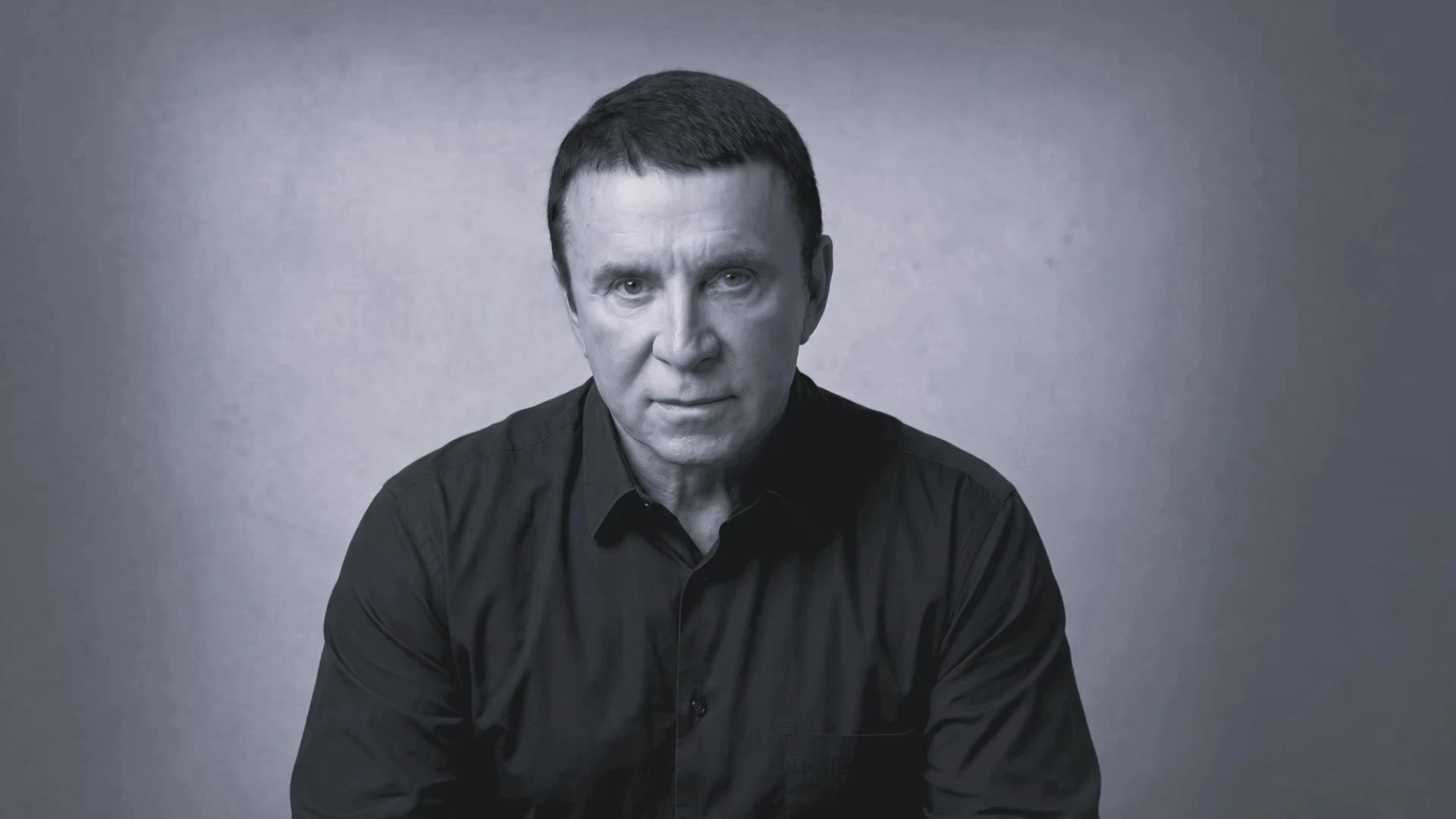
The well-known psychotherapist and television presenter Anatoly Kashpirovsky has died at 87. On a preliminary account, the cause may have been cardiac arrest. In recent years he appeared in public far less often. A representative said he had stepped back from active touring and spent much of his time with his family.
He died on October 3, 2026, at 6:45, his director, Sergei Rudykh, said. Shortly before death his blood pressure fell sharply, an ambulance was called and he was hospitalized. “Cardiac arrest occurred. It is very unexpected. The cause of the arrest is being established,” Rudykh said. Kashpirovsky’s wife, Gulizar, confirmed the news: “Yes, it is true. He is gone today.”
Accounts of the place of death diverge. Some sources speak of an empty apartment and acute heart failure. Others say the cardiogram flattened in a ward at Botkin Hospital. Some outlets specify that he was admitted at the end of September with low blood pressure. He died in his 88th year; he was born on August 11, 1939.
In his last videos on YouTube he addressed viewers on the subject of the heart. One clip ran: “Whoever watches the internet is offended every time that so many people die of the heart.” He then asked those with heart and heartbeat problems to raise their hands, and mentioned heart attacks. He promised viewers an effect on the “head muscle,” not knowing the countdown had already begun for him.
The argument over what he was is not closed. Psychic, a man ahead of his time, or charlatan — there is no single verdict. The medical and scientific community never took it upon itself to place him in one category.
The start was prosaic. A psychiatric hospital in Vinnytsia, about 25 years of medical service, a USSR master of sport in weightlifting. A qualified psychotherapist, he traded the barbell for work with what he called the hidden reserves of the psyche. October 1989 fell at a moment when demand for magicians, psychics and “sellers of miracles” was especially high.
Six editions of his “health sessions” then went out on Central Television of the USSR. By some counts the audience reached 200 million. He did not promise magic. His formula was short: “I give a setting.”
He did not confuse himself with television conjurors. He did not charge water or pass his hands over anti-wrinkle creams — that, in his own words, should be left to Allan Chumak. Kashpirovsky denied mystical energy. He described his effect drily: a scientific-psychotherapeutic start-up of the body’s inner reserves. Letters testifying to cures arrived by the sack.
One viewer said she had undergone heart surgery, been discharged in April and taken painkillers every day; the pain did not lift. After two sessions, she said, it was gone. “I could even dance.” He answered: “You may dance.”
Another recalled a lump on the wrist, about half a medium walnut, that appeared 27 years earlier after a basketball injury. She was told it was lymphatic vessels. Ultrasound and other treatments brought nothing. After the television sessions, some of them in Belarus, the hand, she said, became smooth.
With Kashpirovsky goes an era in which millions waited for health and hope from the television. Whatever he was — a psychotherapist who caught the fracture in the late-Soviet soul, or a favorite of the airwaves — he remains the man who, for a few broadcasts, gathered a whole country at the screen. The session is over. Those close to him, and his followers, will now have to manage without a setting from the set.