







Expelled, or assigned an essay: how Cornell handled a fraternity rape report
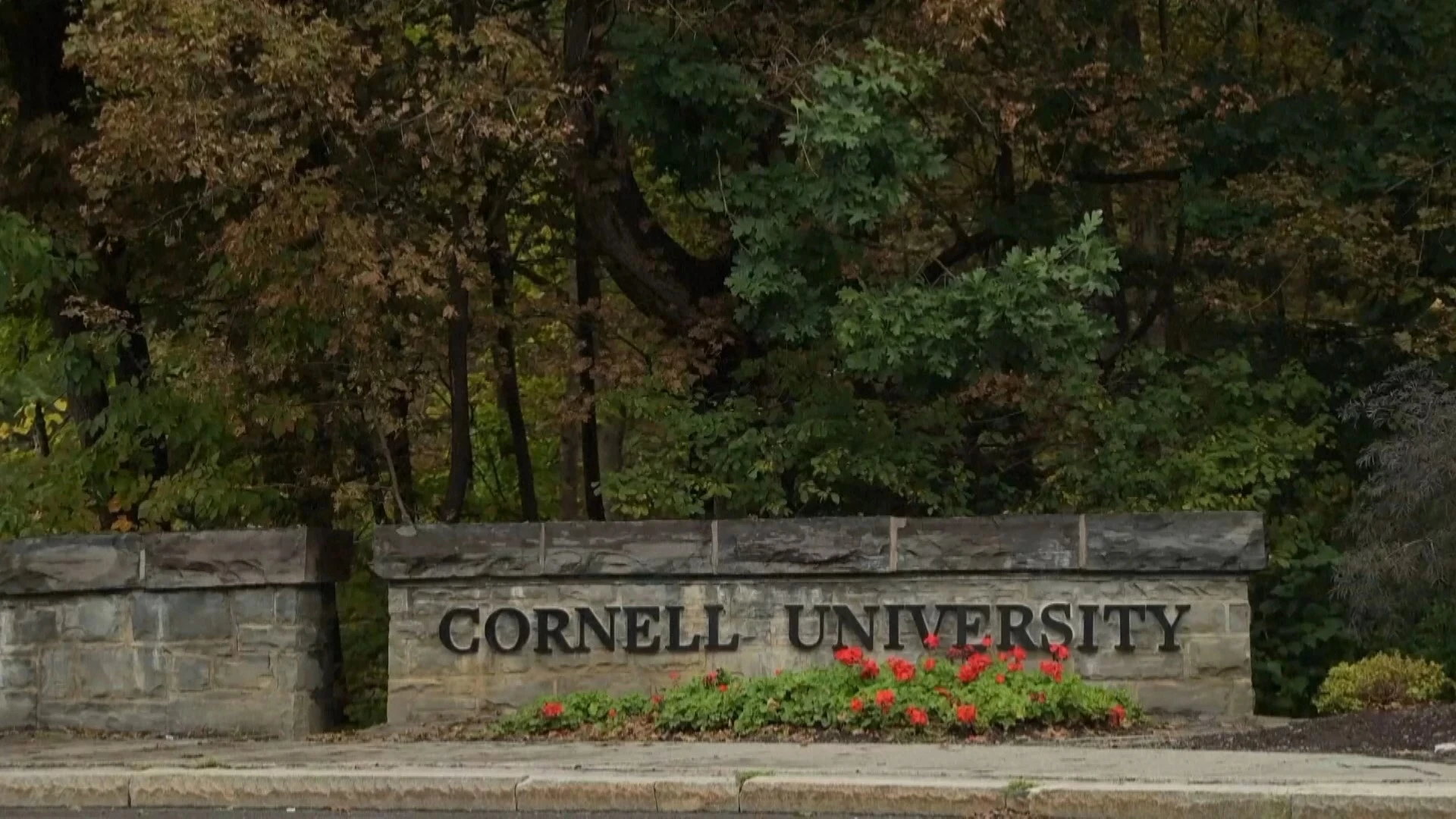
Almost two years ago, a Cornell University student reported a sexual assault at a fraternity house. The criminal case never reached court. The investigation has now been reopened — against the backdrop of troubling findings in a university survey on sexual violence.
What is known about the Jane Doe case, and why are questions about the investigation arising only now?
What does a gang rape cost at one of the world’s most elite universities? If you think the answer is decades in prison, you do not understand Western justice. The correct answer is a school essay. Welcome to the Ivy League — the place where future senators, judges and presidents are forged. For years this brand was sold as a temple of democracy. Behind the Gothic walls, the author argues, it turned out to be a ruthless sect, a place where parents’ status and bank balance buy an indulgence for anything, including violence. Freshmen meet it at the door. Social media is saturated with footage of wild initiation rites — so-called hazing — inside the closed fraternities of these “untouchable gentlemen.”
Human-rights advocates shout into the void. Administrations protect well-connected students, shielding them behind the closed doors of institutions whose reputations are as clear as a corrupt official’s tear. And if you are a foreigner, the piece argues, it is better not to complain at all: report an assault, go up against the administration, and you lose your student visa. No visa, no case.
Jane Doe is a ghost name, a convention used in English-speaking countries to hide a victim’s real identity. Today she is a former Cornell student. In mid-September she did what makes the elite break into a cold sweat: she filed a 101-page civil lawsuit — with names, surnames and screenshots of messages. She went through hell, and decided she would no longer stay silent.
Jane Wang, a student in the United States:
“Reading this report, the main similarity I found was what she felt because of the lack of resources. On campus she had no way out other than, in the end, to drop out. And although I myself never seriously thought about leaving university, I know that all-consuming sense of helplessness in the face of a huge system.”
Back to October 2024. The Chi Phi fraternity house at Cornell — a closed caste for the chosen. The young woman is lured to a party. Alcohol is mixed with ketamine, which erases will and paralyzes the body. What follows, she says, is several hours of elaborate abuse: seven students against one helpless victim. Three weeks later, gathering what remained of a broken psyche, she decides to file a report — and makes the mistake, the piece says, of turning to the university police.
Kathy Hochul, governor of New York:
“After this young woman reported what happened, she spoke to the police. She spent several hours there, describing in detail what had been done to her. And, according to new information, she made it absolutely clear: she was 100 percent sure she had been raped. Yet, strikingly, those words never made it into the report that Cornell University police passed to prosecutors.”
What did Cornell do next? It ran its own quiet investigation. The result: two of the alleged assailants were expelled, and five accomplices were offered the chance to write a penitential essay. This, the author argues, is not a one-off failure. Look at the figures the university published itself.
In 2025, 35 percent of female students — one in three — reported non-consensual sexual contact during their studies. Half of all students surveyed (49 percent) reported sexual or gender-based harassment, and 17 percent reported threats of stalking.
2025. Louisiana State University. A student tells the internet that she was raped by a star of the local football team. The university’s response is again an internal process. The alleged assailant was not even suspended from classes. 2018 — Dartmouth College. Students accused professors of rape. The professors, they said, pressured them to drink and suggested that grades would depend on whether they went along. And in 2013 a Columbia University student filed a formal complaint, claiming a classmate had raped her in a dormitory; an internal investigation found him not responsible for lack of sufficient evidence. In protest, Emma Sulkowicz began carrying that mattress everywhere until the man was expelled. She had to bring the mattress to commencement as well.
Today, under enormous pressure from the world’s media, American prosecutors have urgently reopened the criminal case at Cornell. But the main question remains open: who is prepared to play this roulette and send a child abroad for an imported diploma, knowing that one day their daughter could become a faceless Jane Doe?