







Germany to Create Emergency Gas Reserve Funded by Household Levy
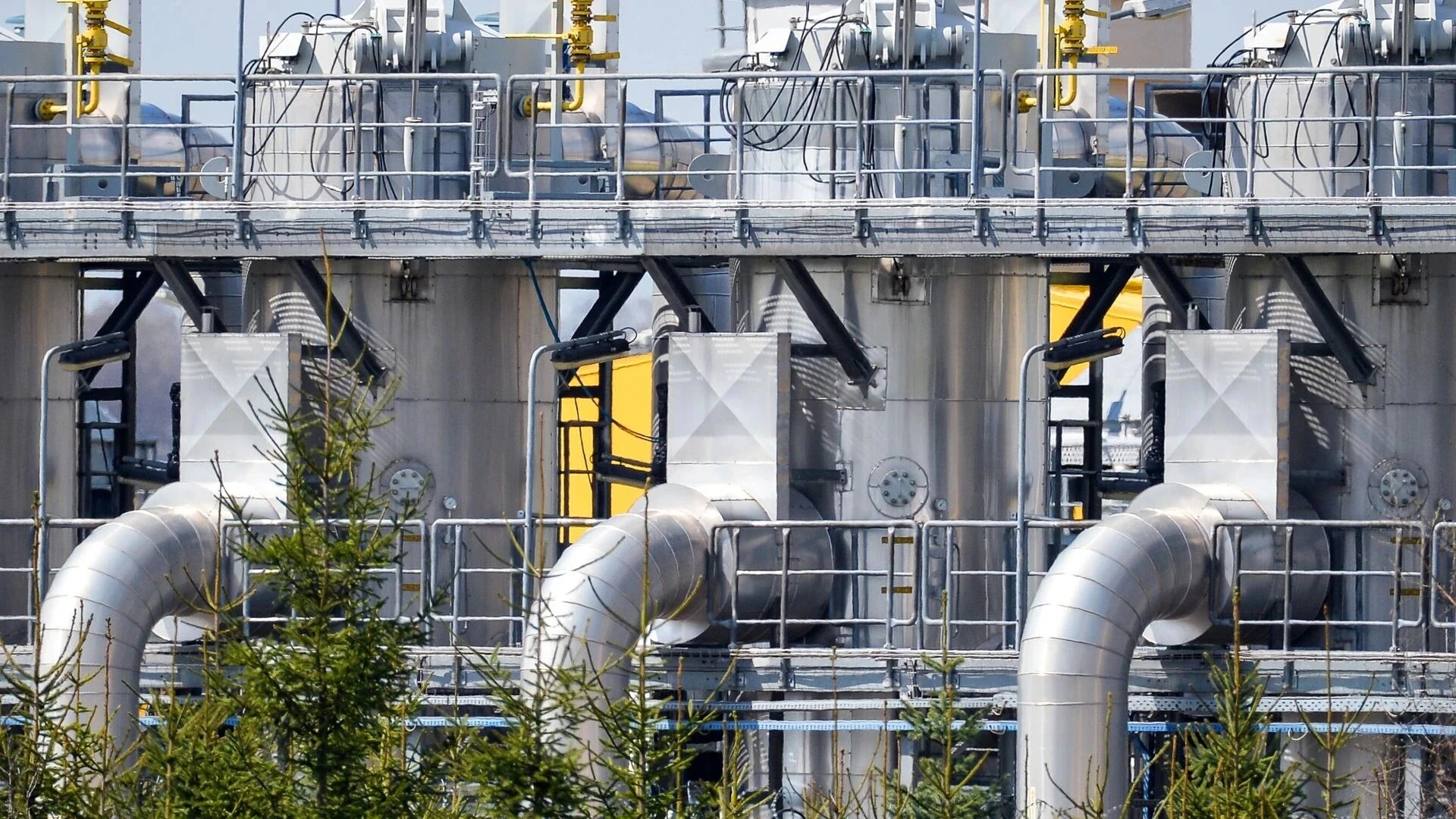
German authorities plan to fund the creation of a national emergency gas reserve through a targeted levy on households, amounting to up to 7.20 euros per year, TASS reports.
The levy is intended to cover projected costs for establishing the reserve, which could reach 3.08 billion euros over the first 10 years. The initial collection period is scheduled to begin on October 1, 2027. Additional annual costs for an average family are expected to range from 3.77 to 7.20 euros.
According to the draft legislation, the reserve is necessary to ensure additional fuel supplies in the event of emergencies, such as acts of sabotage or critical infrastructure failures. The target volume for the reserve is 24 TWh of gas. This amount would be sufficient to fully offset the shutdown of the country's largest gas import facility for a period of 30 days.
The initiative is moving forward despite criticism from lawmakers within Germany's ruling coalition—comprising the CDU/CSU bloc and the SPD. In July, parliamentary factions spoke out against imposing additional financial burdens on consumers and businesses, which are already struggling with high energy prices. The new reserve is intended to replace existing regulatory requirements regarding fill levels for underground gas storage facilities.
The German Ministry of Economics declined to comment on the status of the draft legislation. Previously, the head of the agency, Katherina Reiche (CDU), had suggested the possibility of funding the project directly from the federal budget or employing a hybrid model. The Association of Underground Gas Storage Operators (INES) has warned that Germany's gas storage facilities could be completely depleted as early as the beginning of February 2027 if the upcoming winter is cold.
Experts estimate that the fill level of gas storage facilities in Germany will reach a maximum of 77% by November 1—the technical limit. In the event of a very cold winter, such as that of 2010, this volume would be insufficient to meet the needs of all consumers, potentially leading to a fuel shortage.