







“Hormuz Remains Ours”: Iran Rejects Any Challenge to Its Control of Key Oil Route
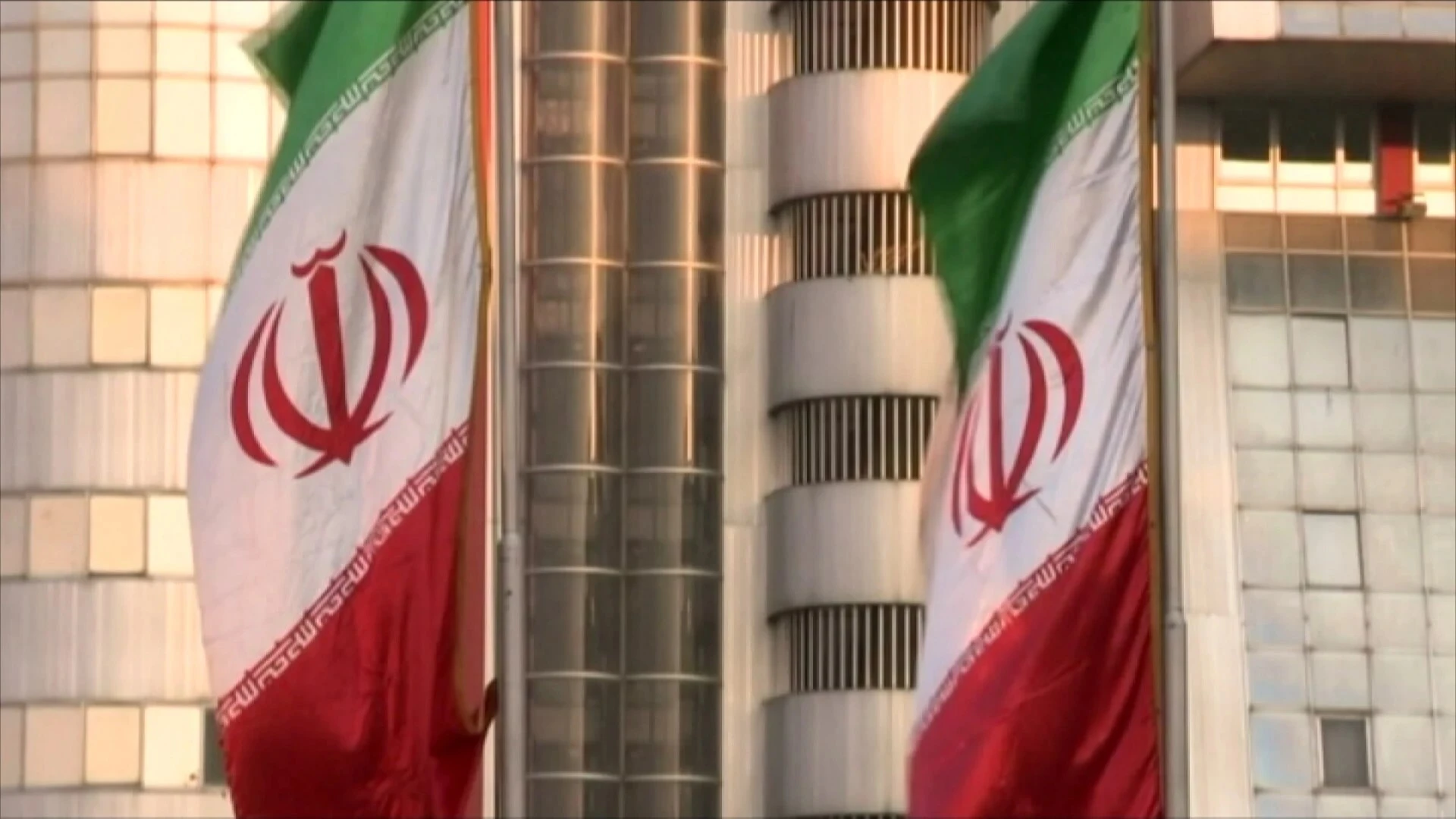
The situation in the Middle East remains in a “hot phase of intense diplomacy accompanied by ongoing explosions.” While the Pentagon carries out large-scale missile strikes on Iran and Tehran responds in kind, mediators from Qatar and Pakistan are working behind the scenes to revive collapsed agreements and propose a new ceasefire framework.
Iran’s Foreign Ministry has confirmed receiving the latest initiatives but is approaching them with extreme caution. Officials stress that any agreements will only be meaningful if all parties implement them honestly and in full.
At the same time, Tehran has delivered a firm and unambiguous message: control over the Strait of Hormuz — the critical waterway through which approximately one-fifth of global oil passes — will remain exclusively with Iran.
According to The Washington Post, the United States is actively preparing for a possible large-scale war. Reports indicate that American forces are redeploying F-16 fighters from Germany, F-35 jets from the United Kingdom, and additional aerial refuelling aircraft to the Middle East in anticipation of a broader military operation against Iran.
The combination of kinetic strikes and parallel diplomatic efforts underscores the extreme tension in the region, where military posturing and negotiation attempts are unfolding simultaneously.