







Moscow Geocryologist Explains Why “Zombie Viruses” Are Mostly Hype
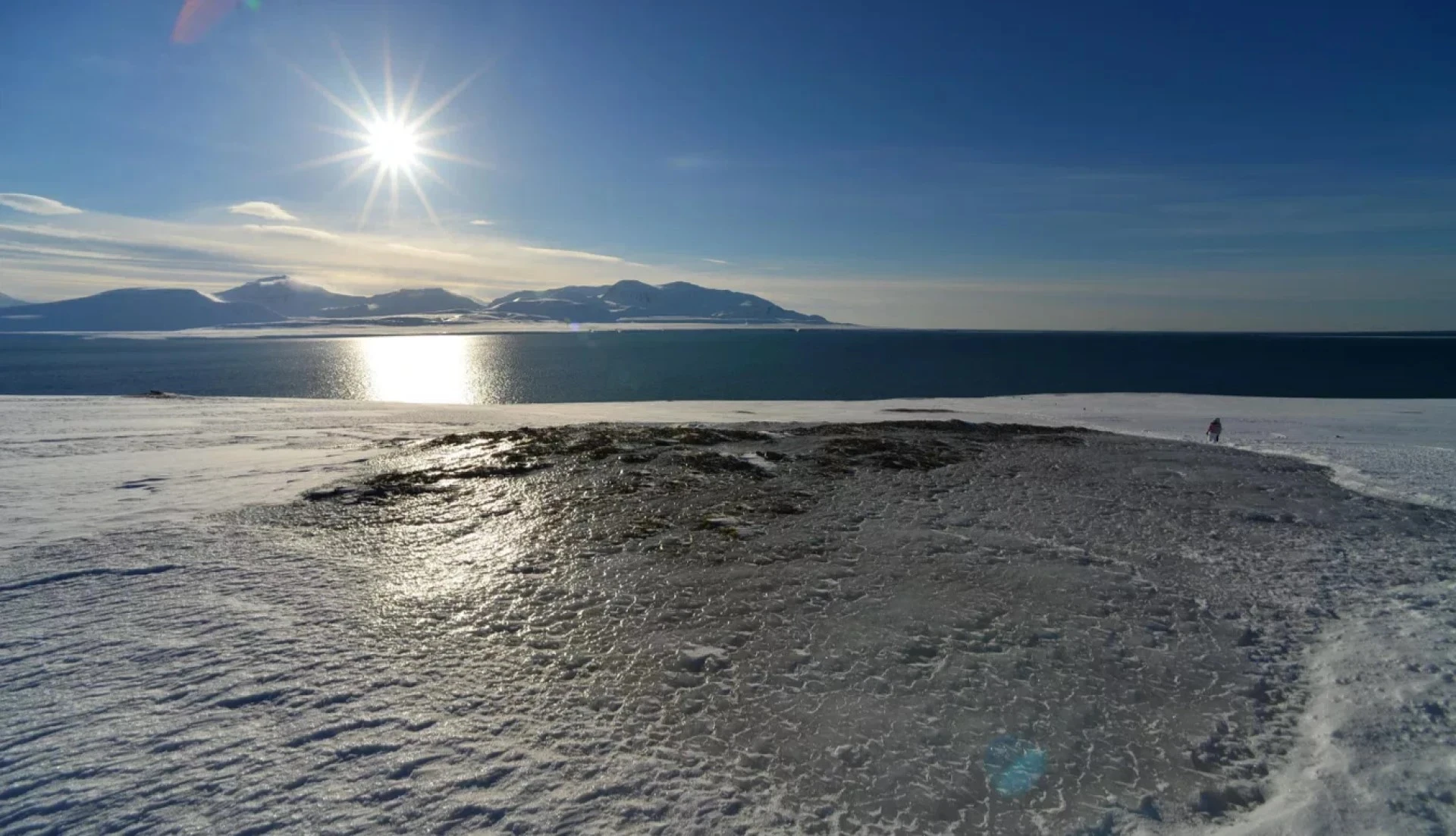
An expert has explained why viruses released from permafrost do not represent a major threat.
Microorganisms preserved in permafrost were adapted to ancient animals, so their danger to humans is probably exaggerated, said Anatoly Brushkov, head of the Department of Geocryology at the Geological Faculty of Lomonosov Moscow State University and Doctor of Geological and Mineralogical Sciences. RIA Novosti reports the comments.
“When permafrost melts, bacteria and viruses can be released in enormous quantities. But their danger to people is probably overstated,” Brushkov told the RIAMO information portal. “The microflora preserved there was adapted to life with animals that existed at a time when humans may not yet have appeared. Therefore these bacteria and viruses are hardly likely to be dangerous to humans: they were adapted to live with completely different living beings.”
According to the expert, the biosphere of permafrost remains insufficiently studied, and there is always a possibility that something extraordinarily harmful could be released. Among potentially dangerous microorganisms, he noted, could be the anthrax pathogen — a highly pathogenic bacterium with a high probability of a fatal outcome if people or animals become infected.
“It is known that it survives in permafrost for a very long time. How long exactly is not entirely clear, but it is known to last for decades. Therefore among potentially very dangerous bacteria could be the anthrax pathogen, some of its analogues, or even viruses,” the expert concluded.