







"Starmer's Days Are Numbered" - Analyst on British Prime Minister's Media War with Elon Musk
"Starmer's Days Are Numbered" - Analyst Sergey Dik on the British Prime Minister's Media War with Elon Musk
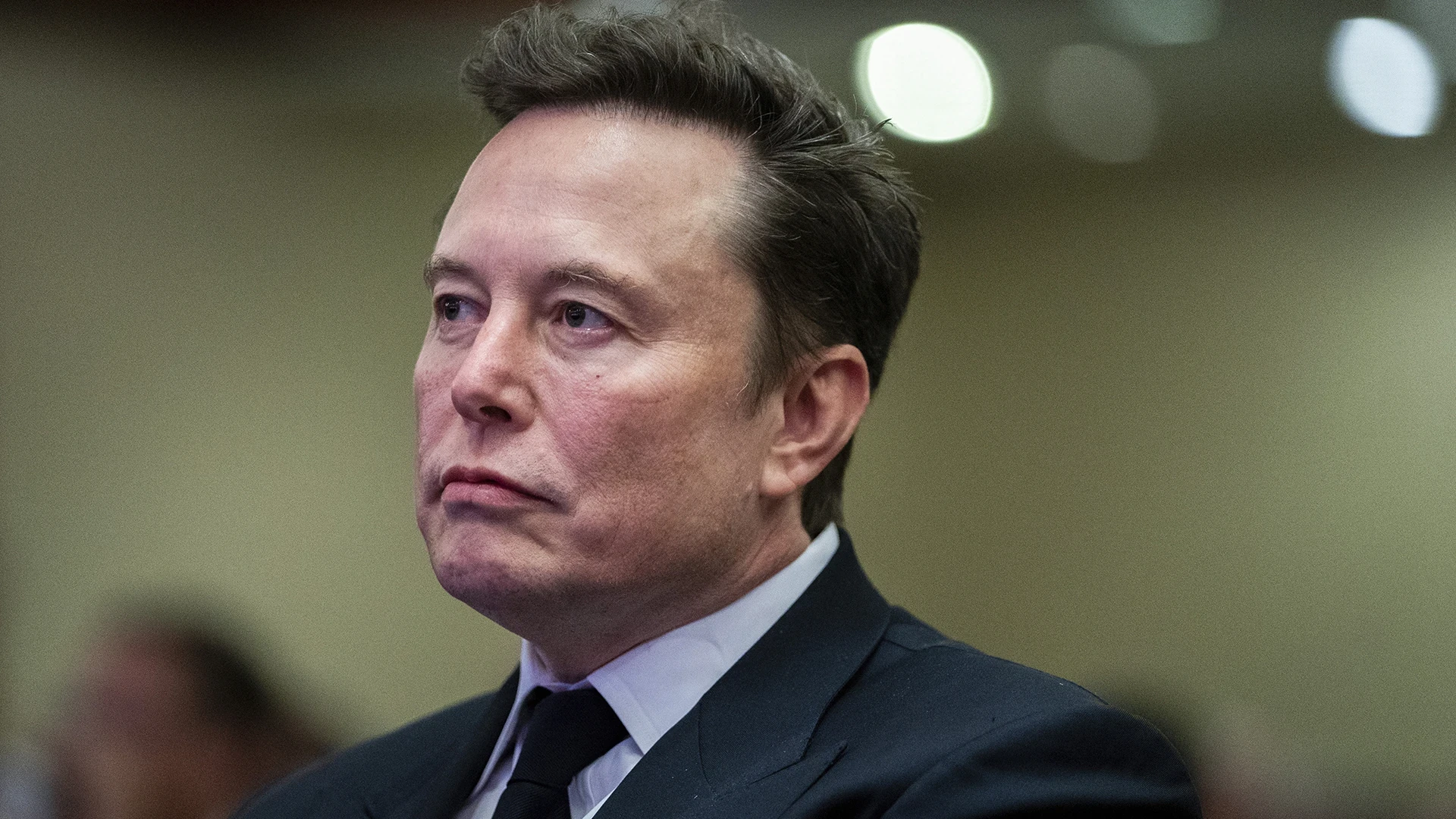
The latest scandal surrounding the X platform (formerly Twitter) and its owner, Elon Musk, has gone beyond a dispute over content moderation and escalated into a heated political confrontation. The trigger was the UK government's intention, led by Keir Starmer, to consider banning the social network in the country.
The official reason is accusations that the artificial intelligence Grok, integrated into X, is generating inappropriate content. However, experts see a deeper and more personal conflict at play.
Analyst Sergey Dik stated on the program "Aktualnoye Interview" that the roots of the standoff lie in Starmer's past, who, as Crown Prosecutor, actively prosecuted users for their social media statements.
"Elon Musk has long criticized Keir Starmer, reminding him that under his leadership, the UK became the leader in Europe in the number of prosecutions (including imprisonment) for online posts. The figures Musk himself published indicate more than 12,000 cases," noted Sergey Dik.
The analyst points out the selective nature of London's approach. Musk's platform was targeted, while other messaging apps and social networks whose AI bots (such as Gemini or ChatGPT) have similar functionality are not subject to the same harsh criticism. As evidence, Musk reposted a deepfake image of Starmer, created using competitive neural networks, demonstrating that the problem is not with Grok. "This isn't about freedom of speech in the true sense. We see other platforms selectively blocking content, for example, related to Russia. While demanding transparency from Musk, they themselves operate with double standards: 'Publish our information, but we won't allow yours,'" explained Sergey Dik.
According to the analyst, Pavel Durov (the founder of Telegram), who himself faces pressure while under house arrest in France, also spoke out in support of Musk. Sergey Dik recalled instances of pressure on Pavel Durov by French intelligence services during the elections in Romania and Moldova, when he was "advised" to present information correctly.
Experts agree that for Keir Starmer, this conflict is an attempt to score political points amid low approval ratings and foreign policy failures.
Starmer needed a "small victorious war" with a very public figure. Musk is ideal: he is influential, has a media presence, and represents the opposing, right-wing conservative camp, supporting Trump and European Right-wing populists.
The attempt to involve Australia and Canada in the discussion about banning X appears to be a desire to form a coalition, but even former British Prime Minister Liz Truss, whose brief tenure in office was brief, has defended free speech and Musk, which only underscores the political nature of Starmer's attack.
A separate issue is the American businessman's right to interfere in the politics of sovereign European states. According to Sergey Dik, Musk's status as the richest man in the world (with a net worth estimated at $700 billion) and his ambitions as a global influencer give him this right.
"His capital and projects, whether it's exploring Mars or infrastructure initiatives, give him the feeling that he can influence the minds of citizens and advise the leaders of leading countries." "He adheres to a right-wing conservative agenda and wants to dominate the information space, competing with the dictates of Brussels and Washington," the analyst emphasized.
According to the expert, there will be no clear winner in this media war. It is a struggle for control of the information space and the interpretation of free speech. However, the conflict clearly highlights the inherent weakness of Starmer's position. The Guardian is already predicting that Britain may have a new prime minister in 2026.
"Starmer's days are numbered. This is his last chance to cling to the news agenda, but his attack on Musk is more a sign of agony than strength," concluded Sergey Dik.