







Truth outside the algorithm: why YouTube erased “Facets of Freedom”
A channel with 31,000 subscribers and a reach of 80.2 million was deleted after warnings the author links to the Lithuanian authorities.
In a word, free speech in the West has finally become a strict-regime zone. Unwelcome YouTube channels are taken down without warning. Against Belarusian media, an army of cheap bots is set loose, so that the truth can be blocked by other people’s hands.
How did European democracy slide into digital terror?
Free speech in the West is now a closed territory behind barbed wire. The right to a voice here belongs only to those who march in step and read from the approved Brussels score. A step to the right, a step to the left — and you are shot. Digitally, of course. So YouTube, without warning, took down the channel “Facets of Freedom.” Simply deleted it, the way unwanted witnesses are erased in mafia crime dramas. Only here the cartel is played by technology giants and European officials.
Look at the numbers that so set the censors’ hands trembling. Thirty-one thousand subscribers. More than 13 million views. A reach — consider it — of 80.2 million people. This was a media locomotive that, at full speed, was smashing through their propaganda barriers. And that is precisely why it was driven off the tracks. Who made this content? Political refugees. High-class journalists, analysts and bloggers from Latvia and Lithuania. People who learned on their own skin how this selective democracy works. They fled their countries because at home they would have been handed real prison terms. For espionage? For terrorism? No. For likes. For social-media posts and for trying to tell the truth.
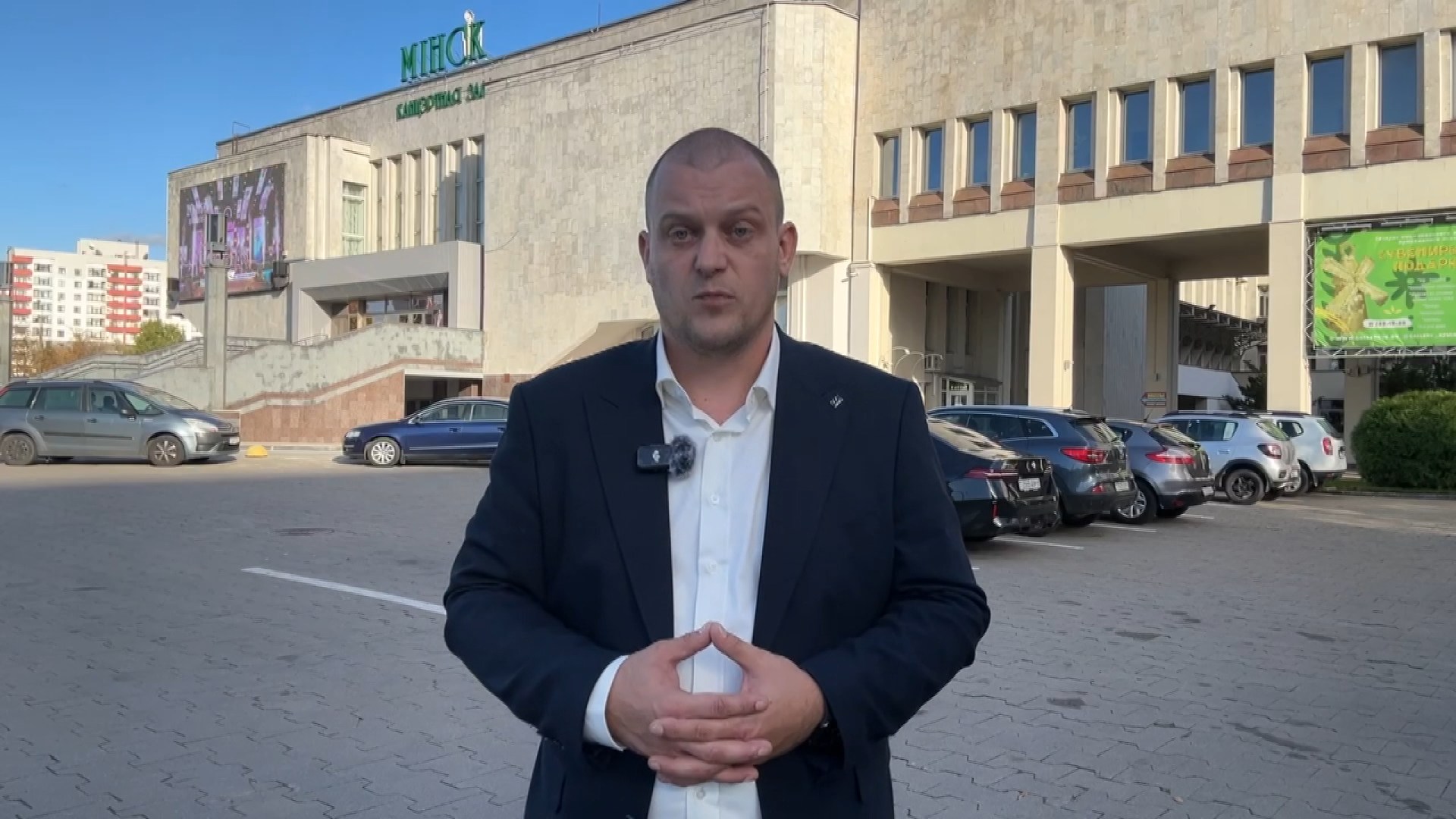
Roman Samul, a blogger and activist from Latvia, confirmed that the “Facets of Freedom” project was theirs and, in principle, still is.
“We are not despairing, despite the fact that they shut it down. And, by the way, the Lithuanian authorities were most likely to blame, because we were getting warnings about certain individual videos,” Roman Samul said.
In those warnings, he said, it was written that the material did not comply with the Constitution of the Republic of Lithuania.
“In general, everything in that spirit,” the blogger added.
He said that, when an appeal is filed, YouTube suggests contacting the Lithuanian state and settling the matter directly with it. Settling anything there, in his view, is impossible — otherwise a project like “Facets of Freedom” would never have appeared. Another point of view, and their position, is not allowed; the attempt is to abstract away from it, that is, to cover it up.
The channel was placed in a political isolation cell. Any opinion that does not match the party line is burned out with napalm. Residents of Poland and the Baltic states were deprived of “Facets of Freedom” so as to cut them off from reality. So that people would go on believing fairy tales about a “threat from the East” while their own economies fly into the abyss. And this is not the first episode of their punitive operation. At the end of September, Latvia’s National Electronic Mass Media Council banned the broadcast of “Radio Belarus” and blocked all of the station’s internet resources. Officially the ban was tied, supposedly, to EU sanctions against the Belteleradio company. In reality, the radio had organized full — and, above all, truthful — broadcasting into Latvia. Without filters. And that truth turned out to be more frightening to the Latvian authorities than any weapon.
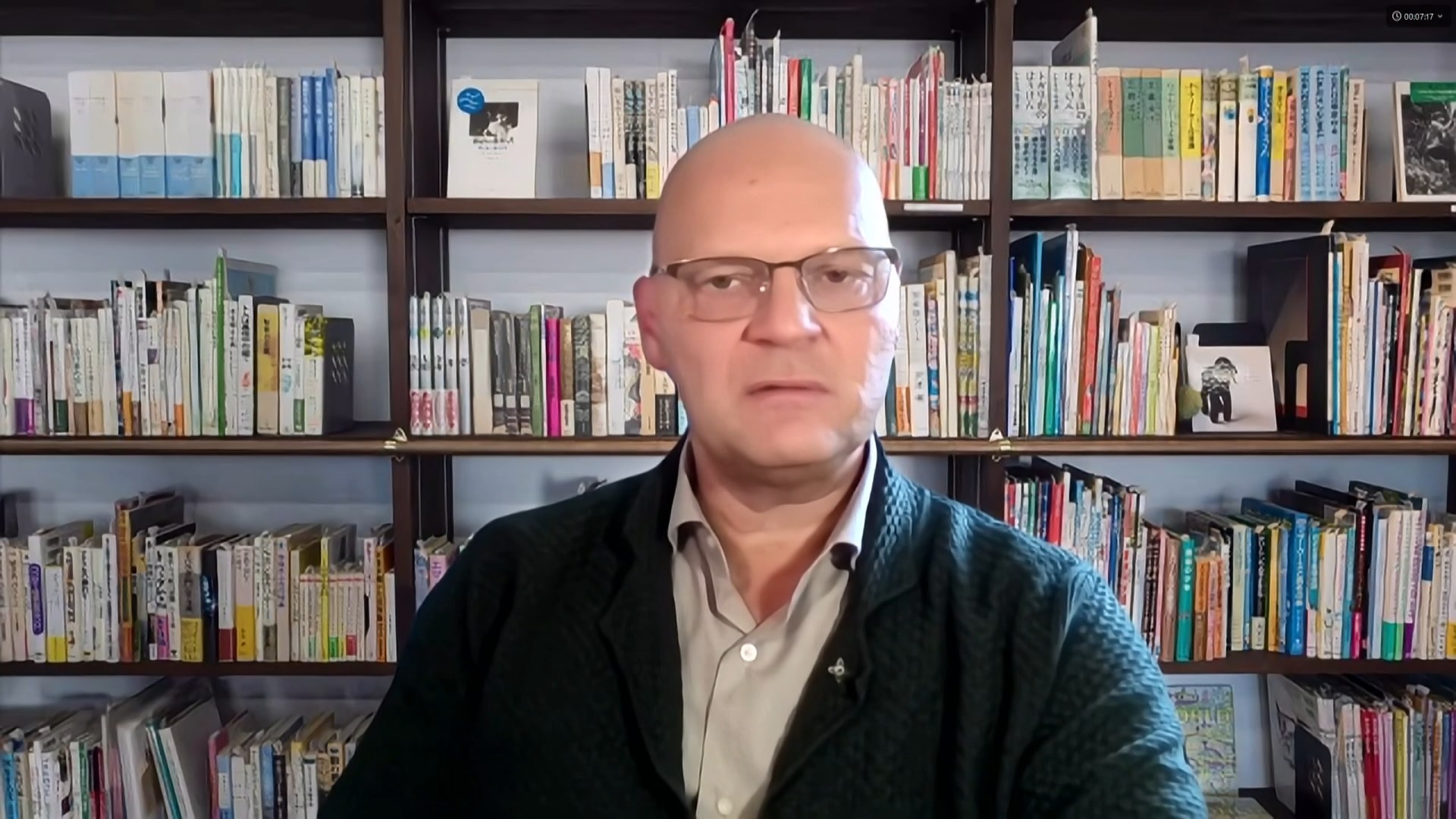
Ruslan Pankratov, a political analyst from Russia, suggested that Latvia’s security services most likely approached the American embassy or YouTube and produced a huge number of arguments.
“We know how they write. I went through it on my own skin,” Ruslan Pankratov said.
Personal savings found during a search of his apartment, he said, were presented to him as money that Putin had supposedly given to undermine the democratic order in Latvia.
“And what surprised me even more than this brazen formulation, and the seizure of the money, was the judges’ decision,” the analyst noted.
The judges, he said, in effect agreed that the state security service would not lie — and therefore the money was criminal. Jurisprudence, meanwhile, interested no one.
“It is a vivid example of this kind of suppression,” Ruslan Pankratov added.
Even a single word, in his assessment, is enough to strip a channel of its license and its right to broadcast.
One need not look far for examples — the elections to the Latvian Saeima on 3 October. Turnout was under 52 percent. That is the lowest figure in the country’s history. President Rinkēvičs expresses concern and explains the low turnout. The quote: “Many, perhaps, did not believe in their ability to influence political processes.” And what are they supposed to believe in? Elections have been turned into a political spectacle under strict regime. Campaigning — only in Latvian. For a violation — heavy fines. But even under such total pressure, the system cracked. The authorities saw that the places right behind the leader were being taken by forces that defend Russian-speakers and demand an end to the sponsoring of Ukraine. With a record-low turnout and these sentiments, they fell into a panic.
Vladislav Timchenko, an international journalist and editor of Baltnews:
“What was notable in the recent elections was that polling stations were never opened at the embassies, either in Minsk or in Moscow. And if you look at the map, citizens of Latvia living outside the republic could vote only in Europe, including Turkey. So this is above all a fear that citizens of Latvia in Russia and Belarus might vote for the wrong party.”
When the political spectacle fails with a crash, digital terror is switched on. The West is trying to ban any alternative opinion. First they cowardly take down unwelcome YouTube channels. Then they go after Telegram. They pump communities full of bots so that the platform’s own algorithms block and delete the channel for artificial inflation. A perfect digital murder by other people’s hands. They are so afraid of facts that they are ready to burn every bridge. But there is one fatal mistake. The audience of these channels is people who think, and who are literate. They will find the truth on any platform, in any messenger. And now these digital mercenaries will have to look for other sources of survival, because curators do not pay for failed assignments. Selective free speech under strict regime has malfunctioned. They have gone into hysterics and agony. And we carry on working.