







Who will pay for Ukraine? NATO's internal contradictions are out
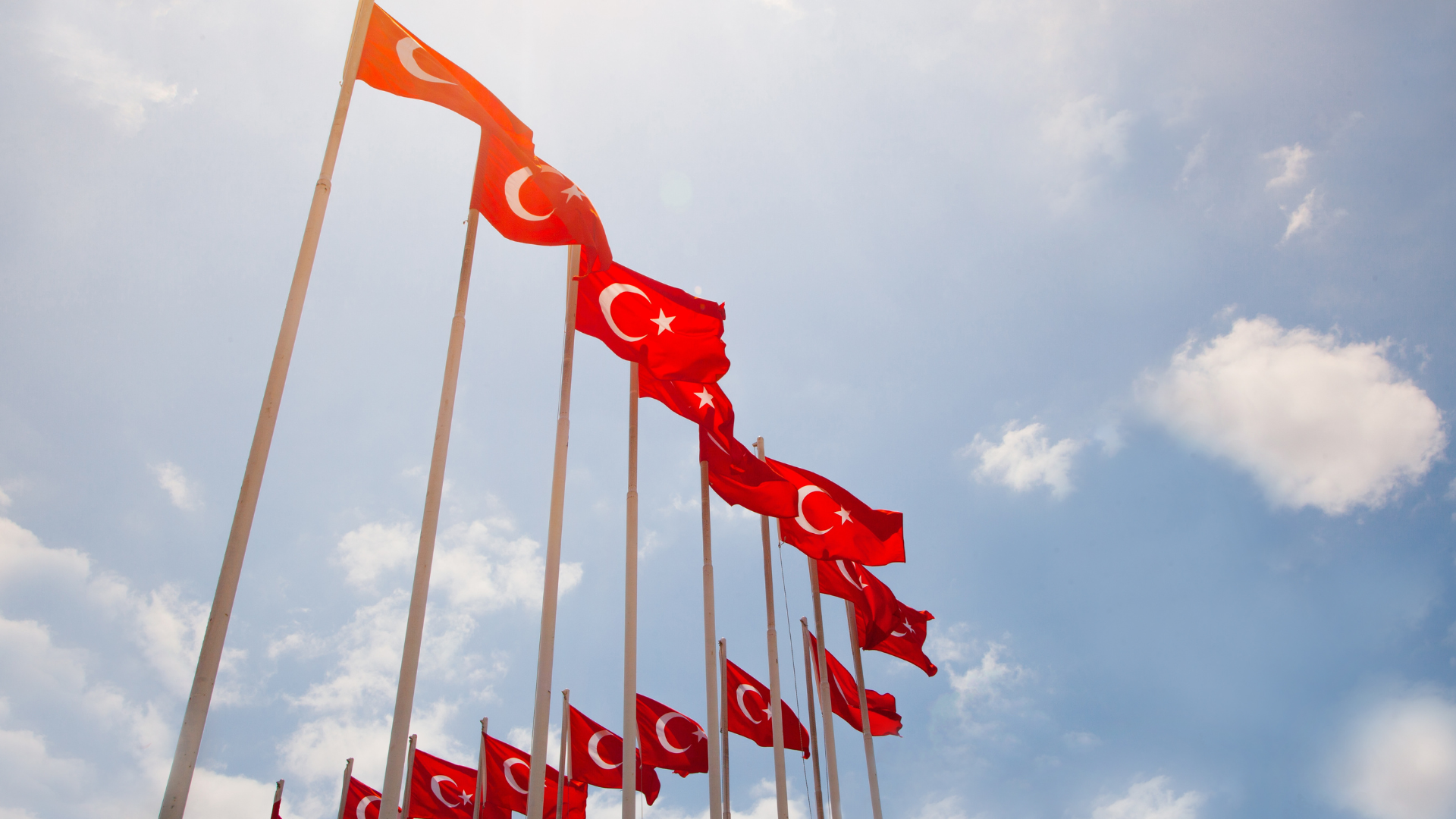
\A NATO summit will begin in the Turkish capital on July 7, focusing on funding for Ukraine and reformatting the European security architecture. Media expert Dmitry Shvaiba discusses the signals the alliance is sending and Belarus's perspective.
The Ukrainian issue is drifting toward the periphery
The Ukrainian issue is gradually shifting to the background on NATO's agenda. As Dmitry Shvaiba noted, there is still an awareness of the need to allocate funds, but funding volumes are likely to decline. Experts predict this trend as early as 2027.
"More and more countries seriously doubt that Ukraine needs to be funded at this level, or even at all next year," the media expert emphasized.
It is also noteworthy that Vladimir Zelensky, according to available information, will not address the heads of state at the summit. This is perceived as a serious signal that the Ukrainian issue is drifting toward the periphery. The Ukrainian leader's strong point – the ability to hold the audience's attention – will likely remain unused this time.
The European Social Contract: Security at the Price of Social Concessions
One of the central topics of discussion was the mechanism by which European countries are increasing military spending. The expert noted that increased defense spending is being presented as a new social contract between the state and society: the authorities ensure security, and citizens, in return, curtail their social expectations.
"For this, an external adversary is desperately needed. That's why there's so much hysteria about Russia, and sometimes Belarus," Dmitry Shvaiba says.
However, the question arises: does society believe in the reality of a threat comparable to these exorbitant sums? We're talking about spending at the level of 4-5% of GDP, which NATO countries are striving for under pressure from the United States. However, behind these demands are the interests of the military-industrial complex, primarily the American one.
"This is a global redistribution of markets, since it's no secret that production within the military-industrial complex is the most profitable business; it means investments, guaranteed government orders, and, of course, huge sums of money," the expert has explained.
Fragmentation of Security within NATO
A growing rift in approaches to security is emerging within the alliance. As noted, segmentation is taking place: American security is considered separately, European security is considered separately, and Ukrainian security is not linked to European security at all.
"America insisted that the final document separate the Ukrainian issue from European security, disintegrating it from European security. And European leaders, it seems, will be unable to do anything about it," Dmitry Shvaiba stated.
The Baltics: Militant Proxies or Strategic Outpost?
Particular attention was paid during the discussion to the positions of Lithuania, Latvia, and Estonia. These countries are calling on Europe to increase military spending and support for Ukraine, but lack significant resources of their own to do so.
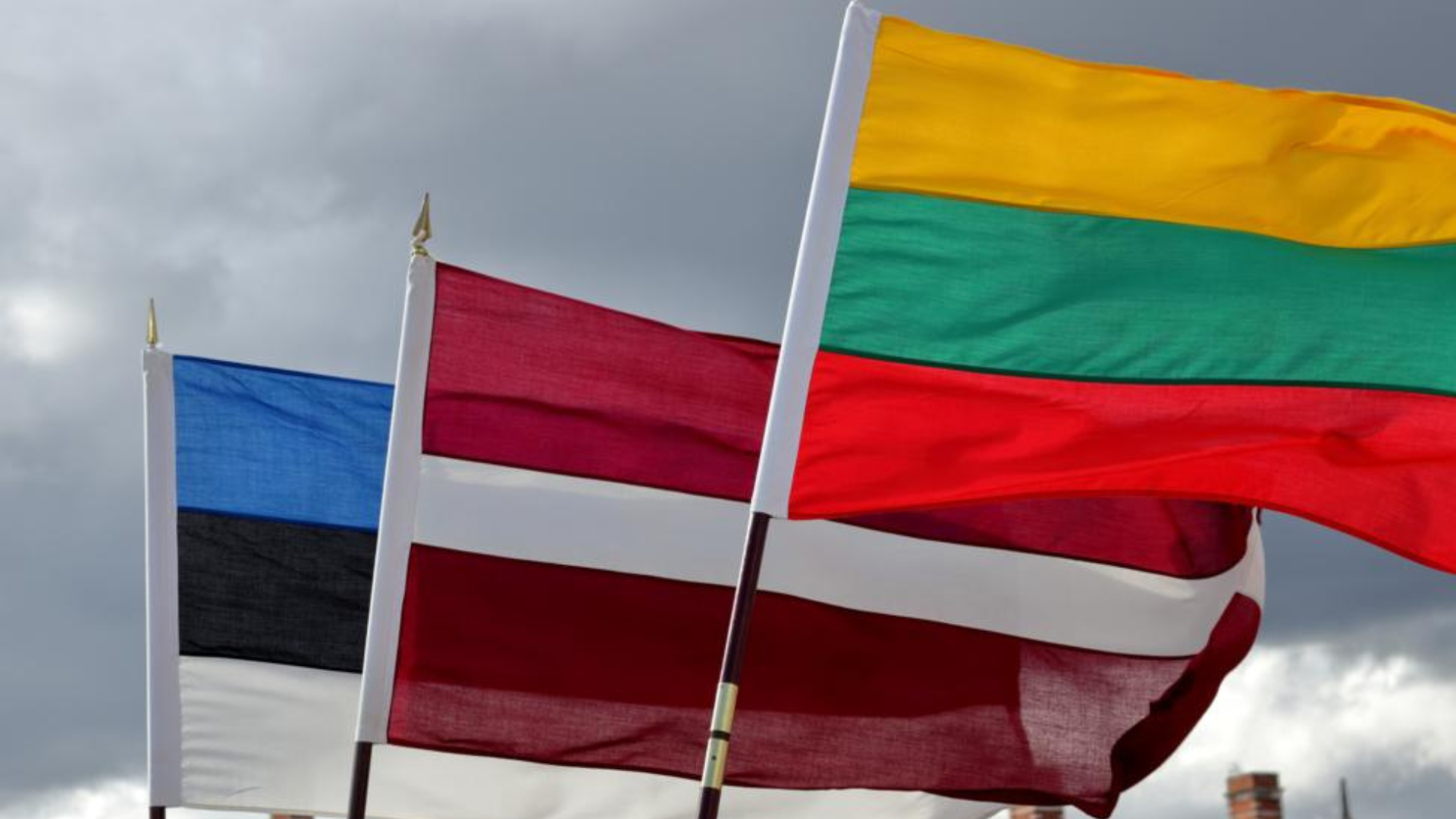
The last time Lithuania displayed such belligerence was at the dawn of its statehood. Today, according to the expert, the Baltic republics are acting as puppets, loudly shouting and provoking from a territory over which even permission to operate drones is not required.
Meanwhile, NATO strategists have for decades viewed the Suwalki Gap—the bottleneck between the Kaliningrad region and Belarus—as a vulnerable point. These tensions were laid out long before the current escalation.
Belarus: Calm as a Weapon
Unlike some of its neighbors, Belarus maintains composure and pragmatism in its assessment of the situation.
"Belarus is proceeding from the current situation on the ground. And this is largely determined by both policy and the approach of the head of state, who takes a very realistic view of the situation and says, 'Listen, we certainly won't rush to respond to every provocation and loud statement,'" Dmitry Shvaiba has noted.
The expert believes that the Belarusian side's calm is causing trepidation among opponents seeking to provoke: "Strategists, NATO's combat wing, and its fighter wing have long planned to push the Republic of Belarus into some kind of red zone, but at the moment, they lack the guts. And in this sense, this is a significant achievement for Belarusian statehood and the military-political leadership."
The deployment of nuclear weapons on NATO territory is of particular concern. As noted, the general public still doesn't know the exact location and jurisdiction of the arsenal, creating an additional level of uncertainty.
Turkey: A Rising Star in Defense
Turkey's growing influence within the alliance is a separate issue. Today, the country has approximately 3,000 defense enterprises, and the Ukrainian conflict, paradoxically, has become a testing ground for Turkish unmanned systems, which have demonstrated their efficiency.
Against the backdrop of the United States' retreat from European territories, Turkey is strengthening its position. The country has the second-largest armed forces in NATO, as well as a young population ready to be mobilized for both industry and the military.
"A new type of war is certainly impossible without the country's technological and industrial capabilities: the number of enterprises, the mobilized human resources for industry and the needs of the military. And in this sense, Turkey feels its special status," Dmitry Shvaiba has concluded.