







Record Debts and Energy Costs Point to a Tougher 2027 for the Eurozone, Analyst Says
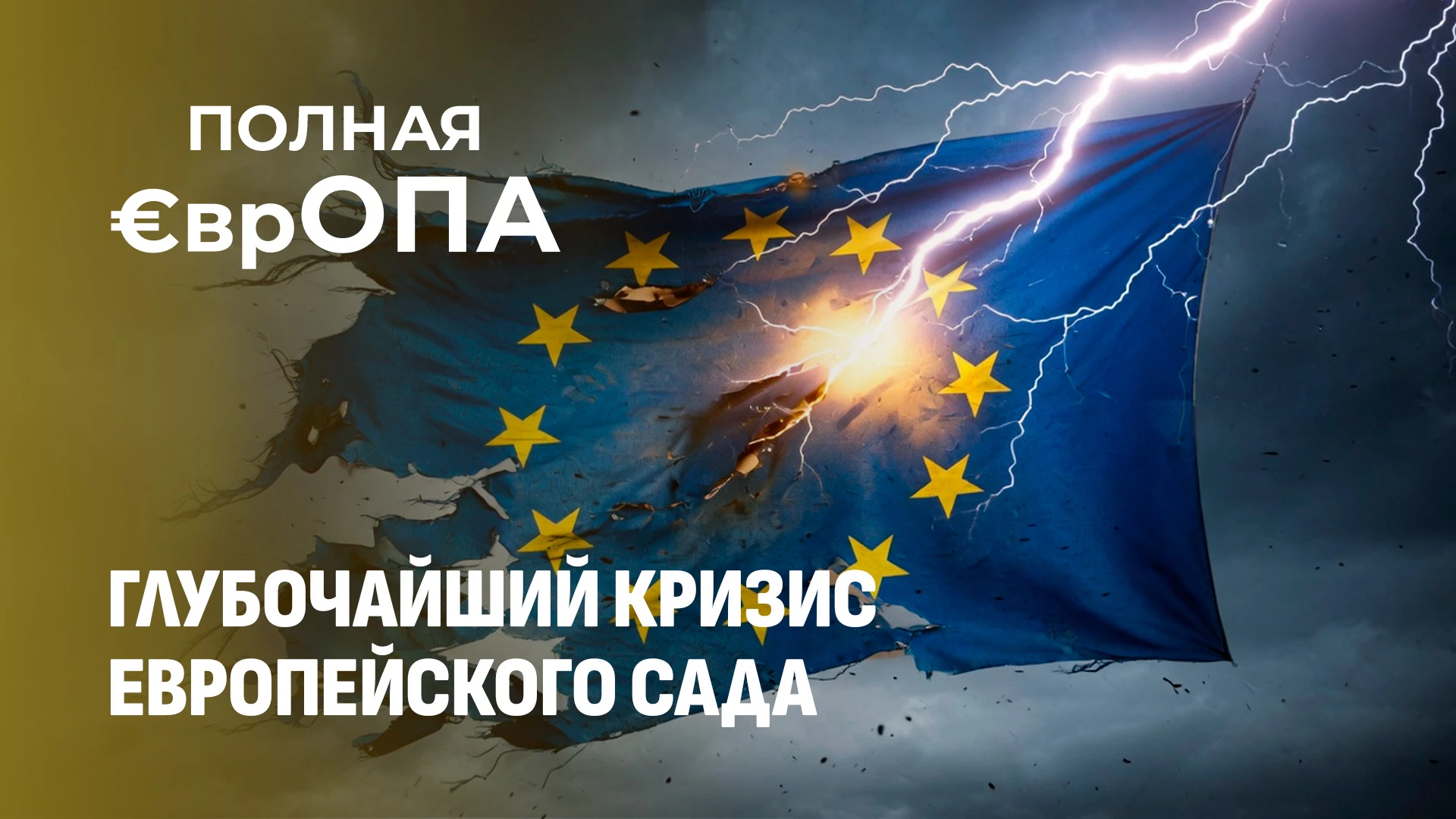
MINSK, September 15 (news.by) — Record public debt in the eurozone’s leading economies, unaffordable energy prices and disappointing inflation — even with regulatory mechanisms in place — point to a difficult period ahead for the bloc as a whole.
Nikita Maslennikov, an economist and leading expert at the Center for Political Technologies in Russia, said:
“The Europeans have extensive experience with all kinds of subsidies to households and citizens in order to bring energy costs down a little. But we all understand that this medal has a reverse side: state spending on that subsidization — on paying utility bills, as we would put it — naturally rises. And then all of that is added to public debt. Public debt means extra inflation and, as a rule, a further slowdown in economic growth. So you will get through this winter, this autumn, even the spring. But what happens next year to your public finances? Today, 16 countries are already above the benchmarks that were officially approved as a foundational rule of the European Union.”