







Residents at "Great Stone" and new sister cities: Belarus-China Forum held in Lanzhou
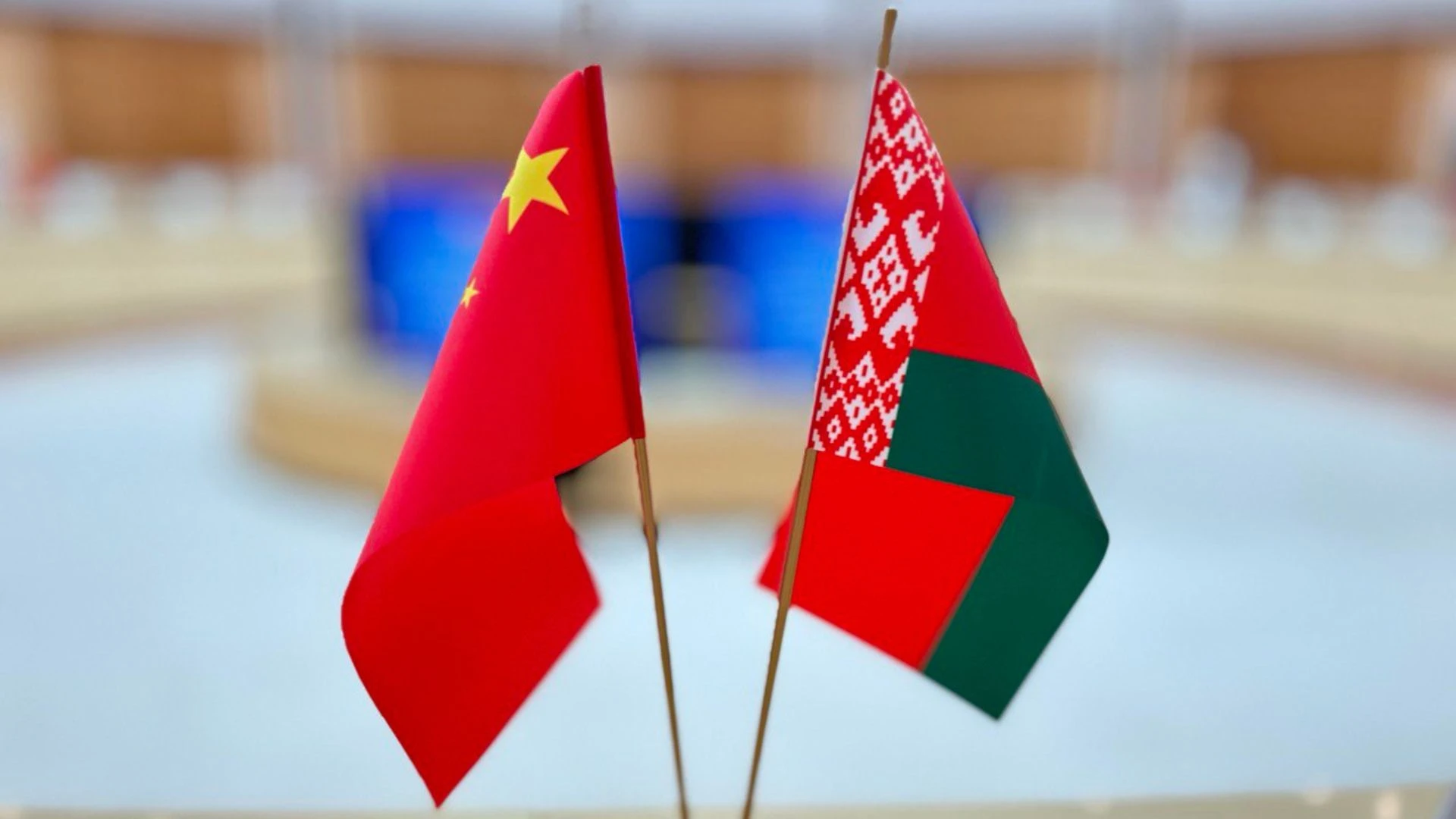
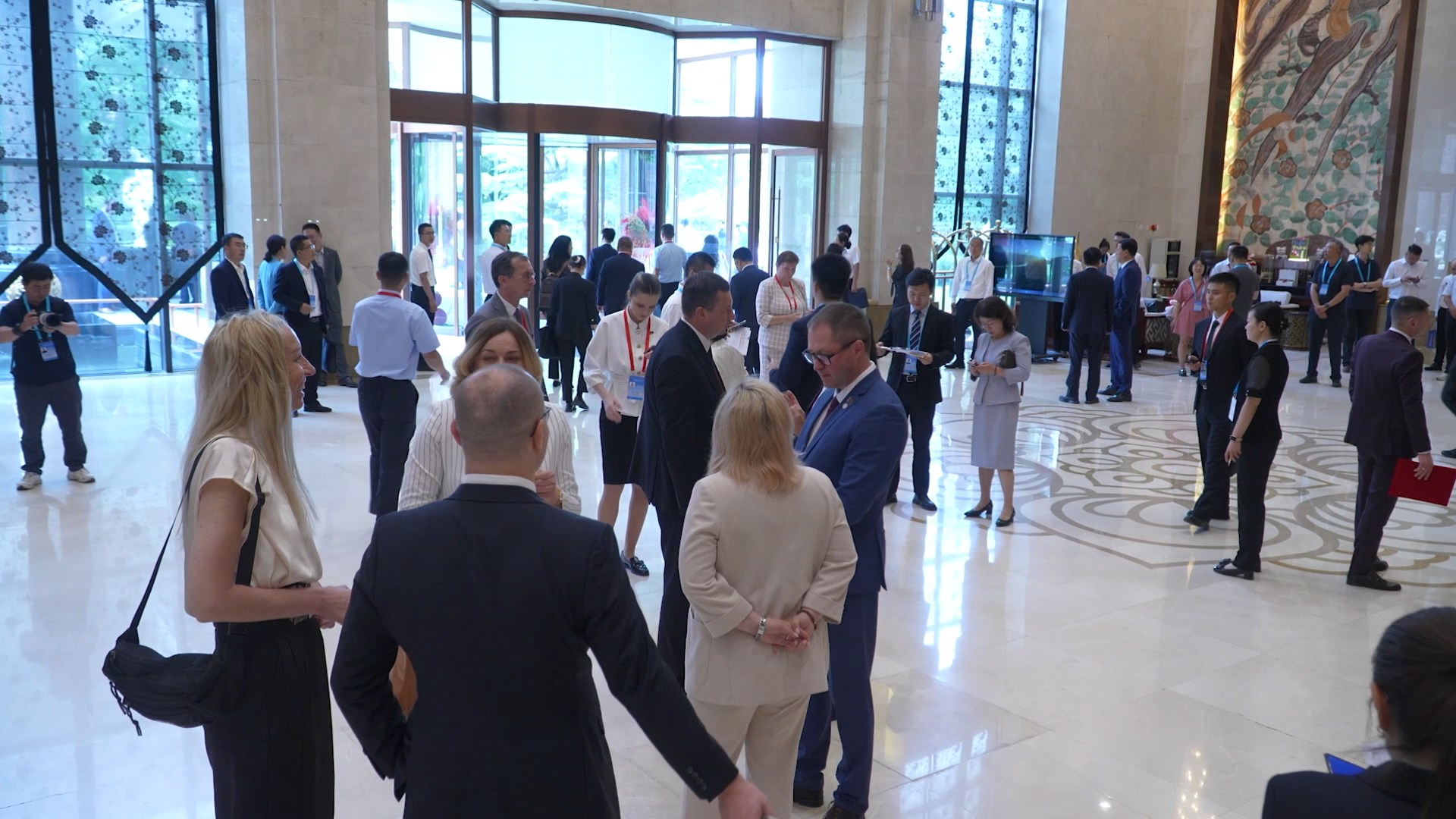
This week in Lanzhou, Belarus and China wrote a new page in the annals of bilateral relations. The historic first interregional forum allowed us to take a fresh look at the all-weather dialogue between Minsk and Beijing.
The practice, developed over the years with Russian colleagues and CIS partners, of meeting directly between regions is a trend that yields tangible practical results.
Gansu Province, with its capital, Lanzhou, was not chosen by chance for the first forum of regions. As with everything related to China, it holds a special philosophical meaning. The territories of Belarus, like this Chinese province, have historically been crossroads between civilizations - Gansu was a bridge between China, India, Central Asia, and the Middle East. Today, we are connected by the New Silk Road. The province is one of the points on the map from which container trains depart for and through Belarus.
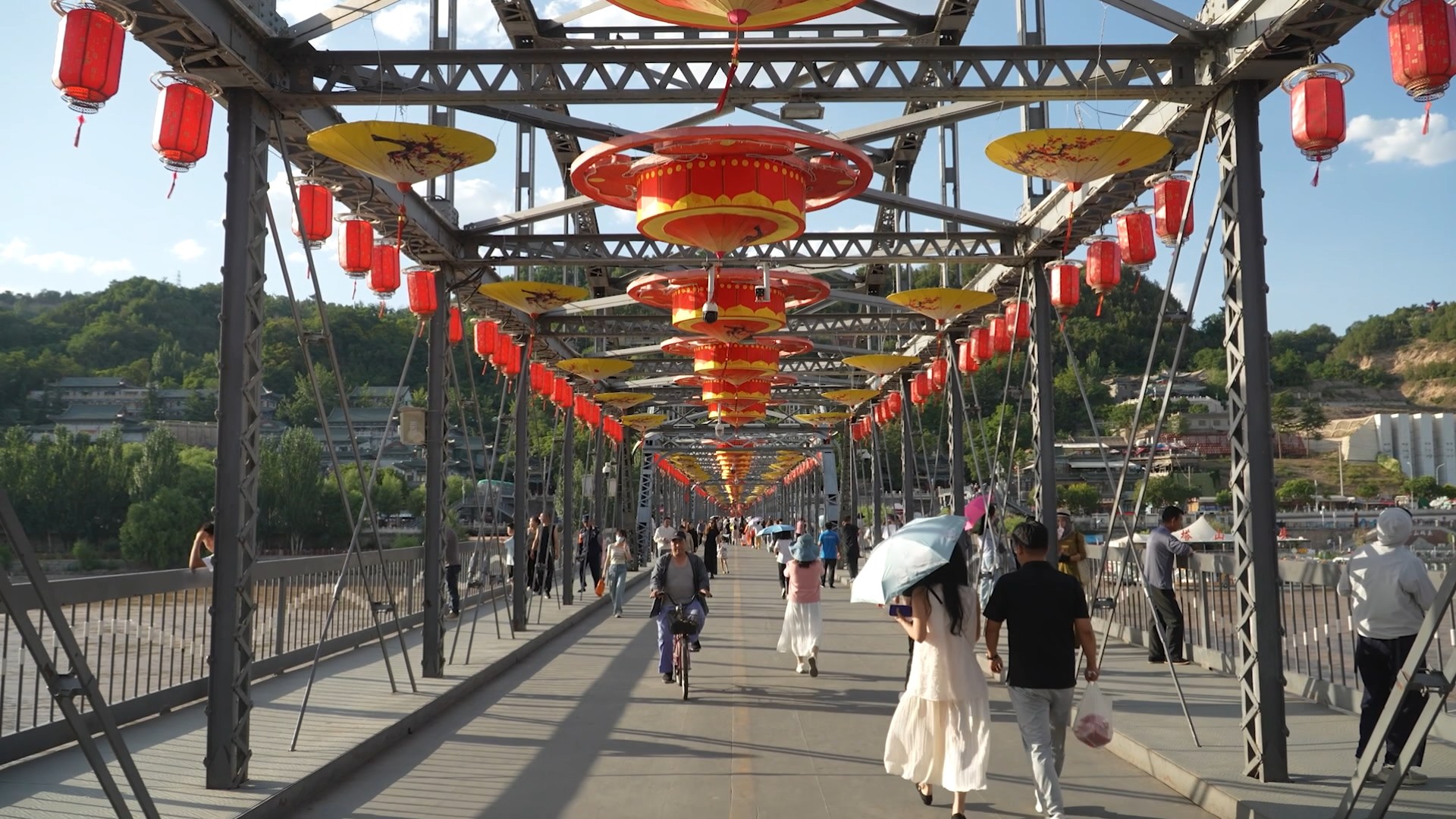
Preparations for the first Forum of Regions began long before its date. It was important to imbue it with practical meaning, as it involved new agreements and contracts. As a result, several contracts were signed for investments totaling approximately $1 billion. This is a good benchmark for the first such event between the two countries.
Nikolai Snopkov, First Deputy Prime Minister of Belarus:
"The President of Belarus's directive on developing cooperation with China is to shift from the 'center-to-center' principle to the 'region-to-region' one, because all work is done not in government buildings, but in the regions. And the insistent recommendation, long voiced by Chinese President Xi Jinping, to reach out to the regions and deepen interaction with them is being implemented and supported by all political and economic circles in China."
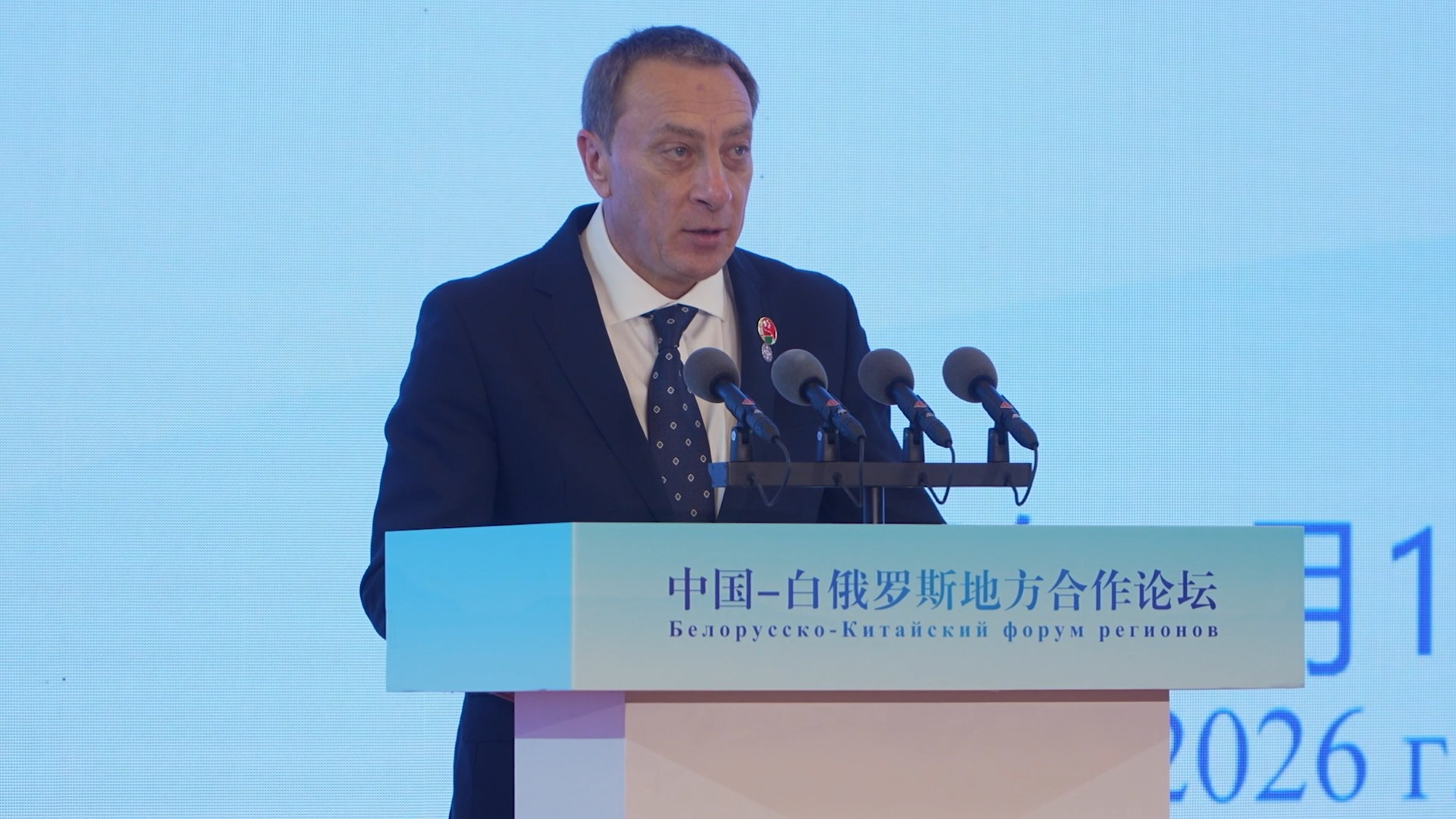
The forum's participants were broad in scope - 23 Chinese provinces, all regions, and the capital of Belarus. The platform provided an opportunity to identify key priorities for cooperation. One of these is the collaboration of competencies and advantages between China's scientific school, technological and raw material base, and Belarus's advanced mechanical engineering, agricultural technologies, IT sector, and industrial cooperation experience. Why compete when there's a historic opportunity to combine each other's strengths, especially since the necessary infrastructure already exists? It's enough to recall the pearl of the Silk Road - the flagship project of the two countries, the China-Belarus Industrial Park "Great Stone."
"The Forum of Regions yielded new and interesting proposals. One of these is enhancing the role of industrial parks in enhancing the applied format of cooperation between Belarus and China. A new mechanism was also proposed-industrial parks plus sister regions. This is a new model for us, which we will definitely master. I am confident it will bring effectiveness to our cooperation," emphasized Tatyana Kharlap, head of the administration of the China-Belarus Industrial Park "Great Stone." Of course, the role of sister city ties in strengthening interregional cooperation is also worth noting. This is the foundation that allows us to deepen cooperation today. The Grodno Region and Gansu Province have been sister cities for almost 20 years. This forum was an important milestone in the relationship between the administrative centers of the two regions.
Andrei Khmel, Chairman of the Grodno City Executive Committee:
"China is a promising key region for developing trade and supplying Belarusian products, particularly those from Grodno enterprises. Signing sister city agreements will bring the cities closer together, allowing us to reach a new level of cooperation. We currently have four sister city agreements in China. During the forum, we signed two sister city agreements with Suining in Sichuan Province and Lanzhou in Gansu Province. Previously, we signed agreements with Lunan in Gansu Province and Haikou in Hainan Province." Building not just trade flows, but shared meanings is the strategy of the iron brotherhood between the two countries, which is why humanitarianism has become one of the key vectors of partnership. Joint educational programs, tourism and health and wellness projects, and people-to-people connections are the foundation of trust.
Chen Yuzhu, Deputy Director of the Cultural Heritage Administration of Gansu Province (China): "The forum is a practical initiative within the framework of the joint construction of the Belt and Road Initiative, which unites the cultural resources of China and Belarus. Cultural institutions and museums of Gansu Province plan to further deepen cooperation with Belarusian partners, establish partnerships, and create new platforms for international cultural exchange."
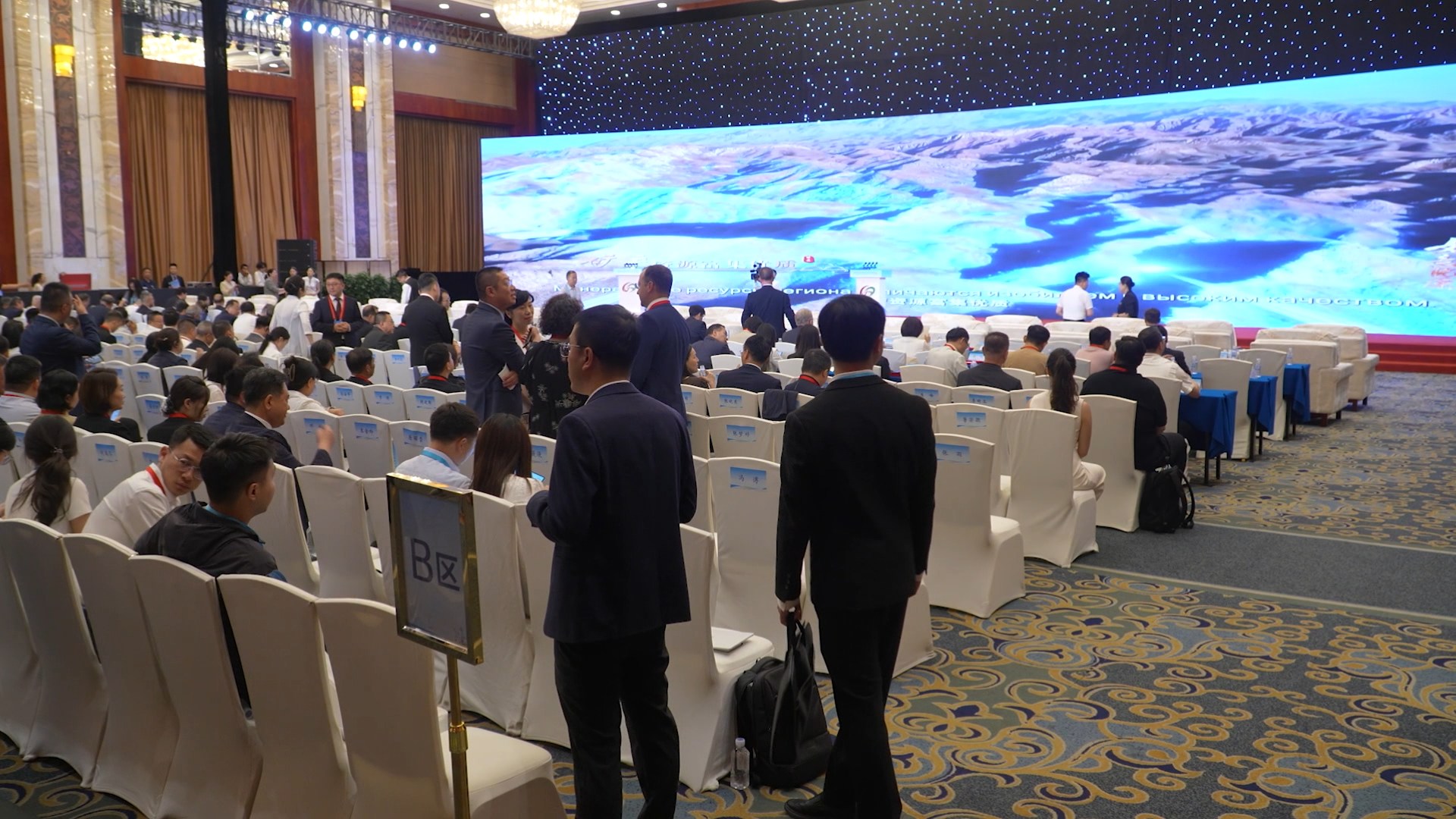
The agenda of the first Forum of Regions allowed for a comprehensive and multifaceted look at bilateral relations between Belarus and China. In addition to the plenary discussion, rich thematic sections and separate B2B negotiations were held.
Overall, dozens of agreements were reached.