







A Capital of Balance: Why Minsk Stands Out in Worldwide Cost of Living Rankings
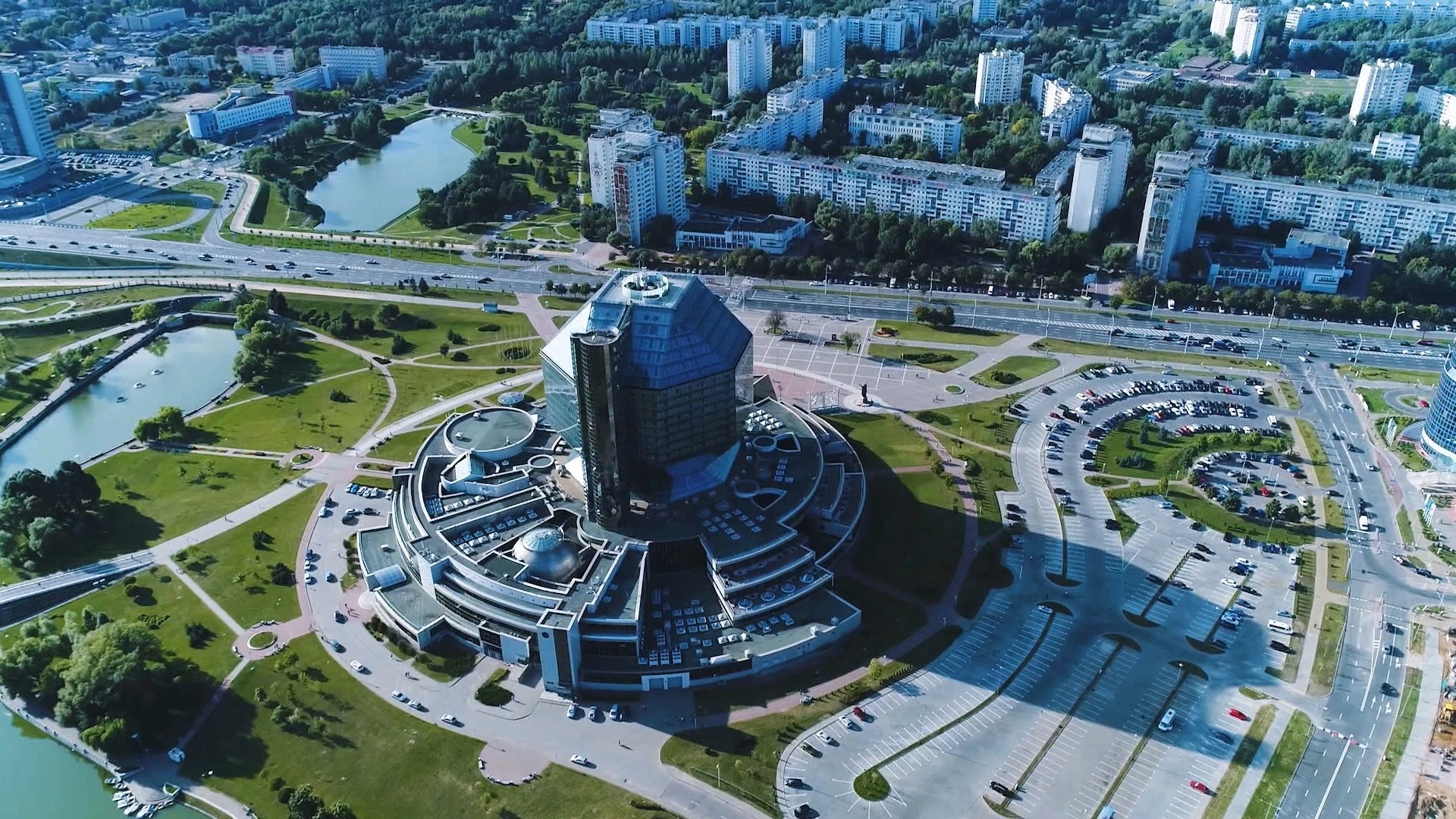
When young professionals look toward the future, they evaluate not only career opportunities but also the quality and affordability of daily life. In this regard, the capital of Belarus has every reason to take pride in its position. A recent global ranking by the analytical service Numbeo has placed Minsk among the most economically accessible major cities in the world.
The ranking evaluated more than five hundred metropolises across the globe, with the primary criterion being the cost of everyday living — from grocery bills to utility payments. According to this index, Minsk stands out as one of the most attractive options on the continent in terms of the balance between earnings and expenses.
At the very top of the list sits Zurich, consistently ranked as the most expensive city in the world. With its world-renowned banks, luxury boutiques and high-end lifestyle, the Swiss financial capital requires an average daily budget of around two hundred dollars per person. Eight Swiss cities made it into the global top ten, followed by George Town in the Cayman Islands and Honolulu in Hawaii.
Minsk, by contrast, took 455th place. This position indicates that the cost of living in the Belarusian capital remains significantly more accessible compared to most major cities around the world — welcome news for household budgets.
The ranking is based on a comprehensive cost of living index that takes into account housing, food, transportation, leisure, clothing, healthcare and education. When compared with neighbouring capitals, Minsk consistently shows the most favourable figures, particularly in housing costs and grocery prices. For example, the average grocery bill in Vilnius and Warsaw is approximately 1.3 times higher than in Minsk, while in Riga it is 1.4 times higher.
True comfort in a city is measured not by exchange rates, but by the accessibility of basic necessities for both residents and visitors. Minsk offers this accessibility while also providing high-quality education that is increasingly recognised internationally.
A vivid example is Tai Yixue, a young woman from China who is studying in Minsk under a joint intergovernmental programme. After completing two years of study in China, she continued her education at the Belarusian State Pedagogical University named after Maxim Tank, specialising in aesthetic education and music. She speaks warmly of the calm atmosphere of Minsk and her love for Belarusian dairy products.
Two other young women — Marzhona Ismatullaeva and Guliza Zhabborova from Uzbekistan — became the first graduates of a joint master’s programme between Belarus and Uzbekistan. After beginning their studies in Karshi State University, they completed their degrees in Minsk at the Belarusian State University of Foreign Languages. Both young specialists are now returning home with Belarusian diplomas and a strong desire to apply their knowledge for the benefit of their country.
They highlight the peaceful atmosphere, politeness and high level of culture they encountered in Belarus. Many foreign visitors share similar impressions. Since the beginning of 2026 alone, nearly one hundred thousand foreign citizens have visited the country. Through social media and personal accounts, they actively share their experiences, often noting the safety, hospitality and stability they found in Belarus — helping to break down old stereotypes and present the country as a place of genuine comfort and reliability.