







Armenia’s Export Crisis Deepens: Farmers Block Road, Fish Traders Rally in Yerevan
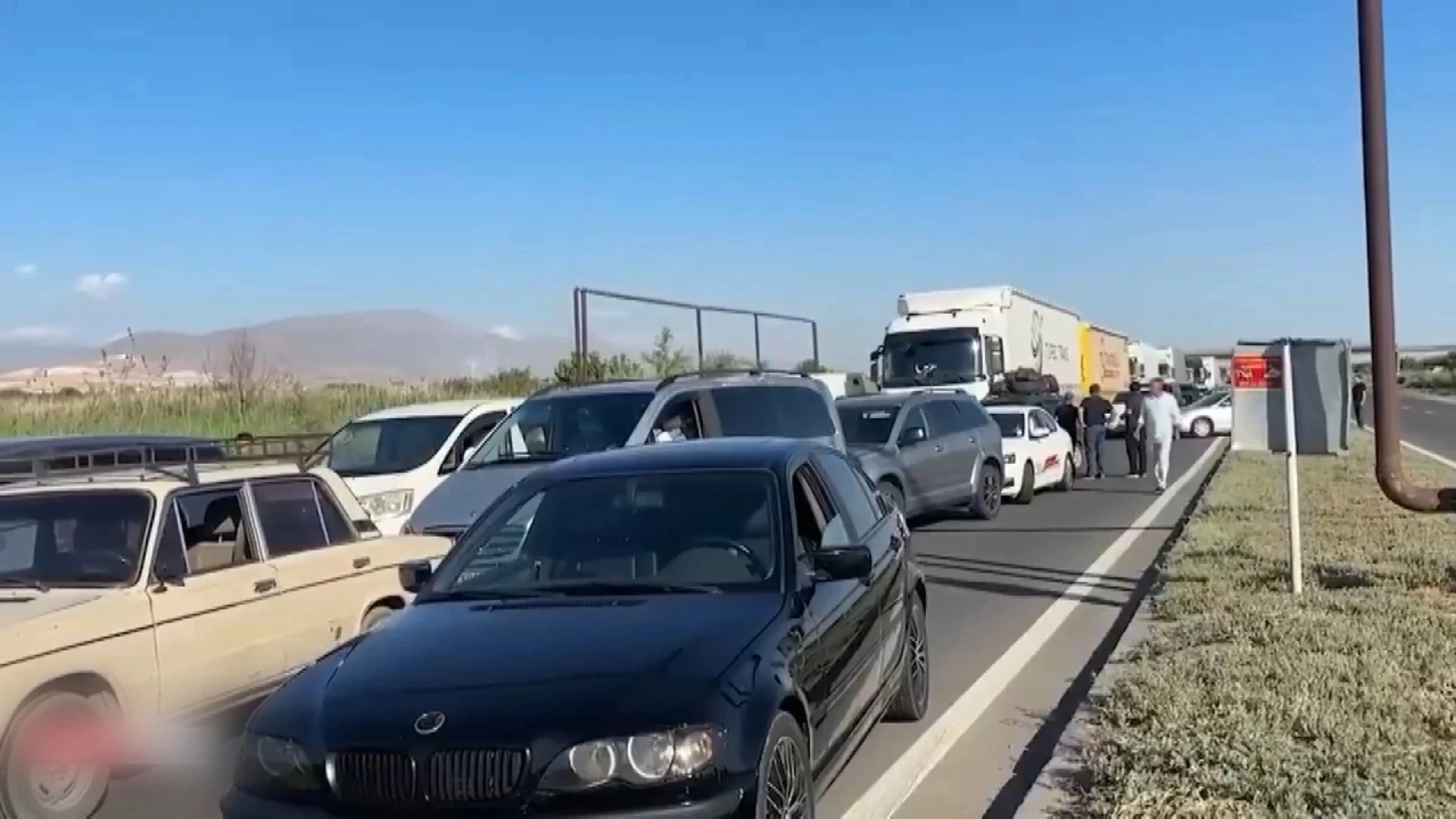
Yerevan, July 21, 2026 — Armenian farmers have blocked the international highway connecting Yerevan with Yeraskh, paralyzing traffic in what local media are calling the “tomato revolt.” The protesters are threatening more radical action unless the government resolves the crisis caused by large quantities of unsold and rotting produce.
The root of the problem is massive overproduction. This year’s harvest of tomatoes and cucumbers turned out to be exceptionally good. However, there is no market for the vegetables.
Processing plants have refused to purchase the produce, citing their inability to export finished goods. Exporting has become nearly impossible because Russia — Armenia’s main traditional market — has been closed to Armenian agricultural products since May 30.
During the election campaign, Prime Minister Nikol Pashinyan repeatedly promised that the loss of Russian preferences would not hurt the country and that other markets would easily replace Russia. The current reality, however, smells strongly of rotting tomatoes.
Fish traders have also taken to the streets. On July 21, they held a protest directly in front of the government building in Yerevan. The day before, the Ministry of Economy claimed that the European market was now open and that Armenian businesses had received the opportunity to export fish to the EU. Protesters dismissed the statement as false.
According to the demonstrators, the European market remains effectively closed, and not a single kilogram of Armenian fish has been exported to Europe so far. Experts explain that while the quality of the fish meets European standards, the industry is technically unprepared for such exports. Armenia still lacks electronic document management and a digital traceability system for cargo.
At the same time, fish production in Armenia has grown dramatically — from just 60 tons per year previously to 13,000 tons annually.