







Belarus Dairy Exports Hit $4 Billion Across 69 Countries as Asia and Africa Become Growth Markets
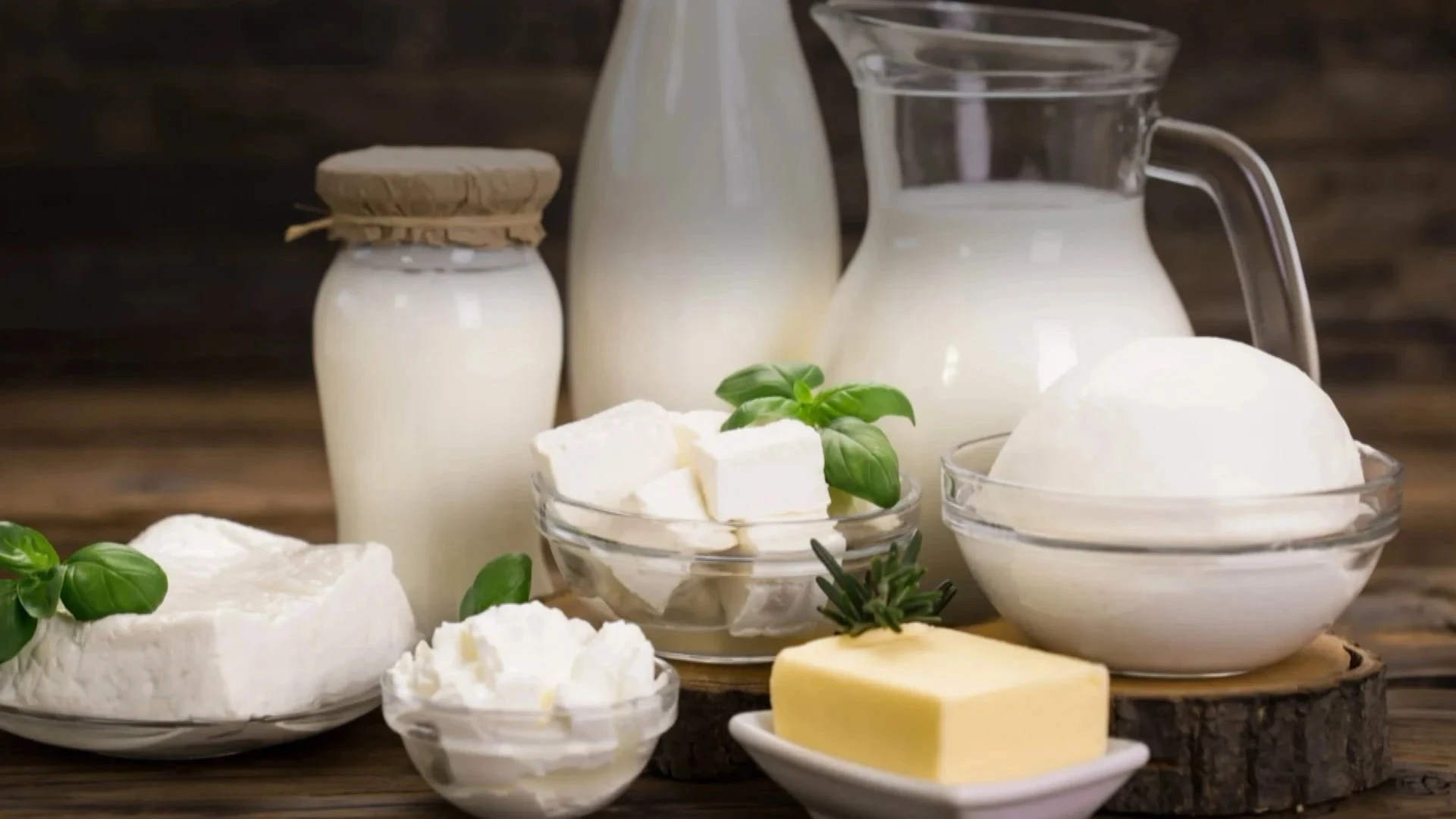
Belarus’ dairy sector produced nearly 7 million tonnes of milk in the first nine months of 2026, with exports reaching $4 billion to 69 countries and a clear shift toward Asia and Africa. The industry, backed by 1,703 modern complexes and high “extra”-grade milk quality, ranks among the world’s top exporters of cheese, butter and condensed milk while supporting food security with roughly a tonne of dairy products per resident.
The dairy industry for Belarus is not only milk yields and farms; it is food security and one of the country’s main export shields. In 2026, food exports may reach a record $11 billion, and a significant share of that will come from dairy products.
Production is growing: almost 7 million tonnes of milk and a historic yield record
Let’s start with the main indicator. In January–September 2026, agricultural organizations produced almost 7 million tonnes of milk — 2.8% more than a year earlier. Agricultural enterprises account for 97.9% of the total volume.
Stability of the herd — 1.3 million cows — is ensured by rising productivity. In June the average daily yield nationwide exceeded 20 kg per cow, which became a historic record.
Export model: $4 billion, 69 countries and a bet on Asia and Africa
But the key feature of the Belarusian model is its export orientation. Production of dairy products almost triples domestic consumption. In 2025, products worth $4 billion went to external markets, and the geography of supplies covers 69 countries. The assortment is almost 2,000 items. The strongest export positions are cheeses, which account for 45% of dairy exports, and butter.
Alexey Avdonin, Chairman of the Board of the Belarusian Society “Znanie”:
“The main thing is that we have learned to trade in modern conditions. They are very difficult: a high level of competition, problems with logistics, problems with payment transactions, but in these conditions we are showing high results: $11 billion, almost plus 20% compared with last year. These are colossal results. Previously we planned only exports, even 10 years ago — about $5 billion; now we have in fact doubled them and each time we outgrow by 20%. These are colossal results, but this is the enormous labor of our citizens, our science, technologies, enterprises.”
The geography is indeed changing. While the CIS and Russia remain the main markets, Asia and Africa are becoming growth points. Exports to China grew by 18% last year. In the summer the first shipment of milk powder worth more than a million dollars went to Indonesia. And West African countries in 2025 purchased Belarusian milk powder and ice cream worth $100 million.
Modernization and quality: 1,703 complexes and the “extra” grade
Behind the export figures is systemic modernization. The country operates 1,703 modern dairy commodity complexes, where more than 80% of milk is produced and more than 77% of the milking herd is kept. This year alone about 80 such facilities will be built or reconstructed. The emphasis is on automation — a task set by the President.
World rankings confirm: Belarus is a noticeable player on the global dairy market. In gross milk production the country ranks 13th in the world, but its real strength lies in efficiency and specialization. In exports of condensed milk and dried whey we are third in the world, in cheeses — fourth, in butter — fifth. And in milk production per capita Belarus is stably among the world leaders.
The quality of raw materials is also changing. Around 74% of the milk entering processing is of the “extra” grade. It is precisely this grade that ensures the quality of the finished product. The strategy for the development of the dairy processing industry for 2026–2035 provides not only for capacity growth but also for the mastery of innovative products. Plans include the production of lactoferrin, whey protein concentrates, and dried normalized mixes for cottage cheese and cheese.
Food security: a tonne of product per resident and 55th place in the world
Stable provision of food security is one of the key priorities of state socio-economic policy. Last year the country produced 9 million tonnes of dairy products — in fact, a tonne of quality product per resident of the country.
The Belarusian model of ensuring food security receives high assessment at the international level: in the world ranking we occupy 55th place among 113 countries. And this is far from the limit.