







Belarus Recognized as Country with High Level of Ecosystem Viability
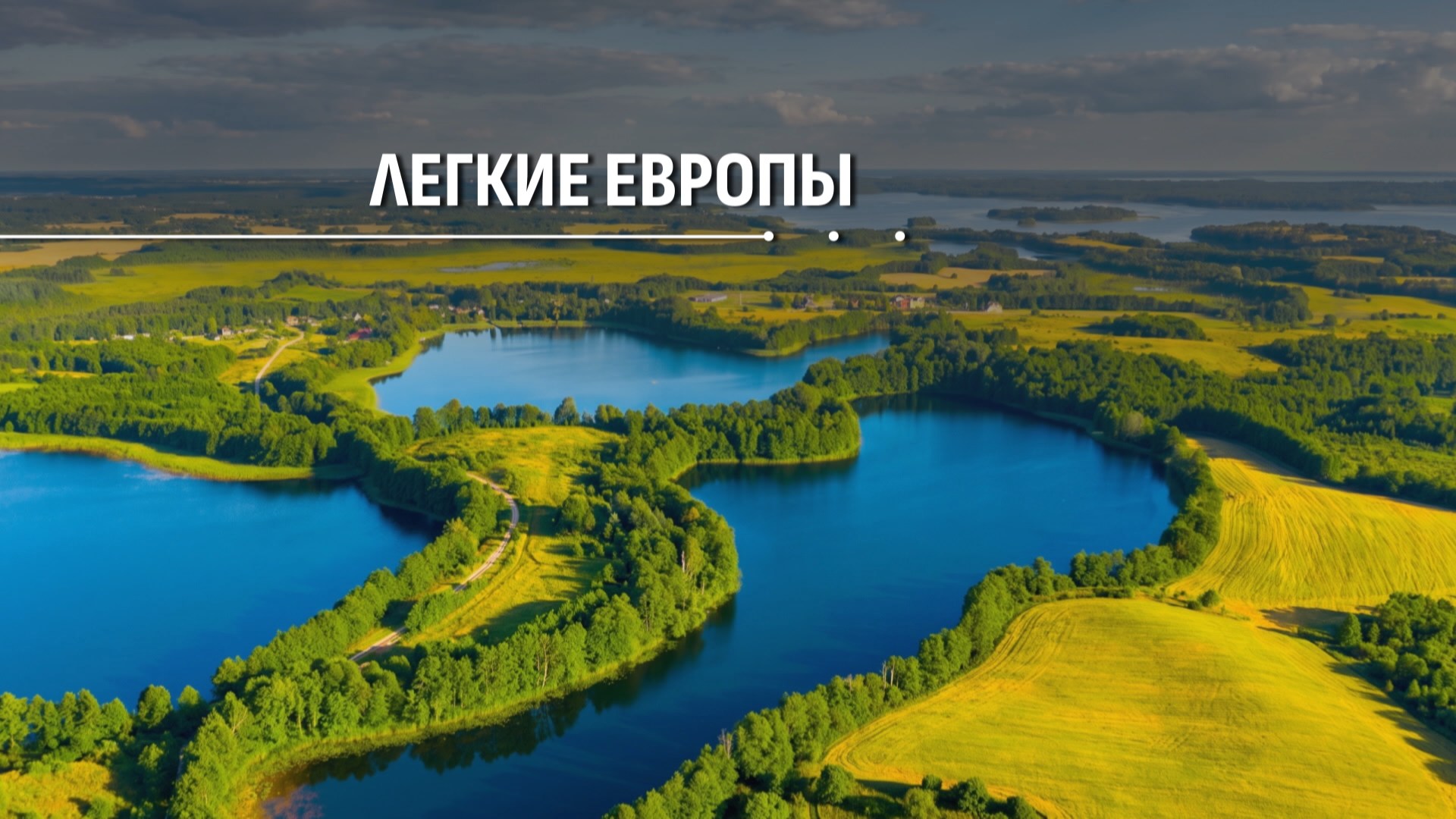
For Belarus, ecology is not a trendy topic, but a national priority. Clean forests, lakes, and parks are both a source of pride and responsibility. Over the years of independence, we have managed not only to preserve our natural resources but also to enhance them.
Forest area has increased by more than 1 million hectares, reaching a century-high. Today, it covers almost 10 million hectares—the country's lungs, requiring constant care and protection. But forests are more than just timber; they are complex ecosystems.
Belarus is a world leader in wetland restoration. Rewetting former peatlands maintains river flow, reduces the risk of fires, and preserves wildlife habitats. Up to 30,000 hectares of new forests are created annually in the country.
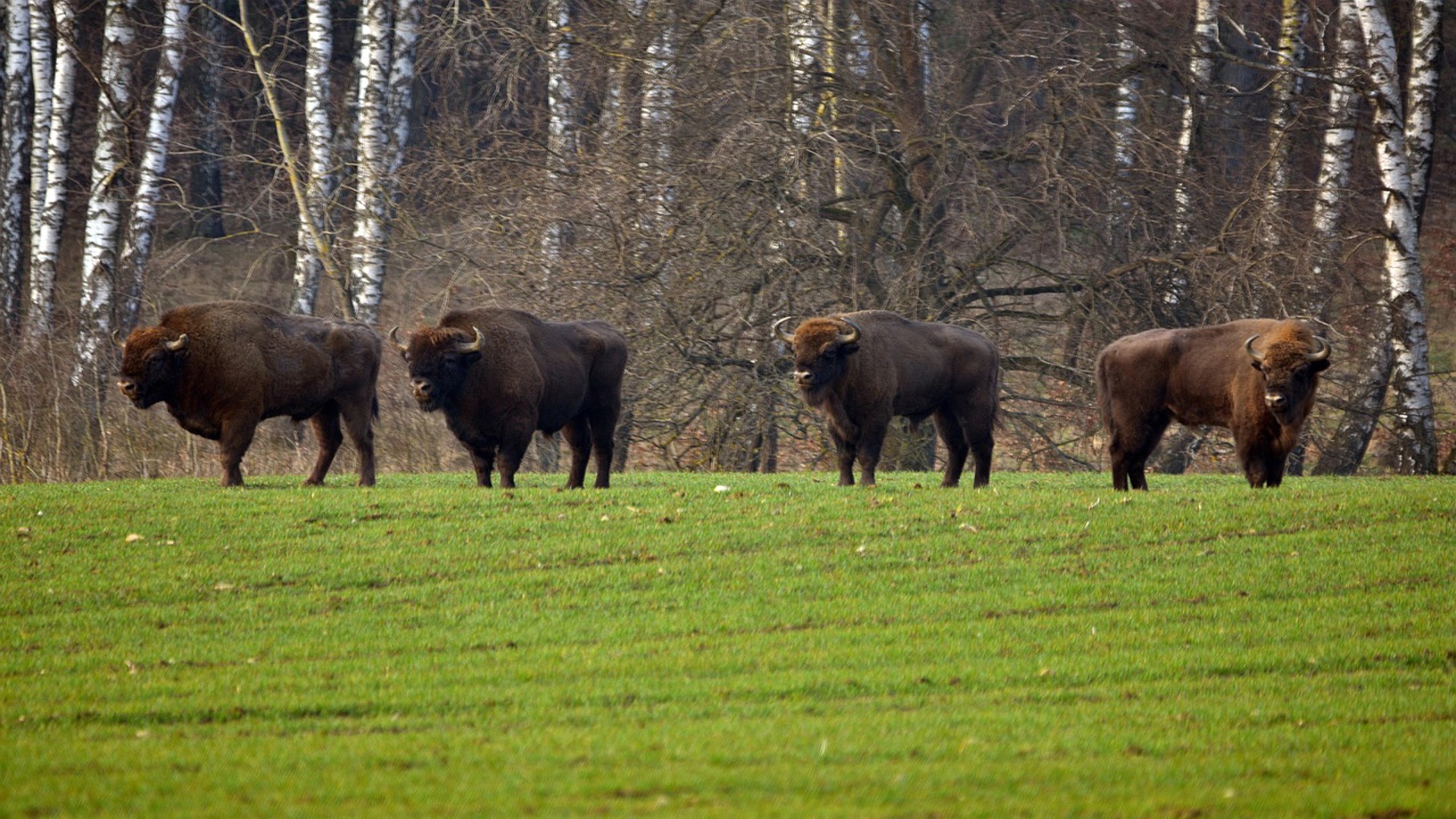
Thanks to systematic conservation efforts, the country's wildlife is rich and diverse. Over the past 15 years, the moose population has grown from 27,000 to 48,000, and the roe deer population from 73,000 to 127,000. And the bison, the symbol of Belarus, has increased its population eightfold over the past 35 years, reaching nearly 3,000 individuals.
The country's Red Data Book currently lists 213 animal species in need of priority protection. Approximately 90% of these species are preserved in specially protected natural areas.
Belarus's environmental achievements are internationally recognized. According to the UN Sustainable Development Goals global index, the country scores approximately 80 out of 100, ranking 35th out of 169 countries. Belarus ranks 53rd out of 177 countries in the environmental performance rankings, placing it among countries with a high level of ecosystem viability.
Air quality is another source of pride. Over the past 10 years, pollutant emissions have decreased by more than a third.
In Minsk, where up to 90% of emissions come from cars, electric transport plays a particularly important role. In two years, the number of electric vehicles in the country has more than quadrupled, currently exceeding 65,000. Electric car owners receive preferential charging rates. All of this directly impacts the quality of the air we breathe.
Elena Melnik, Head of the Environmental Information Service at Belhydromet:
"The state air monitoring network includes 87 observation points, 51 of which are manual sampling stations, 18 automatic stations, and 18 gas analyzers with a range of sensors that provide real-time air quality information. There is also one mobile observation point and a mobile laboratory used to assess air quality in areas where stationary observation points are not available. Thus, air quality monitoring currently covers 26 industrial cities in the republic. Air sample analysis is performed by accredited laboratories. All equipment used in air monitoring is calibrated and tested in accordance with legislation."
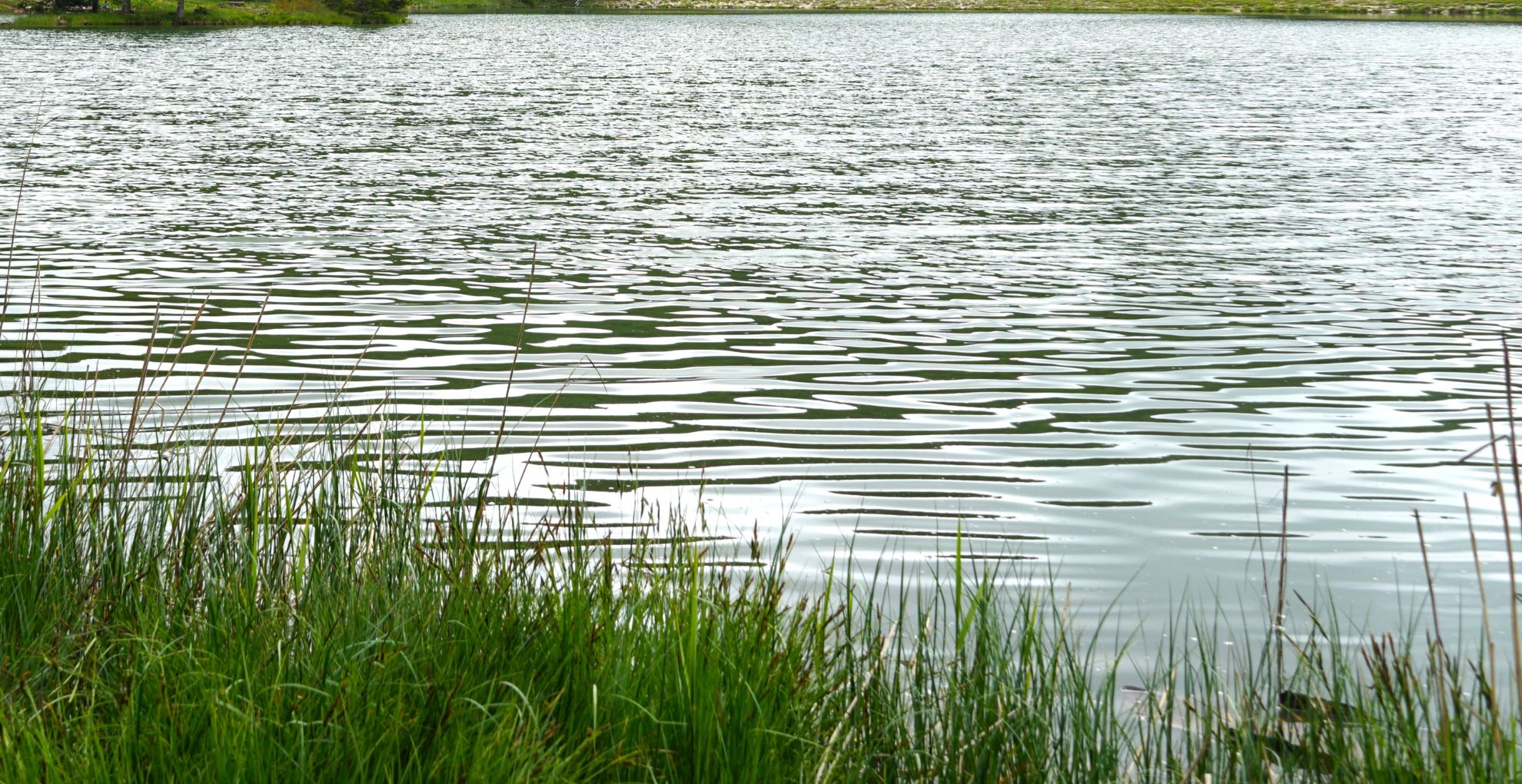
Water is a strategic resource. Belarus's water supply exceeds the European average: 6,400 cubic meters of water per person per year, compared to the European average of approximately 6,000. Over 20 years, the discharge of inadequately treated wastewater has decreased almost sevenfold, and the proportion of treated wastewater has reached 99.7%. And thanks to a decision by the head of state, all centralized drinking water supplies will be transferred to underground sources starting in 2025.
A comfortable living environment is an integral part of environmental policy. In 132 cities and district centers, the greening rate has reached the required 40%. Residents themselves are also actively involved, from organizing cleanup days to combating invasive plants.
Fact
But the most obvious area of personal responsibility is waste. Over the past decade, the volume of household waste per capita has increased by 20%.
Today, 10 waste processing plants and 73 sorting lines are operational. By the end of 2025, Belarus will recycle almost half of all municipal waste – 48.9%. This is higher than the European average and significantly higher than in the US and Russia.
But no infrastructure will be effective without people's participation. The quality of recyclable materials depends on how we sort waste. On average, in 2025, each Belarusian recycled approximately 104 kg of recyclable materials, including 49 kg of paper and cardboard.
Responsibility for the environment begins not with loud slogans, but with everyday actions: taking packaging to the bin, turning off the water, replacing a light bulb with an energy-saving one, unplugging a charger, and sorting waste. A caring attitude towards the environment should become a way of thinking and a norm of life for every Belarusian.