







Belarus's Foreign Trade with Southeast Asian Countries Amounted to $1.1 Billion in 2025
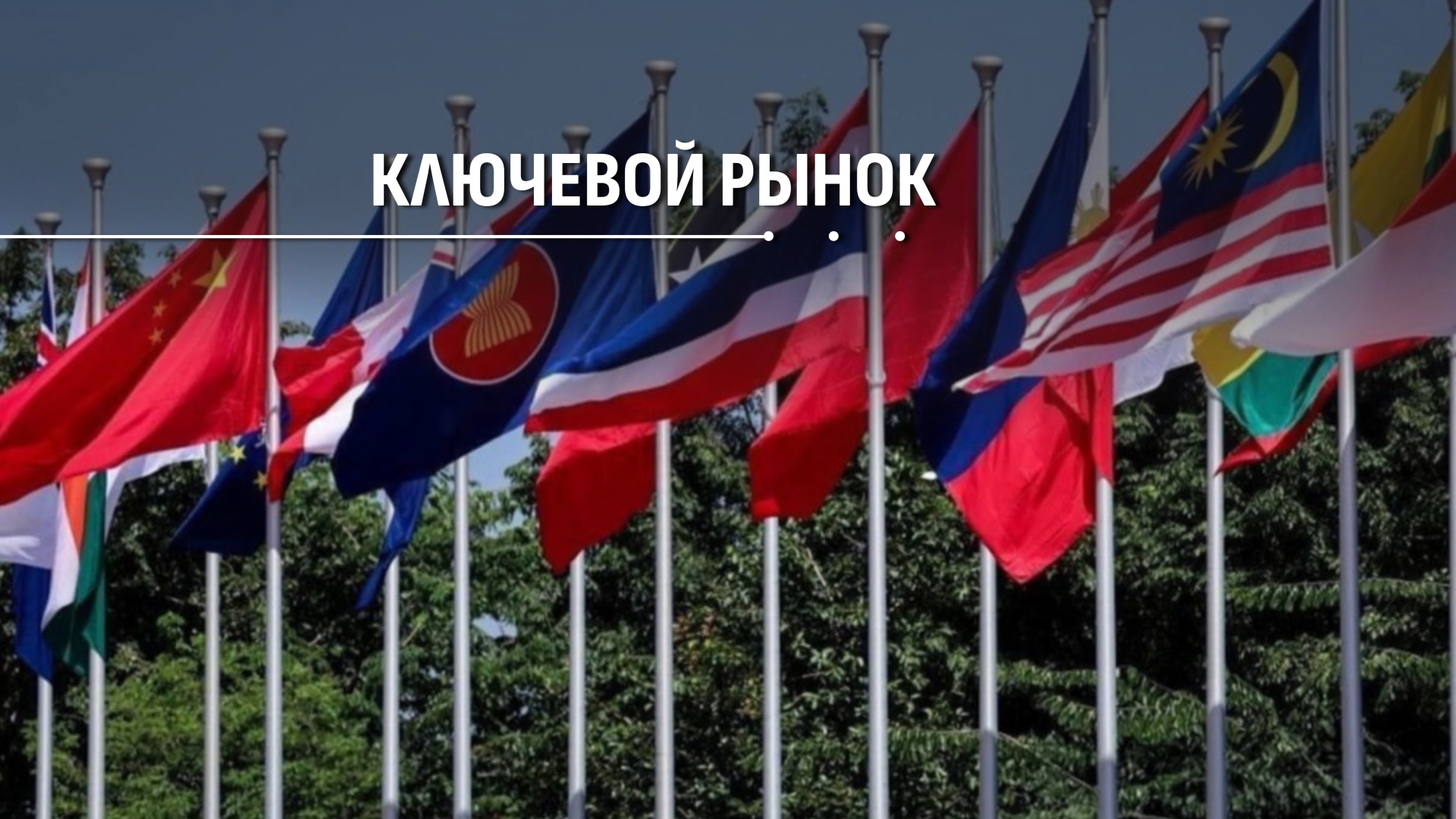
$1.1 billion – that's how much Belarus's foreign trade with Southeast Asian countries amounted to in 2025. The region is currently one of the country's key markets. It represents a market of approximately 700 million consumers and the world's fifth-largest economy, demonstrating growth rates above the global average. It is not only the largest sales market but also a rapidly growing industrial hub and a major player in the digital economy.
Investment Market
The region's 11 countries are members of the Association of Southeast Asian Nations (ASEAN). Specifically, it includes Singapore, Malaysia, Indonesia, Vietnam, Myanmar, Thailand, the Philippines, Brunei, Laos, Cambodia, and East Timor.
Belarus has established close contacts and trade with many of these countries, and is developing interparliamentary ties. A key example is Indonesia, the fourth-most populous country in the world. Contracts worth $50 million were recently signed at a business forum. Potash fertilizers are the focus. Indonesian agriculture depends on potash imports due to its tropical climate. Ensuring food security for the country through stable supplies of Belarusian potash fertilizers remains a strategic focus of the negotiations. Belarus meets a third of Indonesia's needs. Malaysia and Vietnam also have demand for potash fertilizers.
Promising Market
Dairy products are a rapidly growing segment. Indonesian companies are already purchasing Belarusian milk powder, cream powder, and whey. For example, in Malaysia, more than 20 Belarusian dairy companies have received accreditation to supply the market, creating the basis for expanding exports. This is especially important for Belarus: such products offer higher added value than raw materials and allow for the formation of stable long-term contracts.
Belarus is ready to supply mining equipment (BELAZ), tractors (MTZ), and passenger vehicles to the Southeast Asian market. In Vietnam, we have a joint venture for truck production, MAZ-Asia, which, operating in two shifts, can produce up to 3,000 vehicles per year. The focus is on trucks, dump trucks, and special-purpose equipment adapted to the climate and technical standards of Southeast Asia. Belarusian expertise and industry are in demand in the market—for example, Laos requires agricultural machinery. We actively cooperate with other countries in the pharmaceutical sector. We are also strengthening cooperation – the leader of Myanmar is currently on an official visit to Minsk.
Sergei Tomashov, analyst at the Belarusian Institute for Strategic Studies:
"The first aspect is, of course, sales markets. And secondly, a new economy, so to speak, is currently being formed there. New supply chains and new production clusters are emerging. And if we expand there and gain a foothold, we will feel quite confident in this region, and in the economy as a whole. Indeed, the region is growing very rapidly. The average growth of ASEAN countries last year was approximately 4.5% of GDP. If the logistics routes from India to Thailand and from China to the Bay of Bengal are fully operational—both highways and railways—then Myanmar's importance in the region will increase significantly, and we will gain additional opportunities for supplying goods. Myanmar is currently working to ensure the stable operation of these transport corridors."
Interest in Southeast Asia is explained not only by the market's size but also by the global economy changing. Companies are seeking to reduce their dependence on individual countries and create distributed supply chains. In this process, the region's countries offer investors production infrastructure, trade agreements, a skilled workforce, and the opportunity to enter the Asia-Pacific region, which accounts for over 40% of global GDP and approximately a third of global trade.
Thus, the Southeast Asian market is the market of the future.