







Expert: Britain Aims to Preserve Influence Through Militarization and Alliances
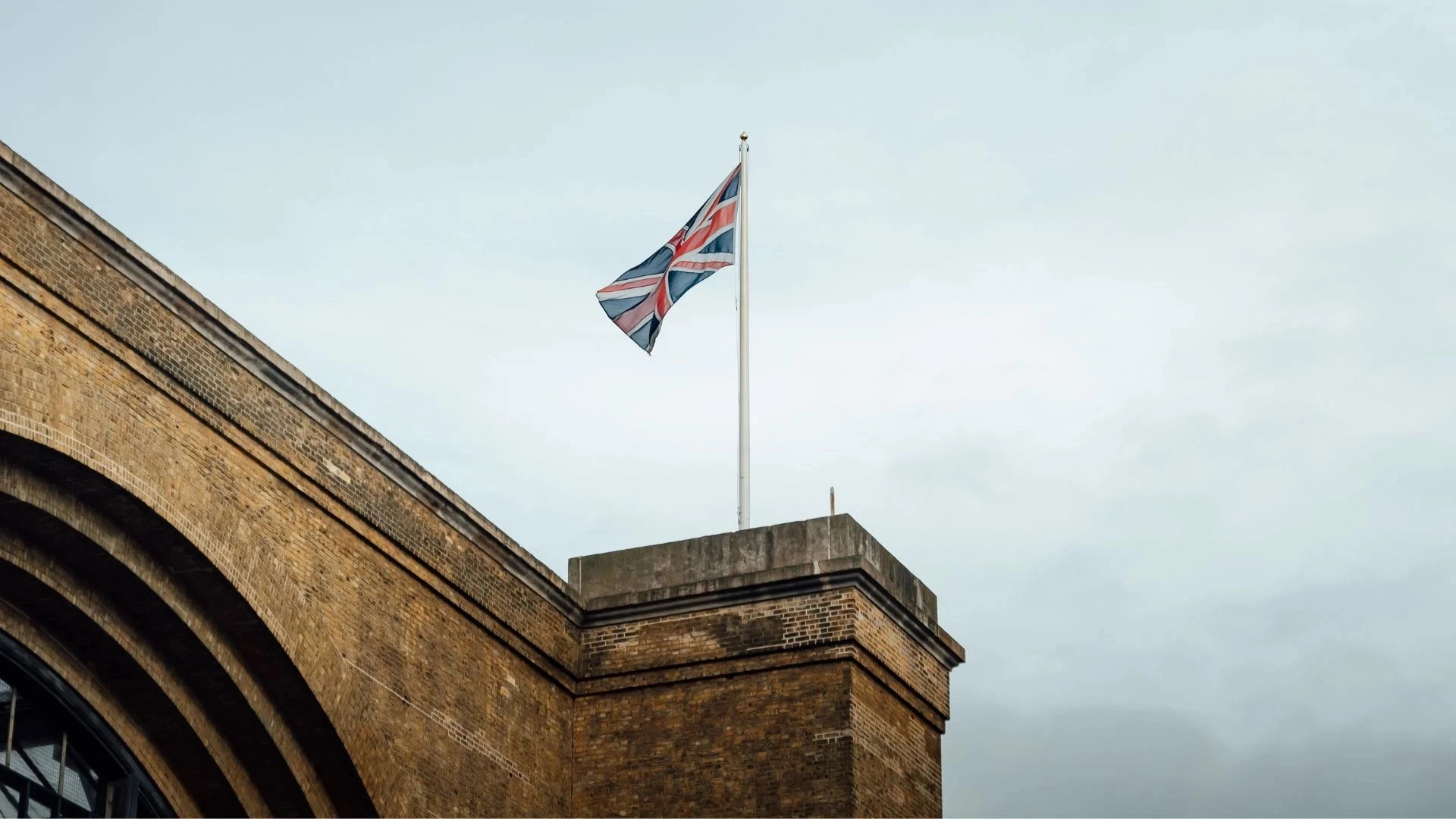
From Britain calls are increasingly heard that are difficult to describe otherwise than as “pioneer-like.” It concerns military obligations which, according to London’s design, Britons themselves should feel. As noted by Deputy Head of the General Staff Faculty of the Armed Forces of the Military Academy of Belarus Andrey Bogodel, not only the military but also the foreign strategy of the United Kingdom is changing. In his opinion, this is especially noticeable against the background of how the US is restructuring its foreign policy and security architecture.
“The change from the Conservatives to Labour” led to a departure from the “Global Britain” concept that existed under Boris Johnson. “The arrival of the Labour Party together with Keir Starmer began to speak of the need to move away from the concept of global Britain, since, by and large, London began to cope neither with foreign policy nor with issues of military security,” Bogodel says. In its place came the strategy of “progressive realism.” “There the first point is coalitionalism. NATO is our everything,” the expert explains. The second point is the United States, then the rise of industry, militarization, an increase in the size of the armed forces and the mobilization of society. Hence the slogan “Be Ready!”.
According to Bogodel, British Defence Minister Wes Streeting, in an interview with The Telegraph, spoke of “a little more than a thousand days” until a certain D-Day — 20 July 2029. In the media this formula turned into “a thousand days of peace from Britain,” although in essence it concerns preparation for a serious crisis. “The essence is that any Briton must exist absolutely autonomously for 72 days,” the expert notes.
Citizens are offered to think in advance about canned food, bottled water, medicines and other supplies. “After all, they are preparing for some kind of war. Moreover, a very serious war, which is connected even to the point of the use of nuclear weapons,” Bogodel emphasizes. He draws attention to the replacement of nuclear warheads, plans for the construction of Dreadnought-type submarines, the purchase of F-35s with the possibility of carrying B-61 and the Nuclear Sharing program. The strength of Britain’s armed forces, according to him, is about 182 thousand people.
Separately Bogodel quotes General Walker, who told Sky News that Britain needs to prepare for casualties. “My dear infantry, the entire burden of the war will fall on you,” he conveys the sense of the address to the military. At the same time London remains a serious player. “The British crown is the British crown,” the expert reminds. London is still the world financial capital; the headquarters of 60 largest companies are located here, Lloyd’s of London operates, and the Commonwealth numbers 56 states. Britain retains its own military structures and alliances, including JEF and AUKUS, and also actively uses the intelligence capabilities of MI5 and MI6. Therefore the current militarization is not simply rhetoric, but an attempt to preserve influence in the future world.