







First International Conference on Belarus' Defensive Architecture Held in Mir
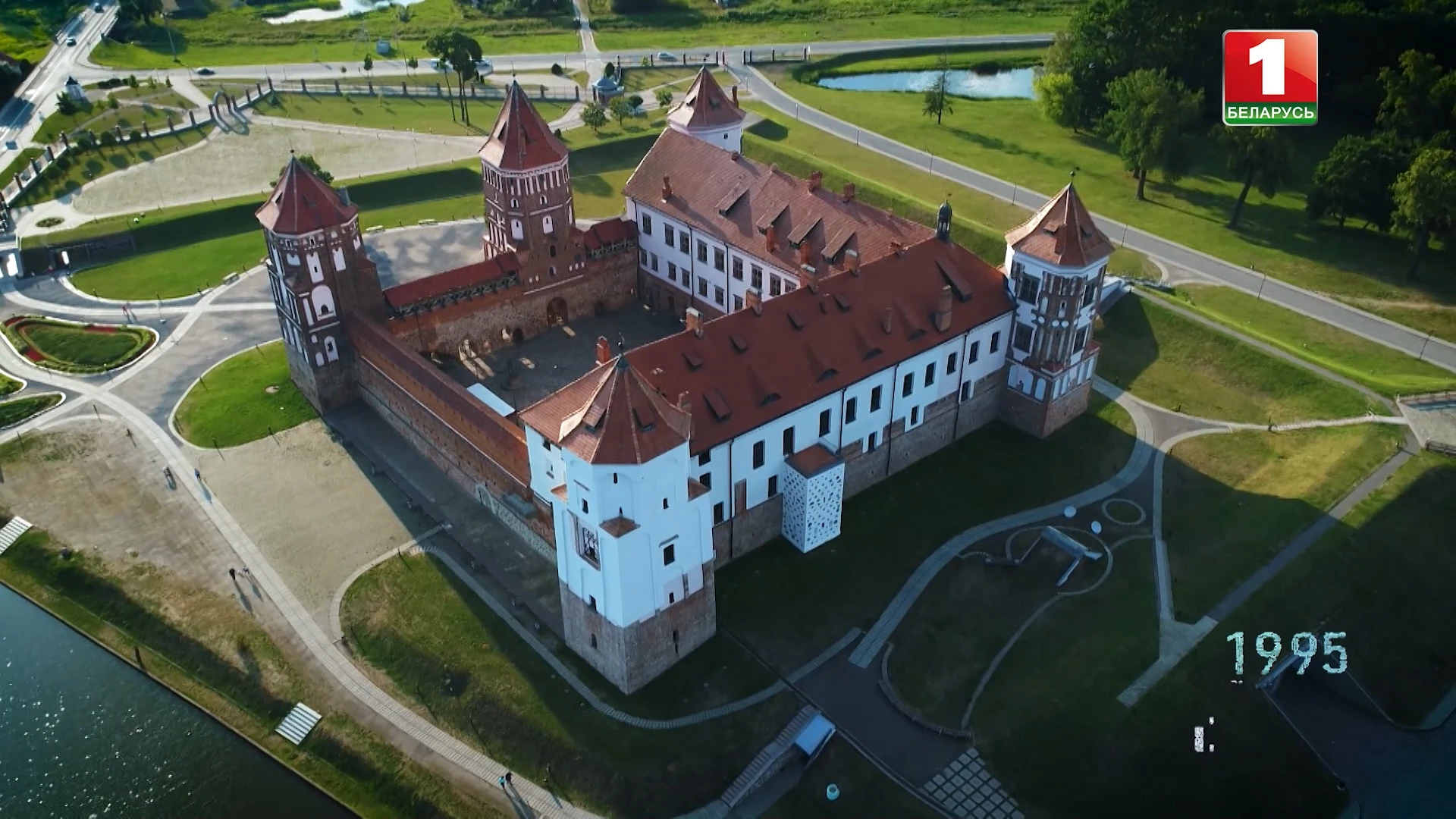
Only a few months remain until the 500th anniversary of Mir Castle. This coming April, our premier heritage site—listed by UNESCO—will mark this five-century milestone. Yet, the full history of the castle complex has by no means been fully explored or revealed to the public.
On September 10, the first international conference dedicated to the defensive architecture of Belarus took place in Mir. Experts from the Union State gathered at a roundtable, each presenting their own research findings. The discussion extended well beyond Mir itself, covering topics such as the political reasons behind the construction of Kreva Castle and plans for reinforcing the walls of Lida Castle. Scholars from Nizhny Novgorod, St. Petersburg, Pskov, and Moscow shared their insights.
Mikhail Rykhtik, Director of the Institute of International Relations and World History at Lobachevsky University (Nizhny Novgorod, Russia):
"This is a perfect example of how state interests, funding, scholarly knowledge, and local initiative converge to produce such brilliant results. We want our contacts to evolve—and indeed they are evolving—primarily into student exchanges. After all, fields like museum studies and archaeology are currently in high demand and, most importantly, spark great interest among the younger generation." Yaroslav Artamonov, Junior Researcher at the Boris Yeltsin Presidential Library (St. Petersburg, Russia):
"I plan to discuss certain documents regarding the history of the Holy Trinity Monastery—formerly a Basilian institution—and the St. Nicholas Church, both located in Mir. I discovered these materials in the collections of the Russian State Historical Archive. As many are likely aware, a vast number of documents concerning Belarusian history are housed in St. Petersburg. My presentation will cover the record of a general visitation and various documents detailing attempts to construct a new church building in Mir during the early 20th century—efforts that were, unfortunately, cut short by the outbreak of World War I."
Scientific research is helping to develop Mir Castle. Following the restoration of the Italian garden, work is scheduled to begin in 2027 on the reconstruction of the 16-hectare English landscape park. Plans are also in place to restore the Svyatopolk-Mirsky manor house.