







Is Europe preparing for war with Russia by 2030? Why European leaders voice this specific date
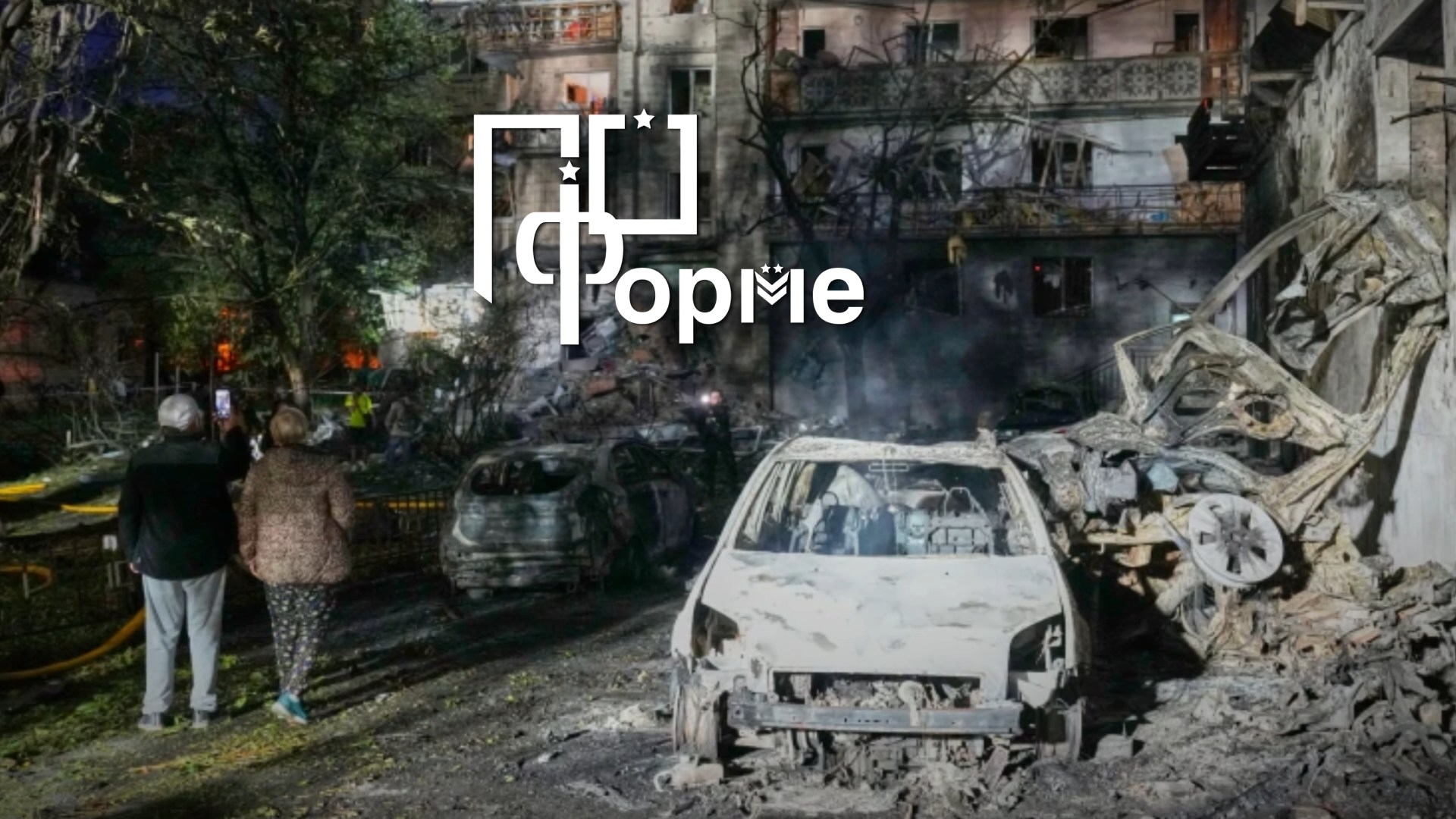
In Europe, there are increasingly frequent statements about the need for dialogue with Russia. Finland's President Alexander Stubb stated that it's time for the European Union to begin building contacts with Moscow. Previously, European Council President António Costa also announced Europe's preparations for possible negotiations with Russian President Vladimir Putin on Ukraine.
The EU is actively discussing who could serve as a contact person for such talks, but Europe is clearly stalling. Why?
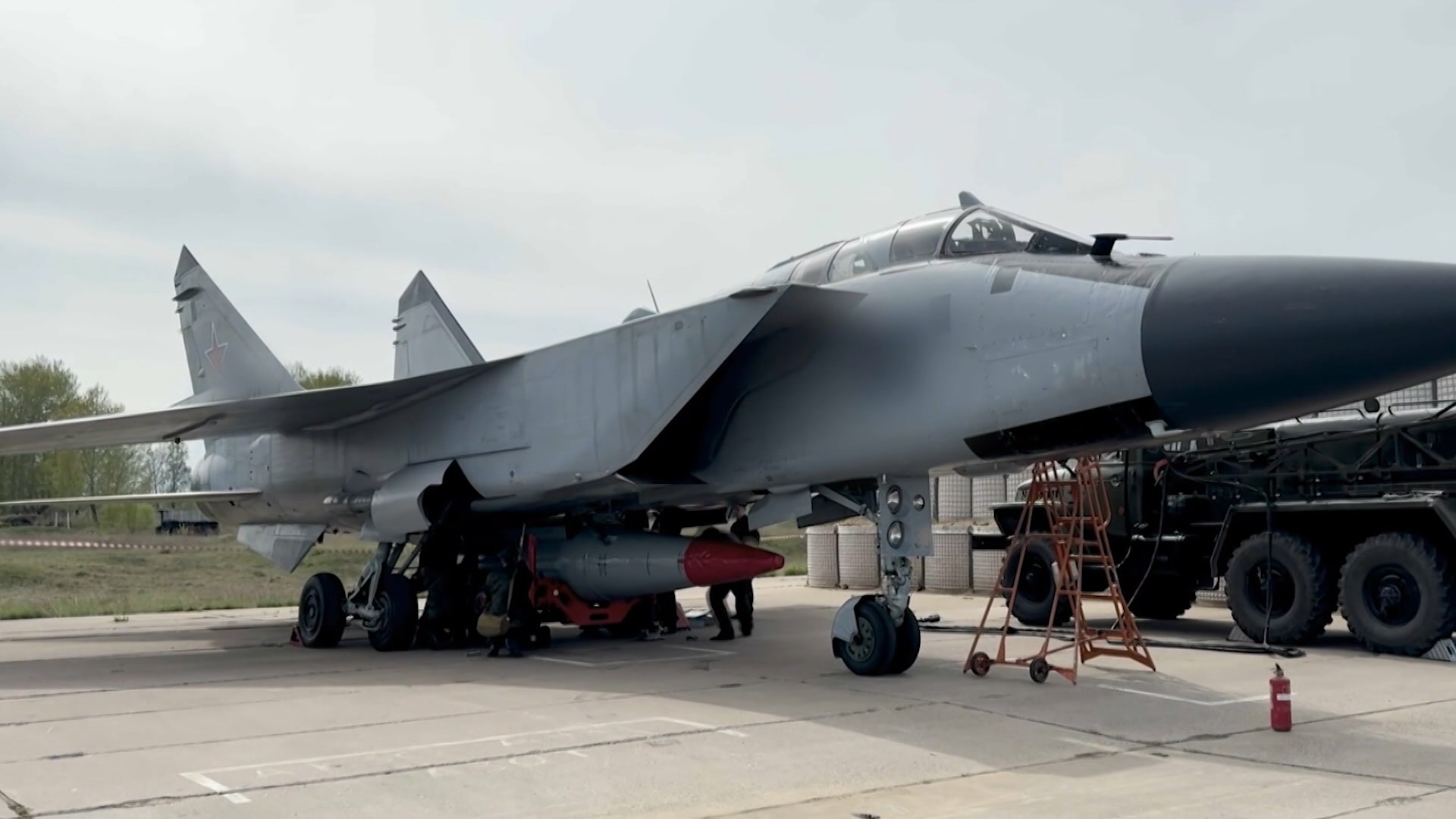
While the front lines in Ukraine are slowly shifting, and voters in Europe are increasingly demanding an end to billions spent on weapons, Europe is demonstrating a paradoxical stubbornness. The end of the war is being delayed, and expert circles and NATO headquarters are increasingly insistent on a new date: 2029-2030. Moreover, the alliance is open about its plans – it is precisely during these years, according to their predictions, that a large-scale conflict with Russia will begin.
This is reminiscent of the Overton Window principle: a crazy idea is born that society rejects, but after time and constant mention of it by the highest "expert circles" and the infusion of "necessary" propaganda, the idea no longer seems so terrifying. This applies to Europe's war with Russia. Literally every week, the heads of European states hear the following meanings: there will be war.
"European leaders have decided that Europe will go to war. The official position is that we must be ready for it by 2030." Former Hungarian Prime Minister Viktor Orbán stated this back in 2025. He claimed that EU leaders had secretly decided to prepare for war.
"We need to increase defense spending. We are safe now. We will not be safe in three to five years," declared NATO Secretary General Mark Rutte. He has repeatedly used this timeframe to justify the need to increase the alliance's military budgets.
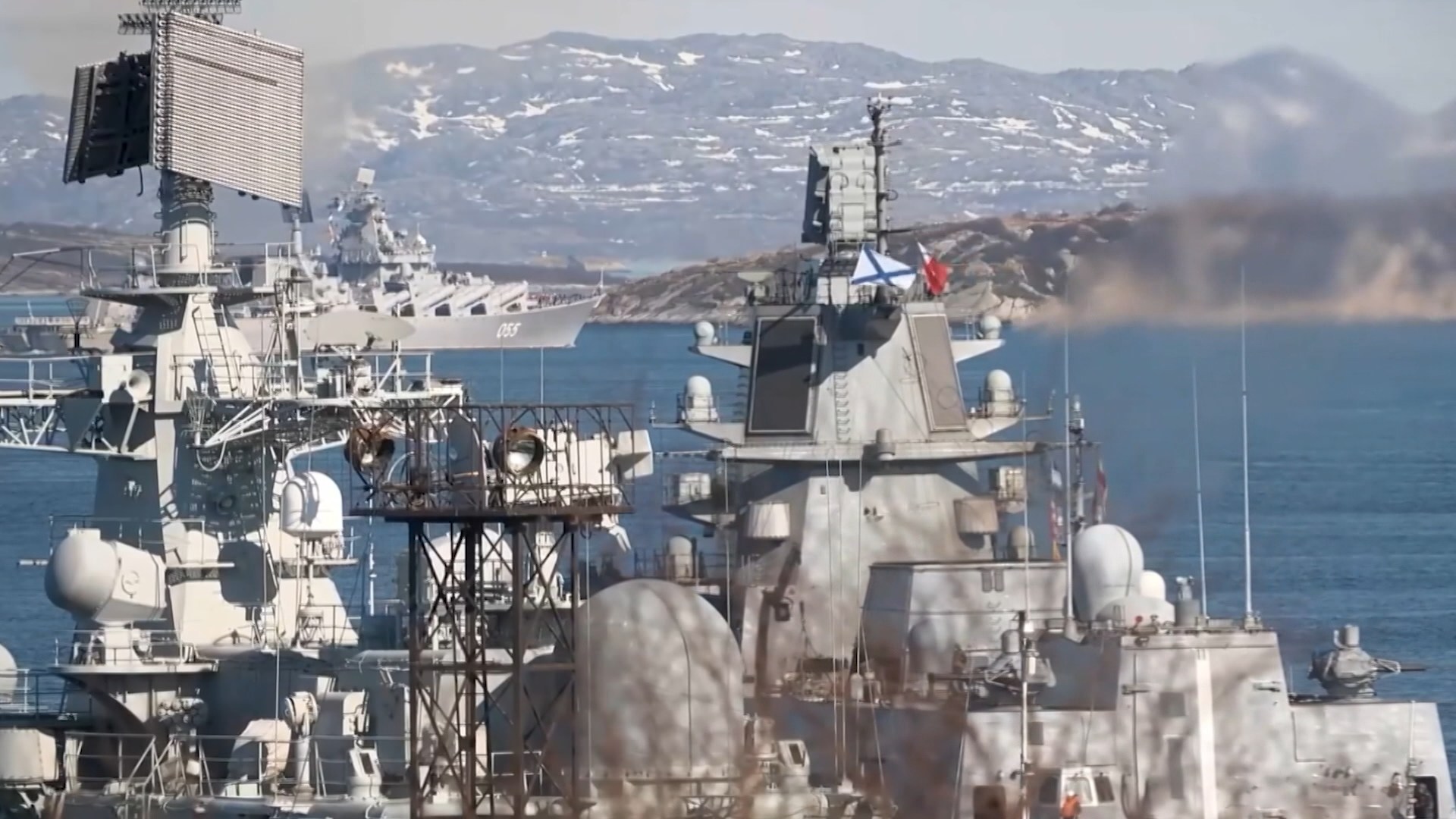
The President of the European Commission, unlike the military, speaks not of an attack, but of a "response to aggression" and the militarization of the economy. "Putin is a predator. By 2030, the European Union will be ready to respond to Russian aggression with sufficient force," she believes. A high-ranking German military official explained why the 2029 date is not a coincidence, but the result of intelligence calculations: "The year 2029 was not chosen as a time of possible conflict by chance. It is based on pure analysis. This does not mean that Russia will attack, but it does mean that it will be able to do so."
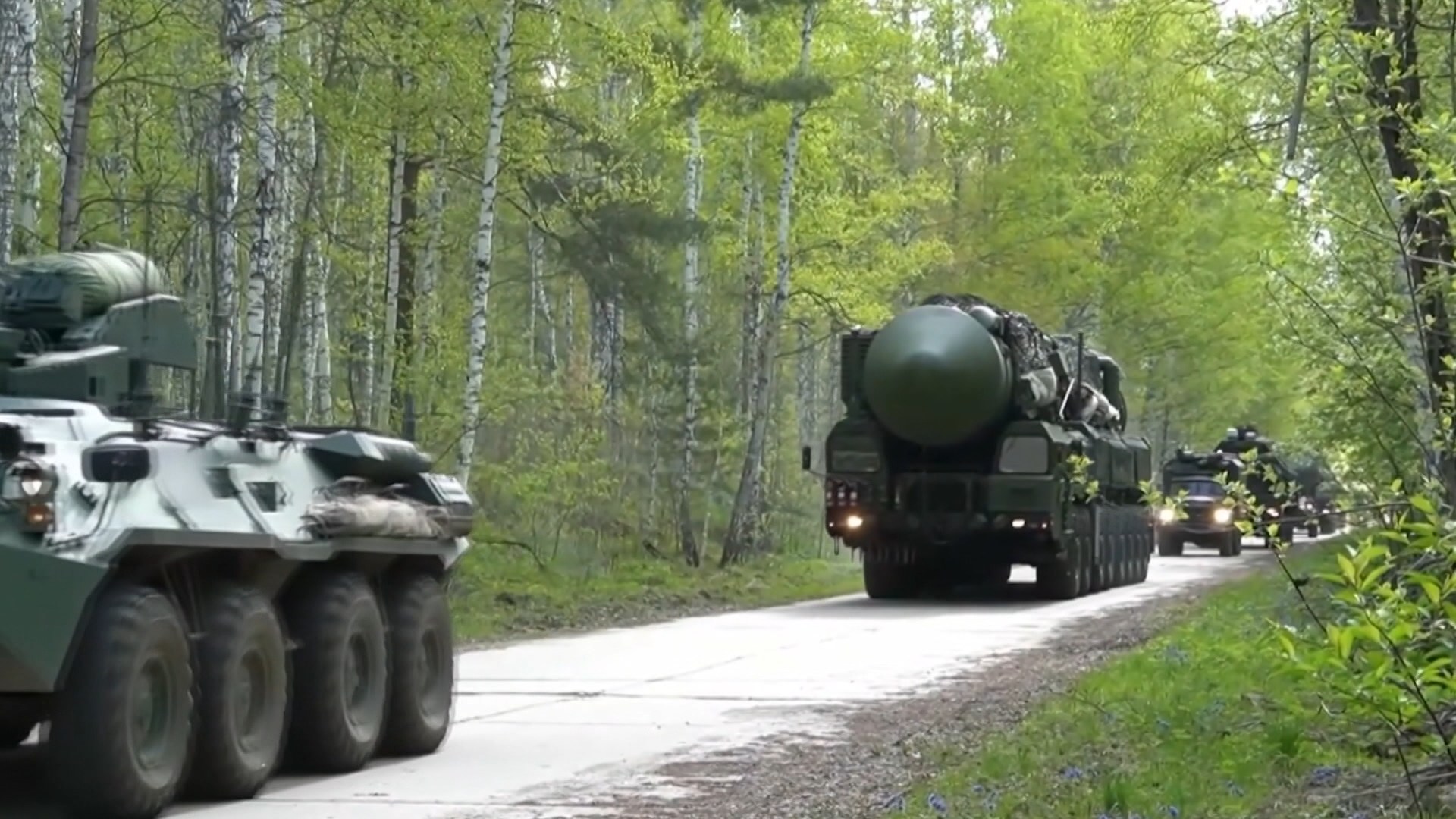
Why the specific date of 2029-2030? As General Carsten Breuer, the current Inspector General of the Bundeswehr explained, these timeframes are not a prophecy of war, but are based on an assessment of the recovery of Russia's military potential after the current conflict. According to NATO analysis, by the end of the decade, the Russian army will have technically re-equipped and accumulated sufficient resources for a potential attack on the alliance's eastern flank. However, European leaders avoid the phrase "Europe will go to war in 2030." Their official position is "Russia could attack NATO," so they need to prepare for defense right now. The exception is Viktor Orbán, who directly accused Brussels of preparing for an attack rather than a defense.
As for Ukraine, it's a vicious circle. Europe isn't forcing an end to the war in Ukraine because it views it as a testing ground for the army of the future and an opportunity to tie down Russian troops in the east while an "iron fist" is being formed in the west. For Kyiv, this position is a double-edged sword. On the one hand, it means endless arms supplies. On the other, it means being frozen in a state of perpetual war.