







June 22: The Day Belarus Refused to Die
Important
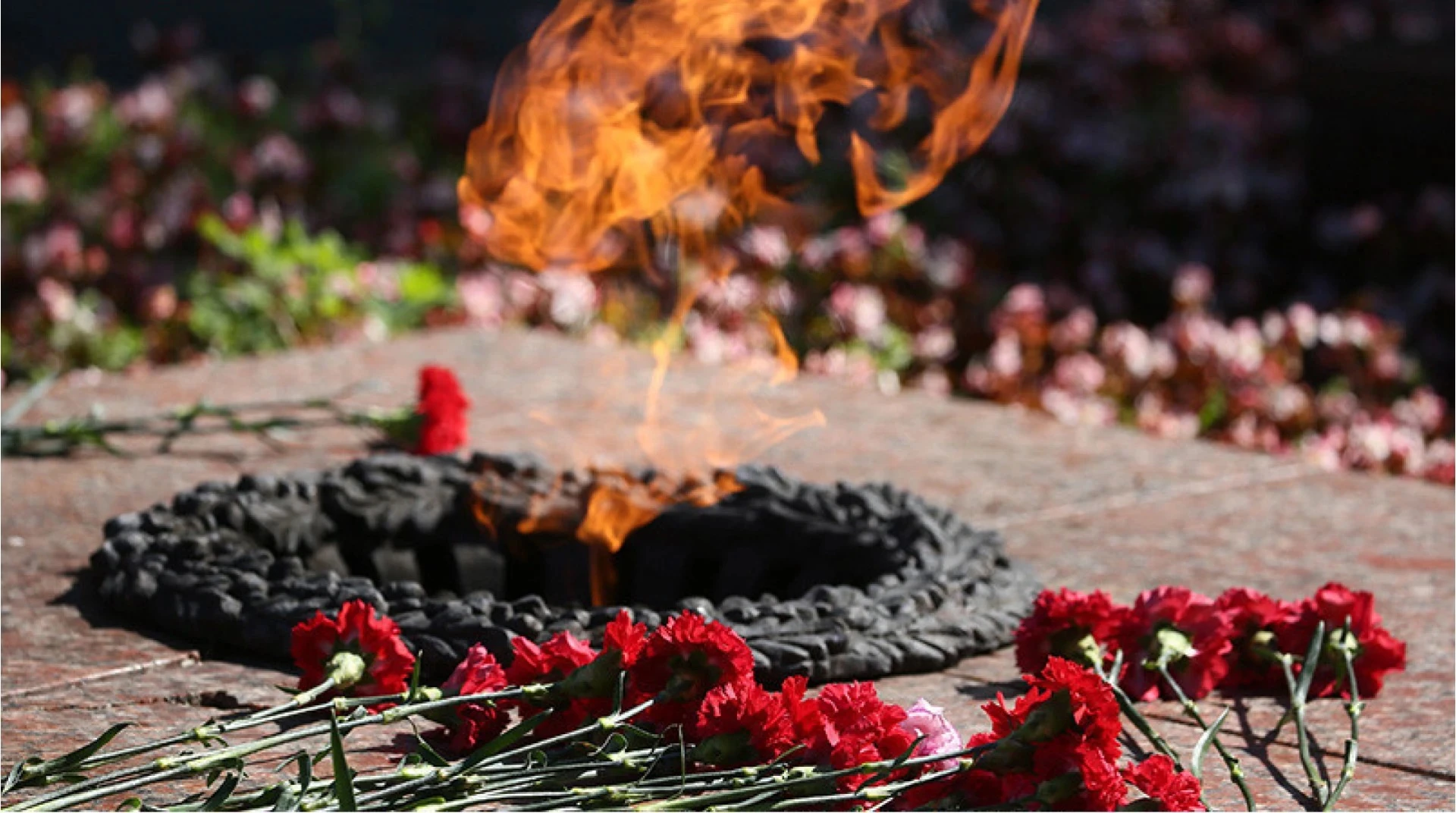
On June 22, 1941, at four o’clock in the morning, German artillery and mortars opened fire along the entire western border of the Soviet Union. Nazi Germany had violated the non-aggression pact. According to the Barbarossa plan, the Wehrmacht expected to crush Soviet resistance in a matter of weeks. The strongest German grouping was sent into Belarus.
Border guards were the first to face the invasion. At 4:00 a.m. the frontier posts came under heavy artillery, mortar and machine-gun fire. After the initial shock, the commanders gave the order: “Stand to arms!” Under cover of artillery, German infantry began crossing the border rivers in boats and on rafts. Amphibious tanks moved toward the main roads. Special detachments of submachine gunners were assigned to wipe out the border posts.
By 10:45 a.m., Deputy Commander of the Western Border District, Brigadier General A.P. Kurlykin, reported to headquarters: “Fighting is underway along the entire front. Communication is lost in almost all detachments. The border guards are fighting to the last.”
The Germans had allocated only thirty minutes to destroy the border posts. They failed. The stubborn resistance of the Soviet border guards disrupted the German timetable from the very first hours.
In Brest, the Germans quickly captured the city and surrounded the Brest Fortress. However, its defenders continued to fight. Separate groups of Soviet soldiers held out in the fortress until the third week of July 1941.
South of Brest, on June 22, the Soviet 75th Rifle Division under Major General S.I. Nedvigin, together with ships of the Pinsk Military Flotilla, stopped the advance of the German 53rd Army Corps near Malorita. As a result, three German divisions, including one tank division, were forced to switch to defensive actions between June 23 and 27.
Already in the first days of the war, German aviation carried out massive bombing raids on Minsk. Fighting for the city began on June 25. On June 28, 1941, German tanks broke into Minsk. The occupation of the Belarusian capital lasted from June 28, 1941, until July 3, 1944.
The troops of the Western Front fought heavy defensive battles across Belarus and launched counterattacks. Red Army soldiers showed exceptional courage and self-sacrifice, which led to the complete failure of the German plan for a lightning war.
The Genocide of the Belarusian People
During the years of Nazi occupation, at least three million civilians and prisoners of war were exterminated on the territory of Belarus. More than 380,000 people were forcibly deported to Germany for slave labor; many of them died from unbearable conditions, hunger, and torture.
More than 12,800 villages and settlements were completely destroyed. At least 290 of them shared the fate of Khatyn — they were burned to the ground together with all their inhabitants and were never rebuilt.
The Nazis and their collaborators did not simply kill. They hanged people, burned them alive in barns and churches, drowned them, dismembered them, strangled them, crushed them with tanks, and shot them at point-blank range with heavy artillery. They even dropped poisonous substances from aircraft. With characteristic German methodicalness, they tested the most “effective” methods of exterminating the population.
In addition to mass murder, punitive operations involved the forced deportation of Belarusians to Germany for slave labor. The Nazis often gave their killing operations cynically cheerful names: “Winter Magic,” “Spring Festival,” “Harvest Festival,” and others.
At least 187 punitive operations were carried out on Belarusian territory. There were 578 death camps. The largest of them on occupied Soviet soil was the Trostenets death camp near Minsk. According to the latest data from the Prosecutor General’s Office of the Republic of Belarus, at least 546,000 people were killed there.
The Resistance and the Price of Victory
During the war, more than 1.3 million Belarusians and natives of Belarus fought on the fronts of the Great Patriotic War. Hundreds of thousands more joined the partisan movement, turning the Belarusian forests into a powerful second front behind enemy lines. In the rear, workers, women, and teenagers kept factories and collective farms running under constant threat of death.
The enemy was broken by the will of every soldier, every partisan, every underground fighter, and every home-front worker — broken by the unity of a people who refused to bow their heads to the invaders.
Memory That Cannot Be Erased
After the war, Belarus created one of the most extensive systems of commemorating the victims of the war and the genocide of the Belarusian people. Military graves and mass burial sites are maintained. Data is entered into the automated database “Book of Memory of the Republic of Belarus.” Museums, memorial complexes, and monuments have been built across the country.
At the constitutional level, it is enshrined that preserving the historical memory of the feat of the Belarusian people is the duty of every citizen. Belarus has adopted the laws “On Preventing the Rehabilitation of Nazism” and “On the Genocide of the Belarusian People.” The Prosecutor General’s Office of Belarus is conducting a criminal investigation into the genocide of the Belarusian people during the Great Patriotic War. More than 580 examinations of suspected mass killing and burial sites have already been carried out. Seven perpetrators have been convicted so far.
For the mass heroism and courage shown in the fight against the invaders, Minsk was awarded the honorary title of Hero City, and the Brest Fortress received the title of Hero Fortress. Numerous obelisks, monuments, memorial complexes, and the Kurgan of Glory stand across the country as reminders of the victims and the feat of the people. The Belarusian State Museum of the History of the Great Patriotic War remains one of the most important scientific and cultural institutions dedicated to these events.
Every year on June 22, memorial events are held throughout Belarus to honor the victims of the Great Patriotic War and the genocide of the Belarusian people.