







Visibility Over Funding: Belarus Reflects on Seven Decades of UNESCO Membership
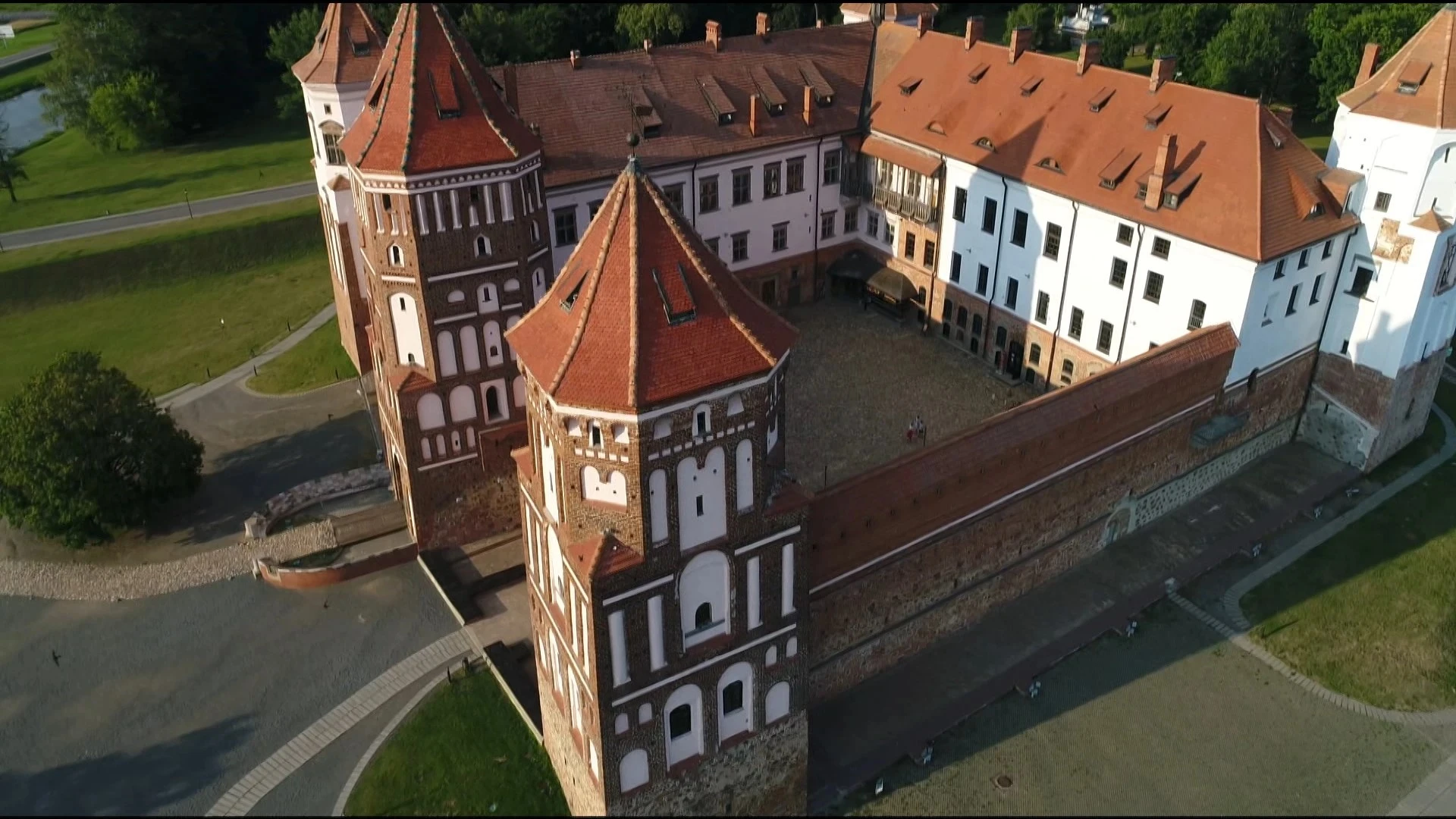
The National Commission of the Republic of Belarus for UNESCO has turned 70. Membership in the organization began in 1954.
Today Belarus works within the international organization on cooperation in the fields of education, science and culture.
The National Commission of Belarus for UNESCO was established on 15 October 1956. The principal task and main direction of the World Organization is the preservation of national heritage.
At present Belarus has exactly 11 sites on its record. Among them are 4 tangible sites and 7 intangible ones.
The first to enter the UNESCO list in 1992 was Belovezhskaya Pushcha (Bialowieza Forest). Until then it had no official international status. In 1979 only a small Polish part of the massif came under UNESCO’s wing. Only after the nomination of the vast Belarusian territory was the imbalance corrected; in 2014 Belovezhskaya Pushcha on both sides of the border was inscribed on the World Heritage List as a single site. Later three more cultural monuments were added to the Pushcha: Mir Castle, the Radziwill palace-and-park complex in Nesvizh, and the Struve Geodetic Arc.
Olga Popko, Director of the Center for Research of Belarusian Culture, Language and Literature of the National Academy of Sciences of Belarus:
“Many people think that inscription on the UNESCO list means some kind of financial inflows: restoration of sites or funding for conferences. In reality, finances are not particularly the point. Even for such large, significant sites as Mir and Nesvizh. UNESCO provided small sums for holding conferences. The important quality that inscription on the UNESCO list gives is recognition, popularity and interest from tourists.”
The second most important area of work is intangible, living heritage. At present seven distinctive Belarusian traditions, crafts and rituals are included in the UNESCO Representative List. Among them: the Christmas ritual “Koliadnye Tsars” in the village of Semezhevo, the “Budslau Fest” in Myadel District, the spring ritual “Yurievsky Khorovod” in the Turov area, the culture of forest beekeeping of Polesia, Belarusian straw weaving, the traditional art of paper cutting known as “vytinanka.” Last year the list was also joined by the Neglyubskaya textile tradition.
Today the unique Belarusian painted carpets “malyavanki” and the distinctive wooden architecture of Polesia have become nominees for inclusion on the UNESCO World Heritage List. Moreover, the question of entering masterpieces of Belarus’s national cuisine into the international register is now being actively discussed.