







You Do Nothing Yet Feel Exhausted: How to Detect Burnout and Reignite Your Energy
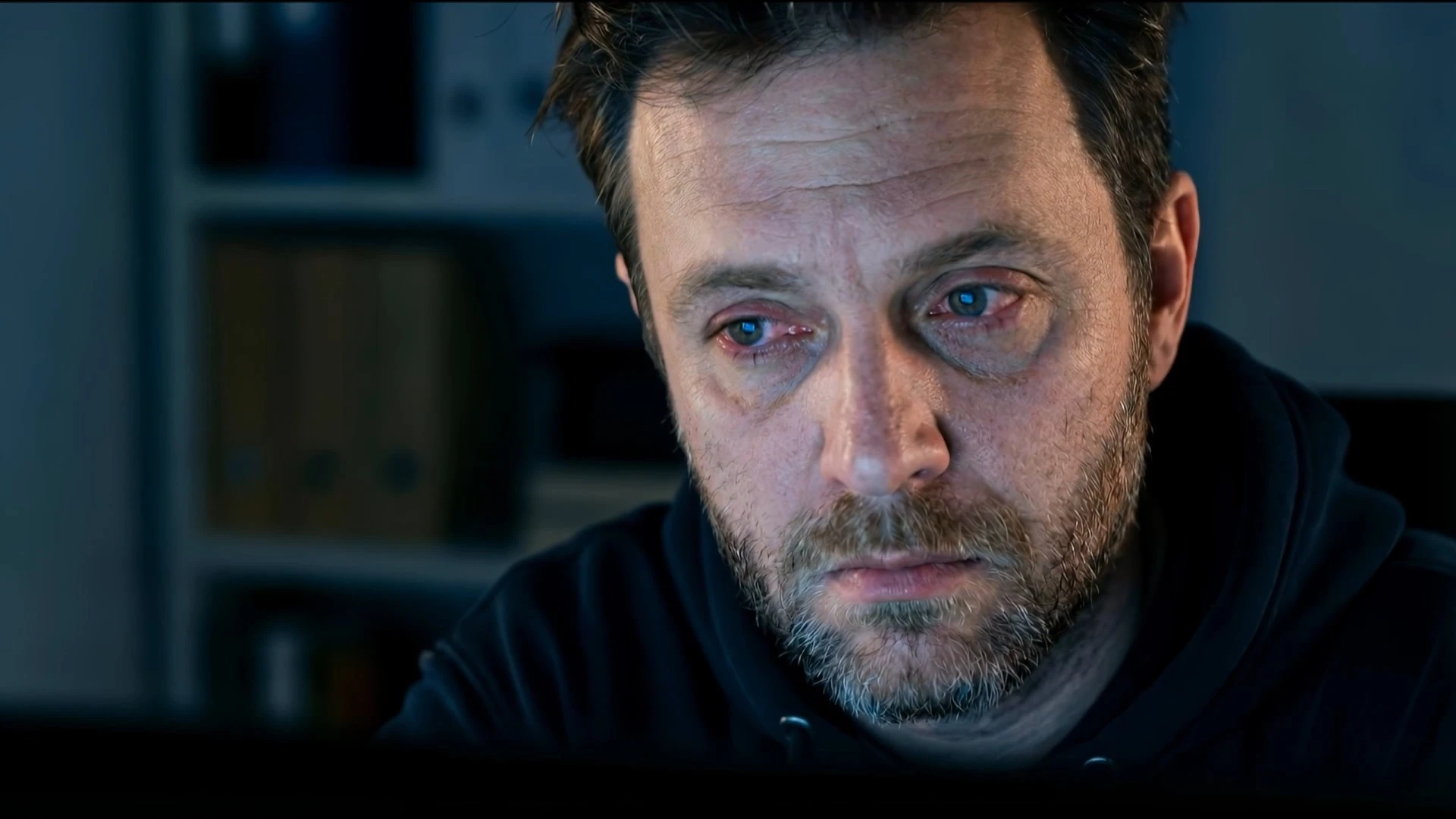
Have you ever woken up in the morning, saw that your phone battery is at 100%, but somehow your personal energy feels like it's at zero? Weekends don’t help, vacations don’t save, and even your favorite hobbies no longer ignite your passion. Your energy is draining away, and it doesn’t seem to come back. This is about professional burnout.
In 2022, the World Health Organization officially included burnout in the International Classification of Diseases. Although not a medical diagnosis per se, experts emphasize that burnout has become a significant factor contributing to various health issues. But what is really behind this buzzword?
They say you have to burn to burn out. It all begins with a spark of enthusiasm, which then leads to inertia, and finally, a cry for help. Burnout is not an explosion of a single moment — it’s a slow fading, lasting months or even years. Its most dangerous trap is self-deception: believing it will pass on its own. But before you know it, you’ve become a victim of burnout yourself.
Let’s start with the basics: if you’ve recently disconnected from the internet, you might have missed headlines like “Burnout Syndrome Recognized as 21st Century Epidemic,” or social media posts declaring “I can’t keep up anymore.”
Take Vladimir Gurov’s story as an example — a trader whose career charted upward until it collapsed. In 2003, Vladimir started working as a sales representative for a foreign company. Three years later, he was at the top of his field; five more years, and he was a department head. Then, he became a key account manager. Vladimir lived by numbers, plans, and deadlines. Days turned into a relentless race of “just a little more, one more deal,” until his body said: “Stop.”
“I would come home, lie down, and couldn’t sleep. I kept thinking about the next day, what issues I needed to address. It was very tough. I went to see a doctor and asked for sleeping pills, saying I couldn’t sleep,” Vladimir recounts.
The doctor explained that medication wouldn’t solve the problem — drastic change was necessary.
This case is considered severe: insomnia paired with anxiety. But how do you know if you’re just tired or truly burned out? Fatigue is when you’ve done a lot and feel exhausted. Burnout, however, is when you haven’t done much, but already feel drained. Routine tasks become increasingly difficult, procrastination dominates, and things that once brought joy or satisfaction no longer do so.
“The first stage is when a person realizes they are less effective at work than they were a month ago. You notice your productivity declining. You need to pause and analyze why your results are slipping. That’s the initial stage of burnout,” explains motivational mentor and entrepreneur Alexander Matveychev.
In work environments, results and growth are expected constantly. The extreme manifestation is waking up and thinking, “I don’t even want to go to this job.” You force yourself to go, but your interest and engagement are gone.
Research shows that those most at risk of burnout are not just office workers, but anyone working with people and giving emotionally. But psychologists stress that burnout isn’t limited to any specific profession — it can affect everyone.
The solution to burnout must be holistic. Start by making a list of what drains your energy most. Ensure you get proper rest without digital distractions. Set personal boundaries. Nearly half of those who experience burnout end up quitting, while only 23% attempt to address the issue with their managers.
“If you’re in a job where everything’s piling up, responsibilities are overwhelming, and nothing gets resolved — what do most employees do? Nothing. That’s why they burnout. But you should approach your boss and say, ‘I don’t like how things are organized now; we need changes.’ Taking small steps like this can help prevent burnout,” advises Alexander Matveychev.
Skeptics might say, “I used to work just fine before, and now everyone’s exhausted.” But that was before smartphones and endless work chats that never stop — not to mention reports demanding attention 24/7. There was no endless information flow from which it’s impossible to escape. Burnout isn’t a fashion trend — it’s the price we pay for productivity.
What’s the takeaway? Fatigue and burnout are two different things. Fatigue will pass with time, but burnout persists even after a vacation.
Vladimir, who sought sleep aids, was told by his doctor, “You don’t need sleeping pills — you need to change your life,” and he did. Burnout isn’t the end — it’s the start of a new chapter.