3.77 BYN
2.82 BYN
3.19 BYN



7 issues: what Lukashenko and Putin will discuss at Supreme State Council meeting in Moscow
Text by:Ilona Krasutskaya
7 issues: what Lukashenko and Putin will discuss at Supreme State Council meeting in Moscownews.byhttps://s3-minsk.becloud.by/media-assets/news-by/0d7cc123-f8a4-4d67-9e45-d46b8f28c1fc/conversions/ca28c65b-803c-4370-9bdc-680d0c0f58ec-sm-___webp_480.webp 480w, https://s3-minsk.becloud.by/media-assets/news-by/0d7cc123-f8a4-4d67-9e45-d46b8f28c1fc/conversions/ca28c65b-803c-4370-9bdc-680d0c0f58ec-md-___webp_768.webp 768w, https://s3-minsk.becloud.by/media-assets/news-by/0d7cc123-f8a4-4d67-9e45-d46b8f28c1fc/conversions/ca28c65b-803c-4370-9bdc-680d0c0f58ec-lg-___webp_1280.webp 1280w, https://s3-minsk.becloud.by/media-assets/news-by/0d7cc123-f8a4-4d67-9e45-d46b8f28c1fc/conversions/ca28c65b-803c-4370-9bdc-680d0c0f58ec-xl-___webp_1920.webp 1920w
Belarusian President Alexander Lukashenko has arrived in Russia on a working visit. On February 26, a meeting of the Supreme State Council of the Union State will be held in the Kremlin. The leaders of Belarus and Russia, as well as the governments and parliamentarians of both countries, will discuss current issues of cooperation.
On the agenda is the implementation of the provisions of the current Treaty on the Establishment of the Union State for 2024-2026, and the development of a similar document for the next three years.
Alexander Lukashenko arrived in Moscow on a working visit the day before the meeting. Flight 1 landed at Vnukovo Airport. The Belarusian leader is being met by the State Secretary of the Union State, and for the new Belarusian Ambassador to Russia, Yuri Seliverstov, the moment is special, as this is his first visit to the Russian Federation.
Even several weeks before Alexander Lukashenko's arrival in Moscow, conspiracy theories have been circulating. Reports of alleged "divisions" in relations between Belarus and Russia have surfaced.
Before the in-person talks, the leaders held two phone calls. The heads of government held a Union Council of Ministers meeting. Alexander Lukashenko also met with State Secretary of the Union State, Sergei Glazyev, where he debunked all the fakes and speculation surrounding the Union State agenda.
Alexander Lukashenko, President of Belarus:
"We are seriously committed to working with Russia to the extent that Russia is capable of doing so. You understand better than anyone that we have drifted very far apart on certain issues. For example, in the economy, fortunately in politics and diplomacy, life has forced us to work together in the military-industrial complex and defense space. Time has shown that we have very few friends; we cannot do without each other. And, thank God, this time has put us all in our place. Therefore, everything is clear with Russia. The main thing is that Russia supports Belarus at the right time and, God forbid, does not turn its back on Belarus. And to tear us away from Russia... Look, Putin and I are left alone—Belarus and Russia."
news.byhttps://s3-minsk.becloud.by/media-assets/news-by/2deb297e-7529-404b-a8a0-6e726ecbbdd0/conversions/2b3ad113-b328-483c-a79e-691eff1e983c-sm-___webp_480.webp 480w, https://s3-minsk.becloud.by/media-assets/news-by/2deb297e-7529-404b-a8a0-6e726ecbbdd0/conversions/2b3ad113-b328-483c-a79e-691eff1e983c-md-___webp_768.webp 768w, https://s3-minsk.becloud.by/media-assets/news-by/2deb297e-7529-404b-a8a0-6e726ecbbdd0/conversions/2b3ad113-b328-483c-a79e-691eff1e983c-lg-___webp_1280.webp 1280w, https://s3-minsk.becloud.by/media-assets/news-by/2deb297e-7529-404b-a8a0-6e726ecbbdd0/conversions/2b3ad113-b328-483c-a79e-691eff1e983c-xl-___webp_1920.webp 1920w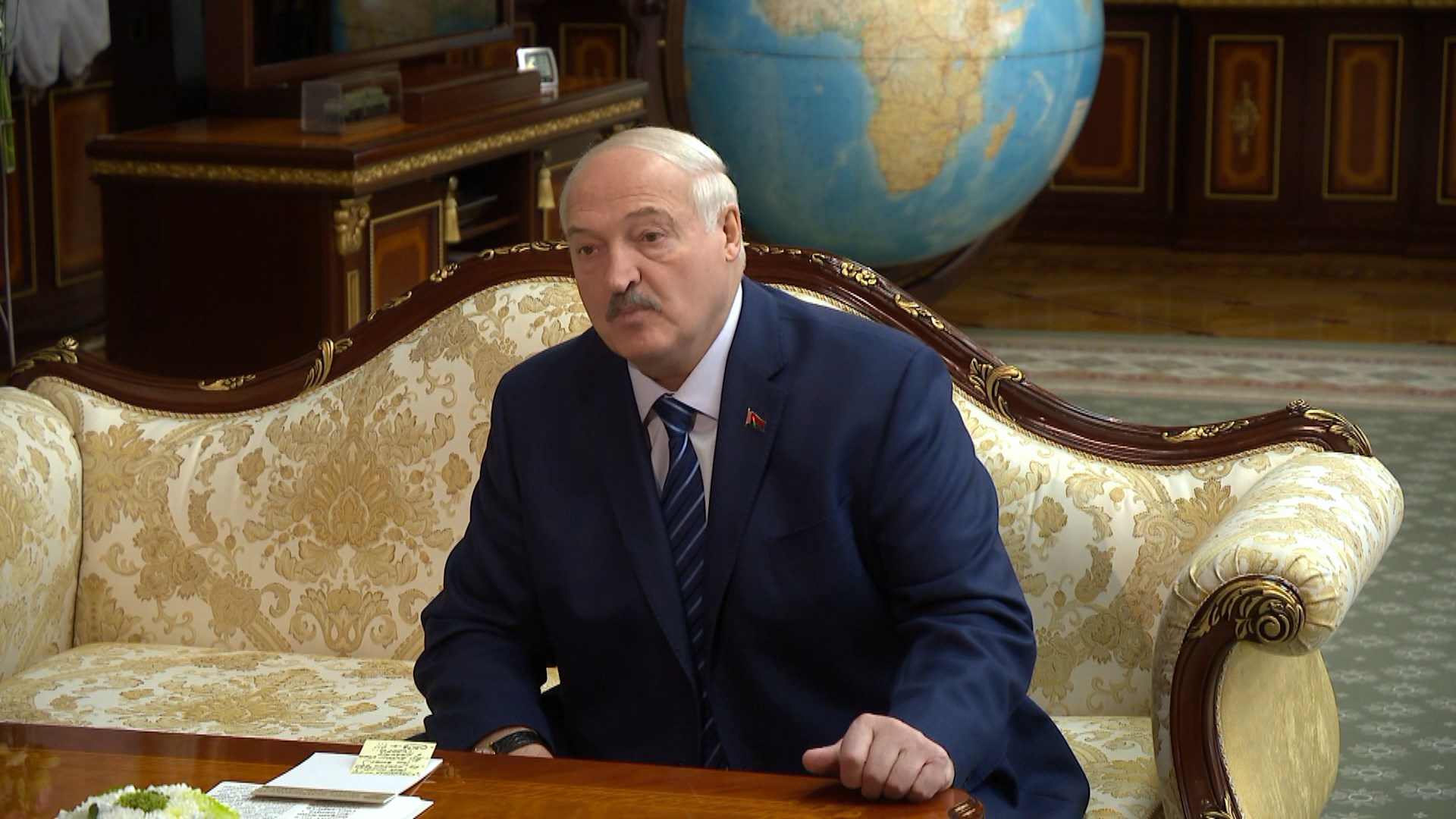
The agenda of the Supreme State Council meeting is compact, consisting of seven questions. The President of Belarus has already emphasized this—the emphasis is not on quantity, but on effectiveness. The people of both countries must feel the tangible impact of all decisions taken.
The good news: getting to the border region will soon be easier and faster. New railway routes are planned for this purpose. Rail service will connect Smolensk with Orsha and Vitebsk.
But not everything is entirely positive on the bilateral track. There are delays in the implementation of joint industrial projects. The presidents will discuss why the countries are stalling and how to improve the situation.
Oleg Dyachenko, Member of the House of Representatives of the National Assembly of Belarus:
"Without coordinating joint efforts, we will be unable to ensure either national security or military-technical security. Our task today is to strengthen the Union State, creating a more powerful union, not only through economic and military-political means, but also to work towards aligning the positions of the peoples of our countries, because this promotes mutual enrichment. Of course, our task today is to adequately respond to all the civilizational challenges posed to us by unfriendly alliances and countries around the world."
news.byhttps://s3-minsk.becloud.by/media-assets/news-by/cda272c1-a258-4479-952c-32752133de6a/conversions/d65deaf1-d6d7-4d29-9608-10f6742d7541-sm-___webp_480.webp 480w, https://s3-minsk.becloud.by/media-assets/news-by/cda272c1-a258-4479-952c-32752133de6a/conversions/d65deaf1-d6d7-4d29-9608-10f6742d7541-md-___webp_768.webp 768w, https://s3-minsk.becloud.by/media-assets/news-by/cda272c1-a258-4479-952c-32752133de6a/conversions/d65deaf1-d6d7-4d29-9608-10f6742d7541-lg-___webp_1280.webp 1280w, https://s3-minsk.becloud.by/media-assets/news-by/cda272c1-a258-4479-952c-32752133de6a/conversions/d65deaf1-d6d7-4d29-9608-10f6742d7541-xl-___webp_1920.webp 1920w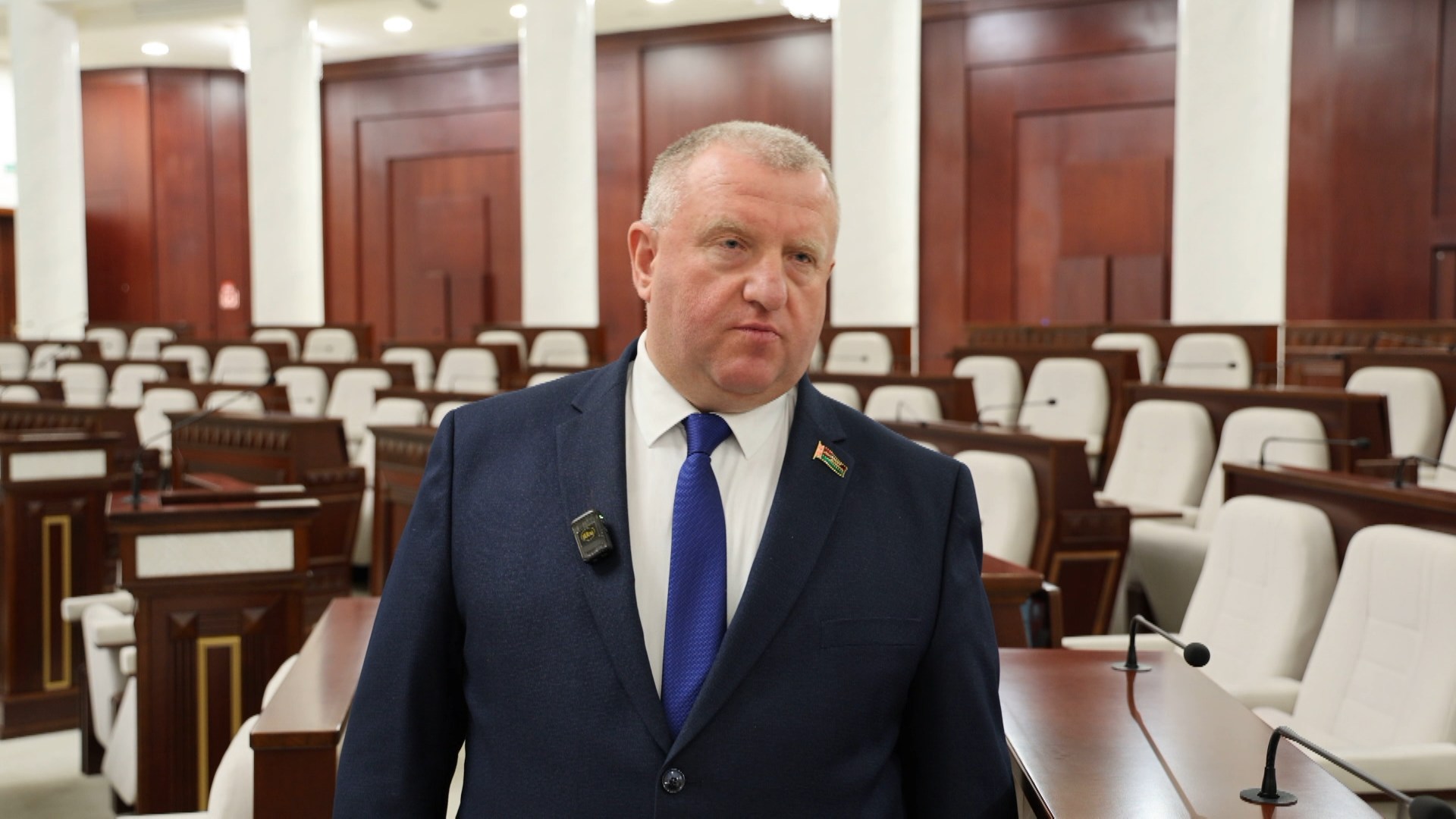
Another issue that will be discussed is the creation of a Union State Committee on Standardization and Quality. The market is enormous, and a barrier to questionable imports must be established. The new structure should act as a protective barrier and improve the quality of goods within the Union State.
Andrei Manoylo, political scientist and professor at Lomonosov Moscow State University (Russia):
"Russia and Belarus have been living under severe sanctions pressure for many years, primarily from the unfriendly West. Under these conditions, our countries would likely have experienced significant difficulties in overcoming the consequences of these sanctions separately. The Union State allows us to pool resources, efforts, and tools to counter sanctions pressure. In this regard, when the West attempts to restrict Belarus in any way, it encounters the combined might of Belarus and the Russian Federation. Attempts to isolate Belarus from Western markets do not produce the desired effect, because any attempt to restrict economic and foreign trade projects by the West immediately opens a window to the East for Belarus."
news.byhttps://s3-minsk.becloud.by/media-assets/news-by/56927f0a-d4b7-4d69-921e-5f2b58c3e7ab/conversions/fc2bb92b-3da9-400e-8252-778111ac1981-sm-___webp_480.webp 480w, https://s3-minsk.becloud.by/media-assets/news-by/56927f0a-d4b7-4d69-921e-5f2b58c3e7ab/conversions/fc2bb92b-3da9-400e-8252-778111ac1981-md-___webp_768.webp 768w, https://s3-minsk.becloud.by/media-assets/news-by/56927f0a-d4b7-4d69-921e-5f2b58c3e7ab/conversions/fc2bb92b-3da9-400e-8252-778111ac1981-lg-___webp_1280.webp 1280w, https://s3-minsk.becloud.by/media-assets/news-by/56927f0a-d4b7-4d69-921e-5f2b58c3e7ab/conversions/fc2bb92b-3da9-400e-8252-778111ac1981-xl-___webp_1920.webp 1920w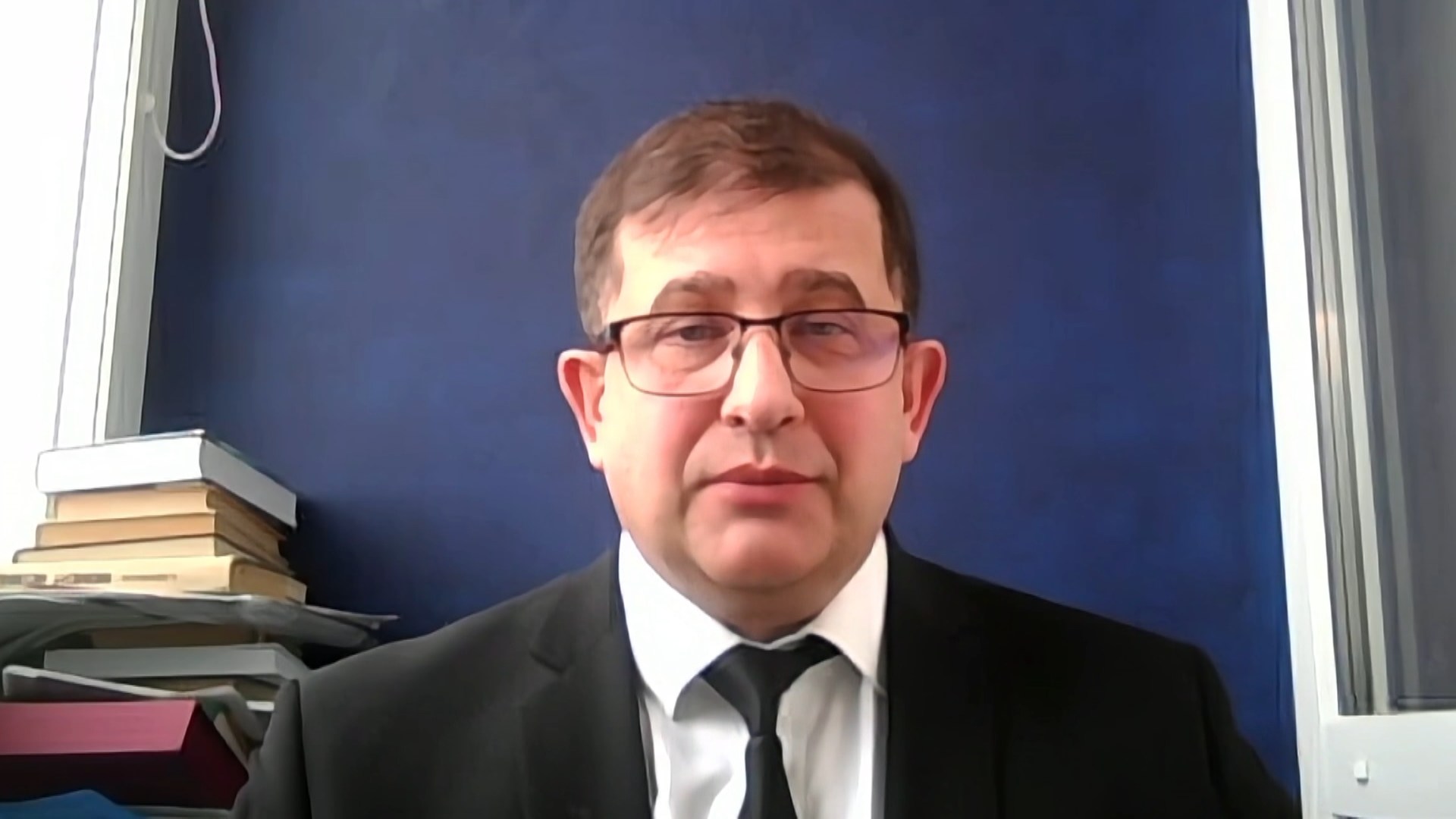
The issue of funding Union programs will also be discussed in Moscow. Clearly, there's no spare cash; subsidies must be carefully targeted and tailored to specific results.
In addition to negotiations at the Supreme State Council meeting, it's possible that the leaders of Belarus and Russia will meet in person.