3.79 BYN
2.80 BYN
3.21 BYN



From Cultural Program to Closed-Door Negotiations: How Informal CIS Summit in Russia Took Place
Text by:Editorial office news.by
From Cultural Program to Closed-Door Negotiations: How Informal CIS Summit in Russia Took Placenews.byhttps://s3-minsk.becloud.by/media-assets/news-by/d3007fe5-87a1-4e11-b88e-e95ebb18a861/conversions/ce050147-aca1-4805-8351-da2bc2786db3-sm-___webp_480.webp 480w, https://s3-minsk.becloud.by/media-assets/news-by/d3007fe5-87a1-4e11-b88e-e95ebb18a861/conversions/ce050147-aca1-4805-8351-da2bc2786db3-md-___webp_768.webp 768w, https://s3-minsk.becloud.by/media-assets/news-by/d3007fe5-87a1-4e11-b88e-e95ebb18a861/conversions/ce050147-aca1-4805-8351-da2bc2786db3-lg-___webp_1280.webp 1280w, https://s3-minsk.becloud.by/media-assets/news-by/d3007fe5-87a1-4e11-b88e-e95ebb18a861/conversions/ce050147-aca1-4805-8351-da2bc2786db3-xl-___webp_1920.webp 1920w
On December 22, the work at the highest level continued — the informal summit of the Heads of State of the Commonwealth of Independent States (CIS) took place. This format does not involve signing international documents and is often characterized by leaders discussing issues behind closed doors.
It’s not complete without a cultural program — the Hermitage was the venue for the summit. Leaders of the Commonwealth exchanged opinions on current international agenda items and discussed joint projects.
The Informal CIS Summit at the Hermitage
On Monday, December 22, the Hermitage was officially a day off, but this time, its halls were open only for participants of the informal CIS summit and accompanying delegations. There was no queue to enter, no ticket to pay — an ideal working day.
This has been a longstanding tradition of the Commonwealth — the Russian president annually invites colleagues to Saint Petersburg before the New Year for an informal summit.
As a rule, there is also a cultural program. In previous years, CIS leaders visited Peterhof, Tsarskoye Selo, and Pavlovsk Palace. Considering the busy schedules of politicians, who would have only a limited time to see masterpieces from the Hermitage collection, the route was carefully planned.
It is estimated that it would take eight years to visit all the halls and exhibits of the Hermitage, but visitors usually have just one day. For presidents, that’s a luxury, so an optimal route with the most visited exhibits was selected. Afterwards, the leaders moved to the “George Hall,” also known as the Grand Throne Hall, where the informal CIS summit took place.
Vladimir Putin, President of Russia:
"Over more than three decades, the Commonwealth has established itself as a reputable regional integration association, where participating countries build relations based on genuine neighborliness, equal partnership, mutual benefit, respect, and consideration of each other’s interests. Thanks to the CIS, we have preserved and significantly increased economic, social, cultural, and humanitarian ties developed over the years of living within one state."
news.byhttps://s3-minsk.becloud.by/media-assets/news-by/6ce387eb-c675-4246-b28c-a0c64fe298d8/conversions/6a1f1470-01a5-4b62-b82b-b620203542eb-sm-___webp_480.webp 480w, https://s3-minsk.becloud.by/media-assets/news-by/6ce387eb-c675-4246-b28c-a0c64fe298d8/conversions/6a1f1470-01a5-4b62-b82b-b620203542eb-md-___webp_768.webp 768w, https://s3-minsk.becloud.by/media-assets/news-by/6ce387eb-c675-4246-b28c-a0c64fe298d8/conversions/6a1f1470-01a5-4b62-b82b-b620203542eb-lg-___webp_1280.webp 1280w, https://s3-minsk.becloud.by/media-assets/news-by/6ce387eb-c675-4246-b28c-a0c64fe298d8/conversions/6a1f1470-01a5-4b62-b82b-b620203542eb-xl-___webp_1920.webp 1920w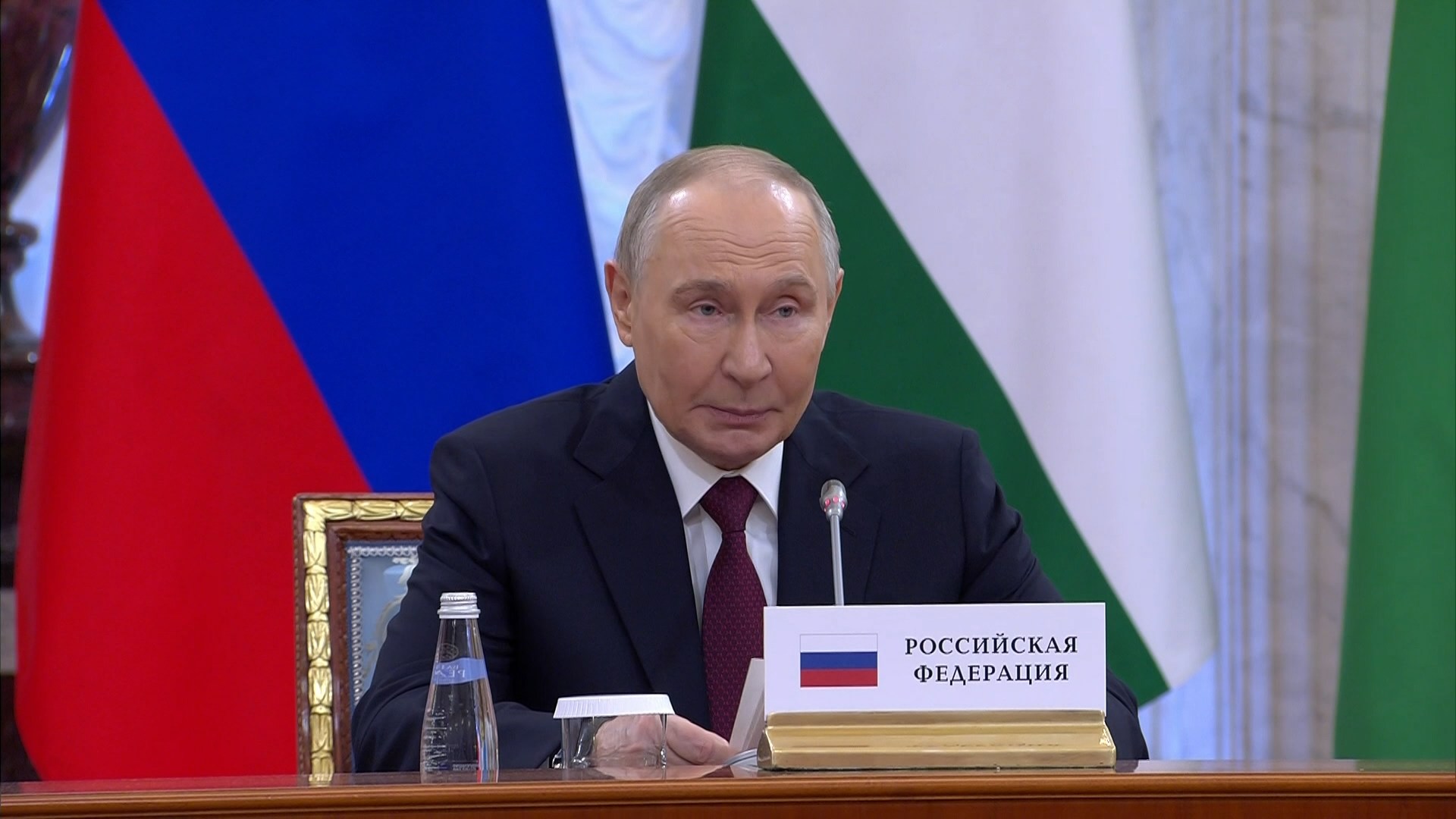
After this, the cameras left the hall, and the discussion continued behind closed doors. Previously, there were talks that the CIS was outdated (some called it ineffective), but such statements have quieted — now, there is a process of synchronizing integration formats.
Belarusian President Alexander Lukashenko has always been among those who unequivocally supported the preservation of the CIS, even during difficult moments, urging countries to stick together.
Vladimir Shapovalov, Deputy Director of the Institute of History and Politics at MPGU (Russia):
"The creation of the CIS allowed softening the negative effects of economic, political, and humanitarian shocks following the Soviet Union’s dissolution, helped maintain a sufficient level of relations in legal, political, economic, and humanitarian spheres. The activities of the CIS, which include numerous documents with international legal status adopted within the framework of the CIS, enabled effective cooperation development, restoration, and expansion of economic ties, solving humanitarian issues—including migration issues—and laying the foundation for regional security strengthening. All of this is part of the legacy and the present of the CIS."
news.byhttps://s3-minsk.becloud.by/media-assets/news-by/f73f879d-b6b3-42b4-8edd-5e43689c4b88/conversions/794a4d81-321b-4132-9bdb-bf89e95e6930-sm-___webp_480.webp 480w, https://s3-minsk.becloud.by/media-assets/news-by/f73f879d-b6b3-42b4-8edd-5e43689c4b88/conversions/794a4d81-321b-4132-9bdb-bf89e95e6930-md-___webp_768.webp 768w, https://s3-minsk.becloud.by/media-assets/news-by/f73f879d-b6b3-42b4-8edd-5e43689c4b88/conversions/794a4d81-321b-4132-9bdb-bf89e95e6930-lg-___webp_1280.webp 1280w, https://s3-minsk.becloud.by/media-assets/news-by/f73f879d-b6b3-42b4-8edd-5e43689c4b88/conversions/794a4d81-321b-4132-9bdb-bf89e95e6930-xl-___webp_1920.webp 1920w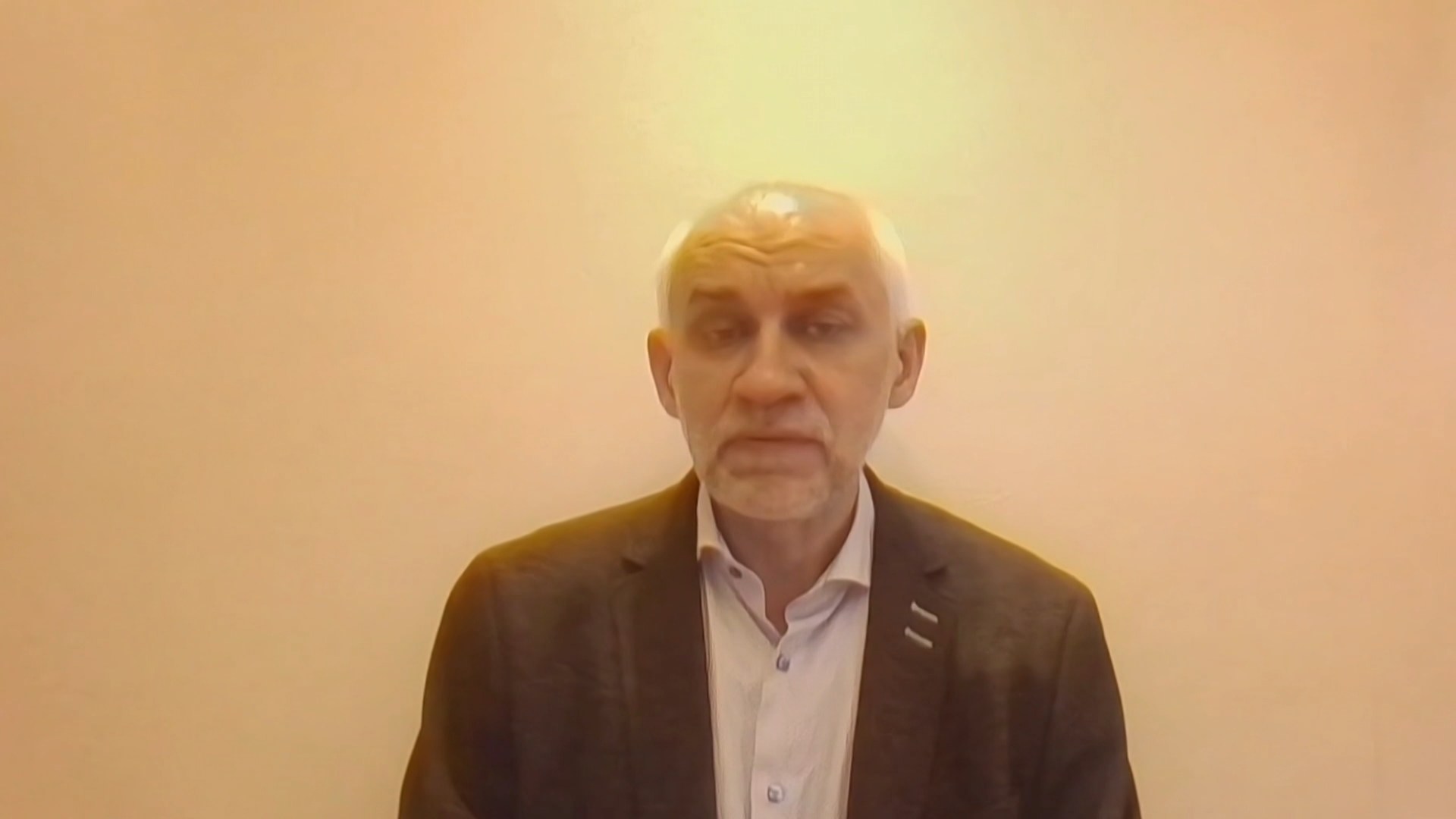
CIS Military Concept until 2030
New threats related to the military-political situation continually emerge within the CIS. Any danger to one of the Commonwealth’s states automatically becomes a threat to others. Prompt decisions are required to defend borders. Recently, a new military security concept was approved.
Timur Shafir, Secretary of the Union of Journalists of Russia:
"The world is very restless; global stability is constantly disrupted at CIS borders. As we see in the West and the South, tension points periodically arise, so using a range of military cooperation institutions is necessary and quite important for maintaining global stability in working condition and not forgetting that it can be filled with additional meanings and new opportunities."
news.byhttps://s3-minsk.becloud.by/media-assets/news-by/79235882-a2aa-4172-bc6c-a2cd1c425107/conversions/2066143d-54a3-4917-a572-6d6f0609ebd7-sm-___webp_480.webp 480w, https://s3-minsk.becloud.by/media-assets/news-by/79235882-a2aa-4172-bc6c-a2cd1c425107/conversions/2066143d-54a3-4917-a572-6d6f0609ebd7-md-___webp_768.webp 768w, https://s3-minsk.becloud.by/media-assets/news-by/79235882-a2aa-4172-bc6c-a2cd1c425107/conversions/2066143d-54a3-4917-a572-6d6f0609ebd7-lg-___webp_1280.webp 1280w, https://s3-minsk.becloud.by/media-assets/news-by/79235882-a2aa-4172-bc6c-a2cd1c425107/conversions/2066143d-54a3-4917-a572-6d6f0609ebd7-xl-___webp_1920.webp 1920w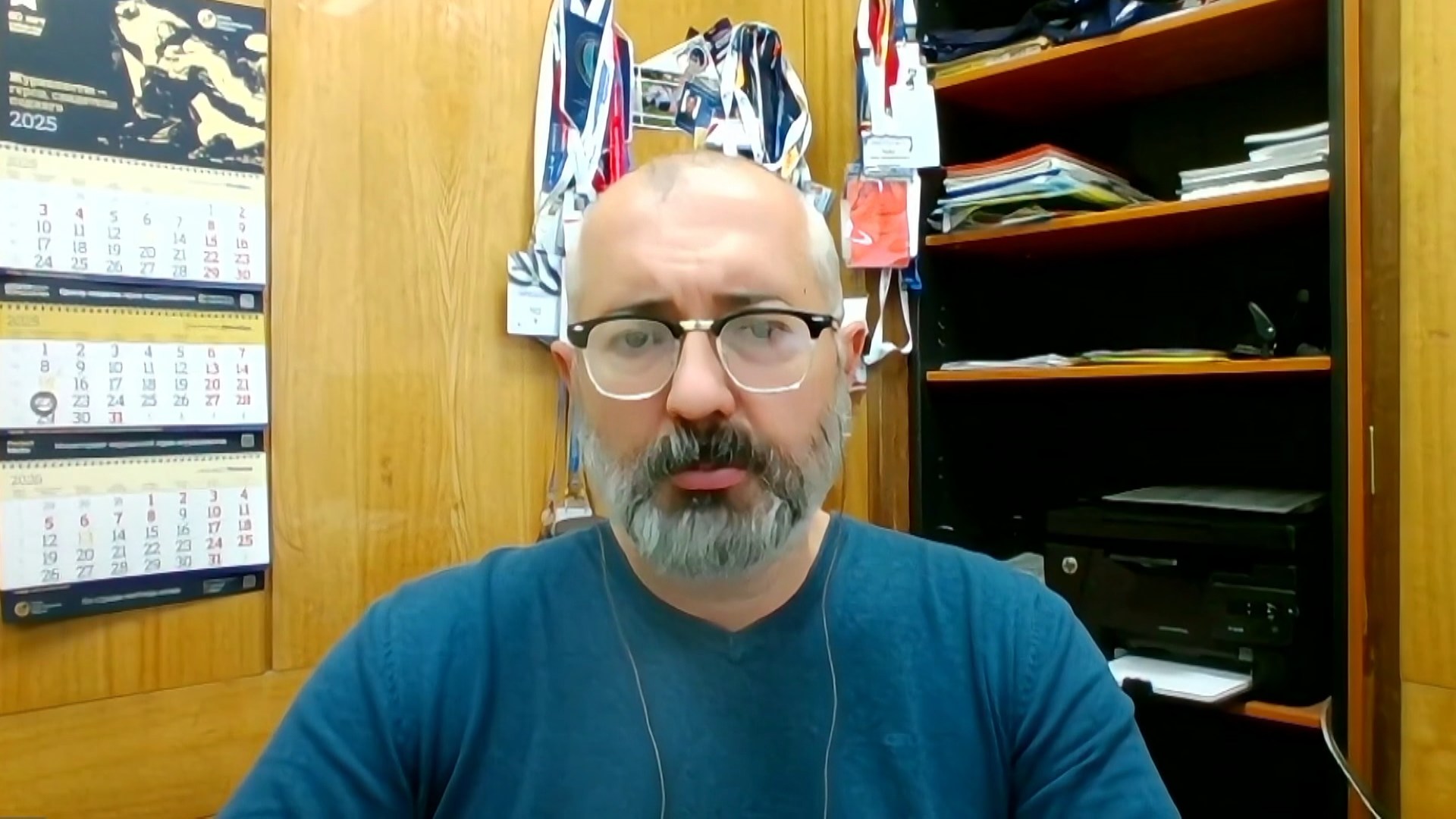
People should feel the effects of integration and receive tangible benefits. Belarusian President constantly reminds colleagues to create equal conditions, of course, without harming national interests.
The Commonwealth has strengthened its international positioning — recently, the format “CIS +” appeared, meaning other countries and even associations can establish cooperation. The Shanghai Cooperation Organization has already obtained observer status in the CIS.
Meanwhile, the heads of state worked with a different composition at the EAEU summit, which concluded Belarus’s chairmanship of the union. Despite remaining issues, the Belarusian leader emphasized that good results were achieved, as participants worked on the “Strategy” priorities and fulfilled almost all points.
Alexander Lukashenko, President of Belarus:
"According to estimates, from 2020 to 2024, the gross domestic product of the Union grew by 11%, industry by 15%, and agriculture by 10%. The unemployment rate in the Union was nearly 6% in 2020 and around 3% in 2024. In 2025, the main economic indicators of the EU maintained a positive trend. Salaries are rising in all member states, and the minimum unemployment rate remains. Over 2025, a solid foundation has been laid for a new stage of Eurasian and economic integration development."
news.byhttps://s3-minsk.becloud.by/media-assets/news-by/119a66f4-d0d8-4e13-b0c3-f094f323bafb/conversions/9f59eeeb-5686-4059-b668-17e684f8cad4-sm-___webp_480.webp 480w, https://s3-minsk.becloud.by/media-assets/news-by/119a66f4-d0d8-4e13-b0c3-f094f323bafb/conversions/9f59eeeb-5686-4059-b668-17e684f8cad4-md-___webp_768.webp 768w, https://s3-minsk.becloud.by/media-assets/news-by/119a66f4-d0d8-4e13-b0c3-f094f323bafb/conversions/9f59eeeb-5686-4059-b668-17e684f8cad4-lg-___webp_1280.webp 1280w, https://s3-minsk.becloud.by/media-assets/news-by/119a66f4-d0d8-4e13-b0c3-f094f323bafb/conversions/9f59eeeb-5686-4059-b668-17e684f8cad4-xl-___webp_1920.webp 1920w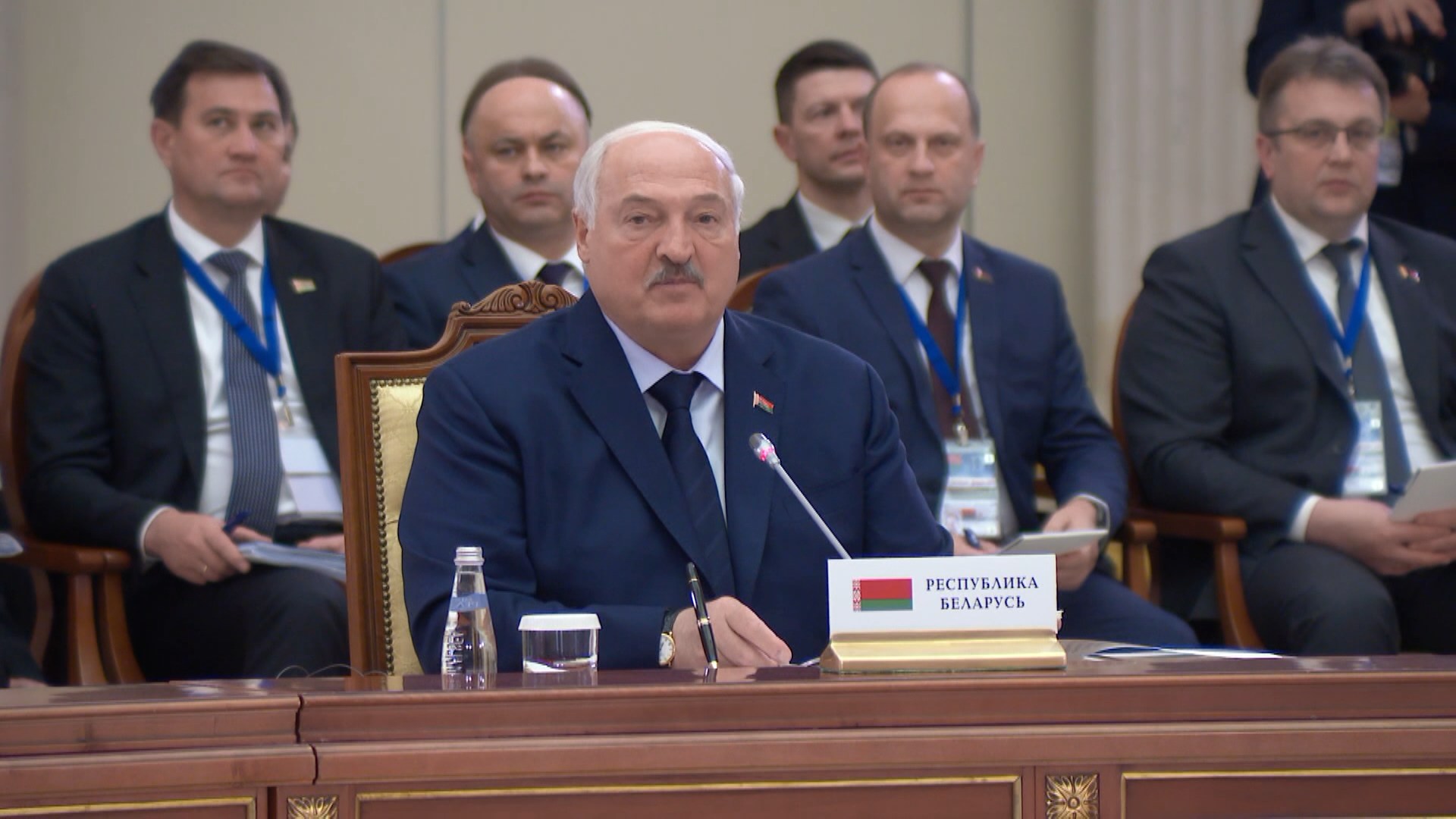
The politicians signed a new cooperation plan for the next five years and a separate long-term document. More countries are interested in becoming EAEU partners: recently, Indonesia signed a free trade agreement, and India is next.
Access to multi-million markets opens, and Uzbekistan expects to join the union as a full participant.
"The increasing interest of the global majority in partnership relations with our union indicates the relevance of the Eurasian integration model and emphasizes the role of our integration association as a hub of economic attraction despite the shortcomings we discussed in a narrow format. 2025, under Belarus’s chairmanship, was marked by efforts to bring new vitality and vision to the economic processes. Belarus’s initiative was not driven by short-term conjuncture or national interests but by long-term priorities relevant for all member states. Belarus’s chairmanship coincided with the end of the five-year development cycle of the Eurasian Economic Union. Summarizing the implementation of strategic directions for economic integration development, I can confidently say that, under immense external pressure, the union has not only preserved but also increased its significance for strengthening the economic potential of participating states," the Belarusian leader noted.
news.byhttps://s3-minsk.becloud.by/media-assets/news-by/4a513eb0-e14f-430f-9a18-5b84882872f5/conversions/17246f3c-6eee-4f24-afeb-01fc89d79c51-sm-___webp_480.webp 480w, https://s3-minsk.becloud.by/media-assets/news-by/4a513eb0-e14f-430f-9a18-5b84882872f5/conversions/17246f3c-6eee-4f24-afeb-01fc89d79c51-md-___webp_768.webp 768w, https://s3-minsk.becloud.by/media-assets/news-by/4a513eb0-e14f-430f-9a18-5b84882872f5/conversions/17246f3c-6eee-4f24-afeb-01fc89d79c51-lg-___webp_1280.webp 1280w, https://s3-minsk.becloud.by/media-assets/news-by/4a513eb0-e14f-430f-9a18-5b84882872f5/conversions/17246f3c-6eee-4f24-afeb-01fc89d79c51-xl-___webp_1920.webp 1920w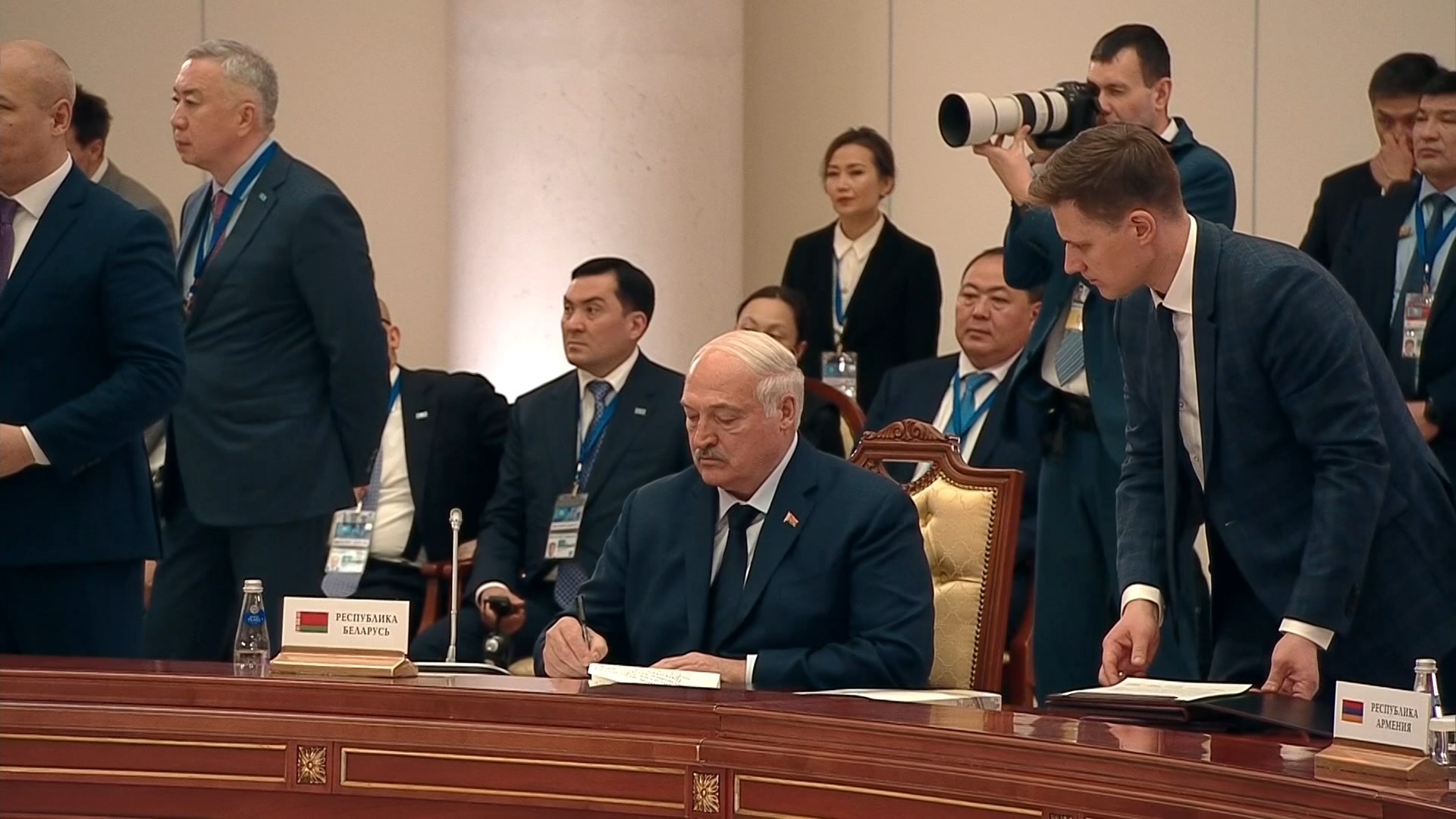
The EAEU surpassed the 10-year mark, and in 2026, it will celebrate 35 years since the organization of the CIS, so serious work lies ahead. Despite geopolitical turbulence, the Commonwealth continues to strengthen its status as a significant “center” of a multipolar world. The main goal is to preserve unity within the union.