3.77 BYN
2.82 BYN
3.21 BYN



Lavrov states that Belarus and Turkey could mediate in resolving Ukrainian conflict
Text by:Editorial office news.by
Lavrov states that Belarus and Turkey could mediate in resolving Ukrainian conflictnews.byhttps://s3-minsk.becloud.by/media-assets/news-by/9f83a075-2af4-4d79-b100-fb5a905081b4/conversions/55b75398-eca7-4afd-ad44-f28c0214dfab-sm-___webp_480.webp 480w, https://s3-minsk.becloud.by/media-assets/news-by/9f83a075-2af4-4d79-b100-fb5a905081b4/conversions/55b75398-eca7-4afd-ad44-f28c0214dfab-md-___webp_768.webp 768w, https://s3-minsk.becloud.by/media-assets/news-by/9f83a075-2af4-4d79-b100-fb5a905081b4/conversions/55b75398-eca7-4afd-ad44-f28c0214dfab-lg-___webp_1280.webp 1280w, https://s3-minsk.becloud.by/media-assets/news-by/9f83a075-2af4-4d79-b100-fb5a905081b4/conversions/55b75398-eca7-4afd-ad44-f28c0214dfab-xl-___webp_1920.webp 1920w
A meeting of the boards of the Foreign Ministries of Belarus and Russia was held in Moscow. Participants noted that they were able to openly and frankly discuss both Union State issues and the international agenda, where the common position of both countries plays a significant role.
Board meetings of the Foreign Ministries of Belarus and Russia are held annually and alternately. Thus, at the end of 2024, Sergey Lavrov paid a working visit to Brest, and on November 25, Maxim Ryzhenkov is in Moscow on a return visit.
At the beginning of the meeting, the Russian Foreign Minister noted that Belarus is Russia's closest ally and strategic partner. Relations between the countries within the Union State serve as an example for many of how to build an equal and mutually beneficial partnership, including at the diplomatic level.
That we are like-minded and moving in the same direction is evident in firm handshakes, smiles, and mutual trade figures. The economic growth of our countries is directly linked to the work of diplomats.
Despite Western and European sanctions, our trade and economic relations are showing impressive results. For example, based on the results of the first half of 2025, Belarus confidently ranks fourth among Russia's trading partners, surpassed only by such giants as China, India, and Turkey. Comparing these countries with Belarus, it's clear this is a great success.
Belarus and Russia are working together to respond to the West's aggressive policies. The United States is actively selling weapons to Europe, which in turn supplies them to Ukraine.
A dangerous situation is also developing on the western borders of the Union State: NATO is increasing its contingent, constantly conducting military exercises, and Poland and the Baltic states are increasingly engaging in provocations. One of these is the border crisis provoked by Lithuania.
Maxim Ryzhenkov, Minister of Foreign Affairs of Belarus:
"This is not so much the position of Lithuania as it is that of certain politicians currently in power. Their position is frankly situational, emotionally uninhibited, and to some extent even hysterical. Their position today clearly demonstrates that these politicians are driven not by the interests of the people, businesses, their country, and certainly not by Belarus or the European Union, but by some kind of directives from the Brussels or Washington 'regional committee.' If these politicians listened to the opinions of their citizens—and their continued tenure in office depended on it—they would have immediately entered into negotiations with the Belarusian side, as we propose, and resolved the entire layer of relations related to the Belarusian-Lithuanian border."
news.byhttps://s3-minsk.becloud.by/media-assets/news-by/c2b3e5a0-5c12-4249-8a26-7c8dadf09530/conversions/eddeed9b-3eff-4353-abfb-4fa5e55dca1f-sm-___webp_480.webp 480w, https://s3-minsk.becloud.by/media-assets/news-by/c2b3e5a0-5c12-4249-8a26-7c8dadf09530/conversions/eddeed9b-3eff-4353-abfb-4fa5e55dca1f-md-___webp_768.webp 768w, https://s3-minsk.becloud.by/media-assets/news-by/c2b3e5a0-5c12-4249-8a26-7c8dadf09530/conversions/eddeed9b-3eff-4353-abfb-4fa5e55dca1f-lg-___webp_1280.webp 1280w, https://s3-minsk.becloud.by/media-assets/news-by/c2b3e5a0-5c12-4249-8a26-7c8dadf09530/conversions/eddeed9b-3eff-4353-abfb-4fa5e55dca1f-xl-___webp_1920.webp 1920w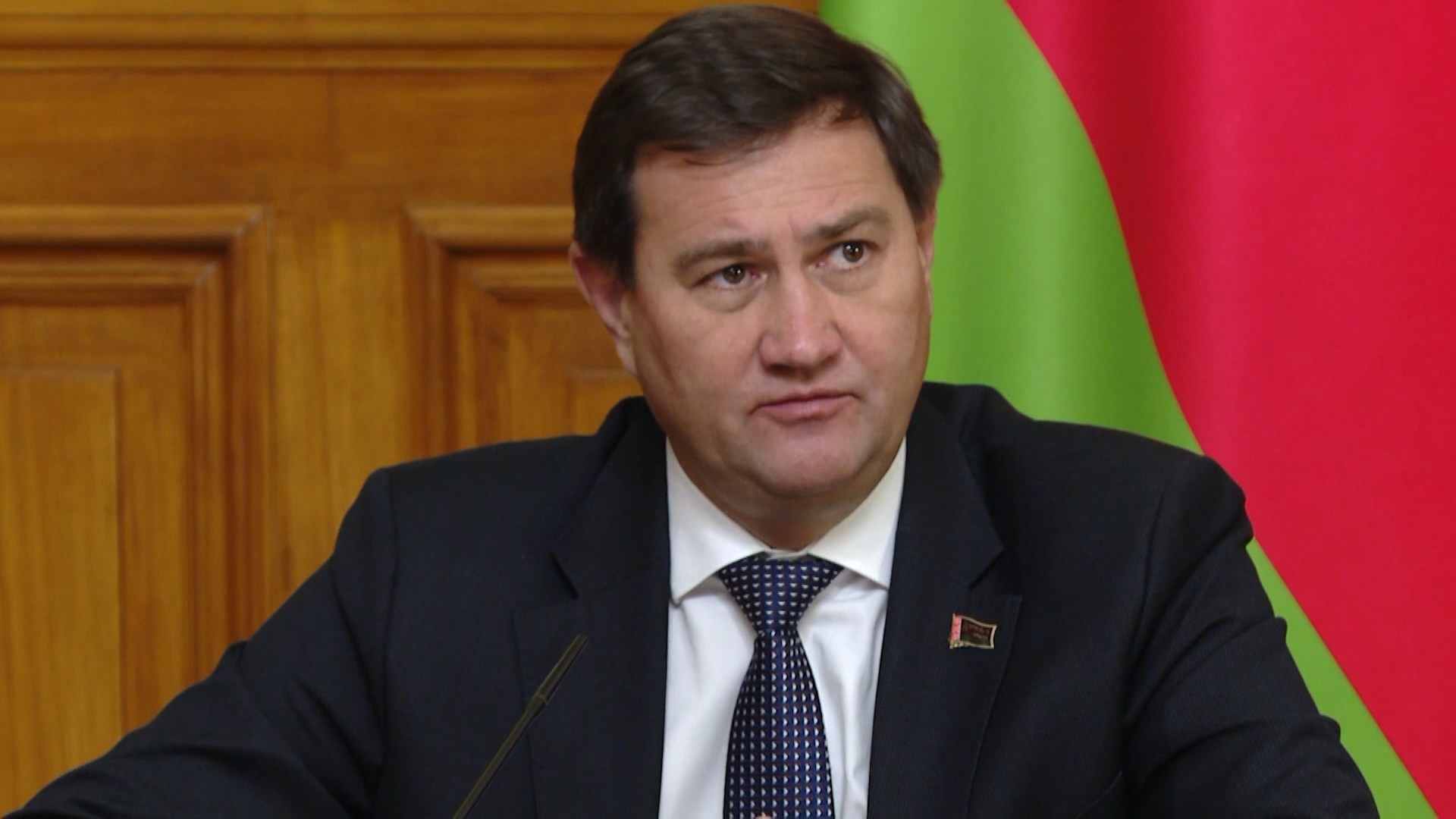
Belarus and Russia are firmly committed to defending their shared interests on the global stage. According to Sergei Lavrov, European countries have failed to participate in resolving the Ukrainian conflict. They constantly undermine the agreements reached, vehemently oppose the new Minsk agreements, and now they're not satisfied with Trump's peace plan either. It seems that Europe benefits more from war than peace.
Sergey Lavrov, Russian Foreign Minister:
"When Europeans say, 'We must be with Ukraine to the end, because Ukraine is fighting for our European values,' this means confessing. This means Europe is encouraging Nazism, which is legalized in Ukraine, and racism. Therefore, in this case, we see countries that can play a constructive role as mediators – Belarus and Turkey. We would be willing to see Belarus among those helping with practical matters. President Lukashenko has repeatedly stated that this has practical, rather than moral, significance for Belarus. Since Belarus is a neighbor of ours and Ukraine's, how security issues are resolved will, first and foremost, determine how Belarus feels."
news.byhttps://s3-minsk.becloud.by/media-assets/news-by/8a24fb6f-e51d-49f8-94e2-ce92ebf884f0/conversions/6ce11578-12d1-4871-8e7e-a480de4ed844-sm-___webp_480.webp 480w, https://s3-minsk.becloud.by/media-assets/news-by/8a24fb6f-e51d-49f8-94e2-ce92ebf884f0/conversions/6ce11578-12d1-4871-8e7e-a480de4ed844-md-___webp_768.webp 768w, https://s3-minsk.becloud.by/media-assets/news-by/8a24fb6f-e51d-49f8-94e2-ce92ebf884f0/conversions/6ce11578-12d1-4871-8e7e-a480de4ed844-lg-___webp_1280.webp 1280w, https://s3-minsk.becloud.by/media-assets/news-by/8a24fb6f-e51d-49f8-94e2-ce92ebf884f0/conversions/6ce11578-12d1-4871-8e7e-a480de4ed844-xl-___webp_1920.webp 1920w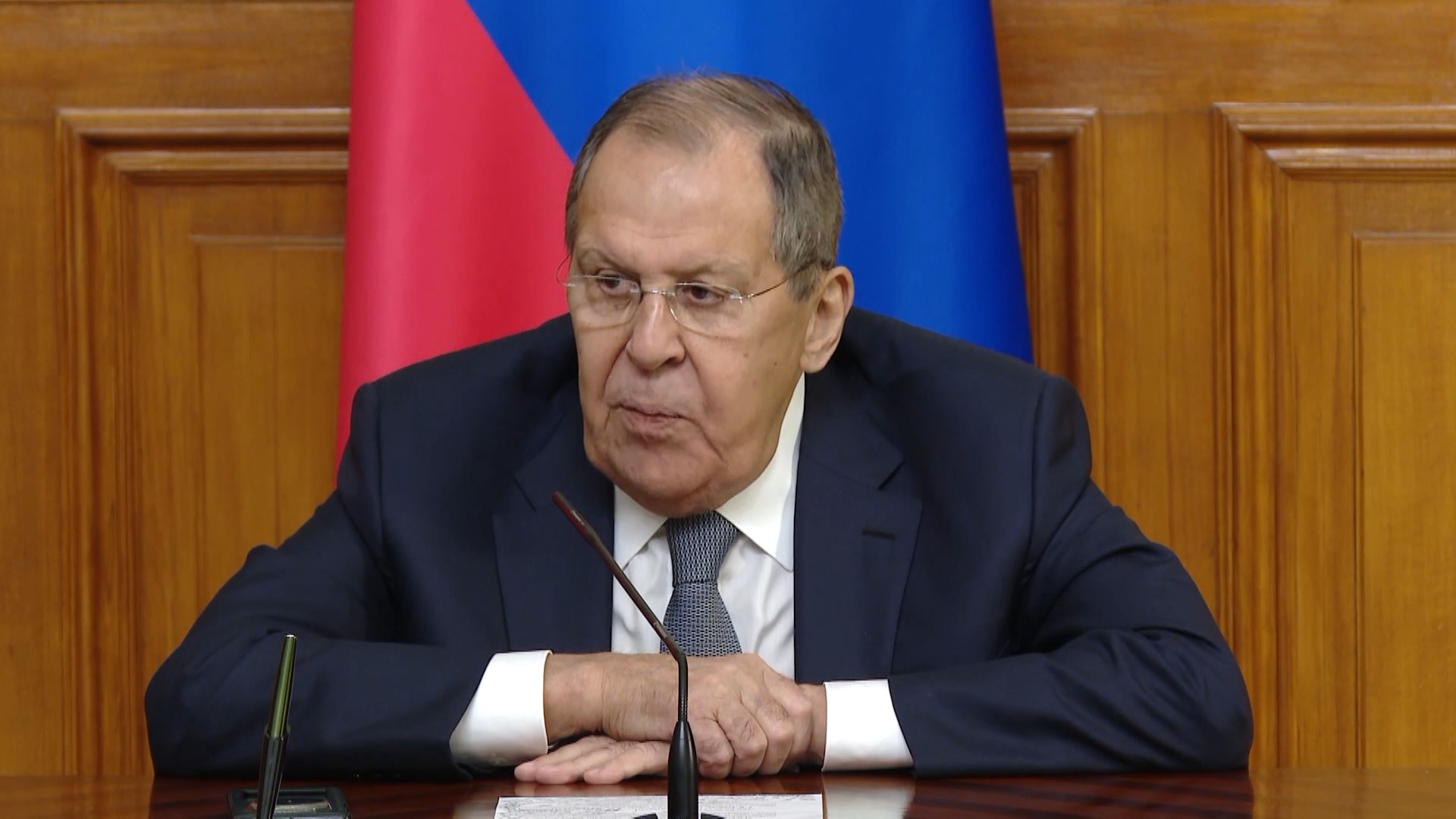
The Belarusian and Russian foreign ministers also discussed the information war against both countries. It's not weakening; on the contrary, it's becoming more brazen, brazen, and sophisticated. Therefore, it's crucial to communicate truthful information and the coordinated position of countries to the international community.
In the year of the 80th anniversary of the Great Victory, the parties discussed joint projects to preserve the historical truth about the Great Patriotic War and World War II. This concerns projects such as "Belarus Remembers" and "Immortal Regiment," as well as the "Candle of Memory," "Train of Memory," and "Garden of Memory" events, which involve schoolchildren and students from the Union State.