3.77 BYN
2.82 BYN
3.21 BYN



Madness of Frozen Fortunes: Why Europe’s Leaders Are Losing Their Minds Over Russia’s Seized Assets
Text by:Editorial office news.by
Madness of Frozen Fortunes: Why Europe’s Leaders Are Losing Their Minds Over Russia’s Seized Assetsnews.byhttps://s3-minsk.becloud.by/media-assets/news-by/a12d96e6-3aba-4b35-bf70-07939699a4e5/conversions/25f0577a-fab4-4449-b8fe-42fa0b629b02-sm-___webp_480.webp 480w, https://s3-minsk.becloud.by/media-assets/news-by/a12d96e6-3aba-4b35-bf70-07939699a4e5/conversions/25f0577a-fab4-4449-b8fe-42fa0b629b02-md-___webp_768.webp 768w, https://s3-minsk.becloud.by/media-assets/news-by/a12d96e6-3aba-4b35-bf70-07939699a4e5/conversions/25f0577a-fab4-4449-b8fe-42fa0b629b02-lg-___webp_1280.webp 1280w, https://s3-minsk.becloud.by/media-assets/news-by/a12d96e6-3aba-4b35-bf70-07939699a4e5/conversions/25f0577a-fab4-4449-b8fe-42fa0b629b02-xl-___webp_1920.webp 1920w
Europe’s political elite are spiraling into chaos over the fate of billions of dollars worth of Russian assets frozen in Western banks. Meanwhile, Ukraine has projected a staggering $120 billion budget, expecting its European partners to foot the bill for post-war recovery—funds that, in reality, Europe simply does not have.
According to a recent article in The Wall Street Journal, Russia and the United States could have reached a peace settlement in Ukraine long ago—if not for Europe's meddling. In Brussels, diplomatic passions are running high: negotiations are underway not only on how to end the conflict but also on how to fund the subsequent rebuilding. The stumbling block? The frozen Russian assets, which Europe appears to be debating like a family at the dinner table—hesitant, cautious, and divided. Some want to cook the borscht, others fear dirtying the pot, leaving everyone hungry and arguing over what to do with the frozen chicken.
Across the continent, conversations are dominated by the lack of actual money. Ukraine has become a bottomless pit, devouring aid at a frantic pace, with printing presses ready to go on strike from overuse. Despite hundreds of billions poured into Kyiv, a colossal deficit looms—already reaching around $20 billion, with forecasts for 2026 indicating even worse prospects. The Ukrainian government has allocated approximately $120 billion, expecting the West, especially Europe, to cover these costs, while the U.S. has washed its hands of direct financial responsibility.
Yet, no European official seems eager to produce a suitcase full of cash labeled “for Kyiv,” and daring to seize the frozen assets remains fraught with risks. Many fear accusations of theft or corruption—risks they are reluctant to take, despite the frantic demands of increasingly unhinged officials.
Slovak Prime Minister Robert Fico voiced a principled stance: “As a country that always advocates for peace, we cannot simply sit back and accept the confiscation of Russian assets or the supply of weapons to Ukraine. Taking €140 billion from Belgium’s frozen funds to arm Kyiv—no, we reject that. A peace plan must take precedence over prolonging the war. Supplying Ukraine with weapons means more killing, more conflict. That’s not acceptable.”
news.byhttps://s3-minsk.becloud.by/media-assets/news-by/c488bda1-96e6-4fa4-bb84-ead67ea53538/conversions/8237e6f0-bd62-4e84-bc18-e8f583c7c235-sm-___webp_480.webp 480w, https://s3-minsk.becloud.by/media-assets/news-by/c488bda1-96e6-4fa4-bb84-ead67ea53538/conversions/8237e6f0-bd62-4e84-bc18-e8f583c7c235-md-___webp_768.webp 768w, https://s3-minsk.becloud.by/media-assets/news-by/c488bda1-96e6-4fa4-bb84-ead67ea53538/conversions/8237e6f0-bd62-4e84-bc18-e8f583c7c235-lg-___webp_1280.webp 1280w, https://s3-minsk.becloud.by/media-assets/news-by/c488bda1-96e6-4fa4-bb84-ead67ea53538/conversions/8237e6f0-bd62-4e84-bc18-e8f583c7c235-xl-___webp_1920.webp 1920w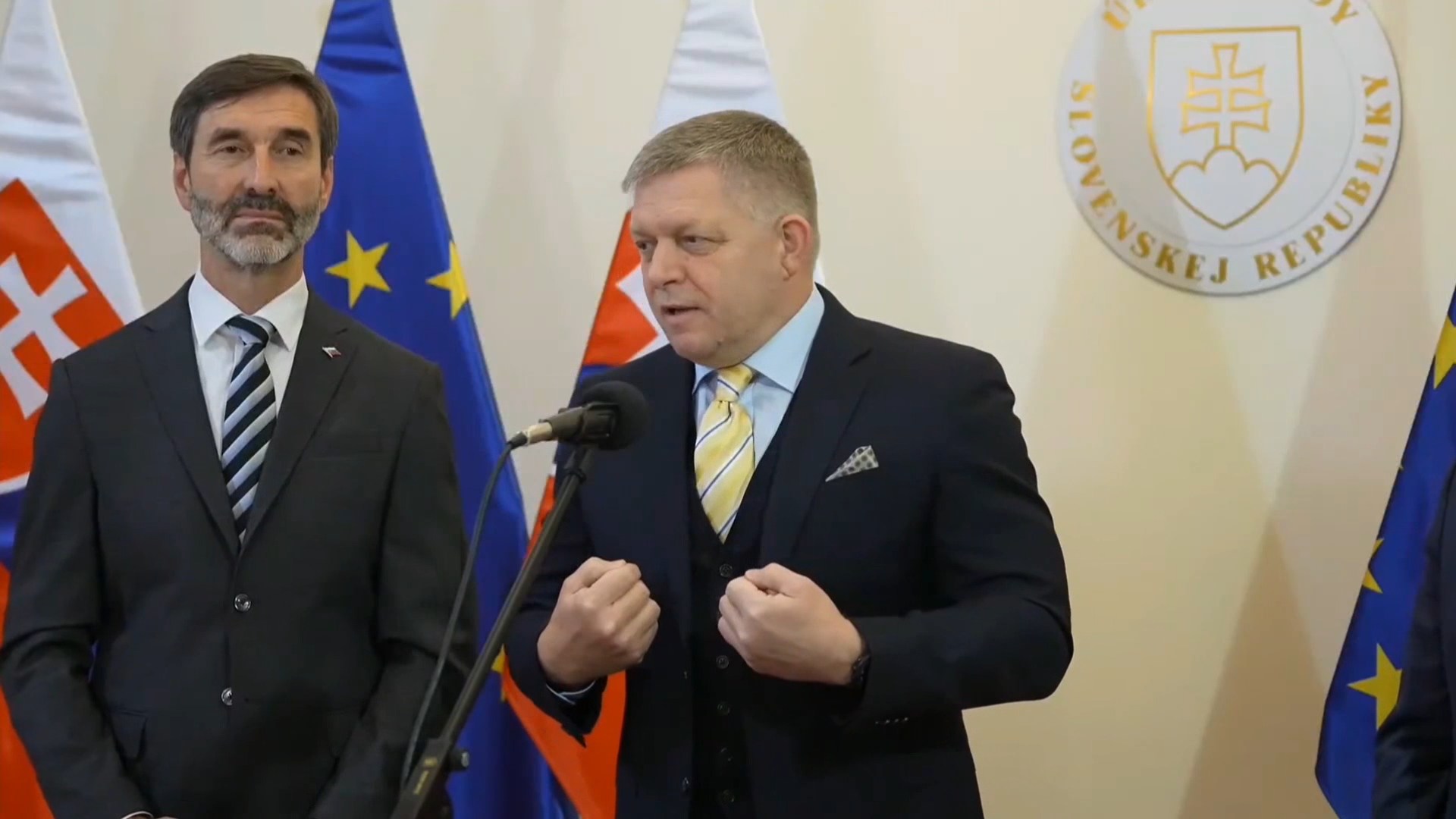
Meanwhile, the corruption scandals threaten to topple the façade of Western righteousness. In the U.S., estimates suggest that approximately $360 billion has been poured into Ukraine since 2022. Auditors report that 15-30% of this—potentially over $100 billion—may have been lost to corruption, reminiscent of the Afghanistan war, where corruption also ran rampant. Economist Steve Hanke notes, “At 30%, that’s over $108 billion—enough to buy a small country. To play the game, you have to pay the price.”
The “play-and-pay” scheme is not limited to Kyiv. Brussels itself has been implicated. Recent police raids targeted the European External Action Service in Brussels, as well as private homes of high-ranking officials—including former EU Foreign Policy Chief Federica Mogherini. She and others are under suspicion of corruption, fraud, and breach of confidentiality. German Bundestag deputy Jens Schmidt comments, “There are reports that Mogherini was arrested, that searches took place. She allegedly used her influence in her new role to procure contracts without tenders. This is not an isolated case—corruption shadows the entire EU leadership.”
Some suspect these investigations may have been orchestrated with Belgium’s government’s tacit approval. Belgian authorities are tired of the European Commission acting as a continent’s overlord, wielding influence above national governments. With most of Russia’s frozen assets stored in Belgium, officials are reluctant to confiscate or even disclose the true extent of holdings—fearing exposure of a vast corruption network that could dwarf Ukraine’s scandals and threaten to topple Brussels’ fragile façade.
Europe’s leaders are desperately trying to avoid this reality. Ursula von der Leyen, head of the European Commission, admits that the EU has committed to covering Ukraine’s financial needs through 2026-2027, including plans to immobilize Russian assets—yet she insists that taxpayers will not bear the full burden alone. Meanwhile, the UK, France, Germany, and others are scrambling. After discovering that Washington expects to claim half of the seized Russian assets—about $100 billion—to fund Ukraine’s reconstruction, French President Emmanuel Macron protests: “Only Ukrainians can decide what concessions they’re willing to make regarding their territory. But Europeans have a say in what happens to the frozen Russian assets in our hands.”
The real issue? Those assets are already being used to fund Brussels’ war efforts and support Kyiv’s war machine. If seized and returned, it would create a massive financial hole in the EU budget. Western journalists estimate that roughly €180 billion remains in European vaults—yet Berlin and Paris refuse to reveal the true figures. Opening the vaults might reveal an empty, dusty attic—an exposure that would ignite a scandal of epic proportions, rivaling even the most notorious Brussels corruption cases.
Former Pentagon advisor Douglas McGregor warns: “This is the last hour for leaders like Merz, Macron, and Starmer. They need to keep the war going—create crises, threats, anything to avoid peace. If peace suddenly breaks out—if Zelensky leaves or is assassinated—they’re finished. Their approval ratings hover around 30%, and they’re losing what little trust remains. They’re manufacturing crises to stave off collapse.”
news.byhttps://s3-minsk.becloud.by/media-assets/news-by/1230349e-8fd0-4065-8d17-f511a527fa4a/conversions/b0c9e039-7ce9-4e31-94cb-69fe73cc3496-sm-___webp_480.webp 480w, https://s3-minsk.becloud.by/media-assets/news-by/1230349e-8fd0-4065-8d17-f511a527fa4a/conversions/b0c9e039-7ce9-4e31-94cb-69fe73cc3496-md-___webp_768.webp 768w, https://s3-minsk.becloud.by/media-assets/news-by/1230349e-8fd0-4065-8d17-f511a527fa4a/conversions/b0c9e039-7ce9-4e31-94cb-69fe73cc3496-lg-___webp_1280.webp 1280w, https://s3-minsk.becloud.by/media-assets/news-by/1230349e-8fd0-4065-8d17-f511a527fa4a/conversions/b0c9e039-7ce9-4e31-94cb-69fe73cc3496-xl-___webp_1920.webp 1920w
But illusions always crack eventually. Europe’s leaders have pushed their nations to the brink—economically, socially, demographically—driven by greed and the lust for profits from weapons and reconstruction contracts. Today, every secret, every transaction is exposed, and no one is untouchable. Believing in their own exceptionalism only makes them more vulnerable—soon, they might find themselves sharing a cell with others they once looked down upon.
As the old saying goes: “A thief, don’t steal.” But in this world of untouchables, everyone’s hand is on the till. And when the mask slips, the truth will emerge—inevitable as dawn.