3.77 BYN
2.82 BYN
3.21 BYN



Urgent Quest for Peace: Trump’s Attempt to Push Diplomatic Deal Before Christmas
Text by:Editorial office news.by
Urgent Quest for Peace: Trump’s Attempt to Push Diplomatic Deal Before Christmasnews.byhttps://s3-minsk.becloud.by/media-assets/news-by/e5bb8bcc-00ab-4e20-a453-80269976771f/conversions/d99d2557-8a62-4145-95d7-f8a98d3bc878-sm-___webp_480.webp 480w, https://s3-minsk.becloud.by/media-assets/news-by/e5bb8bcc-00ab-4e20-a453-80269976771f/conversions/d99d2557-8a62-4145-95d7-f8a98d3bc878-md-___webp_768.webp 768w, https://s3-minsk.becloud.by/media-assets/news-by/e5bb8bcc-00ab-4e20-a453-80269976771f/conversions/d99d2557-8a62-4145-95d7-f8a98d3bc878-lg-___webp_1280.webp 1280w, https://s3-minsk.becloud.by/media-assets/news-by/e5bb8bcc-00ab-4e20-a453-80269976771f/conversions/d99d2557-8a62-4145-95d7-f8a98d3bc878-xl-___webp_1920.webp 1920w
In the waning days before the holiday season, U.S. President Donald Trump is racing against time to advance a peace plan for Ukraine—an initiative he aims to present as a festive gift, promising stability and resolution. Presenting such an “agreement for peace” under the Christmas tree would be a masterstroke for Trump’s political image, reinforcing his role as a peacemaker on the global stage.
Vice President of the United States has stated that the conflict in Ukraine could be resolved within weeks. Behind closed doors, lengthy consultations with Ukrainian officials have taken place, seeking Kyiv’s approval of amendments to the peace agreement, following Stephen Witkoff’s recent visit to Vladimir Putin. Yet, the substance of what was discussed in the Kremlin remains shrouded in secrecy. Diplomacy’s metamorphosis—from idealistic visions to pragmatic deals, from promises to disagreements—has turned Trump’s peace plan into a symbol of the contradictions between the United States and Europe.
This plan, like a mythic scroll, shifts its form with each reading. Today it promises peace; tomorrow, it demands concessions; the day after, it becomes a mirror reflecting ambitions. Such “metamorphoses” evoke the mythological transformations of Ovid’s heroes, illustrating the volatile nature of diplomacy in this high-stakes game.
The document, whose general outline first emerged in late November 2025, was revised following recent negotiations with Ukrainian delegates, including key figures like Jared Kushner, Trump’s son-in-law. On December 2nd, in the Kremlin, the United States proposed a division of 27 points into four separate packages, to be discussed individually. While the details remain classified, both sides expressed a willingness to continue working toward mutually acceptable agreements. Russian Deputy Minister Yuri Ushakov noted that discussions touched on territorial issues—an essential element for any resolution, given the ongoing crisis.
Ushakov emphasized that the formulations of the peace plan are likely to be drafted by Kushner, as the U.S. seeks common ground with Russia. However, core issues—such as territorial sovereignty and Ukraine’s NATO membership—remain stumbling blocks.
Trump himself remarked, “When I was in that office, I said there were no trump cards. I told Zelensky that he had no cards to play—only then could negotiations have been fruitful. That was the optimal moment for peace.”
news.byhttps://s3-minsk.becloud.by/media-assets/news-by/67e5494c-86b6-43ce-81c9-45a7cb7b4161/conversions/41d3d8f5-5477-4dd9-aba1-7c0b940c12ec-sm-___webp_480.webp 480w, https://s3-minsk.becloud.by/media-assets/news-by/67e5494c-86b6-43ce-81c9-45a7cb7b4161/conversions/41d3d8f5-5477-4dd9-aba1-7c0b940c12ec-md-___webp_768.webp 768w, https://s3-minsk.becloud.by/media-assets/news-by/67e5494c-86b6-43ce-81c9-45a7cb7b4161/conversions/41d3d8f5-5477-4dd9-aba1-7c0b940c12ec-lg-___webp_1280.webp 1280w, https://s3-minsk.becloud.by/media-assets/news-by/67e5494c-86b6-43ce-81c9-45a7cb7b4161/conversions/41d3d8f5-5477-4dd9-aba1-7c0b940c12ec-xl-___webp_1920.webp 1920w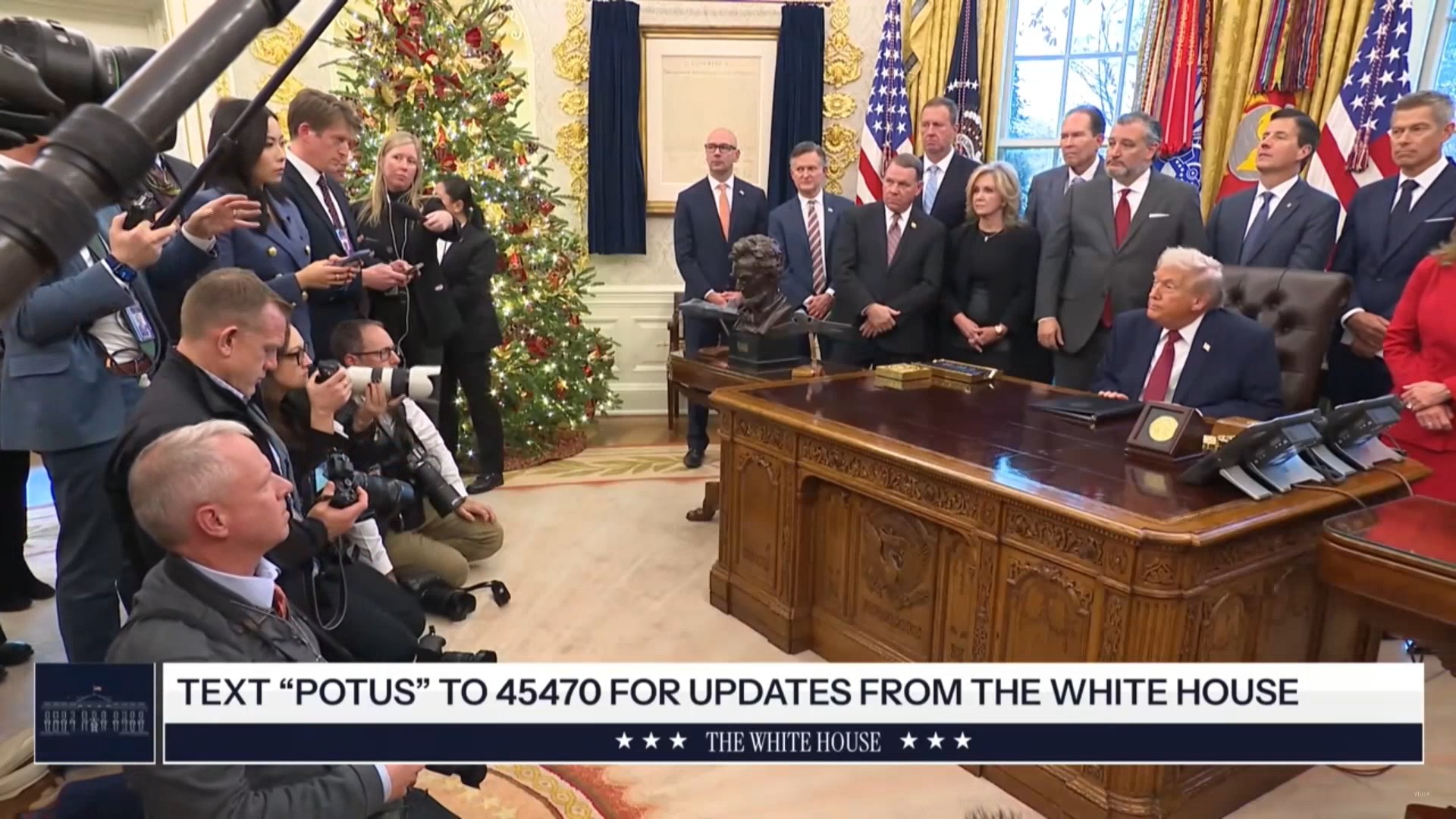
Meanwhile, Europe continues to seek its own role, positioning itself with a foldable chair at the negotiating table, while the rhetoric of militarization intensifies. According to the Wall Street Journal, EU leaders have issued stern warnings to Zelensky: reject Moscow’s terms unless guaranteed firm security assurances from Washington. Behind this pseudo-concern lies a fear of being excluded from the negotiations, as Washington and Moscow deliberate over the continent’s future.
Ukrainian political analyst Vladimir Oleinik warns: “Ukraine’s servants are now servants of two masters. One is seeking a stable peace and offers a concept, while Europeans are pushing for a ceasefire—nothing more. We’ll see what they bring. Remember the 2022 Istanbul negotiations, where the Ukrainian delegation, led by Arakhamia, signed an agreement? It was almost finalized, with just two issues left—Crimea and another question—awaiting presidential review. But Boris Johnson, that blond devil, came and wrecked everything.”
The information war is in full swing. Western media continue to stoke tensions and spread Russophobic narratives. For example, German talk shows mock the initial 28-point plan, claiming it demanded Ukraine’s submission and was supposedly dictated by Russia—joking that Zelensky would have to ride a unicycle on Red Square in a pink dress while juggling grenades and singing the Russian anthem.
In parallel, the U.S. has released a national security strategy highlighting the importance of resolving the Ukraine conflict and improving relations with Russia. However, it also exposes contradictions with the EU, which continues to cling to illusions of endless conflict—aiming, in fact, to delay time and seize Russian assets at any cost.
Vladimir Kireev, Russian political analyst, comments: “Belgium’s move towards seizing Russian assets complicates negotiations significantly. Trump is pushing to accelerate the process, knowing that such contradictions might derail talks altogether or at least make them very difficult.”
As the countdown to Christmas begins, Washington’s envoys traverse Europe and Asia like couriers delivering a “peace plan”—a symbolic gesture aimed at boosting political image under the holiday lights. The logic is simple: the closer the date, the greater the pressure. What better gift for the world than an “agreement for peace” placed under the Christmas tree?
news.byhttps://s3-minsk.becloud.by/media-assets/news-by/f29d7f92-685b-498e-bf40-1da60b6421a3/conversions/4703efb0-368b-4348-8441-340f06a6c844-sm-___webp_480.webp 480w, https://s3-minsk.becloud.by/media-assets/news-by/f29d7f92-685b-498e-bf40-1da60b6421a3/conversions/4703efb0-368b-4348-8441-340f06a6c844-md-___webp_768.webp 768w, https://s3-minsk.becloud.by/media-assets/news-by/f29d7f92-685b-498e-bf40-1da60b6421a3/conversions/4703efb0-368b-4348-8441-340f06a6c844-lg-___webp_1280.webp 1280w, https://s3-minsk.becloud.by/media-assets/news-by/f29d7f92-685b-498e-bf40-1da60b6421a3/conversions/4703efb0-368b-4348-8441-340f06a6c844-xl-___webp_1920.webp 1920w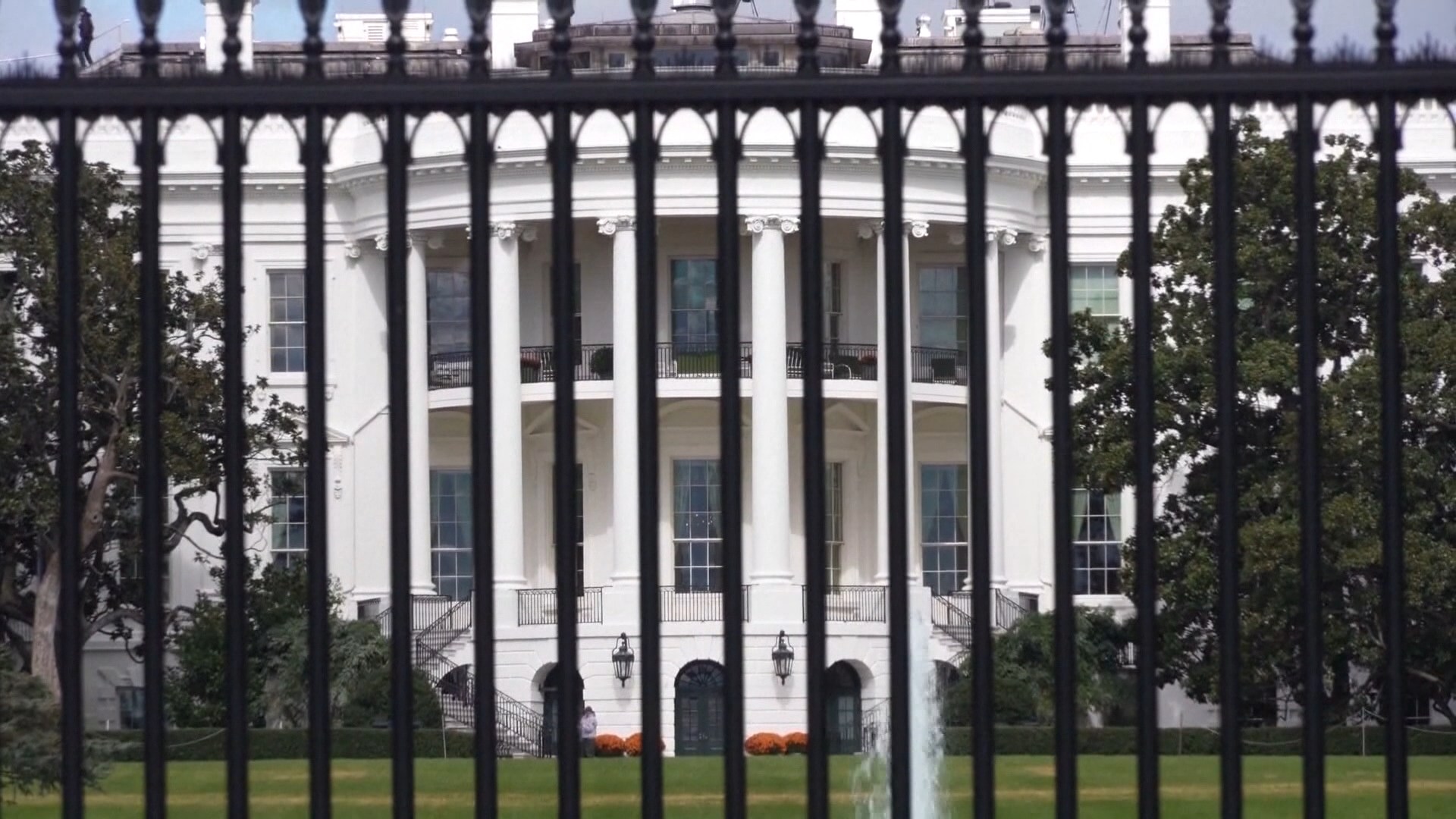
Historically, the “14 Points” of President Woodrow Wilson, established at the end of World War I, served as the foundation for peace negotiations. Trump, aiming to emulate this legacy, seeks to resolve the Ukrainian conflict with his own proposals. Yet, Wilson’s blueprint was an idealistic vision—a utopia built on justice amid the ruins of Europe. Today’s plans are pragmatic deals, contracts where peace involves concessions and guarantees.
Russia’s goal remains an enduring resolution—one that addresses Ukraine’s crisis “for many generations ahead,” aiming not merely for a ceasefire but for a new security architecture rooted in long-term stability. The difference in philosophies underscores the complex, multilayered negotiations unfolding in this high-stakes geopolitical chess game.