3.84 BYN
2.77 BYN
3.20 BYN



Lukashenko appoints new ministers, heads of media, enterprises, and diplomatic corps
Text by:Editorial office news.by
Lukashenko appoints new ministers, heads of media, enterprises, and diplomatic corpsnews.byhttps://s3-minsk.becloud.by/media-assets/news-by/a062915f-8383-410b-9737-e3d0625e441d/conversions/41c04704-e5fc-4e66-9894-6414a3a6a30f-sm-___webp_480.webp 480w, https://s3-minsk.becloud.by/media-assets/news-by/a062915f-8383-410b-9737-e3d0625e441d/conversions/41c04704-e5fc-4e66-9894-6414a3a6a30f-md-___webp_768.webp 768w, https://s3-minsk.becloud.by/media-assets/news-by/a062915f-8383-410b-9737-e3d0625e441d/conversions/41c04704-e5fc-4e66-9894-6414a3a6a30f-lg-___webp_1280.webp 1280w, https://s3-minsk.becloud.by/media-assets/news-by/a062915f-8383-410b-9737-e3d0625e441d/conversions/41c04704-e5fc-4e66-9894-6414a3a6a30f-xl-___webp_1920.webp 1920w
Personnel review on Thursday at the Palace of Independence: On June 11, Belarusian President Alexander Lukashenko appointed and approved new leaders in various areas – a number of ministries, the diplomatic corps, large enterprises, local verticals, and the media sector.
Everyone faces both operational and strategic tasks. In addition to fulfilling their immediate responsibilities, they must seek out new projects within the sector, whether it's a newspaper or equipment manufacturing.
All innovations, everything that could potentially generate profit for the country, are primarily based on people, and this is the job that leaders are primarily focused on.
"All candidates have been vetted, no questions asked" – this is how the overall level of personnel selection will be determined almost immediately. Of course, neither random people nor those in the presidential cabinet are appointed to positions of responsibility – their business reputation must be exceptional.
The first round will feature Maxim Lysenko and Olga Anufrieva, well-known figures in the Ministry of Natural Resources and the Zvyazda newspaper.
We began our discussion broadly with the work of the Ministry of Natural Resources: Maxim Lysenko will be running for the post of new minister. According to the head of state, he must be up-to-date on absolutely everything – from the rational use of resources to environmental safety and waste management.
Water, air, land, and animals are all under their purview, especially since the transfer of the State Inspectorate for the Protection of Wildlife and Flora to the Ministry of Natural Resources is currently on the agenda. This structure was once created specifically to address poaching issues. They've worked so hard that today in Belarus, you don't even need to travel to special parks to observe moose, bison, wolves, and bears.
Alexander Lukashenko, President of Belarus:
"There must be order on earth—that's the first priority. There must be order in nature. And there must be results in other areas, too. I took the risk of appointing my first deputy minister because, after all, you're in the know. When a new leader comes in, we need to understand the situation. If the inspectorate is part of your ministry, then you won't need to be distracted by the ministry to get involved. And you'll have to pay more attention to the inspectorate. Nothing terrible will happen if the inspectorate is part of the ministry."
news.byhttps://s3-minsk.becloud.by/media-assets/news-by/4f3c8aca-119f-4f4f-9df5-23c1a2409c0c/conversions/9005a0ec-e645-4e51-ad3b-6071cc0f4b26-sm-___webp_480.webp 480w, https://s3-minsk.becloud.by/media-assets/news-by/4f3c8aca-119f-4f4f-9df5-23c1a2409c0c/conversions/9005a0ec-e645-4e51-ad3b-6071cc0f4b26-md-___webp_768.webp 768w, https://s3-minsk.becloud.by/media-assets/news-by/4f3c8aca-119f-4f4f-9df5-23c1a2409c0c/conversions/9005a0ec-e645-4e51-ad3b-6071cc0f4b26-lg-___webp_1280.webp 1280w, https://s3-minsk.becloud.by/media-assets/news-by/4f3c8aca-119f-4f4f-9df5-23c1a2409c0c/conversions/9005a0ec-e645-4e51-ad3b-6071cc0f4b26-xl-___webp_1920.webp 1920w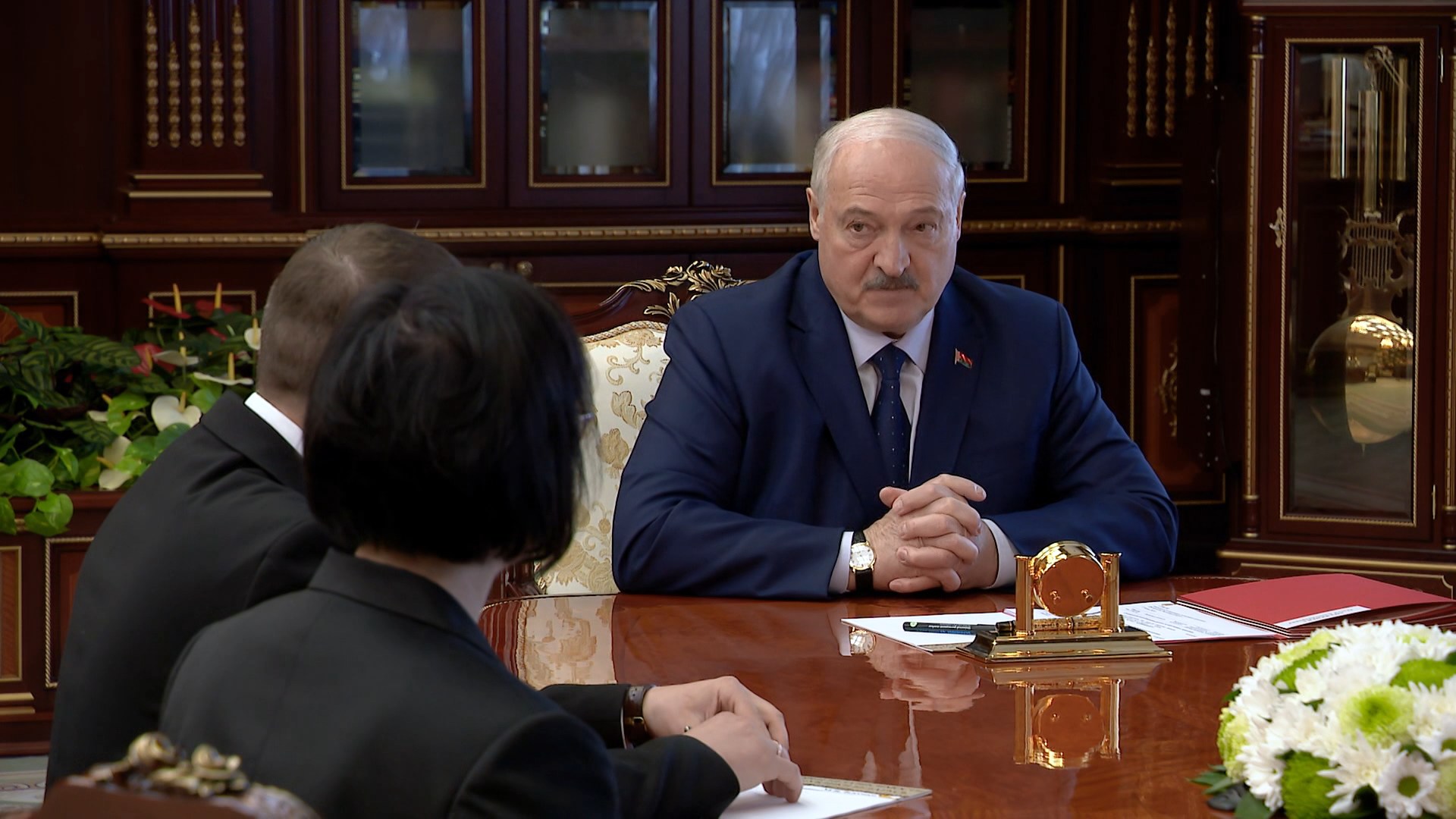
The Belarusian leader warned the new head of the department, Maxim Lysenko, that the demand would be very high: "A crucial ministry. As I often say, Belarus is an island of stability and, most importantly, of nature, a love of nature."
As for the media sphere, Olga Anufrieva is well known to her colleagues; she was long the editor-in-chief of the Zvyazda media holding company and will now head the Belarus Segodnya Publishing House: this position was vacant for several months.
"I always have your work on my desk every morning. And I really hope you'll cope with it. Especially since media executives and our creative ministers recommend and don't object to Olga's appointment. Not only Zvyazda, but especially Belarus Segodnia, is on my desk. I can't say I read every newspaper, because there's plenty to read. But I do check out the topics. Moreover, I'm an informed person, generally familiar with the issues you raise," the head of state noted.
Both new leaders are confident that the new appointment will be greatly supported by the team. There's no need to waste time getting to know colleagues—that's one of the advantages of making appointments within the sector. As for the Ministry of Natural Resources, the first thing they will address is waste disposal decisions.
Maxim Lysenko, Minister of Natural Resources and Environmental Protection:
"I recently visited the Kyrgyz Republic to observe their experience in building waste incineration plants, as one of their areas of focus. Again, separate waste collection remains a priority, but we've already built 10 waste processing plants. So, we need to get them up and running properly, and I think we'll make progress on this issue."
news.byhttps://s3-minsk.becloud.by/media-assets/news-by/f1e9238a-6e08-4f5a-b7b6-31b630524d9d/conversions/5ac9c795-d2c8-4be7-ba17-cc54aa9f8e7f-sm-___webp_480.webp 480w, https://s3-minsk.becloud.by/media-assets/news-by/f1e9238a-6e08-4f5a-b7b6-31b630524d9d/conversions/5ac9c795-d2c8-4be7-ba17-cc54aa9f8e7f-md-___webp_768.webp 768w, https://s3-minsk.becloud.by/media-assets/news-by/f1e9238a-6e08-4f5a-b7b6-31b630524d9d/conversions/5ac9c795-d2c8-4be7-ba17-cc54aa9f8e7f-lg-___webp_1280.webp 1280w, https://s3-minsk.becloud.by/media-assets/news-by/f1e9238a-6e08-4f5a-b7b6-31b630524d9d/conversions/5ac9c795-d2c8-4be7-ba17-cc54aa9f8e7f-xl-___webp_1920.webp 1920w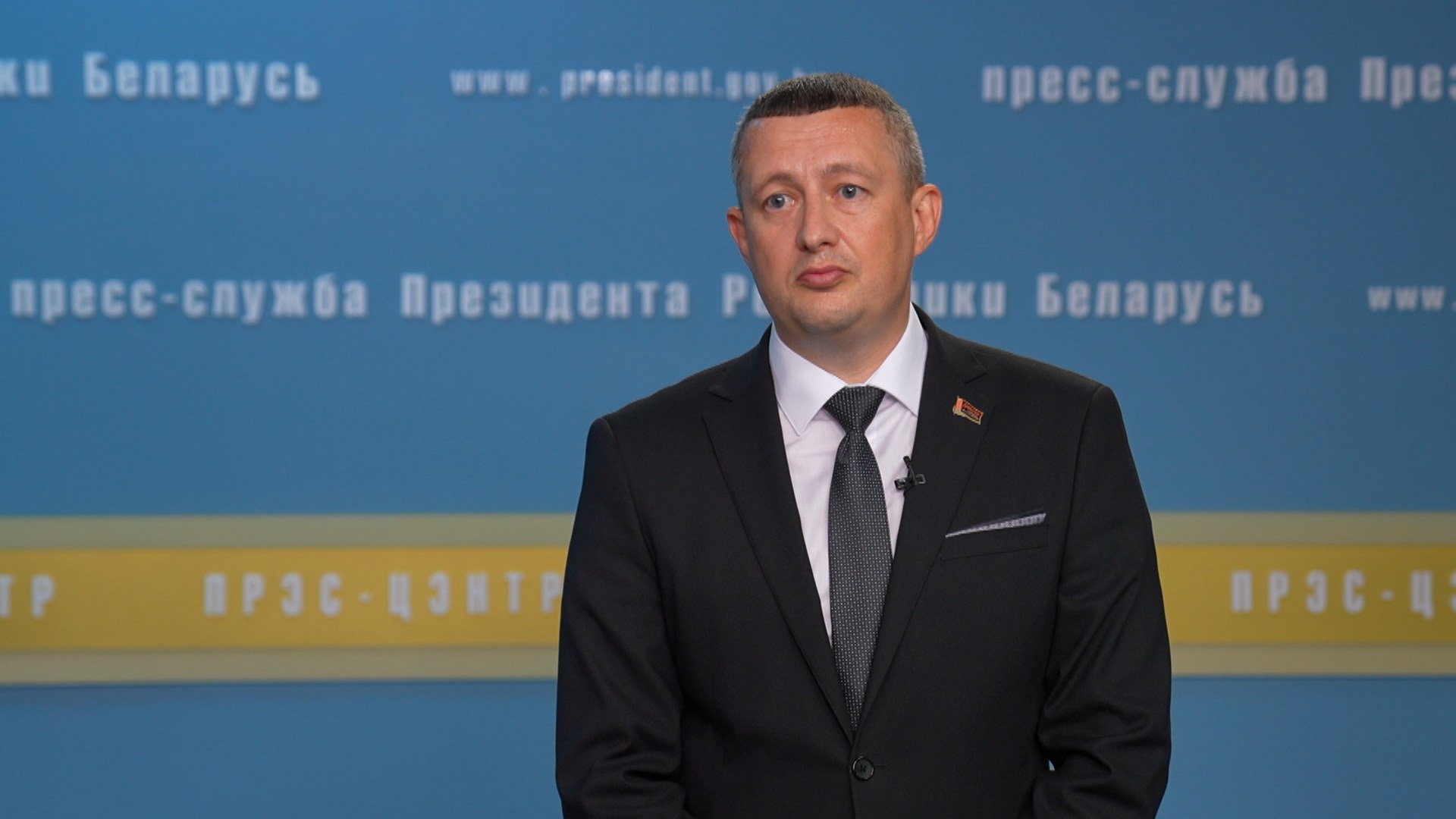
"I know the team I'm heading today well; they're hard-working and very talented, and I think that together we can tackle all the challenges we face," emphasized Olga Anufrieva, Director and Editor-in-Chief of the Belarus Segodnya Publishing House.
news.byhttps://s3-minsk.becloud.by/media-assets/news-by/1d8d47b3-3bc8-43eb-b5e8-b745e63d229a/conversions/dfdfd76f-2265-43c2-b58f-16803e94b060-sm-___webp_480.webp 480w, https://s3-minsk.becloud.by/media-assets/news-by/1d8d47b3-3bc8-43eb-b5e8-b745e63d229a/conversions/dfdfd76f-2265-43c2-b58f-16803e94b060-md-___webp_768.webp 768w, https://s3-minsk.becloud.by/media-assets/news-by/1d8d47b3-3bc8-43eb-b5e8-b745e63d229a/conversions/dfdfd76f-2265-43c2-b58f-16803e94b060-lg-___webp_1280.webp 1280w, https://s3-minsk.becloud.by/media-assets/news-by/1d8d47b3-3bc8-43eb-b5e8-b745e63d229a/conversions/dfdfd76f-2265-43c2-b58f-16803e94b060-xl-___webp_1920.webp 1920w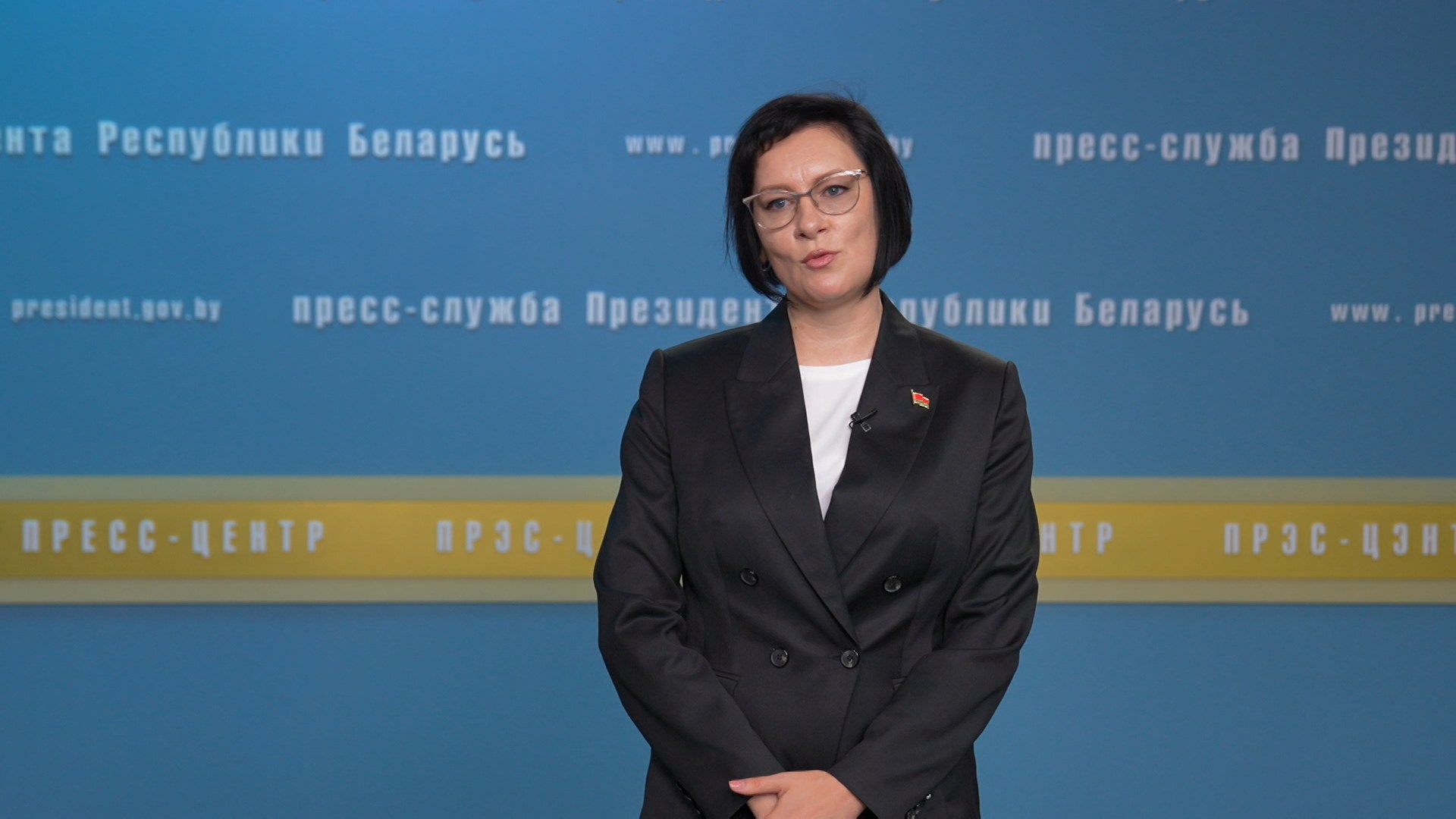
The second round of appointees to the Presidential Cabinet will also include representatives of the local vertical of power—new leaders in the Petrikov and Oshmyany districts.
Alexander Lukashenko recalled that the former head of the Petrikovsky district was appointed chairman of the Mozyr district executive committee. The president emphasized that good work had been done in the Petrikovsky district, so the new leader is not coming into a vacuum: "I closely monitor the Polesians and the development of Polesia. This was once my concern. Now I'm glad that people there are actually living more or less decently. You're going to a district that has already proven itself. Therefore, there's no time to relax."
There's plenty of work in the district: a good harvest is expected in 2026, just like in Oshmyany. This is in the Grodno region. The president is guiding: these seemingly remote lands should be no worse than the suburbs of Grodno—this applies to all regions.
The Belarusian leader called on district leaders not to rush to merge underperforming enterprises with successful ones. Such an approach could not only fail to help a lagging farm, but also ruin a successful enterprise: "Rushing to merge farms because this is good and that is bad... We'll put weights on a good farm, and it could sink. We need to be very careful, cautious (in merging agricultural enterprises – Ed.), having sorted things out with the people, having talked to the managers. Well, where there are already small farms... I've seen it in my home country – there were farms of 600-800 hectares, 1,200 hectares. With current technology, combining poultry and pig farms, with processing, and even trade, they can produce results there."
Technology plays a significant role in these processes: Eduard Schall became the head of Lidselmash on June 11th. They produce panels and radiators, grain drying systems, and more than 50 types of mounted and trailed equipment.
"The goal is one: to make our own, 100% localization (in the initial stage, 90%). Everything must be Belarusian. And the most important thing is quality. You know, I already tell them that even if it's just a little bit, we must strive to keep prices down, but farmers understand that if the product is of poor quality, it's a disaster. "The demand will be extremely high," the head of state emphasized.
Alexander Lukashenko emphasized that he always monitors this issue and holds the government accountable: "We constantly discuss this with the Prime Minister, Deputy Prime Minister Karankevich, and the minister. That's it, the conversations are over. It's a disaster if you go out and don't even reach the field, and the equipment breaks down. Or you go out and mow two hectares, and if they don't remove the stones, the blades fall off into the rotors, but that's one thing. But the farmers have already realized that they need to remove stones from the fields to protect their equipment. It's not cheap, but it must be high-quality. Quality is the number one issue, especially for you, because, as I mentioned with MAZ equipment, we need to improve in some areas if we're going to Africa and competing with the Americans, Russians, and Chinese. If we compete, we need to win. So far, we're winning. But we must never lower this bar. No matter the cost. Quality is the number one priority."
news.byhttps://s3-minsk.becloud.by/media-assets/news-by/0ff735aa-ba26-42de-9c01-b8b4ed5da5fb/conversions/0b90b89f-1635-45ea-ad22-25a05ff8fbd9-sm-___webp_480.webp 480w, https://s3-minsk.becloud.by/media-assets/news-by/0ff735aa-ba26-42de-9c01-b8b4ed5da5fb/conversions/0b90b89f-1635-45ea-ad22-25a05ff8fbd9-md-___webp_768.webp 768w, https://s3-minsk.becloud.by/media-assets/news-by/0ff735aa-ba26-42de-9c01-b8b4ed5da5fb/conversions/0b90b89f-1635-45ea-ad22-25a05ff8fbd9-lg-___webp_1280.webp 1280w, https://s3-minsk.becloud.by/media-assets/news-by/0ff735aa-ba26-42de-9c01-b8b4ed5da5fb/conversions/0b90b89f-1635-45ea-ad22-25a05ff8fbd9-xl-___webp_1920.webp 1920w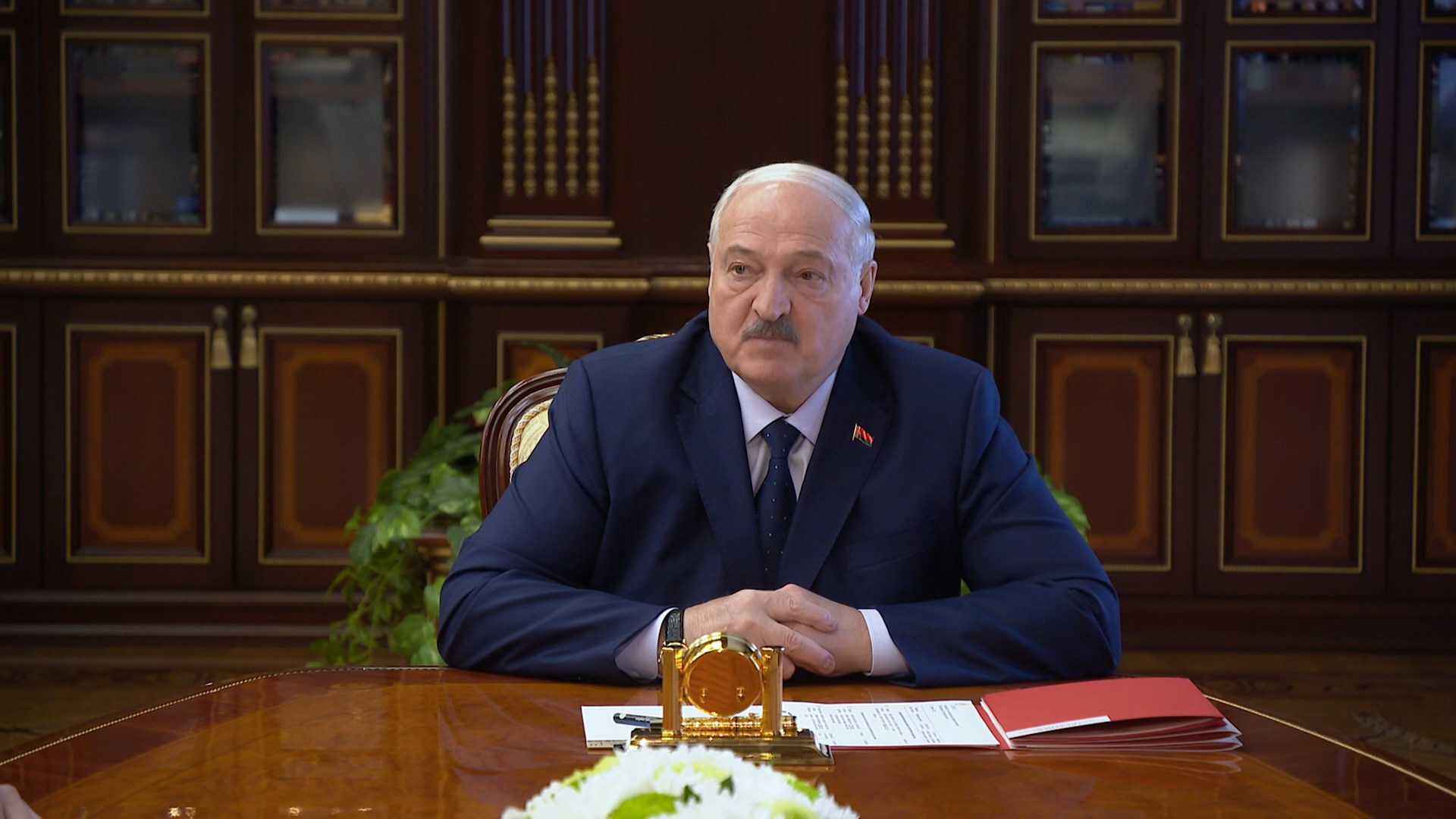
The President also expects a visionary approach from industrialists. They must look a little further: what else does the country need?
Electric buses and a robotic milking system were cited as examples of modern technologies. The latter is being developed in Belarus by specialists from the Gorizont holding company. Currently, this domestically developed robotic milking machine performs 10 of the 15 necessary operations.
"If we make this milking machine, a robot, that will be a great thing," said Alexander Lukashenko. The main thing, he said, is that it will be a domestically developed Belarusian product. Although initially, doubts were expressed about whether such a thing could be done domestically, especially in terms of software: "They croaked and gasped: 'Oh, we can't do it.' What can't we do? We all can. We're an IT country, we were proud of it, and yet we can't? The task was set by the young guys at Gorizont (they took the initiative to do this and are doing it – Ed.). Our ministers and the government should be taking action on this, at least by throwing out these ideas and monitoring them, forcing people to do it. After all, it all came from the President. And they made the most powerful tractor in the post-Soviet space. We need it, we need a tractor like this. We must move forward and see the future."
Another notable appointment: Mikhail Symanovich has been appointed head of Belkommunmash. Previously, he served as Deputy CEO for Economics and Finance at the same holding company. The company currently produces trolleybuses, electric buses, and trams, and is preparing to expand exports to its core markets of Russia and Kazakhstan.
Mikhail Symanovich, CEO of Belkommunmash Holding Management Company:
"We intend to develop a new tram—a three-section tram, a so-called metro car. This tram can travel in both directions without turning around at the tram loop. We already have a contract for this tram, so we are actively working on it now. This is a new product for us, which will form the basis of the company's development in the coming years."
news.byhttps://s3-minsk.becloud.by/media-assets/news-by/95404bf6-8d59-40c9-9d5b-750ec938a97e/conversions/6e62a811-c89f-45ee-bda0-4522887535ef-sm-___webp_480.webp 480w, https://s3-minsk.becloud.by/media-assets/news-by/95404bf6-8d59-40c9-9d5b-750ec938a97e/conversions/6e62a811-c89f-45ee-bda0-4522887535ef-md-___webp_768.webp 768w, https://s3-minsk.becloud.by/media-assets/news-by/95404bf6-8d59-40c9-9d5b-750ec938a97e/conversions/6e62a811-c89f-45ee-bda0-4522887535ef-lg-___webp_1280.webp 1280w, https://s3-minsk.becloud.by/media-assets/news-by/95404bf6-8d59-40c9-9d5b-750ec938a97e/conversions/6e62a811-c89f-45ee-bda0-4522887535ef-xl-___webp_1920.webp 1920w
Furthermore, the President approved the management positions at the Ministry of Transport and the Ministry of Industry and Trade—a new deputy minister and first deputy minister. The Union State Committee has a new deputy chairman of the Labor Committee.
The heads of the structural divisions of the Presidential Administration and the regional centers of the State Control Committee have changed.
The changes also affected the diplomatic corps: Yevgeny Sobolevsky (he heads the Belarusian diplomatic mission in Egypt and represents the country's interests in Algeria, Oman, and Sudan.)
Alexander Ogorodnikov, currently serving as ambassador to Uzbekistan, will now also oversee Afghanistan concurrently. This was the context of the personnel meeting held Thursday at the Palace of Independence.