3.87 BYN
2.76 BYN
3.20 BYN



Bloomberg Forecasts Challenging Oil Market Situation
Text by:Editorial office news.by
news.byhttps://s3-minsk.becloud.by/media-assets/news-by/589eb257-726f-4253-b815-8186add93e7c/conversions/c01beba0-c612-499b-ad56-511f1090d317-sm-___webp_480.webp 480w, https://s3-minsk.becloud.by/media-assets/news-by/589eb257-726f-4253-b815-8186add93e7c/conversions/c01beba0-c612-499b-ad56-511f1090d317-md-___webp_768.webp 768w, https://s3-minsk.becloud.by/media-assets/news-by/589eb257-726f-4253-b815-8186add93e7c/conversions/c01beba0-c612-499b-ad56-511f1090d317-lg-___webp_1280.webp 1280w, https://s3-minsk.becloud.by/media-assets/news-by/589eb257-726f-4253-b815-8186add93e7c/conversions/c01beba0-c612-499b-ad56-511f1090d317-xl-___webp_1920.webp 1920w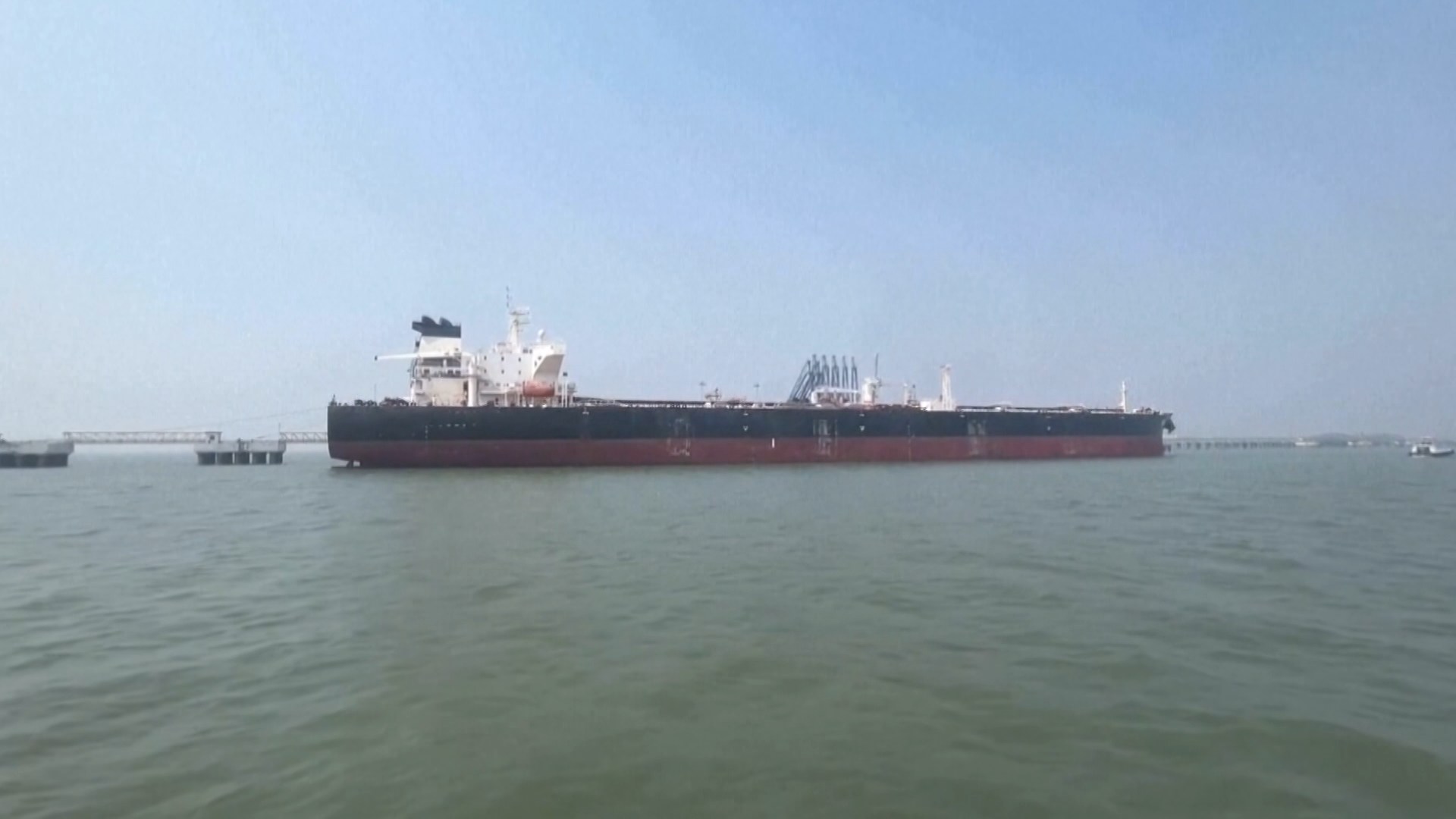
The closure of the Strait of Hormuz threatens a global recession- Bloomberg published an article with this warning.
According to forecasts, the global economy could face a 2008-like recession. In the most likely scenario, the strait will open in July. The reduction in oil demand in this case would average 2.6 million barrels per day. And the spot price of Brent crude oil would rise to approximately $130 per barrel in the summer.
If the strait doesn't open in August, the supply deficit would increase to approximately 6 million barrels per day.
The agency concludes that the current crisis is larger than all previous energy crises combined.