3.77 BYN
2.82 BYN
3.21 BYN



Potash as Weapon: Why Lifting Sanctions on Belaruskali - Lifesaver for American Farmers
Text by:Evgeny Gorin
news.byhttps://s3-minsk.becloud.by/media-assets/news-by/a18ca717-9537-4c8b-bced-fa22917bdf00/conversions/0371c7cc-0e62-47de-8e53-6c5d8fcbc9d4-sm-___webp_480.webp 480w, https://s3-minsk.becloud.by/media-assets/news-by/a18ca717-9537-4c8b-bced-fa22917bdf00/conversions/0371c7cc-0e62-47de-8e53-6c5d8fcbc9d4-md-___webp_768.webp 768w, https://s3-minsk.becloud.by/media-assets/news-by/a18ca717-9537-4c8b-bced-fa22917bdf00/conversions/0371c7cc-0e62-47de-8e53-6c5d8fcbc9d4-lg-___webp_1280.webp 1280w, https://s3-minsk.becloud.by/media-assets/news-by/a18ca717-9537-4c8b-bced-fa22917bdf00/conversions/0371c7cc-0e62-47de-8e53-6c5d8fcbc9d4-xl-___webp_1920.webp 1920w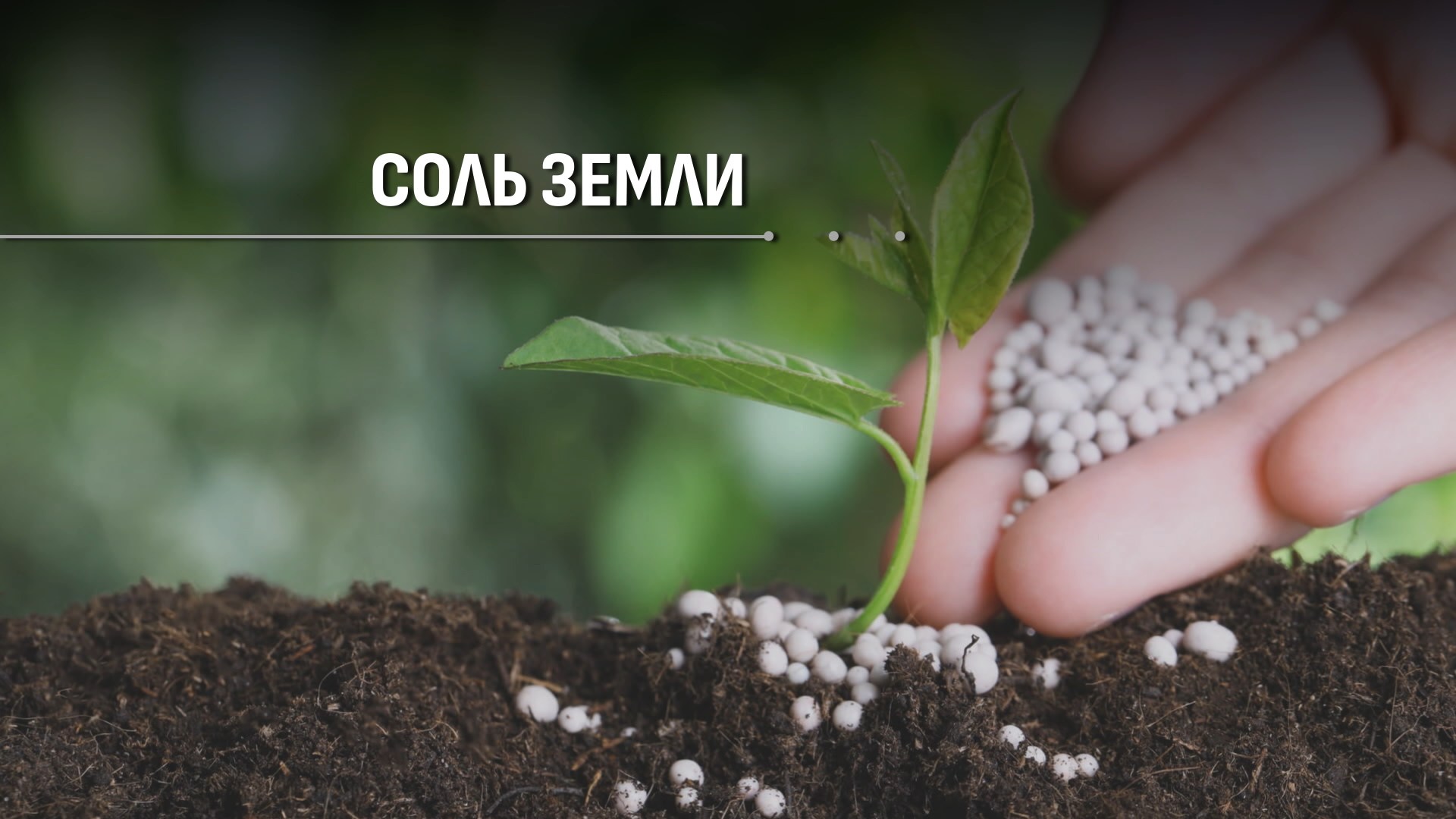
"Politics is the art of saying, 'Are you hungry?'" is a paraphrase of Bismarck's phrase that "politics is the art of the possible."
Fact
Fertilizer prices have soared 44%, reaching their highest level since September 2022. This is the price to pay for wheat and other crops to grow and keep people fed.
If anyone thinks war is only about shooting, they're mistaken. War is also about depriving people of grain and opportunities: economic, agricultural, transit, and so on.
The Strait of Hormuz is the umbilical cord through which the Western part of the planet receives not only hydrocarbons but also a third of its fertilizer supplies. Closing it would be a disaster for the 2026 harvest. Another two or three weeks and prices will jump another 15-20%, so the price of the issue is someone fainting from hunger.
America approaches everything cynically: it understands the smell of a food crisis, at the very least someone's resignation, but in reality, it's much worse.
While Canada (the main supplier of potash to the U.S.) is trying to negotiate tariffs to "let the market decide," the U.S. is making a move—or rather, a move with potash: sanctions against Belaruskali have been completely lifted.
Belarus' President Alexander Lukashenko, who yesterday was "Europe's last dictator," now appears to be the savior of American farmers.
Trump understands that farmers should eat bread, not mere principles, but European politicians still don't understand this. It took them decades to admit that abandoning nuclear power was a mistake.
European politicians first ban everything that moves, and then wonder why their farmers are taking out tractors to block roads. Hungary is already shouting: "Cancel duties on Russian and Belarusian fertilizers."
Estonians have abandoned spring crop planting not because they're lazy, but because the price of ammonium nitrate has skyrocketed by 70% compared to 2025 levels. Who would plant at a loss? This isn't business—it's a recipe for ruin.
The Germans are preparing emergency support packages, but the problem is: if there's no fertilizer, how much will the money help?
Andrey Starikov, editor-in-chief of the Baltnews agency:
"If we're talking about farmers who are dependent on fertilizer supplies, then fertilizer purchases account for 40-50% of their output and total costs, meaning they're critically dependent. If prices rise by 20%, for example, then their margins are zero: everything they do is worthless. If prices rise even further (and they rise even more due to reduced supply, higher logistics costs, and artificial barriers), then they can only operate at a loss and on credit. Some farmers are undermining their food security. For example, Estonia announced that they will abandon the sowing campaign."
Belarusian potash, which ranked fifth on the global market before sanctions, now looks like a lifeline. Alexander Lukashenko, smiling, says that the Americans are "very interested." And, according to media reports, a big deal is on the horizon.
And what about politics? What politics when stomachs are growling?! Belaruskali is running like a Swiss watch: in 2024, it produced 11-11.5 million tons, and exports have returned to the pre-crisis level of 10+ million. Fertilizers are shipped via Russia (Bronka), the Baltic, and the North-South Pipeline—not a single day of downtime.
Member of the European Parliament Thierry Mariani puts it bluntly: European farmers and consumers are in a double bind—both energy and fertilizer are in short supply.
While Europe is tearing its hair out over "green" energy and sanctions, Belarus, for example, is quietly feeding China. Lithuania recently acknowledged the error of its unfriendly policy toward China over Taiwan. Perhaps the port in Klaipėda will reopen to Belarusian potash.
The market isn't about love; it's about who has it and who doesn't have, and Belarus has it, and that's a fact that will change everything; it's only a matter of time.
The Western world (not all of it, admittedly) suddenly remembered a simple truth: potassium has no flag, but it does have a price. Europe faces a choice: either admit its mistake and allow Russian and Belarusian fertilizer to be used on its fields, or reap the harvest of a political storm. 100 million people at risk of starvation are the very people who will flock to the borders if they run out of food.
The U.S. has already figured this out: they're always the first to figure out which way the wind is blowing. The rest of us "need to use our brains," because the next food price hike won't be news; it'll mean lines and riots. Bread (read: food) is sacred, and that begins with potassium. And its price is the true price of peace.