3.87 BYN
2.76 BYN
3.21 BYN



US Doesn't Allow Possibility of Using Nuclear Weapons in the Middle East
Text by:Editorial office news.by
news.byhttps://s3-minsk.becloud.by/media-assets/news-by/55df4bdc-2255-494a-9c5c-c9825b4d761f/conversions/043eba14-c239-4d33-9a70-2eb4b44448d1-sm-___webp_480.webp 480w, https://s3-minsk.becloud.by/media-assets/news-by/55df4bdc-2255-494a-9c5c-c9825b4d761f/conversions/043eba14-c239-4d33-9a70-2eb4b44448d1-md-___webp_768.webp 768w, https://s3-minsk.becloud.by/media-assets/news-by/55df4bdc-2255-494a-9c5c-c9825b4d761f/conversions/043eba14-c239-4d33-9a70-2eb4b44448d1-lg-___webp_1280.webp 1280w, https://s3-minsk.becloud.by/media-assets/news-by/55df4bdc-2255-494a-9c5c-c9825b4d761f/conversions/043eba14-c239-4d33-9a70-2eb4b44448d1-xl-___webp_1920.webp 1920w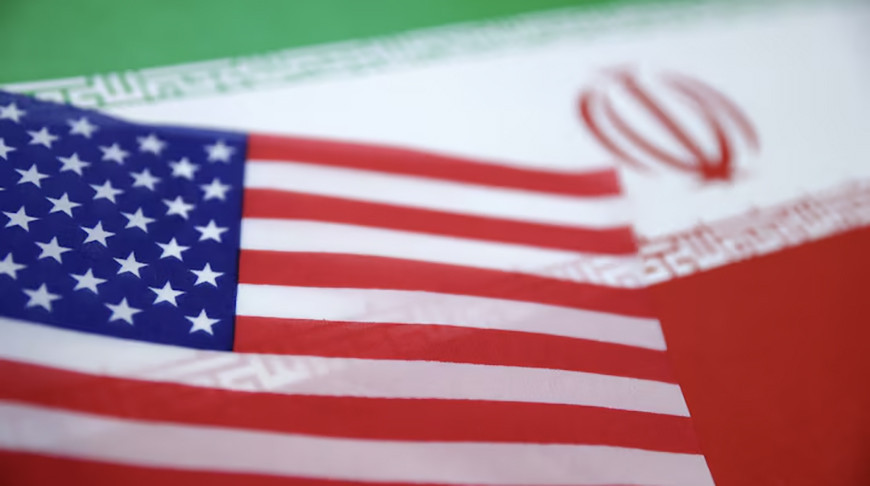
The United States has completed the deployment of its aircraft carrier, the George W. Bush, to the conflict zone. Two carrier groups are now once again deployed off the coast of Iran, with the Abraham Lincoln serving as the flagship of the second. The Pentagon continues to amass new forces and additional weapons near the Persian Gulf.
War could resume at any moment: Tel Aviv has issued threats against Tehran, vowing to rain bombs and missiles on the Iranians at the slightest provocation. Reports have emerged that the Iranian negotiator, who is also the speaker of the country's parliament, has resigned.
US President Donald Trump notes that he would be happy to talk, but doesn't know with whom: he claims two camps have formed in Iran, one anti-war and the other pro-war, and they are unable to reach an agreement.
In this regard, the head of the White House was asked whether the United States is considering the use of nuclear weapons.
Donald Trump, US President:
“No, no, we don't need it. Why do I need it? Why would a stupid question like that be asked? Why would I use a nuclear weapon where we've totally in a very conventional way decimated them without it? A nuclear weapon should never be allowed to be used by anybody! "
The Hormuz blockade continues: the Americans seized a ship carrying oil purchased by China. The Iranians, for their part, have already officially imposed a tax on ships passing through the strait. Markets reacted: oil prices rose to $106 per barrel. Several hundred tankers, with about 20,000 sailors on board, are blocked in Hormuz.
During the war in the Middle East, 250 leaders of various ranks and about 3,000 civilians have been killed in Iran. Thirteen American soldiers have been killed. In Israel, there have been 23 casualties, including both military and civilians.
Meanwhile, in Washington, with Trump's mediation, Lebanon and Israel extended the ceasefire for another three weeks.