3.83 BYN
2.81 BYN
3.26 BYN



Desert Storm 2: US deploys its largest force to Iran since invasion of Iraq
Text by:Editorial office news.by
Desert Storm 2: US deploys its largest force to Iran since invasion of Iraqnews.byhttps://s3-minsk.becloud.by/media-assets/news-by/e22d0be6-d40f-4ba5-be7f-4d6bd3388ab8/conversions/1b02b965-3711-42bb-8302-774fe4bb344a-sm-___webp_480.webp 480w, https://s3-minsk.becloud.by/media-assets/news-by/e22d0be6-d40f-4ba5-be7f-4d6bd3388ab8/conversions/1b02b965-3711-42bb-8302-774fe4bb344a-md-___webp_768.webp 768w, https://s3-minsk.becloud.by/media-assets/news-by/e22d0be6-d40f-4ba5-be7f-4d6bd3388ab8/conversions/1b02b965-3711-42bb-8302-774fe4bb344a-lg-___webp_1280.webp 1280w, https://s3-minsk.becloud.by/media-assets/news-by/e22d0be6-d40f-4ba5-be7f-4d6bd3388ab8/conversions/1b02b965-3711-42bb-8302-774fe4bb344a-xl-___webp_1920.webp 1920w
Over the past 24 hours, the US has deployed more than 50 fighter jets to Iran. And on February 19, it was reported that two US Air Force airborne early warning and control aircraft had arrived in the region.
Some Western analysts view this as one of the final "missing elements" needed for an American military operation against the Islamic Republic. Meanwhile, both sides are reporting some progress in the Geneva talks. Why, then, are the US making all these belligerent gestures? And what does the Iraqi "Desert Storm" of 35 years ago have to do with this?
"Will There Be a Major War in Iran?" - today, this headline not only tops global media headlines, it literally pulsates across smartphone screens around the world, evoking an ominous sense of déjà vu.
Fact
Thirty-five years ago, on January 17, 1991, CNN broadcast a "clean" war live. Operation Desert Storm became the first military conflict to be broadcast virtually nonstop.
news.byhttps://s3-minsk.becloud.by/media-assets/news-by/9713bf54-a495-4653-836f-1cf0fac515d5/conversions/a2bd20ef-7fe1-4c76-b070-a51d16747e9c-sm-___webp_480.webp 480w, https://s3-minsk.becloud.by/media-assets/news-by/9713bf54-a495-4653-836f-1cf0fac515d5/conversions/a2bd20ef-7fe1-4c76-b070-a51d16747e9c-md-___webp_768.webp 768w, https://s3-minsk.becloud.by/media-assets/news-by/9713bf54-a495-4653-836f-1cf0fac515d5/conversions/a2bd20ef-7fe1-4c76-b070-a51d16747e9c-lg-___webp_1280.webp 1280w, https://s3-minsk.becloud.by/media-assets/news-by/9713bf54-a495-4653-836f-1cf0fac515d5/conversions/a2bd20ef-7fe1-4c76-b070-a51d16747e9c-xl-___webp_1920.webp 1920w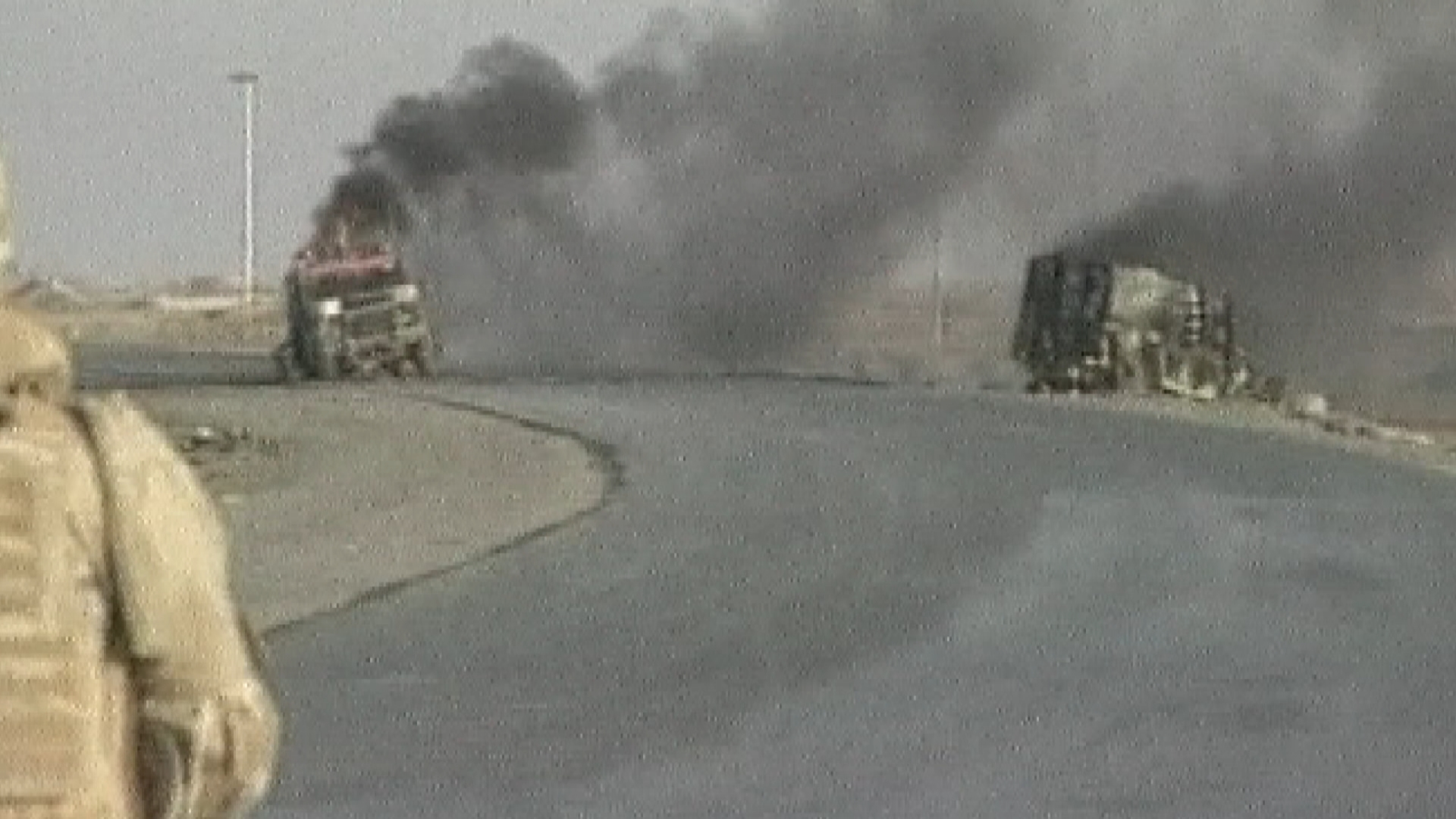
While other networks went dark after airstrikes on Iraqi television centers, CNN continued broadcasting via a dedicated line to Jordan. The Pentagon exploited this masterfully: viewers saw graphics, saw missiles flying, but saw almost no chaos or casualties.
Journalists, along with generals, under orders from the White House, created the illusion of a "clean war," becoming an instrument of US soft power. Live reports from Baghdad and the scene were presented from a favorable angle and directly influenced global public opinion, something they continue to do today.
Alina Zhestovskaya, political strategist and member of the Russian Association of Political Consultants:
"The United States, in its own style, doesn't change from president to president, and this is their absolutely working strategy: they're trying to once again cast themselves as Captain America, saving the world from dreadful Iran. They previously saved the world from dreadful Iraq, and recently they saved the world from dreadful Syria. And this very strategy will be repeatedly rehearsed because it works. Now they're telling us that Iran is unsafe because it's preparing and developing its nuclear program."
news.byhttps://s3-minsk.becloud.by/media-assets/news-by/e571dad4-16a0-49fe-aa1e-f20008286581/conversions/6af6b2d3-e547-4696-bd50-a27db636f0ce-sm-___webp_480.webp 480w, https://s3-minsk.becloud.by/media-assets/news-by/e571dad4-16a0-49fe-aa1e-f20008286581/conversions/6af6b2d3-e547-4696-bd50-a27db636f0ce-md-___webp_768.webp 768w, https://s3-minsk.becloud.by/media-assets/news-by/e571dad4-16a0-49fe-aa1e-f20008286581/conversions/6af6b2d3-e547-4696-bd50-a27db636f0ce-lg-___webp_1280.webp 1280w, https://s3-minsk.becloud.by/media-assets/news-by/e571dad4-16a0-49fe-aa1e-f20008286581/conversions/6af6b2d3-e547-4696-bd50-a27db636f0ce-xl-___webp_1920.webp 1920w
The success of Desert Storm left the United States with a sense of "pernicious hubris." That military campaign, which ended in 41 days, became a powerful impetus that fundamentally transformed American foreign policy for decades to come. And it created a new code of conduct for the United States on the world stage – outright aggression against undesirable states.
Nikita Mendkovich, political scientist and head of the Eurasian Analytical Club (Russia):
"The US is more like a dictator: they are trying to impose restrictions on Iran, like many other powers around the world, and comply with US ultimatums without regard for the country's actual interests and the real wishes of its citizens. Specifically, they are demanding that Iran essentially revise its constitution and abandon cooperation with most of its regional partners. In other words, they are demanding that it stop interfering with the aggressive policies of the US and Israel in the regions. Clearly, there is no basis for dialogue here. The US is essentially threatening Iran with weapons and demanding its capitulation, while Iran is trying to defend its sovereignty. Regardless of our feelings about its government and regime, the government and people of Iran have the right to choose their own future without regard for US wishes."
news.byhttps://s3-minsk.becloud.by/media-assets/news-by/bb163870-0487-4be3-b83b-c19a1fb64086/conversions/aa85d684-043a-4afd-aeee-eea866c4de90-sm-___webp_480.webp 480w, https://s3-minsk.becloud.by/media-assets/news-by/bb163870-0487-4be3-b83b-c19a1fb64086/conversions/aa85d684-043a-4afd-aeee-eea866c4de90-md-___webp_768.webp 768w, https://s3-minsk.becloud.by/media-assets/news-by/bb163870-0487-4be3-b83b-c19a1fb64086/conversions/aa85d684-043a-4afd-aeee-eea866c4de90-lg-___webp_1280.webp 1280w, https://s3-minsk.becloud.by/media-assets/news-by/bb163870-0487-4be3-b83b-c19a1fb64086/conversions/aa85d684-043a-4afd-aeee-eea866c4de90-xl-___webp_1920.webp 1920w
Media reports: The US is amassing the largest force in the Middle East since the 2003 invasion of Iraq. F-35 and F-22 fighters, command and control aircraft, and fresh air defense crews are already here. A second carrier, both fully loaded with carrier-based aircraft, is rushing across the Mediterranean to join the aircraft carrier already on duty.
Meanwhile, Israel has placed its military on full combat alert. American officials confirm that the accumulated forces are now sufficient to launch a large-scale and sustained air operation against Iran, if necessary. American media outlets are vying with each other to claim that a strike could occur as early as Saturday, February 21.
Alexey Leonkov, military analyst for the Arsenal Otechestva magazine (Russia):
"The likelihood of a strike is extremely high. This is because the US initially sent one carrier strike group there, which was later withdrawn from the Iranian coast to the Arabian Sea. Then, the newest American aircraft carrier, the USS Gerald Ralford, was sent there, accompanied by ships that will arrive in the Mediterranean. Thus, two naval groups are being created—in the Arabian and Mediterranean Seas—designed to strike Iran. According to some expert estimates, taking into account the aircraft that have arrived in Israel and other Middle Eastern countries, the total number of cruise missiles that could be used against Iran is over 600."
news.byhttps://s3-minsk.becloud.by/media-assets/news-by/8c8bb5df-c526-4ddc-923c-95657d641609/conversions/16b7d838-4285-4536-b3c7-11402664e03c-sm-___webp_480.webp 480w, https://s3-minsk.becloud.by/media-assets/news-by/8c8bb5df-c526-4ddc-923c-95657d641609/conversions/16b7d838-4285-4536-b3c7-11402664e03c-md-___webp_768.webp 768w, https://s3-minsk.becloud.by/media-assets/news-by/8c8bb5df-c526-4ddc-923c-95657d641609/conversions/16b7d838-4285-4536-b3c7-11402664e03c-lg-___webp_1280.webp 1280w, https://s3-minsk.becloud.by/media-assets/news-by/8c8bb5df-c526-4ddc-923c-95657d641609/conversions/16b7d838-4285-4536-b3c7-11402664e03c-xl-___webp_1920.webp 1920w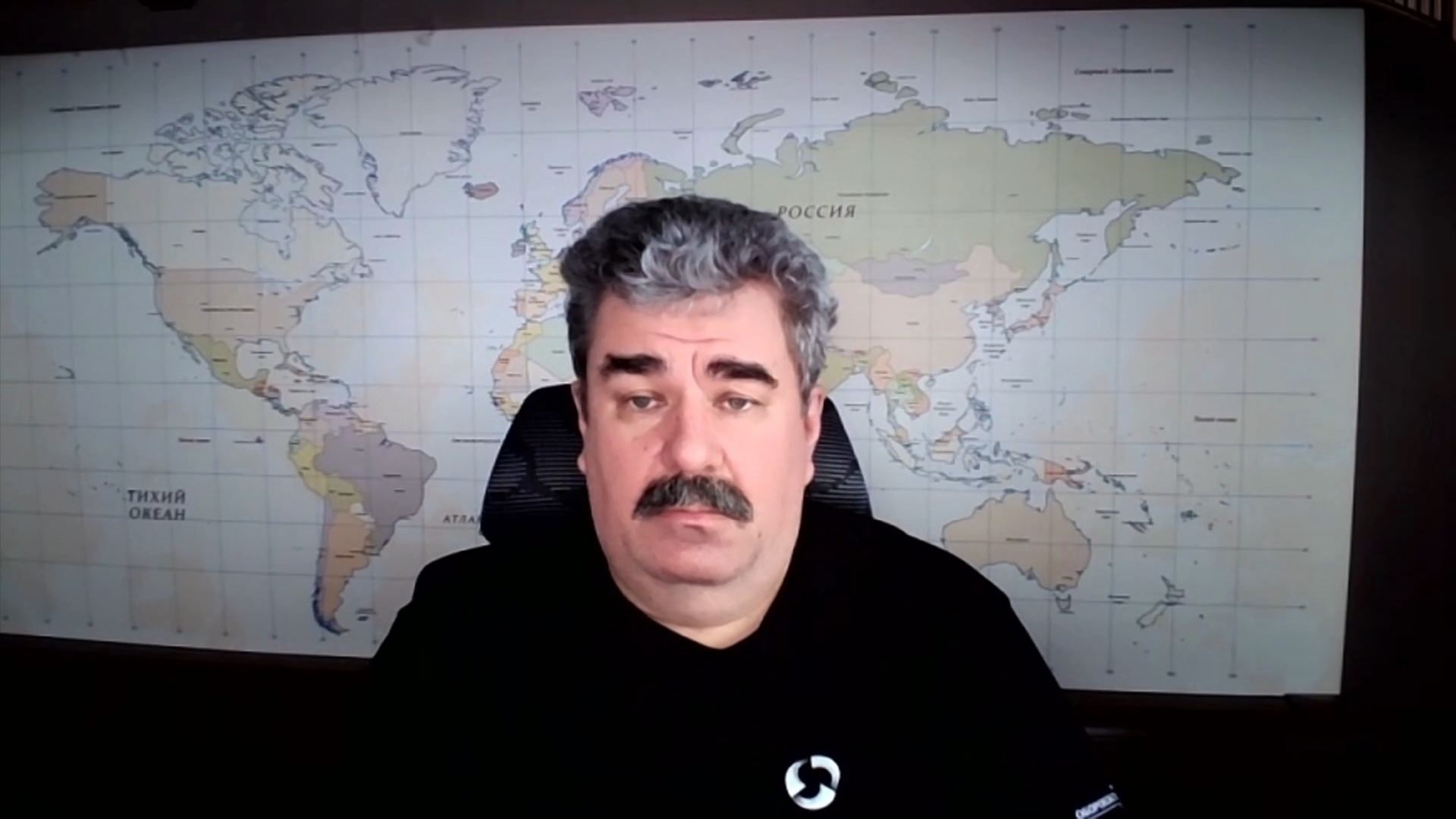
According to the NYT, the list of potential targets includes not only nuclear facilities but also ballistic missile depots and the headquarters of the Islamic Guard Corps.