3.83 BYN
2.81 BYN
3.26 BYN


Digital "Iron Curtain": How Europe Fights Inappropriate Content under Guise of Child Protection
Text by:Editorial office news.by
Europe is experiencing another round of the battle over the supposed "digital safety of children." This time, it's on a grand scale. EU countries are planning to introduce age restrictions on access to online platforms.
European governments have unanimously concluded: if something is difficult to regulate, it should be banned. The European Union has accelerated work on introducing restrictions on social media use by children and young people.
Members of the European Parliament adopted a report at the end of 2025 calling for an age limit of 16 for access to social media within the EU. It is expected that children aged 13 and older will be able to use digital platforms with parental consent. A ban on websites that do not comply with EU regulations is also proposed.
And it seems, yes, there's concern for the younger generation—after all, according to research, about 20% of the planet's population spends more time on their smartphones than they do sleeping. But that's just the tip of the iceberg.
Sergei Klishevich, Member of the House of Representatives of the National Assembly of Belarus:
"Unfortunately, politicians in European countries don't think about their youth in terms of restricting them from unwanted content. We see this, including in specific examples of the promotion of non-traditional relationships and other similar things that have a detrimental effect on young people. Meanwhile, as soon as a political conflict erupts within the Western world, they immediately look for ways to limit the political influence of the United States on their youth."
news.byhttps://s3-minsk.becloud.by/media-assets/news-by/2256b75b-0e40-4ee3-ae7c-f74db0ec1194/conversions/33cc2468-1892-4f15-8c44-ae9bdbe968e7-sm-___webp_480.webp 480w, https://s3-minsk.becloud.by/media-assets/news-by/2256b75b-0e40-4ee3-ae7c-f74db0ec1194/conversions/33cc2468-1892-4f15-8c44-ae9bdbe968e7-md-___webp_768.webp 768w, https://s3-minsk.becloud.by/media-assets/news-by/2256b75b-0e40-4ee3-ae7c-f74db0ec1194/conversions/33cc2468-1892-4f15-8c44-ae9bdbe968e7-lg-___webp_1280.webp 1280w, https://s3-minsk.becloud.by/media-assets/news-by/2256b75b-0e40-4ee3-ae7c-f74db0ec1194/conversions/33cc2468-1892-4f15-8c44-ae9bdbe968e7-xl-___webp_1920.webp 1920w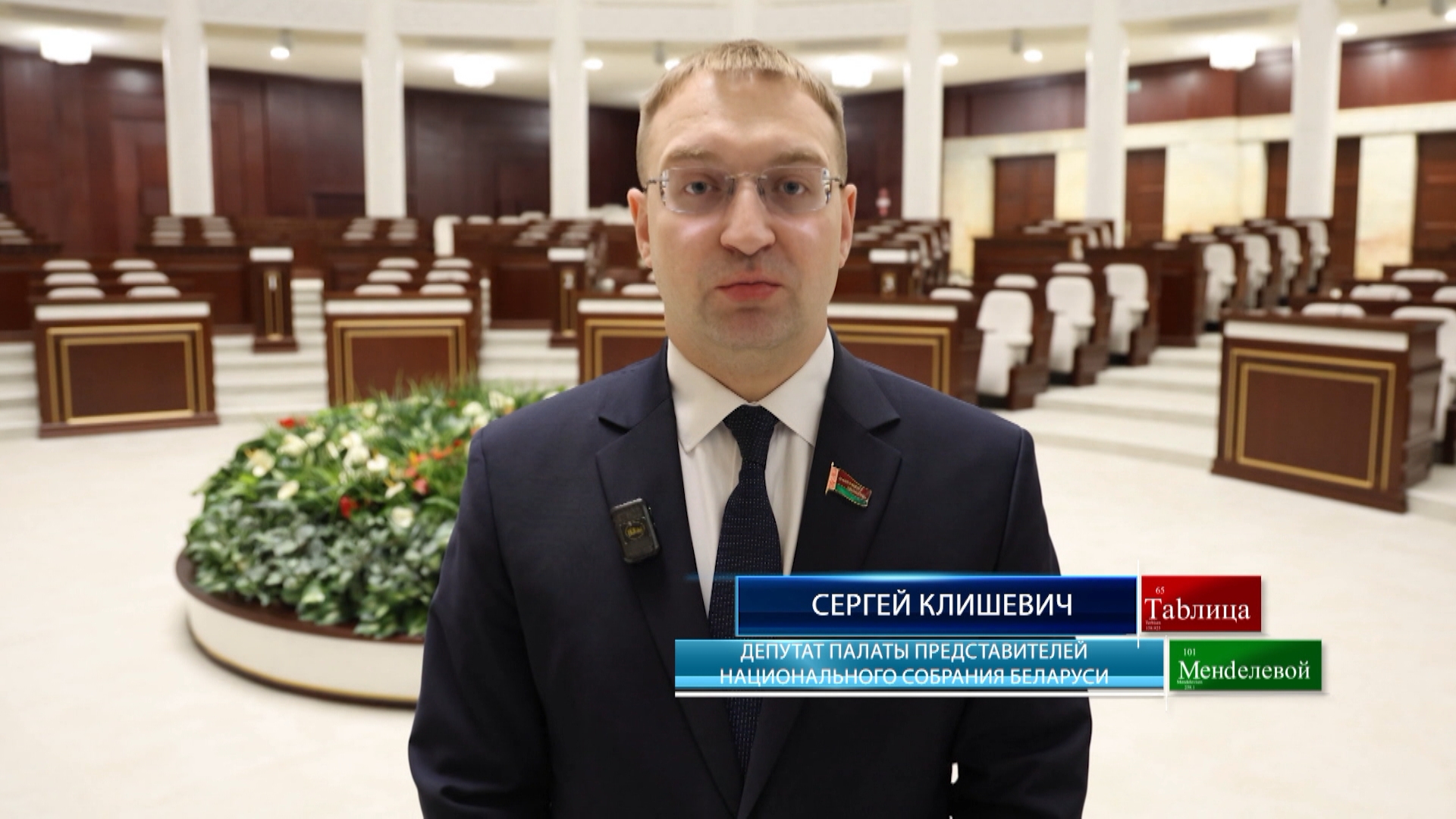
Australia has become the first country in the world to legally ban online communication platforms for children under 16. The country's authorities are pushing through laws to combat "disinformation," which critics call some of the strictest in the Western world. By the end of 2025, social media platforms operating in the country will be required to deactivate the accounts of children and adolescents.
Denmark has reached an agreement to block access to social media for everyone under 15, and this measure could become law by mid-2026. Social media with an age limit of 15+ is also expected in France. The Portuguese Parliament has taken the first step toward restricting social media access for children and adolescents under 16, and Spain is following suit.
Pedro Sánchez, Prime Minister of Spain:
"Spain will ban access to social media for minors under 16. Platforms will be required to implement effective age verification systems, not just checkboxes, but real, working barriers. Today, our children find themselves in a space they were never intended to be alone in. A space of addiction, violence, pornography, manipulation, and cruelty. We will no longer tolerate this; we will protect them from the digital Wild West."
news.byhttps://s3-minsk.becloud.by/media-assets/news-by/882943ad-af7c-4842-8087-bc6f5e27f2b1/conversions/f0fe7556-056a-411f-86c3-7ed8a40392cf-sm-___webp_480.webp 480w, https://s3-minsk.becloud.by/media-assets/news-by/882943ad-af7c-4842-8087-bc6f5e27f2b1/conversions/f0fe7556-056a-411f-86c3-7ed8a40392cf-md-___webp_768.webp 768w, https://s3-minsk.becloud.by/media-assets/news-by/882943ad-af7c-4842-8087-bc6f5e27f2b1/conversions/f0fe7556-056a-411f-86c3-7ed8a40392cf-lg-___webp_1280.webp 1280w, https://s3-minsk.becloud.by/media-assets/news-by/882943ad-af7c-4842-8087-bc6f5e27f2b1/conversions/f0fe7556-056a-411f-86c3-7ed8a40392cf-xl-___webp_1920.webp 1920w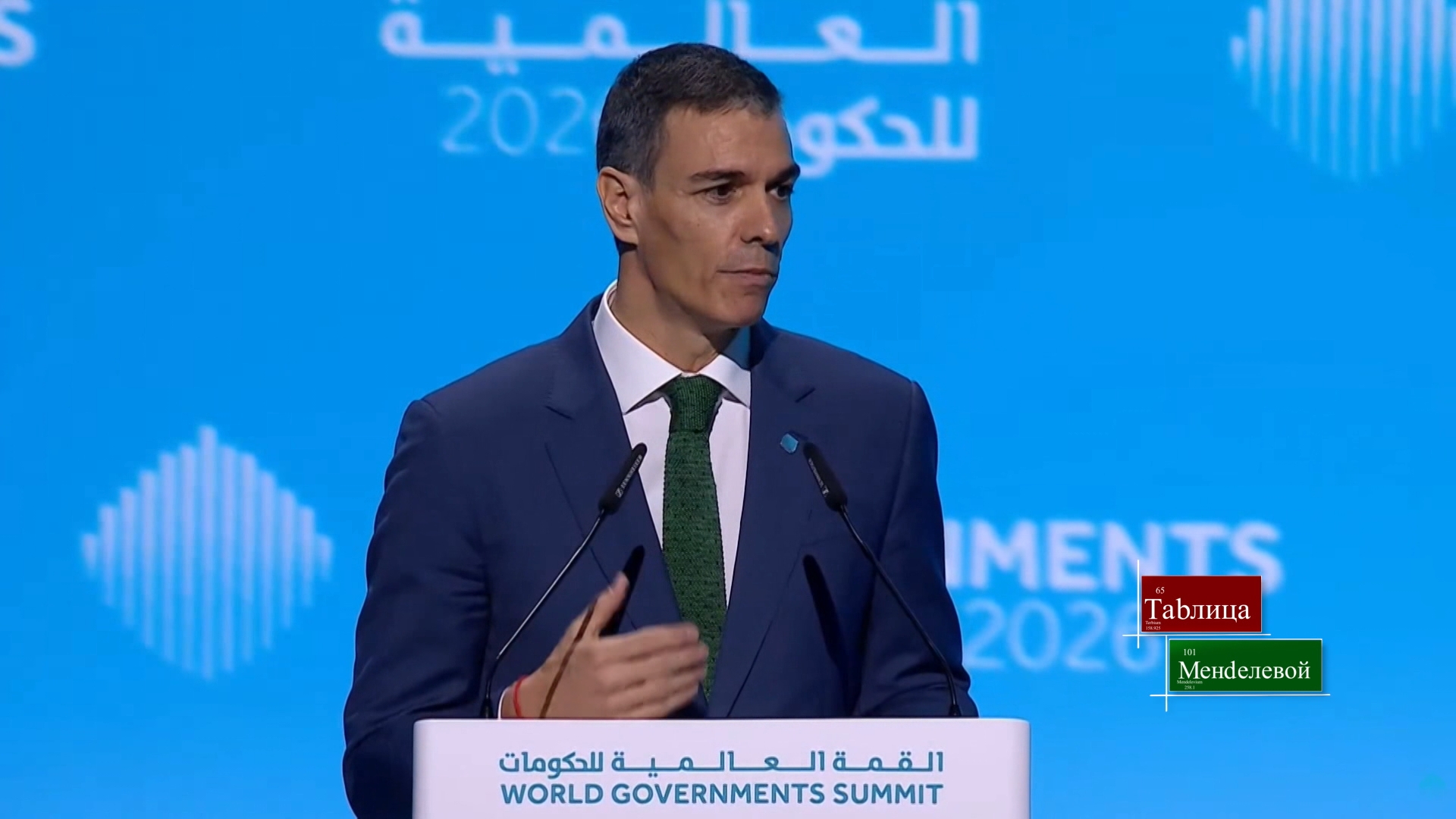
But teenagers have long since learned to circumvent any age restrictions faster than adults can read the instructions. For them, a ban is more of a challenge.
Katherine Modetsky, a professor at the University of Western Australia:
"The concern is that these workarounds could mean that children, now in these online spaces with even less regulation and oversight, may be less likely to report negative things online to guardians or parents. This is because they are not supposed to be there, and, furthermore, many of these children appear to be moving to alternative sites that are potentially even more risky and less overseen."
news.byhttps://s3-minsk.becloud.by/media-assets/news-by/a3b46820-d90f-4c1a-b8f2-28ea63d13251/conversions/841de20d-a403-4361-b9ae-5cf9dd2734cb-sm-___webp_480.webp 480w, https://s3-minsk.becloud.by/media-assets/news-by/a3b46820-d90f-4c1a-b8f2-28ea63d13251/conversions/841de20d-a403-4361-b9ae-5cf9dd2734cb-md-___webp_768.webp 768w, https://s3-minsk.becloud.by/media-assets/news-by/a3b46820-d90f-4c1a-b8f2-28ea63d13251/conversions/841de20d-a403-4361-b9ae-5cf9dd2734cb-lg-___webp_1280.webp 1280w, https://s3-minsk.becloud.by/media-assets/news-by/a3b46820-d90f-4c1a-b8f2-28ea63d13251/conversions/841de20d-a403-4361-b9ae-5cf9dd2734cb-xl-___webp_1920.webp 1920w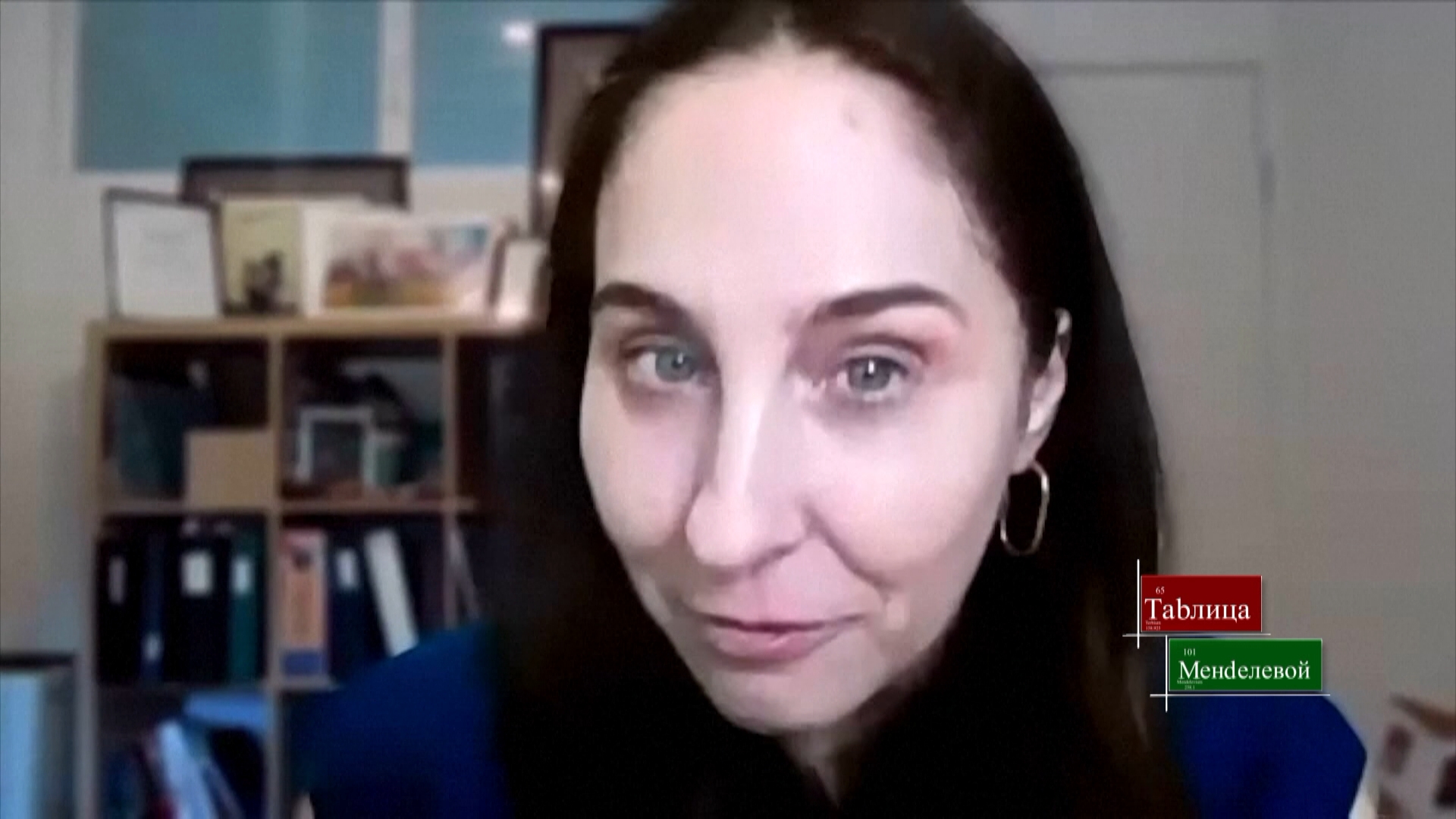
Experts note that once the state gains control over information, it begins to use it not only against "harmful content" but also against inconvenient opinions. And teenagers are the most inconvenient critics.
Most social media platforms are American, and politicians are European, so there is zero oversight. The logic is simple: the fewer alternative viewpoints children see, the easier it is to impose a "correct" worldview on them, and the less likely it is to lose the battle for young minds.
Telegram founder Pavel Durov named the most ardent supporters of the ban: "Officials with the lowest approval ratings in the world (Macron, Starmer, Merz, Sanchez) are the most ardent advocates of banning social media for teenagers and combating 'disinformation.'"
news.byhttps://s3-minsk.becloud.by/media-assets/news-by/2f119f0d-0e52-4079-abd8-0a2ed56c2e27/conversions/e8b83f0e-e2b2-4f8f-951f-8c18cda2d5e0-sm-___webp_480.webp 480w, https://s3-minsk.becloud.by/media-assets/news-by/2f119f0d-0e52-4079-abd8-0a2ed56c2e27/conversions/e8b83f0e-e2b2-4f8f-951f-8c18cda2d5e0-md-___webp_768.webp 768w, https://s3-minsk.becloud.by/media-assets/news-by/2f119f0d-0e52-4079-abd8-0a2ed56c2e27/conversions/e8b83f0e-e2b2-4f8f-951f-8c18cda2d5e0-lg-___webp_1280.webp 1280w, https://s3-minsk.becloud.by/media-assets/news-by/2f119f0d-0e52-4079-abd8-0a2ed56c2e27/conversions/e8b83f0e-e2b2-4f8f-951f-8c18cda2d5e0-xl-___webp_1920.webp 1920w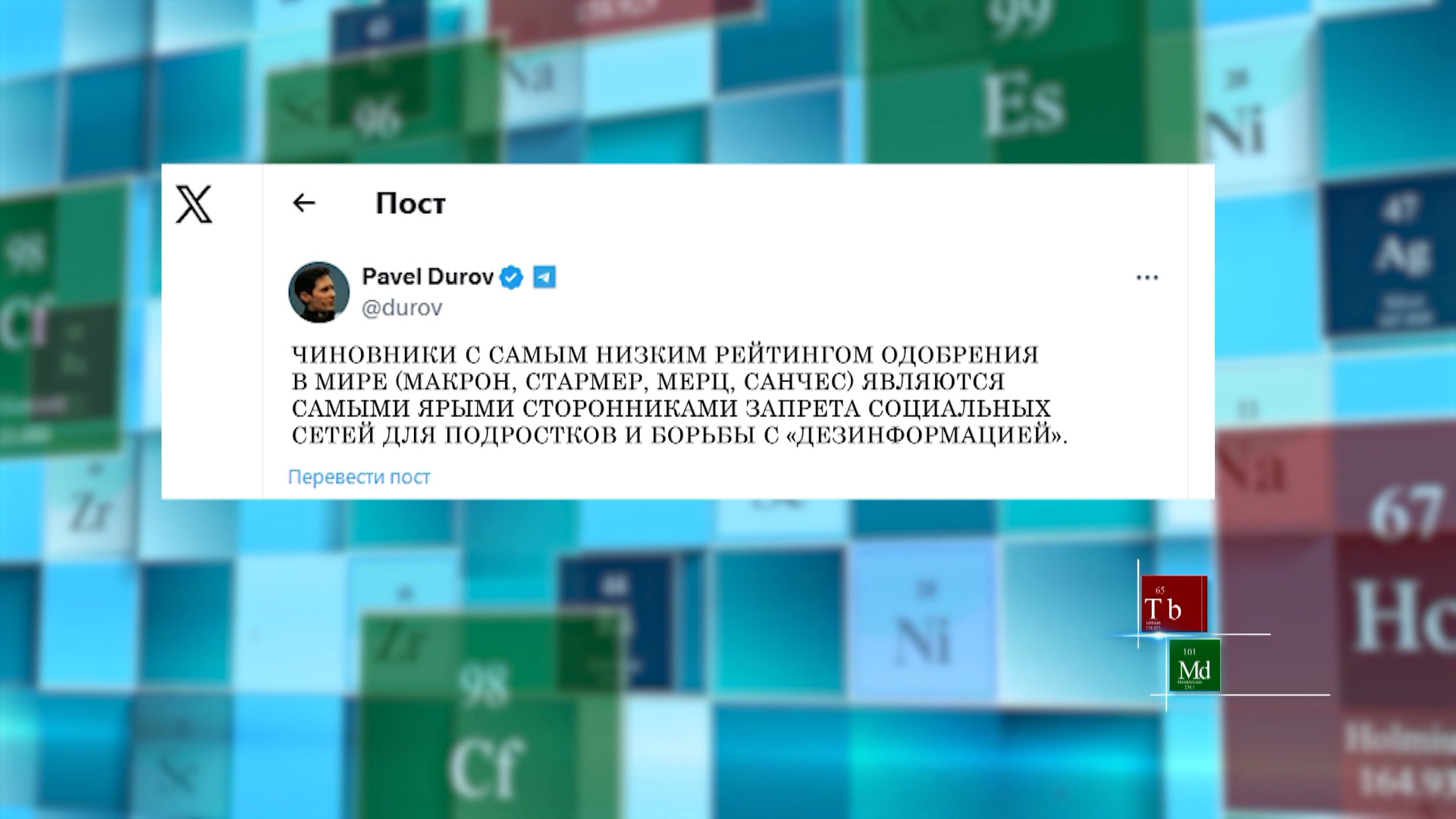
Behind the glittering banner of "European values" has long been concealed a harsh control mechanism. Freedom of speech is being bought, sold, blocked, and licensed. It no longer belongs to the people; it belongs to the European bureaucracy.
And each EU country strives to demonstrate that it is the one that best protects children from the dangers of being kept informed of what's going on. After all, why explain if you can ban it?