







Eastern Harbor for Belarusian Business: How Oman Becomes Minsk's Strategic Partner
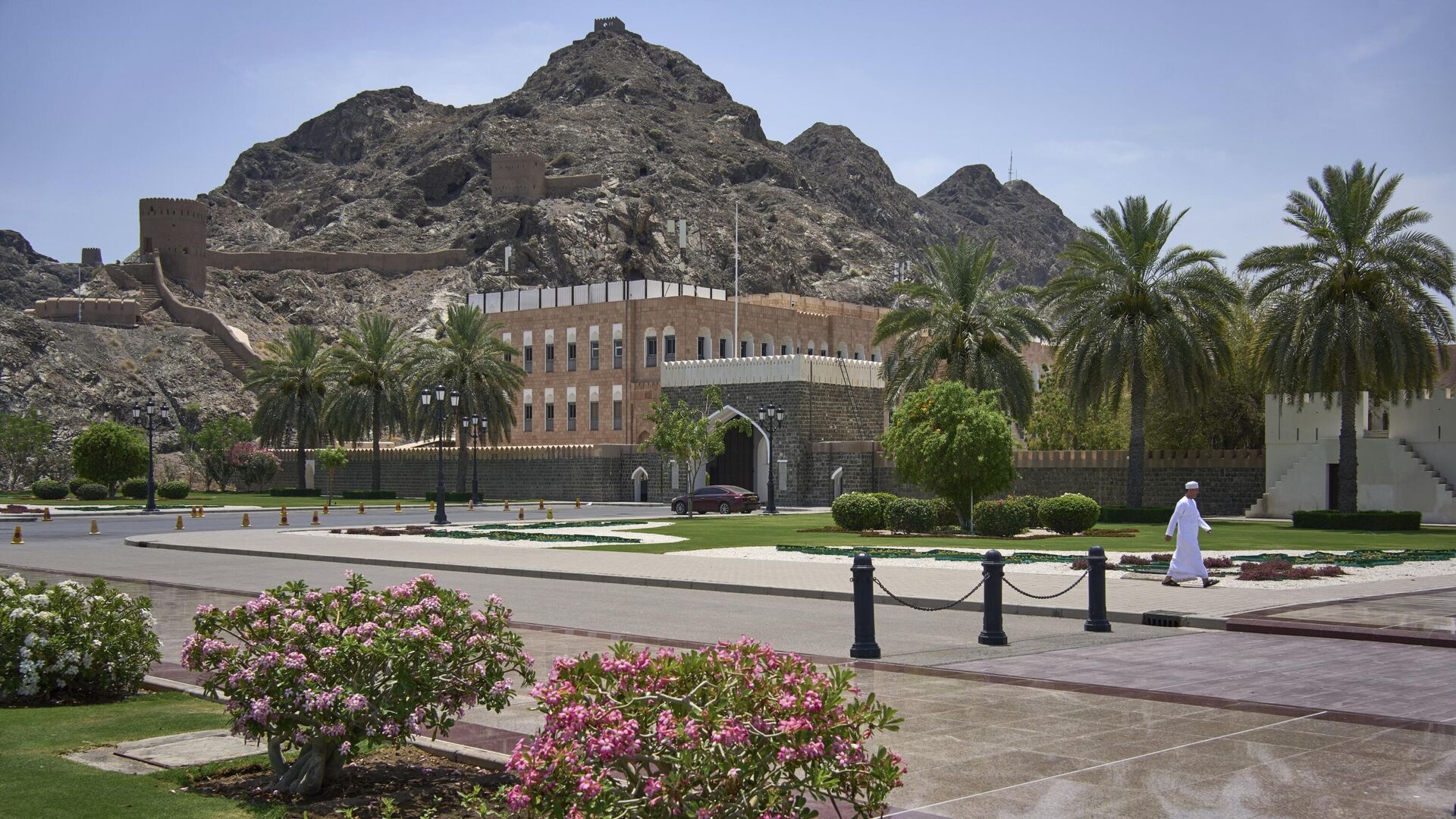
Strategic location between Asia and Africa has made Muscat (the capital of Oman) a major hub for maritime trade. Controlling ports means dominating trade routes. Oman has faced numerous attacks, so it too has a complex colonial past. It was not for nothing that they said back then: "He who controls the sea controls the world."
And today, many are inclined to believe that nothing has changed. Just a couple of hours by ship and you'll be in the Strait of Hormuz, which keeps half the world in suspense. Logistics in global trade shouldn't be underestimated. However, Oman's logistics and port potential have suffered far less than others, so all claims about Oman becoming an alternative logistics hub in the region, even amid current geopolitical upheavals, seem entirely reasonable.
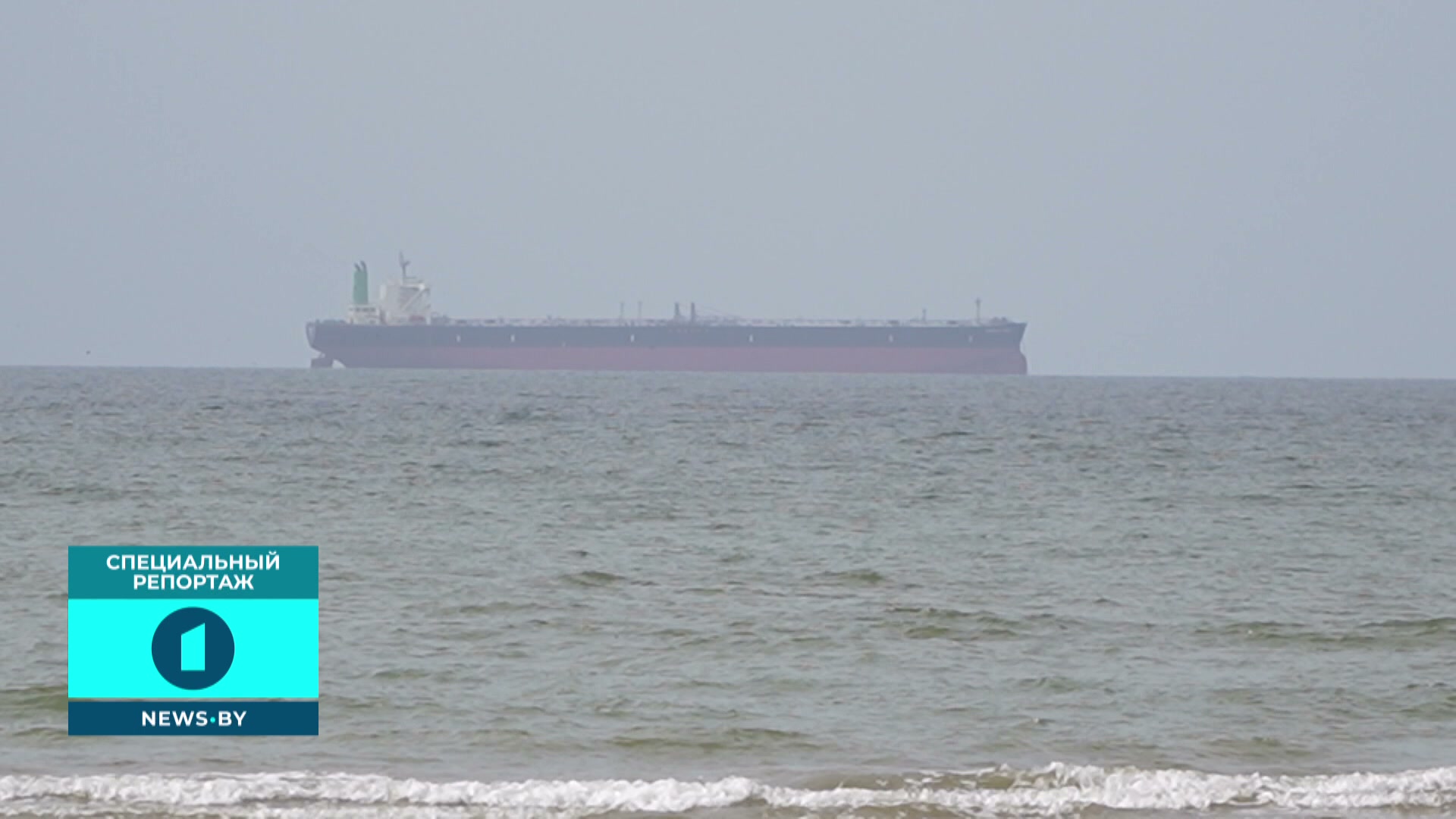
Oman's advantageous geography is fueling interest in the region, and Belarus is strengthening its position there by building trusting partnerships. Opening a window to the Middle East by opening new transit routes for Belarusian cargo is one of the most important launching pads for cooperation between Minsk and Muscat. This was the case before the conflict in the Middle East, and it will be the case after, says Belarusian Foreign Minister Maxim Ryzhenkov. Tensions in the region will not disrupt joint Belarusian-Omani plans.
Maxim Ryzhenkov, Belarus' Foreign Minister:
"We are keeping all projects in mind and understand that Oman is the only country in the region that is currently most committed to finding a peaceful resolution to the conflict in the Middle East. Omani Foreign Minister Sayyid Badr Al Busaidi is constantly engaged in shuttle diplomacy. The proposals voiced by His Majesty the Sultan of Oman truly create the foundation for further peaceful progress in the region."
Belarusians are traveling to Oman despite the turmoil in the region. Muscat is hosting a major negotiating marathon—a meeting of the Belarusian-Omani Joint Committee on Cooperation and Investment, a Belarusian-Omani business forum, and a series of bilateral meetings. Cooperation is based on active political dialogue at the highest level, support from the leaders of Belarus and Oman, and shared views on geopolitics.
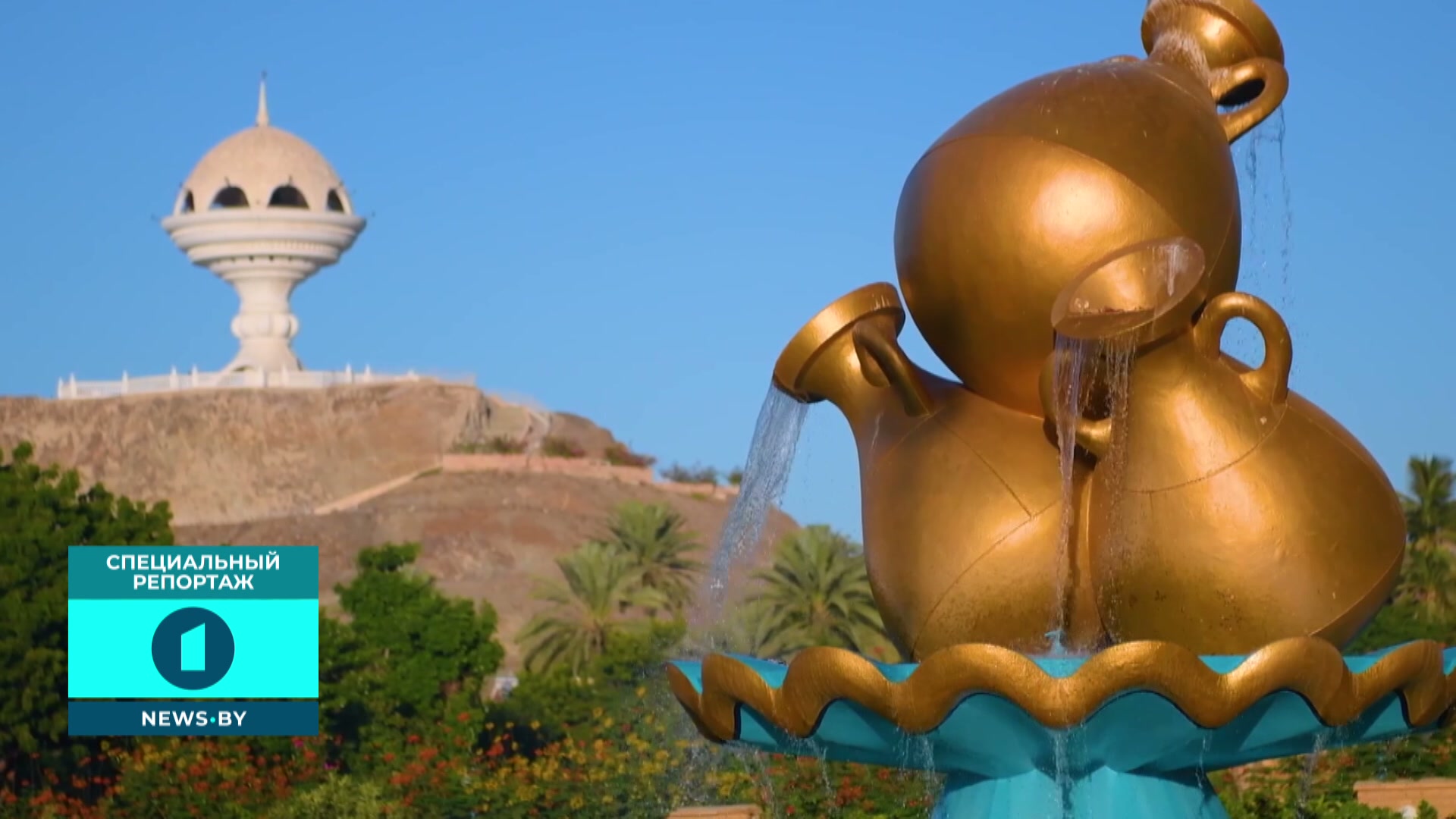
The Middle East is a crossroads, linking Europe, Asia, and Africa. It's the lifeblood of the global economy—established connections with all parts of the world, abundant resources, large sums of money, and a desire to transform the economy beyond reliance on oil and gas. The region as a whole, and Oman in particular, is signaling its openness to cooperation to the world, and Belarus sees this.
"The Omanis are friendly and peace-loving, and they help maintain peace. In particular, the Omani Foreign Minister played a significant role in contacts between the US and Iran. Oman is eager to develop business. The country sees no barriers between Belarus and its own country to promoting business," noted Yevgeny Vorobyov, Head of the Main Department for Asia and Africa at the Belarusian Foreign Ministry.
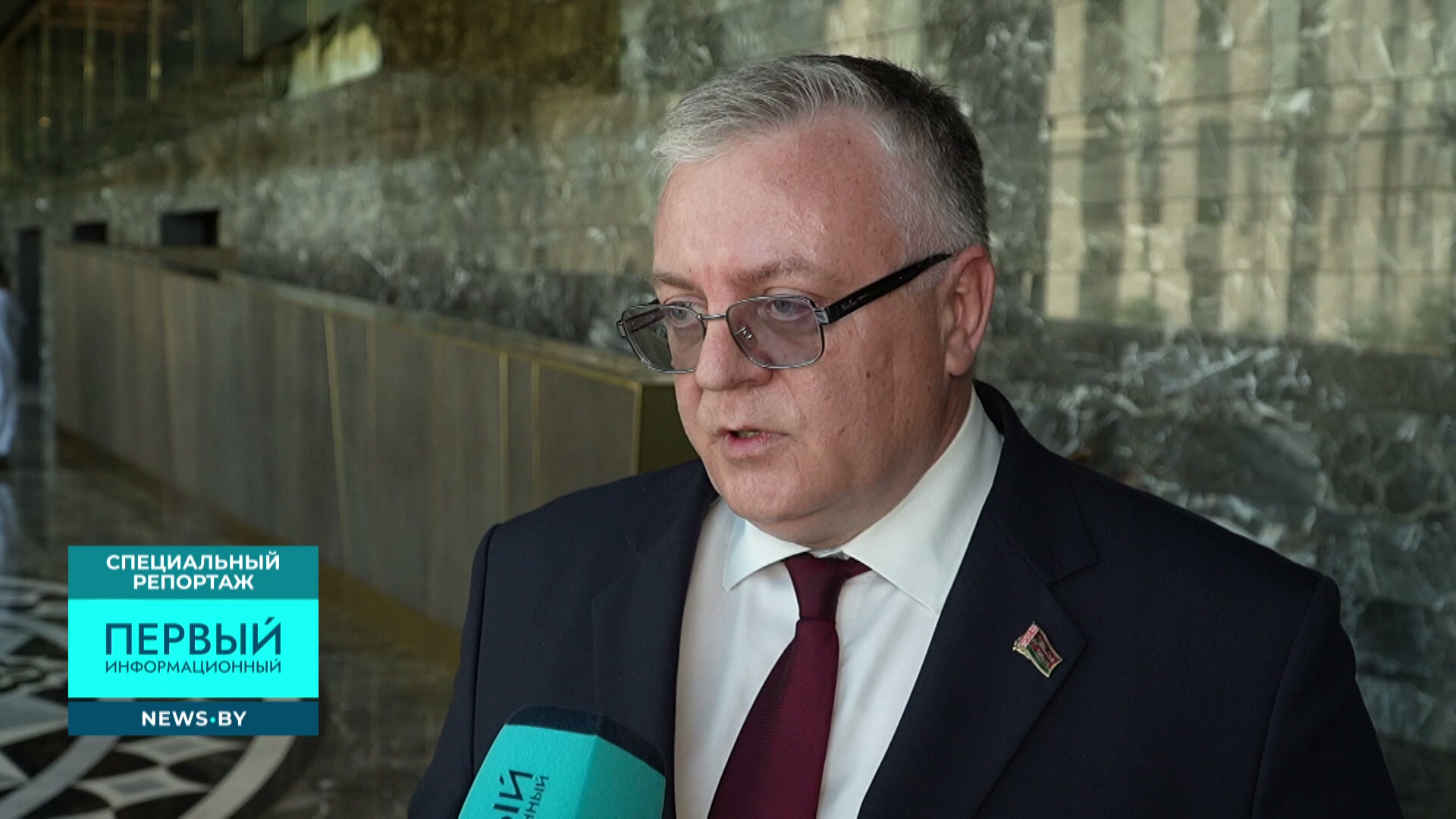
Minsk and Muscat have already developed a comprehensive cooperation plan, and the roadmap has been endorsed by their leaders. So businesses know that support is assured. On the Omani side, guarantees are provided by the Investment Agency (which manages the country's funds). Its head personally attends the negotiations with the Belarusian delegation.
"We discuss the entire bilateral agenda in various areas of cooperation – from trade and economic projects to investment. In recent years, we have jointly achieved significant results. They are greater than those achieved in the past 10 years. Today, we are actively working to make Oman a hub for the export of Belarusian products to neighboring regions," Abdulsalam Al Murshidi is the president of the Oman Investment Authority said.
Today, Oman is the least affected by the regional situation, and logistics deliveries continue through it, including via land to ports. The political will of the two leaders cements the relationship between Belarus and Oman. All doors are open to the Belarusian government, and businesses at all levels—from ordinary specialists to senior management—and government agencies freely interact with their Omani partners.
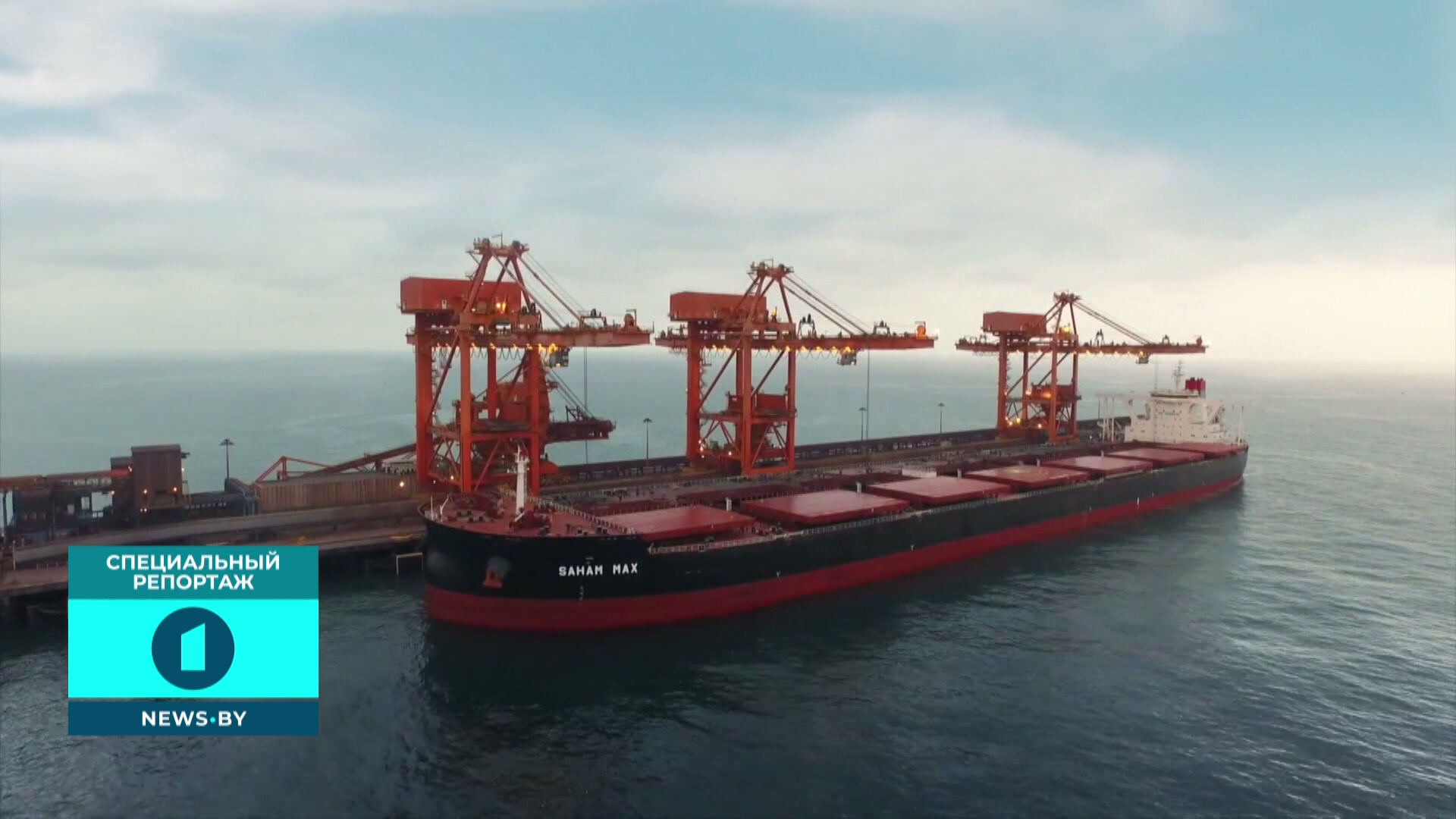
Belarusian businesses are already eyeing Oman's logistics corridors—under sanctions, this offers a safe route for cargo. From Oman, Belarusian goods can be shipped to Africa and Asia as Omani products not subject to sanctions. This is reliable. And most importantly, there is contact.
Abdullah Masoud Al Harthy, Member of the Board of Directors of the Oman Chamber of Commerce and Industry and Honorary Consul of Belarus in Oman:
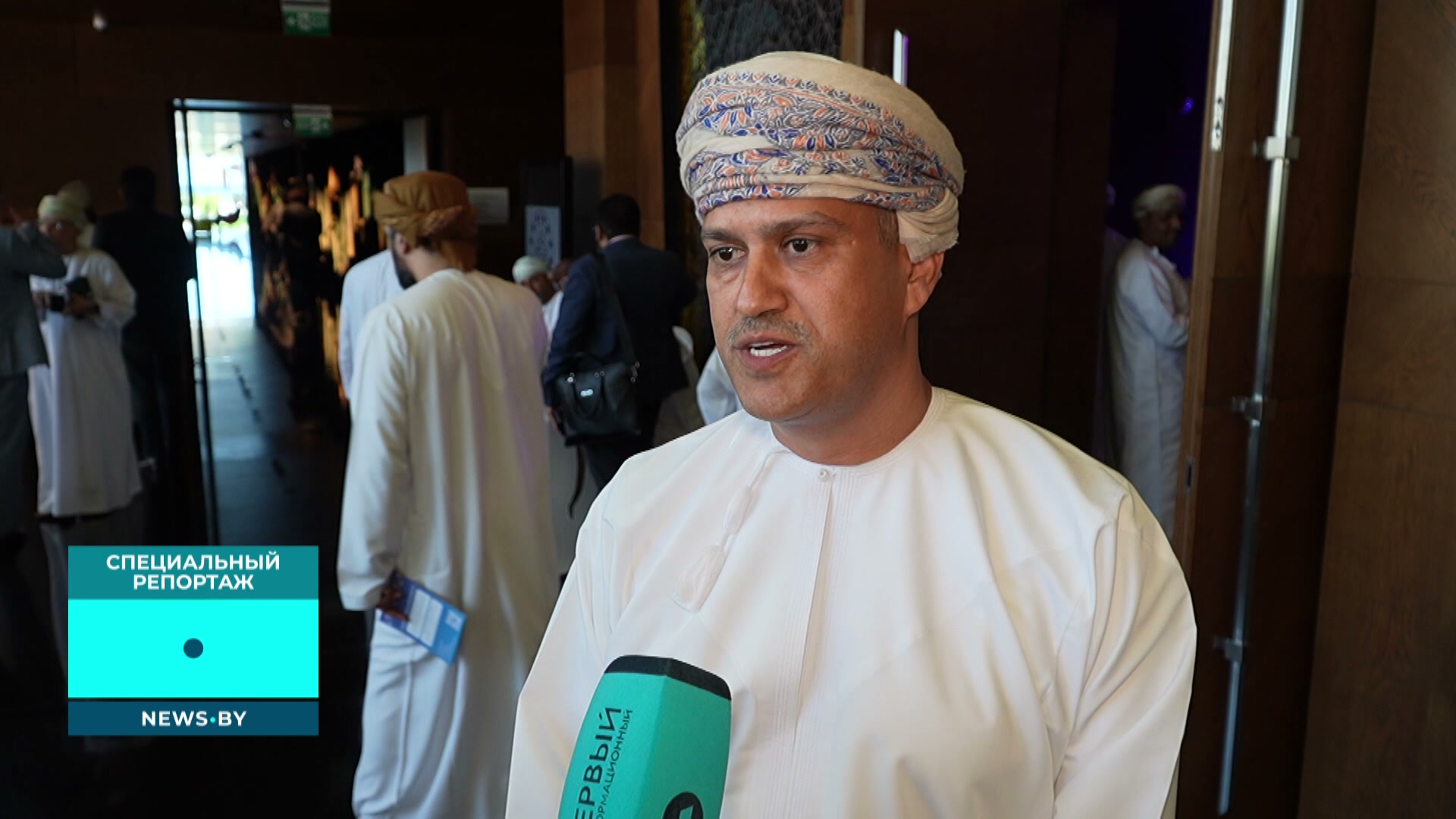
"Our advantageous geographic location is our trump card. We can receive cargo and re-export it to other regions. We have 10 free economic zones from north to south. This is a magnet for business. We can cooperate with Belarus not only in logistics. There is potential in information technology, tourism, and agriculture. We believe we will be able to build effective cooperation between Belarusian and Omani businesses."
In short, Oman poses no logistical barriers for Belarus, but for this scheme to work as planned, it will require the presence of joint ventures (meaning not just purchasing finished Belarusian products, such as machinery, but also assembling them). From there, the jointly produced goods can be shipped to neighboring regions where the situation is less stable or where the necessary assembly capacities are not yet available. Such projects already exist.
"A Memorandum of Understanding has already been signed between the ministries, and agreements and roadmaps have been signed between the companies. Their implementation is underway," shared Leonid Ryzhkovsky, Deputy Minister of Industry of Belarus. "Third-country markets are the priority, but we will start with the local market. The strategy has also been communicated to our partners: the equipment is being promoted locally, Belarus is assessing its performance, and only then will it be exported to the Persian Gulf and African countries."
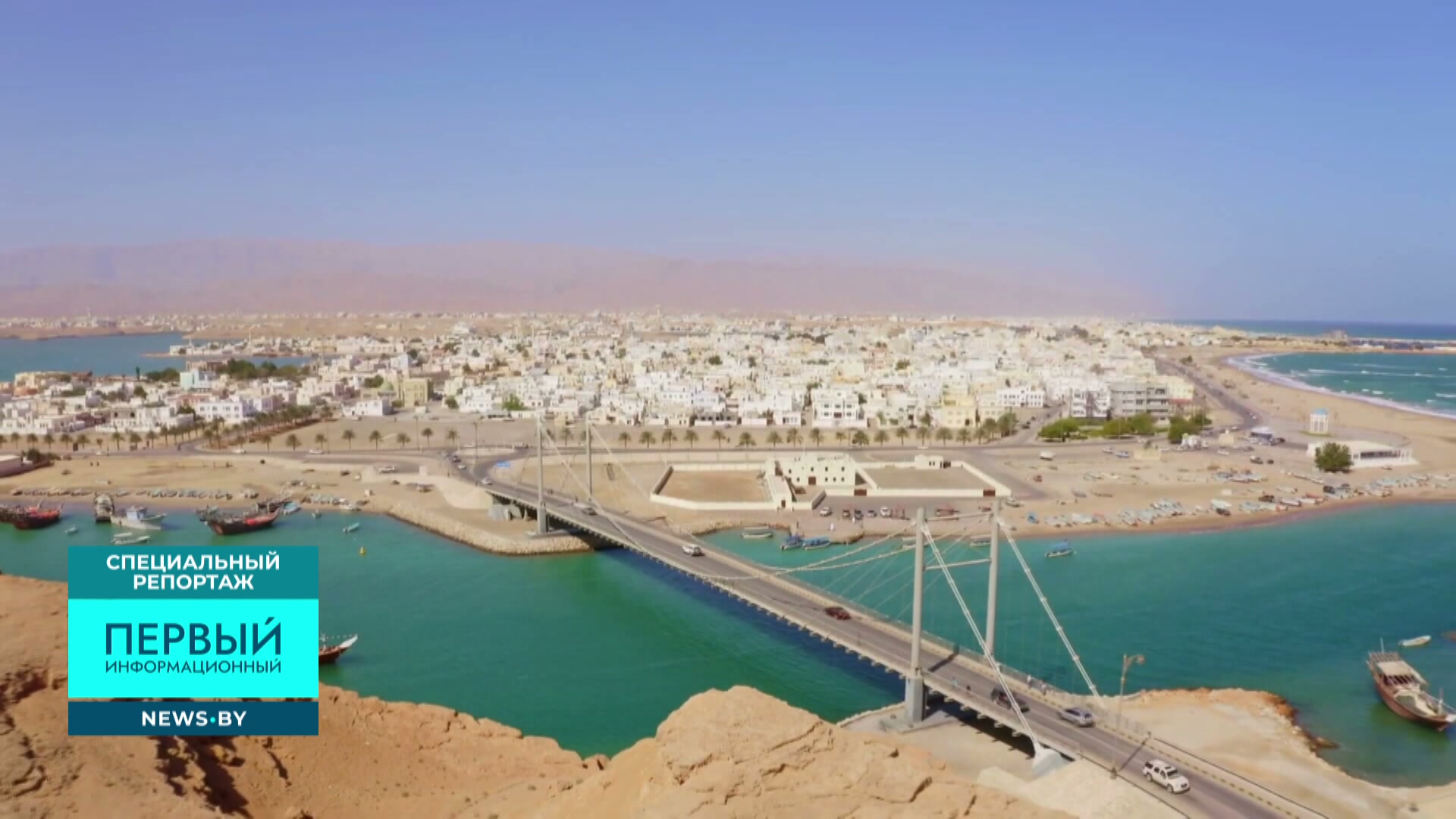
But logistics isn't the only thing. Oman is synonymous with stability, even amid the turbulence of the Middle East. It offers political and economic stability, investment guarantees, and capital preservation. Such partners are valued internationally, but you can't enter this market off the street. The upswing in Belarusian-Omani relations achieved in recent years is a reflection of the authority the Belarusian leader has built in the Muslim world.
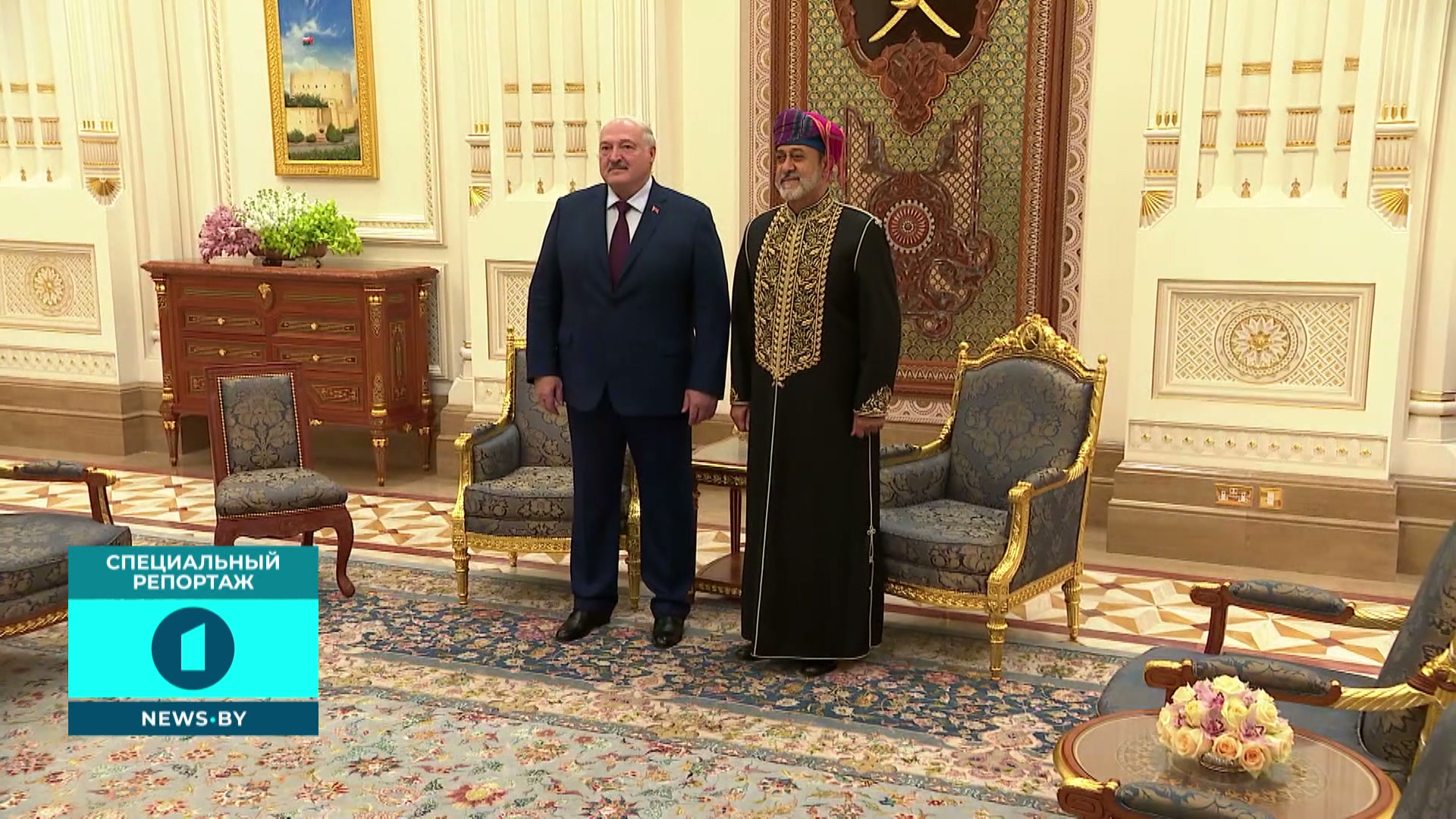
The Belarusian-Omani high-level dialogue began almost 20 years ago, in 2007. In Muscat, Belarusian President Alexander Lukashenko was received by Qaboos bin Said. It is to him that Oman owes its current prosperity. Every Omani of a certain age will tell you that just 50 years ago, their country was a remote Arab province with no roads, schools, or hospitals, but now Oman is among the world's top countries for living standards. There's free healthcare and education, including higher education, no taxes, high incomes, and, finally, public transportation is hard to find, unless you're lucky. But the locals don't need it—everyone has a car.
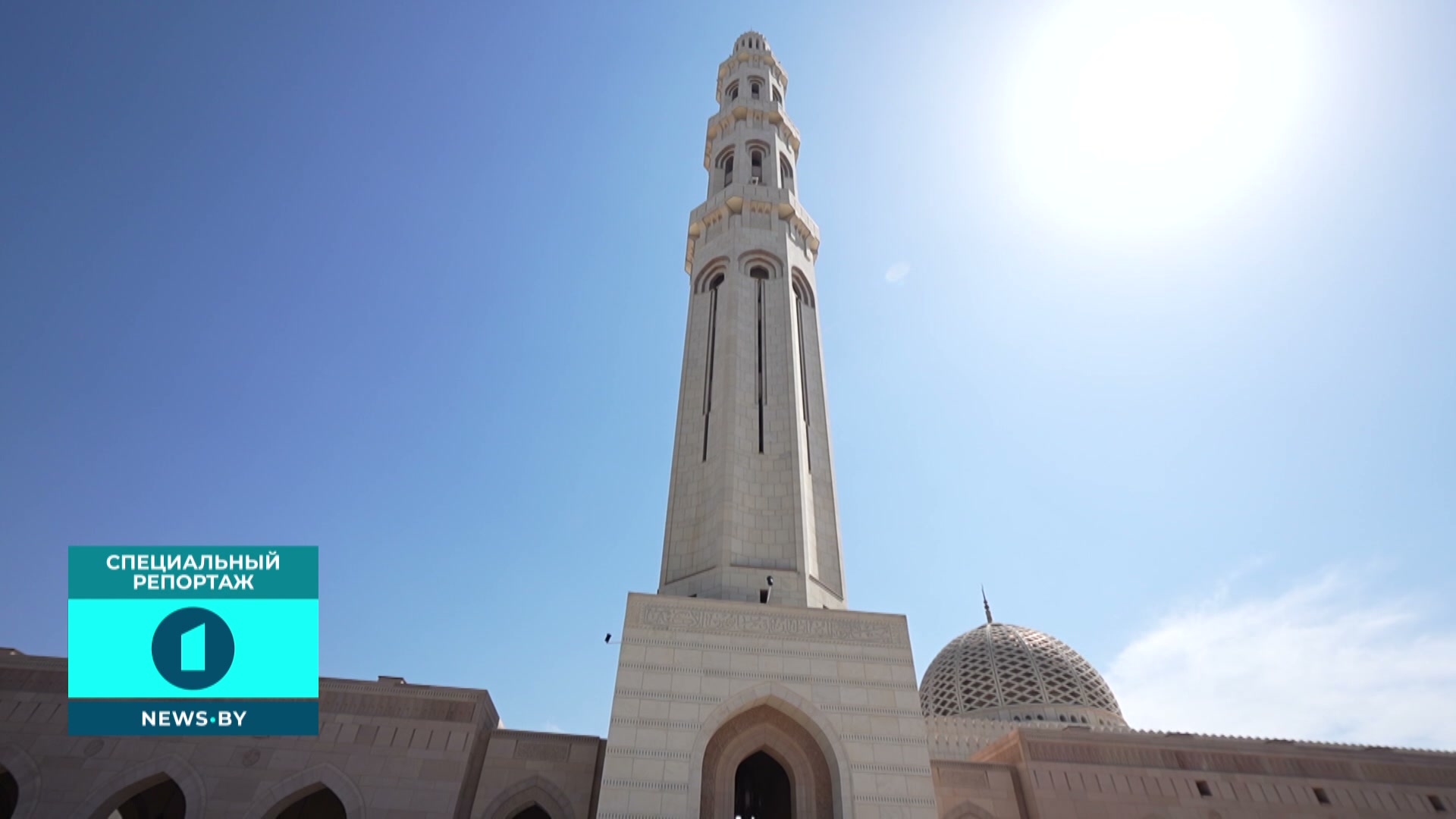
The main mosque in Muscat, and indeed the entire Sultanate of Oman, is named after Sultan Qaboos. Incidentally, it is the only one where non-Muslims are permitted to enter, but this is only possible in the morning, requiring special clothing.
Oman is a quiet haven in the east and an atypical Persian Gulf metropolis. Everything here is steeped in history, the country maintains its authenticity, with no skyscrapers—disturbing the traditional appearance is simply forbidden—no glass jungles, no artificial islands. Sheikhs, however, are not uncommon. You might not recognize them by sight, as displays of luxury are not customary in the country, but they will whisper that you are standing before a genuine sheikh.
Oil is certainly a good driver of development, but amid constant turmoil in energy markets, Oman is interested in diversifying its economy and developing other areas. And to understand which areas, just visit a local store. In Oman, it's a beautiful display of imported goods. Here, like in Greece, they have everything, but it’s foreign, and they want more of their own.
Food security is a concern for the entire Middle East. There's very little land suitable for agriculture there. In Oman, only a few percent of the land is suitable, hence the logical interest in high-quality products and modern production technologies. While Belarusian milk powder is being shipped to Oman, trial shipments of baby formula have been organized, however, the deputy minister responsible for the matter assured that more is possible.
Aleksandr Yakovchits, Deputy Minister of Agriculture and Food of Belarus:
"We know the poultry market capacity (Oman imports 117,000 tons) and will await inspections by Omani specialists to accredit Belarusian poultry producers. We are interested in expanding our dairy product line, not only supplying powdered milk and baby food, where we can increase volumes, but also discussing the possibility of supplying butter and cheese. The latter are a significant import item in Oman – approximately 20,000 tons of these products are imported. We could compete in this market in terms of quality and price."
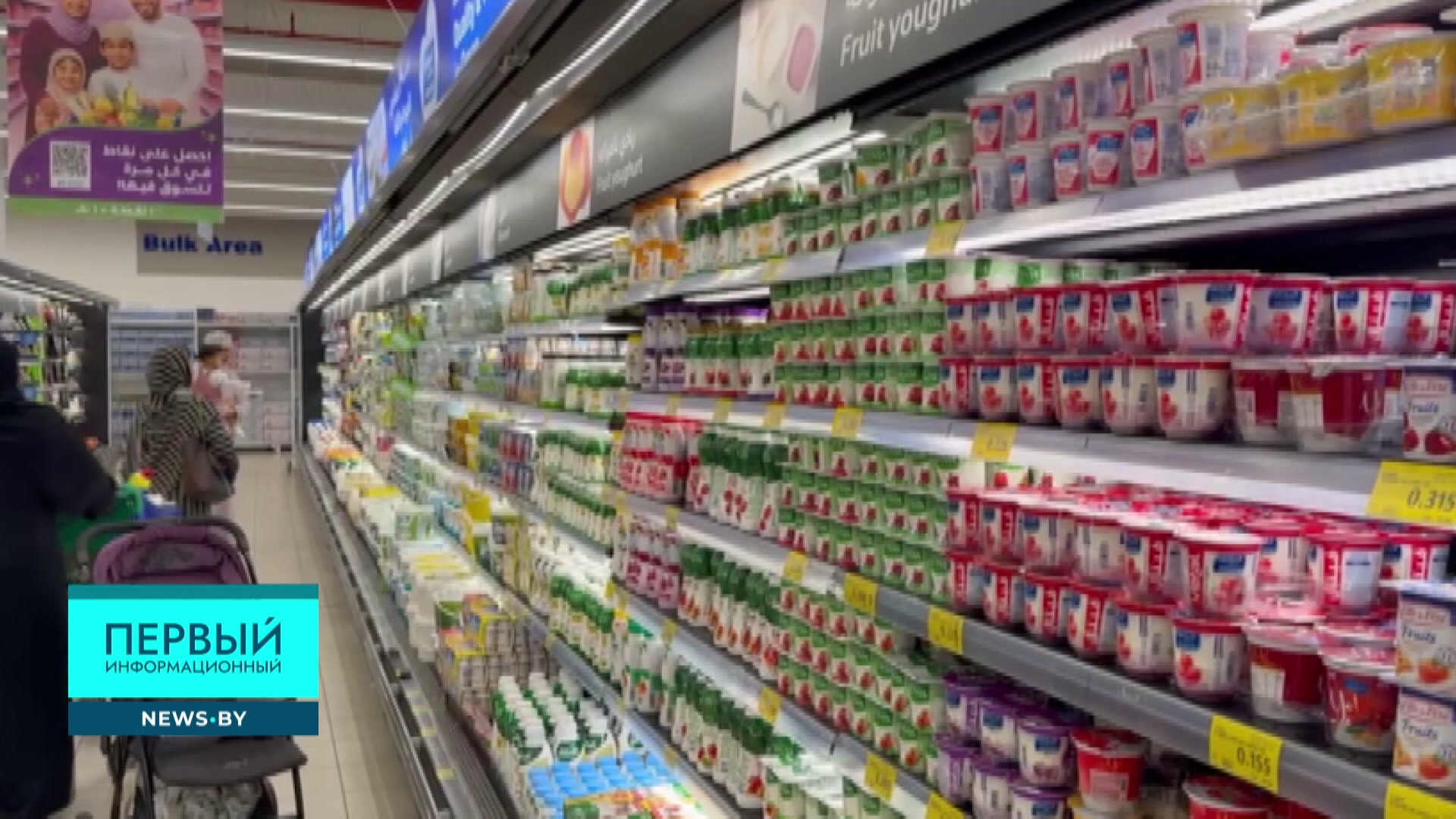
We can expand not only in terms of supplies but also in joint ventures. The Middle East, in general, and Oman in particular, have virtually no domestic dairy production, and relying solely on Western producers, especially in the baby food segment, is short-sighted. So, the partners are discussing how to jointly produce good, tasty products. But Oman needs different technologies, as evidenced by its interest in advanced know-how. The High-Tech Park and its residents are also welcome, as are medical professionals – the Sultanate is committed to improving its healthcare system.
However, the construction of a pulp and paper mill is intended to be a flagship project for Belarus and Oman. Omani investment plus Belarusian raw materials (and Belarus has an overabundance of low-grade timber) equals a new plant, support for competencies, regional development, and jobs and prosperity for hundreds of families. The head of the Belarusian diplomatic mission did not reveal all the details, but hinted that Minsk and Muscat are committed to a long-term partnership.
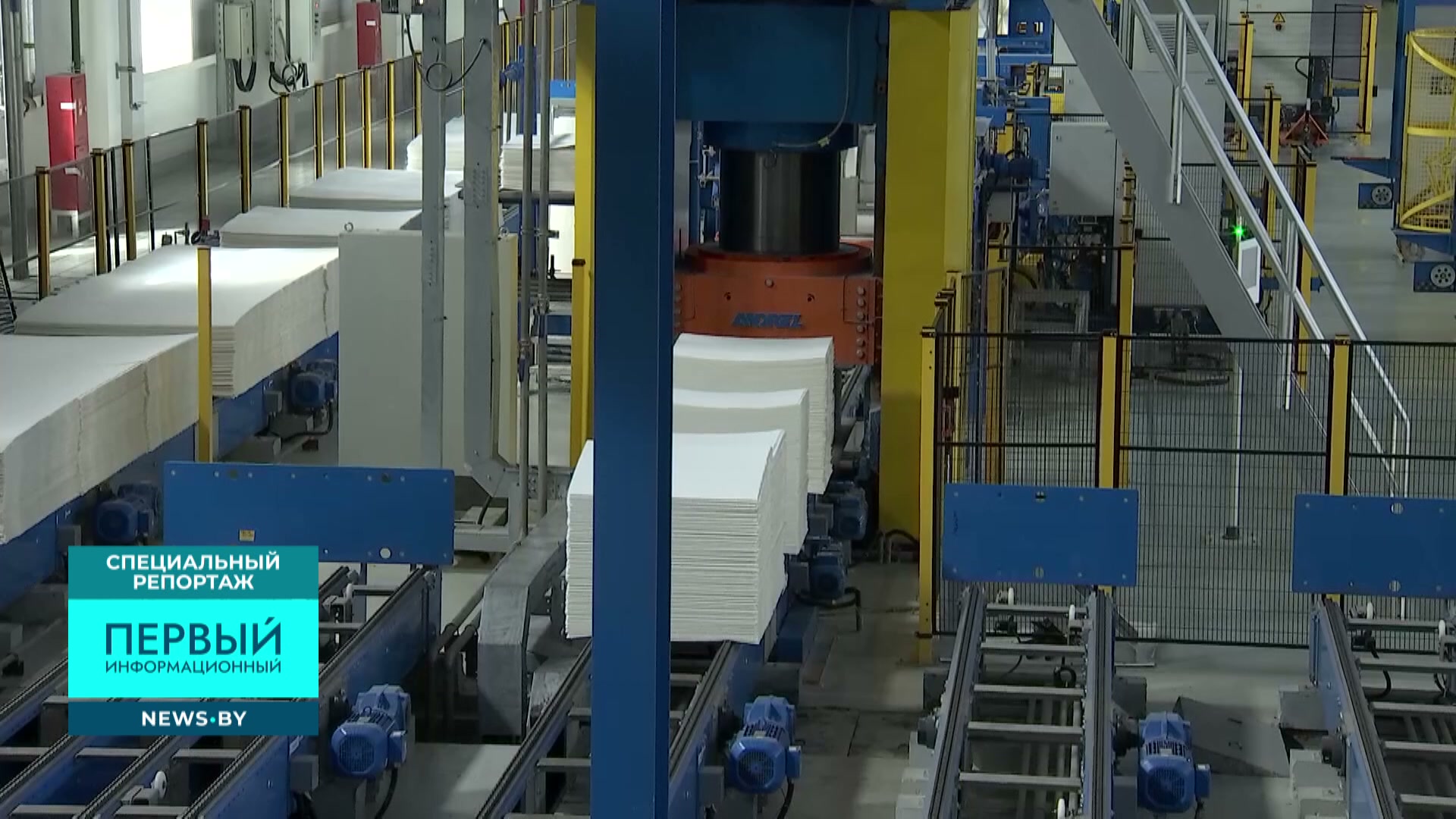
"In October 2025, a Memorandum of Cooperation was signed for its implementation, with a total investment volume of $1.4 billion and an annual production capacity of 800,000 tons. This project is a key flagship project that will also enable the implementation of Belarusian expertise in woodworking and the pulp and paper industry, and will also act as a magnet for attracting other businesses to Belarus," Evgeny Sobolevsky, Ambassador Extraordinary and Plenipotentiary of Belarus to Egypt and Oman (concurrently) said.
In general, a noticeable trend is that businesses are increasingly choosing Oman for investment, displacing the UAE. Belarusians are also making it clear they are willing to work here, especially since all visa barriers have been lifted, and tourists are already taking advantage of this.
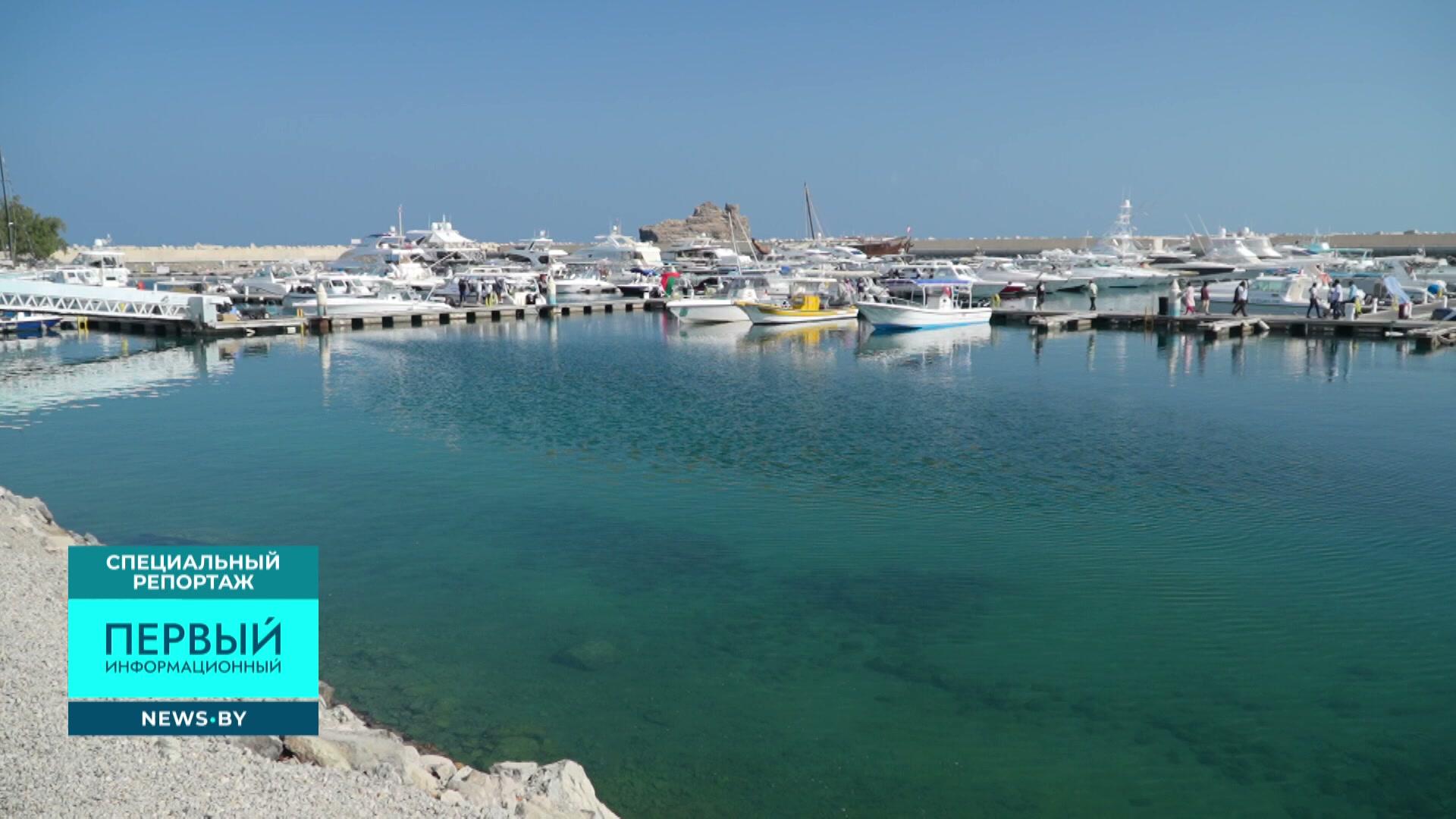
Tourism, incidentally, is a good indicator that the country is becoming visible and open. Plus, there's stability, a strong currency (stronger than the US dollar), free economic zones, and the same unique geography and simply a place where Belarusians are welcome. So, it seems the story of Belarusian-Omani cooperation is just beginning. Minsk and Muscat have every chance of becoming a destination each wants to return to.
Learn more about why Belarusian-Omani cooperation protects the country's economic interests and offers hundreds of Belarusian companies a real chance to enter new markets in a special report.
Main photo: sputnik.by