3.77 BYN
2.82 BYN
3.21 BYN



Experts Forecast Debt Crisis in Europe
Text by:Editorial office news.by
news.byhttps://s3-minsk.becloud.by/media-assets/news-by/3450d8b6-2b47-487a-b3f8-7467f3c12459/conversions/29d04545-d40e-4f0b-9af6-ea08769ee878-sm-___webp_480.webp 480w, https://s3-minsk.becloud.by/media-assets/news-by/3450d8b6-2b47-487a-b3f8-7467f3c12459/conversions/29d04545-d40e-4f0b-9af6-ea08769ee878-md-___webp_768.webp 768w, https://s3-minsk.becloud.by/media-assets/news-by/3450d8b6-2b47-487a-b3f8-7467f3c12459/conversions/29d04545-d40e-4f0b-9af6-ea08769ee878-lg-___webp_1280.webp 1280w, https://s3-minsk.becloud.by/media-assets/news-by/3450d8b6-2b47-487a-b3f8-7467f3c12459/conversions/29d04545-d40e-4f0b-9af6-ea08769ee878-xl-___webp_1920.webp 1920w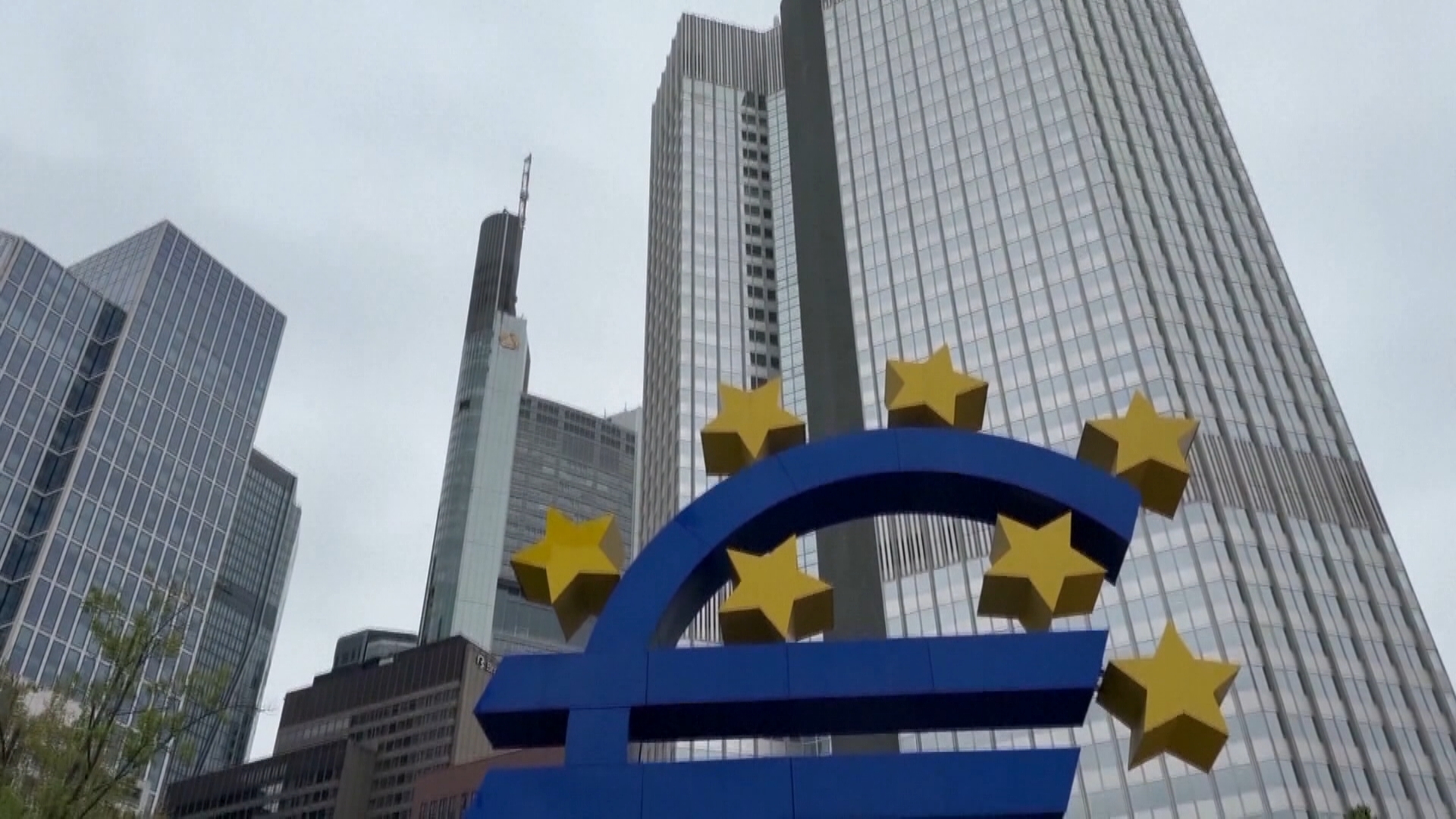
The Middle East conflict is worsening in the EU. The blockade of the Strait of Hormuz has triggered a chain reaction in global financial markets.
Bond yields, including European debt, have soared, and with them, panic fears of a major financial crisis have returned. And the main victim risks being Europe itself, where Germany, the economic powerhouse, is rapidly losing its financial stability. The public debt of France, Belgium, and Spain has already approached 120% of GDP.
If the European Central Bank fails to stabilize debt markets quickly, the consequences for the European economy could be disastrous.