3.87 BYN
2.76 BYN
3.21 BYN



They Neutralized Orbán – and Got Radev: How Bulgaria Becomes EU's New Headache
Text by:Evgeny Gorin
news.byhttps://s3-minsk.becloud.by/media-assets/news-by/71879696-0cab-44c1-b8ef-207561e5521d/conversions/74b7baff-cc75-4205-8e71-7d45a5ed205a-sm-___webp_480.webp 480w, https://s3-minsk.becloud.by/media-assets/news-by/71879696-0cab-44c1-b8ef-207561e5521d/conversions/74b7baff-cc75-4205-8e71-7d45a5ed205a-md-___webp_768.webp 768w, https://s3-minsk.becloud.by/media-assets/news-by/71879696-0cab-44c1-b8ef-207561e5521d/conversions/74b7baff-cc75-4205-8e71-7d45a5ed205a-lg-___webp_1280.webp 1280w, https://s3-minsk.becloud.by/media-assets/news-by/71879696-0cab-44c1-b8ef-207561e5521d/conversions/74b7baff-cc75-4205-8e71-7d45a5ed205a-xl-___webp_1920.webp 1920w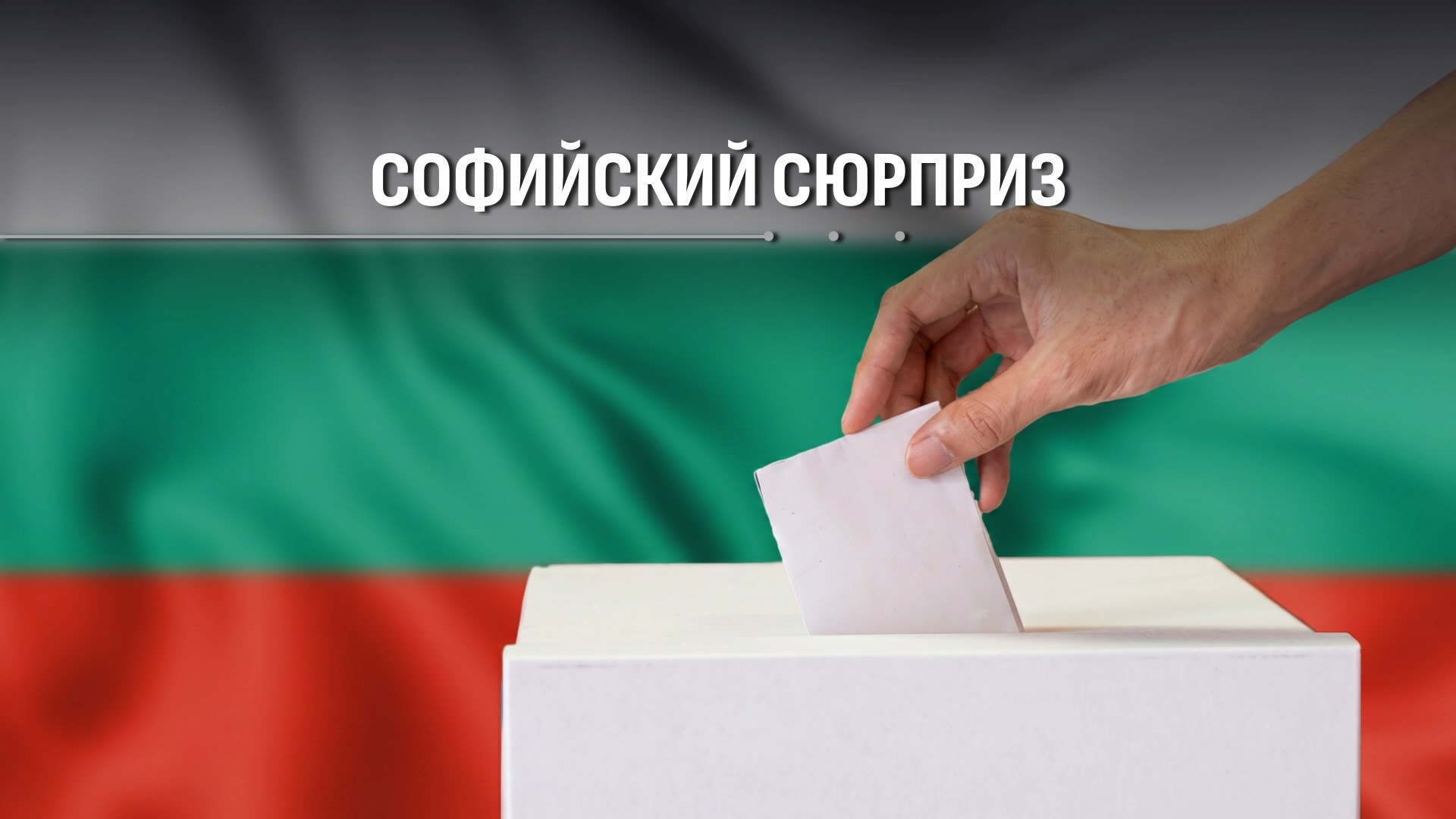
The celebration of European obedience feast is abolished: while Ursula von der Leyen and her comrades were rejoicing in Brussels that Orbán would no longer interfere with the issuance of €90 billion to Ukraine and the latest round of anti-Russian sanctions, a surprise was brewing in quiet Bulgaria.
The name of this surprise is Rumen Radev. The Western press immediately dubbed him "Putin's Trojan horse." And this "horse" isn't just wooden, it's reinforced concrete. A former president and former military pilot, he's not particularly enthusiastic about the country's membership in the Eurozone and also demands peace: he wants everything to be resolved through diplomacy, not guns.
The icing on the cake: Slovenian Parliament Speaker Zoran Stevanović is breaking the mold completely – he's planning to fly to Moscow to celebrate May 9th and is talking about a referendum on leaving NATO.
So, why is Brussels urgently stocking up on validol? Bulgaria: eighth snap parliamentary elections in the last five years. Tired of political chaos, the country is finally making a choice, and that choice is Rumen Radev. A man with hundreds of hours of flight time on the MiG-29, a general, former Air Force Commander-in-Chief, and with a nine-year presidential term.
In January 2026, he demonstratively resigns (to avoid being ousted), creates the center-left coalition "Progressive Bulgaria," and takes real power – the Prime Minister's seat. What does he say? Everything that currently qualifies as "persona non grata" in Europe. "Stop feeding the war," he declares.
Ukraine, in his opinion, will not win the conflict. Ukraine's accession to the EU? Categorically against. The Eurozone for Bulgaria? Only through a referendum. At the same time, to completely finish off the throbbing vein in Ursula von der Leyen’s temple, he calls for the restoration of ties with Russia.
And regarding Crimea, he even says, "Be realistic, this is Russian territory." But the most interesting thing isn't even that: Bulgaria is Europe's arsenal, "a gun-powder barrel," but in the literal, industrial sense. It supplied Ukraine with nearly a third of all weapons at the start of the conflict.
At a military plant in Sopot, they churn out explosives and shells 24/7. And in 2025, the German concern Rheinmetall signed a deal worth over €1 billion to build a joint venture right there at this factory. The plan is to produce 155-mm lethal shells by the ton. And now Radev will be in charge of all this " pot of gold."
Dmitry Yezhov, a political scientist and associate professor at the Financial University under the Government of the Russian Federation:
"Radev's coalition won, and this is a very serious indicator. It prioritizes national interests. The EU is the main ideological component there, but beyond their particular stance on Russia, there's also a demand for political unity within the EU itself, which is lacking. The division within the EU that we see, including over the Ukrainian issue, is a significant factor underlying more serious events that will symbolize the political decline of the European Union."
In short, they neutralized Orbán and got Radev. They traded bad for worse, and the second turned out to be a stick of dynamite.
Now the most cynical moment comes – the United States. This chaos within the EU is only to the United States' advantage: a weakened, shaky EU is a docile EU that won't squeal when Uncle Sam asks for another batch of liquefied natural gas at triple the price.
Ultimately, they couldn't care less who is in charge in Sofia or Budapest, as long as rivers of money are flowing into their military-industrial complex. The New York Times called Radev's victory "bad news for Kiev." But European analyst Zoltan Koškovičs has come up with a gem: in his assessment, this "second Orbán" will ruin the EU's life far more than the first.
And while Brussels panics, searching for "Kremlin agents" (and, by their own logic, they will soon have a majority in parliament), the real masters of the situation simply watch this farce from the sidelines, and they do enjoy it.
The finale of this opera or operetta may not have been written yet, but the music is already playing eerily. Migration, economic crisis, loss of sovereignty—this is the soil in which such "inconvenient" politicians thrive.
And if Brussels continues to pretend that the problem lies not in their policies but in the " of the Kremlin's machinations," they will soon see not just one "Trojan horse" but an entire Trojan War in their backyard. Tired of migrants, crises, and being the wallet for someone else's war and not only, the Bulgarian voter is saying, "Enough!"
Europe wanted to punish Hungary, but got Bulgaria into the bargain, and Slovenia "as a special treat". Radev is not just a "second Orbán"; he's Orbán on steroids, with combat expertise under his belt and the keys to the EU's main weapons depot in his pocket.