3.83 BYN
2.81 BYN
3.26 BYN



Tired of Ukraine: Europe winds down temporary protection program
Text by:Nikita Makhotkin
news.byhttps://s3-minsk.becloud.by/media-assets/news-by/e10c5b7b-0a13-4da3-a8fa-e43ce7a72516/conversions/6c490898-39cc-4f2c-b78c-eb61afdefc87-sm-___webp_480.webp 480w, https://s3-minsk.becloud.by/media-assets/news-by/e10c5b7b-0a13-4da3-a8fa-e43ce7a72516/conversions/6c490898-39cc-4f2c-b78c-eb61afdefc87-md-___webp_768.webp 768w, https://s3-minsk.becloud.by/media-assets/news-by/e10c5b7b-0a13-4da3-a8fa-e43ce7a72516/conversions/6c490898-39cc-4f2c-b78c-eb61afdefc87-lg-___webp_1280.webp 1280w, https://s3-minsk.becloud.by/media-assets/news-by/e10c5b7b-0a13-4da3-a8fa-e43ce7a72516/conversions/6c490898-39cc-4f2c-b78c-eb61afdefc87-xl-___webp_1920.webp 1920w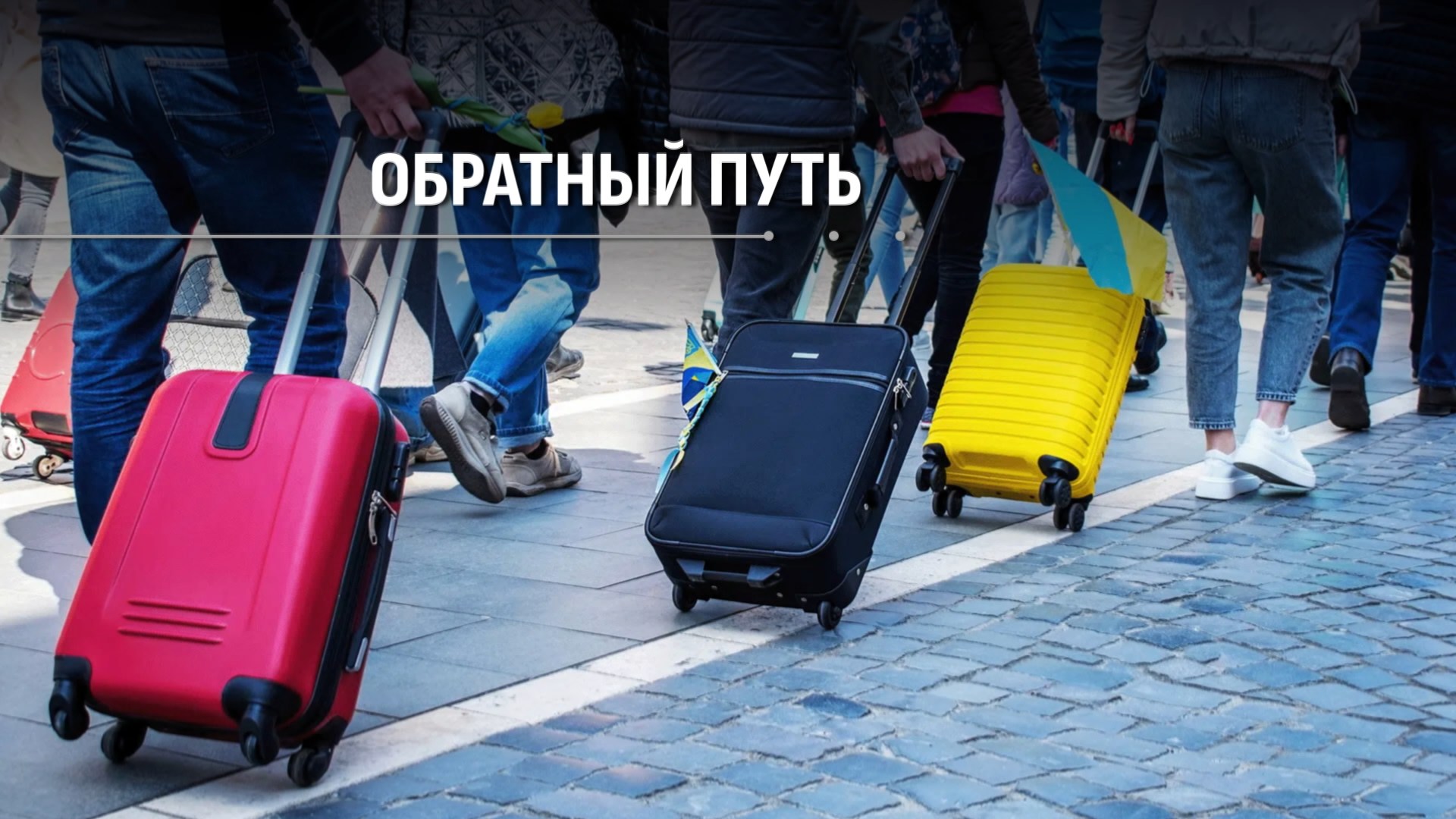
Europe has discovered a surprising fact: hospitality is a wonderful thing, but it has an expiration date.
EU interior ministers are gathering in Luxembourg on June 4 for a business lunch. The main course on the menu is Ukrainian men of military age. Officially, the temporary protection directive is valid until March 2027, but a very delicate question hangs in the air: could this protection be carefully narrowed? For example, could it be reserved for women and children, while gentlemen could be given a hint that it's better to defend the homeland from a trench with a gun than from Prague's embankments with a foreign flag over their heads.
In the first quarter of 2026, the EU has already adopted 17% fewer decisions on temporary protection than in the previous quarter. From February to March, the number of Ukrainians with this status decreased by 68,000. The largest decline was recorded in Italy (almost 50%), followed by the Czech Republic and Finland.
As local experts who are not part of the human rights community note, this has only advantages: it reduces the financial burden on the state, simplifies the work of the law enforcement system, and, besides, Ukraine itself needs people.
John Mearsheimer, Professor at the University of Chicago:
"A number of European leaders are effectively saying, 'We must fight to the last Ukrainian.' Personally, I find this position morally repugnant. In essence, that's exactly what's happening now. Ukraine will lose this war. In my view, for its own good, it should have ceased hostilities much earlier. The demographic situation in Ukraine is already being described as a demographic death spiral. Meanwhile, Ukrainians continue to be pushed to throw more and more people into this meat grinder, even though, as they say, the outcome of the war is already a foregone conclusion."
The initiative is fervently supported by those closest to the geographic epicenter of the events. The flames are most demonstrative in Poland. Ukraine has taken care of this. Kyiv named one of the Ukrainian Armed Forces' special operations centers after the "UPA Heroes." Warsaw immediately appreciated this historic performance.
Every year, around this time, politicians, journalists, and activists from both sides begin actively accusing each other of mortal sins and threatening to revise the results of World War II. They try to hurt each other, but in a way that doesn't lead to open geopolitical conflict. In 2025, Warsaw designated July 11 as the Day of Remembrance for the Victims of the Volhynia Massacre. In 2026, Kyiv ceremoniously reburied the remains of the OUN (Organization of Ukrainian Nationalists) leader Andriy Melnyk. The Deputy Minister of Foreign Affairs of Ukraine announced plans to rebury the remains of approximately 100 more OUN and UPA members in a specially created "Pantheon of Eminent Ukrainians."
European solidarity is undergoing a profound modernization. It turns out that loving your neighbor isn't much easier when they don't try to rewrite your history or claim eternal support at your taxpayers' expense.