3.77 BYN
2.82 BYN
3.30 BYN



EAEU's Foreign Trade to Increase by 22%: How Customs Digitalization Helps Union's Economy Grow
Text by:Svetlana Lukyanyuk
news.byhttps://s3-minsk.becloud.by/media-assets/news-by/ed830860-d726-40c3-9879-1cc60ea967f3/conversions/5e1b31ba-69d8-48f2-9642-98be6962f7c7-sm-___webp_480.webp 480w, https://s3-minsk.becloud.by/media-assets/news-by/ed830860-d726-40c3-9879-1cc60ea967f3/conversions/5e1b31ba-69d8-48f2-9642-98be6962f7c7-md-___webp_768.webp 768w, https://s3-minsk.becloud.by/media-assets/news-by/ed830860-d726-40c3-9879-1cc60ea967f3/conversions/5e1b31ba-69d8-48f2-9642-98be6962f7c7-lg-___webp_1280.webp 1280w, https://s3-minsk.becloud.by/media-assets/news-by/ed830860-d726-40c3-9879-1cc60ea967f3/conversions/5e1b31ba-69d8-48f2-9642-98be6962f7c7-xl-___webp_1920.webp 1920w
Amidst a radical restructuring of logistics routes and external economic pressure, the Eurasian Economic Union's key task has become the creation of a flexible and technologically advanced customs infrastructure. Ruslan Davydov, Member of the Board (Minister) for Customs Cooperation of the Eurasian Economic Union (EEC), spoke on the Spotlight Interview program about digital innovations in customs cooperation, which are already changing the rules of the game for businesses, and about the challenges associated with protecting the domestic market.
Summing up the results of customs cooperation for 2025, Ruslan Davydov emphasized that all achievements are the result of the joint work of the EEC and the customs services of all five countries (Armenia, Belarus, Kazakhstan, Kyrgyzstan, and Russia). A key focus has been the extensive development of the Customs Code.
"In 2026, a package of amendments to the code will come into effect. This includes approximately 600 amendments addressing digitalization, transit development, and, of course, regulating various issues, as the economic situation has changed significantly due to sanctions," the minister noted.
news.byhttps://s3-minsk.becloud.by/media-assets/news-by/84ca16f2-53ed-4e45-b37f-b0b6db07c56d/conversions/1aafdc2e-26c3-43e1-b1fc-5da998d371c1-sm-___webp_480.webp 480w, https://s3-minsk.becloud.by/media-assets/news-by/84ca16f2-53ed-4e45-b37f-b0b6db07c56d/conversions/1aafdc2e-26c3-43e1-b1fc-5da998d371c1-md-___webp_768.webp 768w, https://s3-minsk.becloud.by/media-assets/news-by/84ca16f2-53ed-4e45-b37f-b0b6db07c56d/conversions/1aafdc2e-26c3-43e1-b1fc-5da998d371c1-lg-___webp_1280.webp 1280w, https://s3-minsk.becloud.by/media-assets/news-by/84ca16f2-53ed-4e45-b37f-b0b6db07c56d/conversions/1aafdc2e-26c3-43e1-b1fc-5da998d371c1-xl-___webp_1920.webp 1920w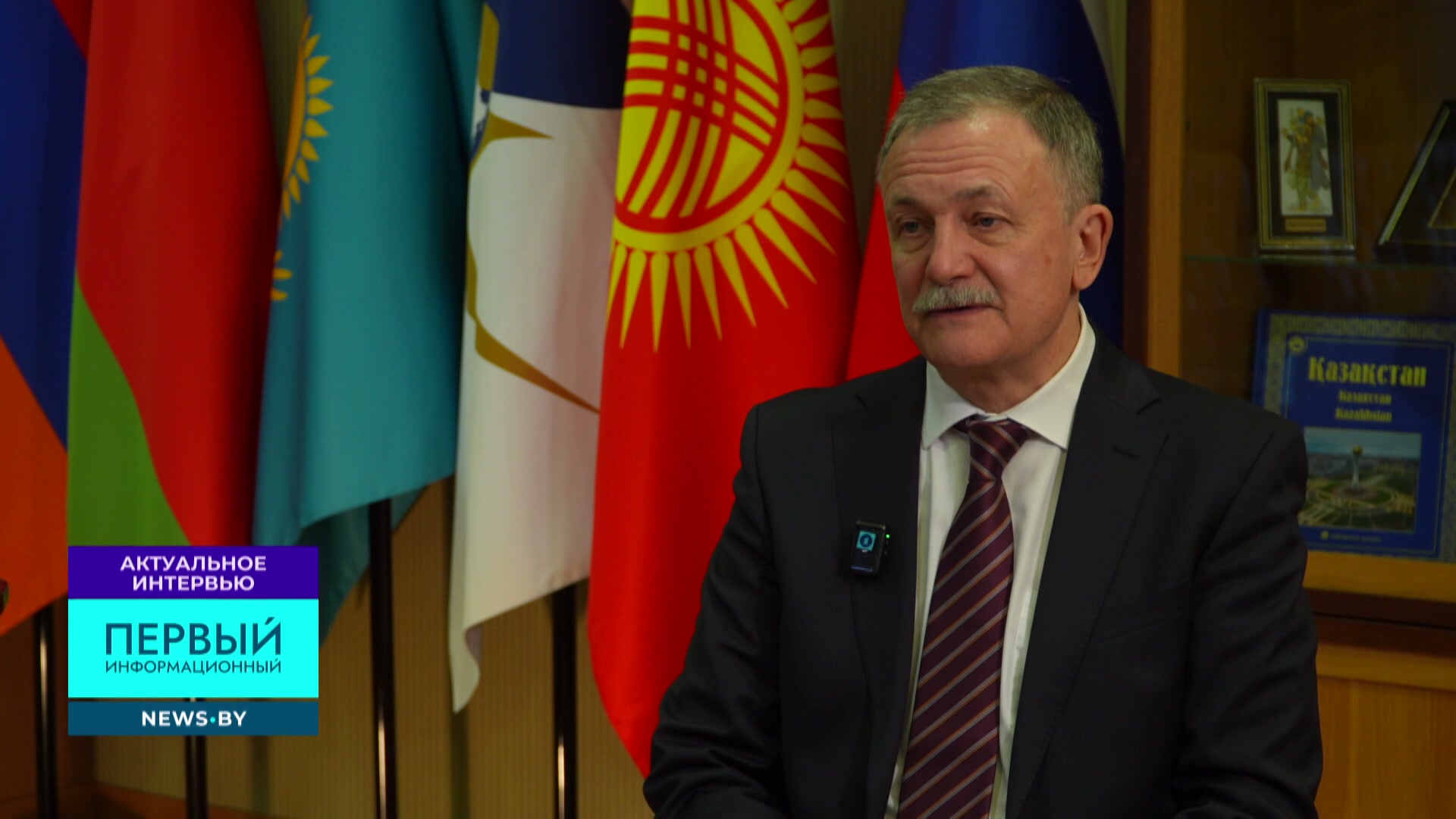
He gave a specific example of new challenges: "For example, the issue of container turnover has proven to be very difficult. It seems, well, what is container turnover? But in practice, it's a very important issue and one that concerns businesses. We will resolve this, too."
One of the breakthrough projects was the development of a unified customs transit system. As Ruslan Davydov explained, the agreement has already been ratified by four countries (only Kazakhstan remains), and negotiations are underway to include third countries, such as Uzbekistan.
"What does this mean? Firstly, a reduction in the number of transit declarations, a unified financial guarantee, and, of course, simplification for businesses, which will eventually be able to travel, as we say, from Tashkent to Brest with a single declaration," the EEC board member stated.
news.byhttps://s3-minsk.becloud.by/media-assets/news-by/fd10eae1-08f1-409f-81f6-7fe34e70fa2b/conversions/fe461bcd-aebf-47c9-a456-5d1d09d4aee8-sm-___webp_480.webp 480w, https://s3-minsk.becloud.by/media-assets/news-by/fd10eae1-08f1-409f-81f6-7fe34e70fa2b/conversions/fe461bcd-aebf-47c9-a456-5d1d09d4aee8-md-___webp_768.webp 768w, https://s3-minsk.becloud.by/media-assets/news-by/fd10eae1-08f1-409f-81f6-7fe34e70fa2b/conversions/fe461bcd-aebf-47c9-a456-5d1d09d4aee8-lg-___webp_1280.webp 1280w, https://s3-minsk.becloud.by/media-assets/news-by/fd10eae1-08f1-409f-81f6-7fe34e70fa2b/conversions/fe461bcd-aebf-47c9-a456-5d1d09d4aee8-xl-___webp_1920.webp 1920w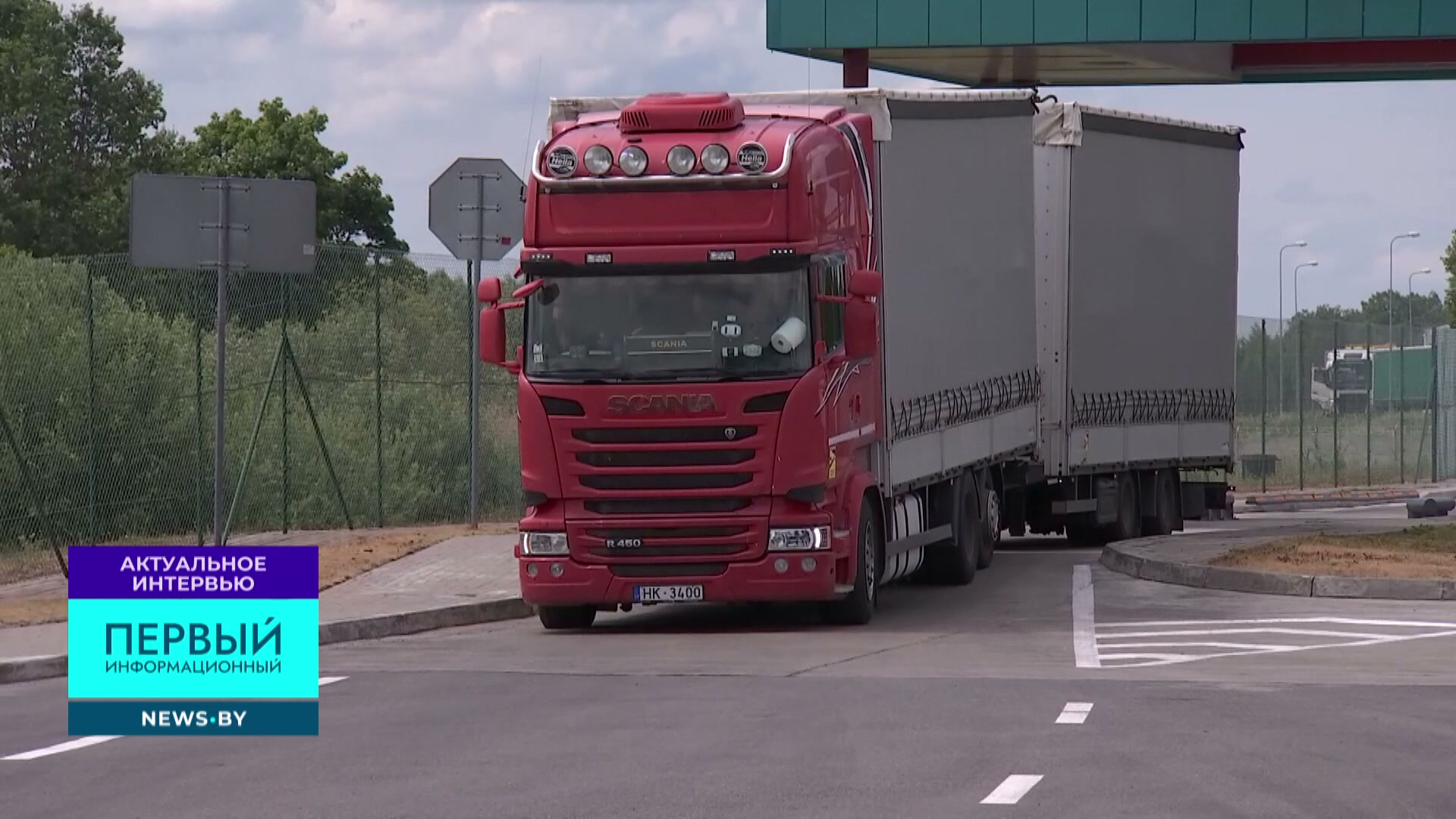
Without exaggeration, the launch of navigation seals throughout the EAEU on February 11, 2026, will be a historic event. This tool is considered the cornerstone of digitalization of customs control.
"A seal is like a control body, meaning it provides control over the security of the cargo compartment, movement, emergency situations, failures to open, stops, deviations from the route, and so on," explained Ruslan Davydov.
According to him, a seal is much more than just protection against tampering. It can be loaded with data on the shipment and the carrier for the risk management system, and contactless data reading paves the way for the complete automation of checkpoints.
"This offers transport authorities significant opportunities to optimize operations, reduce control measures, and expedite checkpoint clearance. This is a very promising tool," the minister emphasized.
news.byhttps://s3-minsk.becloud.by/media-assets/news-by/373625f8-cc1c-4824-ac72-3a6d9b99c279/conversions/83c2110a-4e9f-4b3a-93c3-251436f73a09-sm-___webp_480.webp 480w, https://s3-minsk.becloud.by/media-assets/news-by/373625f8-cc1c-4824-ac72-3a6d9b99c279/conversions/83c2110a-4e9f-4b3a-93c3-251436f73a09-md-___webp_768.webp 768w, https://s3-minsk.becloud.by/media-assets/news-by/373625f8-cc1c-4824-ac72-3a6d9b99c279/conversions/83c2110a-4e9f-4b3a-93c3-251436f73a09-lg-___webp_1280.webp 1280w, https://s3-minsk.becloud.by/media-assets/news-by/373625f8-cc1c-4824-ac72-3a6d9b99c279/conversions/83c2110a-4e9f-4b3a-93c3-251436f73a09-xl-___webp_1920.webp 1920w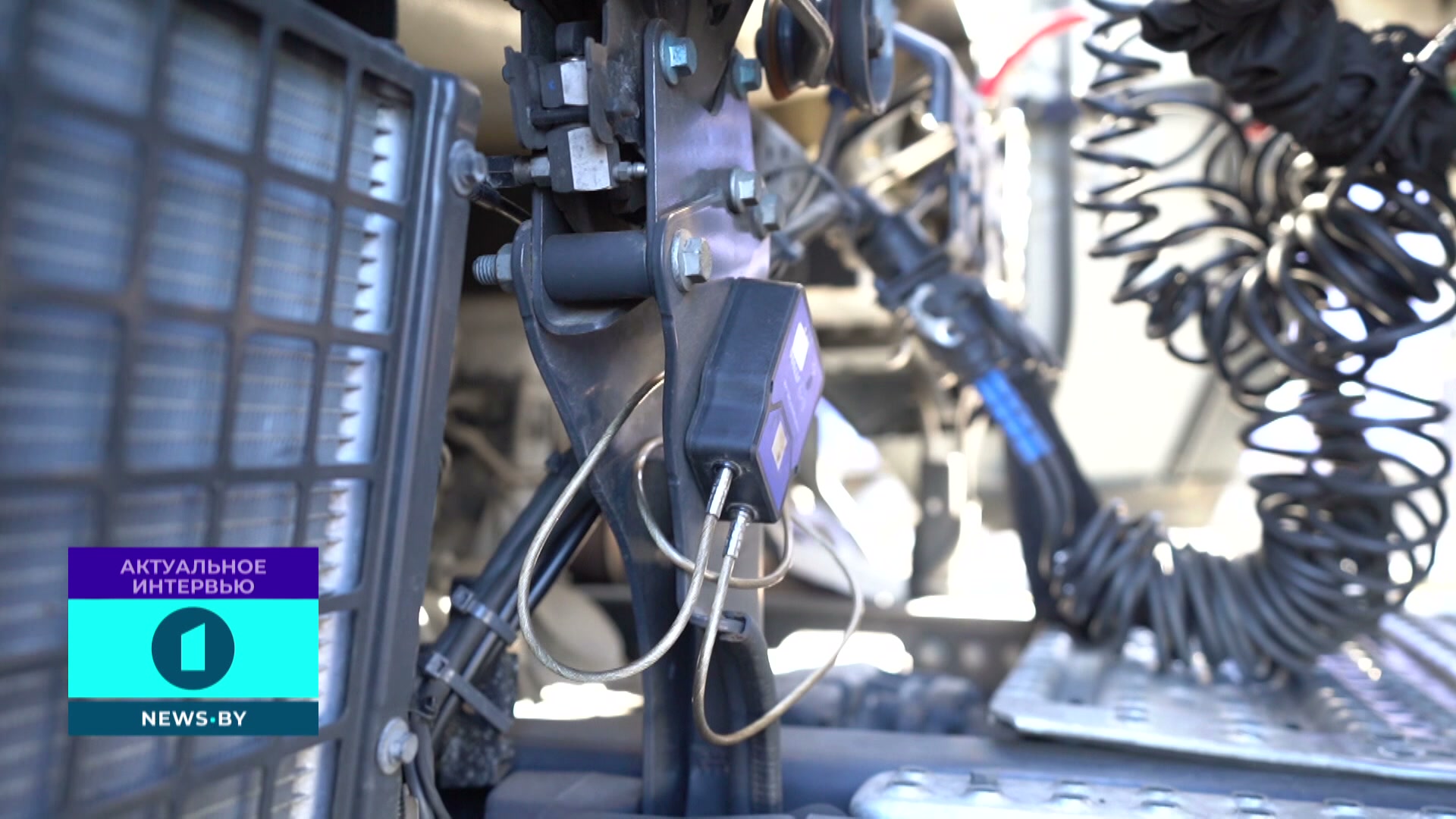
He also noted that the pilot project between Russia and Belarus has already demonstrated excellent results – approximately 80,000 shipments, with a monthly increase of 8,000. While Chinese seals currently dominate the market, a decision to use seals produced within the EAEU is expected to come into effect as early as 2026, stimulating the development of digital manufacturing in the Union.
Another important outcome of the year was the work to protect the EAEU's internal market from substandard and counterfeit products. Ruslan Davydov cited shocking figures announced at the anti-counterfeiting forum in Minsk.
"It was said that almost 100% of children's diapers are imported as counterfeit... 37% of children's toys are counterfeit. And we understand this: children put things in their mouths, like phenol and other things that are unacceptable. School uniforms: up to 50% of the fabric used is counterfeit. Children sit in class all day in these uniforms," the minister noted with concern.
He emphasized that the risk management and standardization of controls being developed is precisely aimed at addressing these issues, as counterfeiting is often accompanied by violations of customs value and underpayments.
news.byhttps://s3-minsk.becloud.by/media-assets/news-by/adfd0355-4d08-4f15-8d8e-10588b23d731/conversions/3877cbaa-ece9-43c8-9ec9-1a7cc9b1430f-sm-___webp_480.webp 480w, https://s3-minsk.becloud.by/media-assets/news-by/adfd0355-4d08-4f15-8d8e-10588b23d731/conversions/3877cbaa-ece9-43c8-9ec9-1a7cc9b1430f-md-___webp_768.webp 768w, https://s3-minsk.becloud.by/media-assets/news-by/adfd0355-4d08-4f15-8d8e-10588b23d731/conversions/3877cbaa-ece9-43c8-9ec9-1a7cc9b1430f-lg-___webp_1280.webp 1280w, https://s3-minsk.becloud.by/media-assets/news-by/adfd0355-4d08-4f15-8d8e-10588b23d731/conversions/3877cbaa-ece9-43c8-9ec9-1a7cc9b1430f-xl-___webp_1920.webp 1920w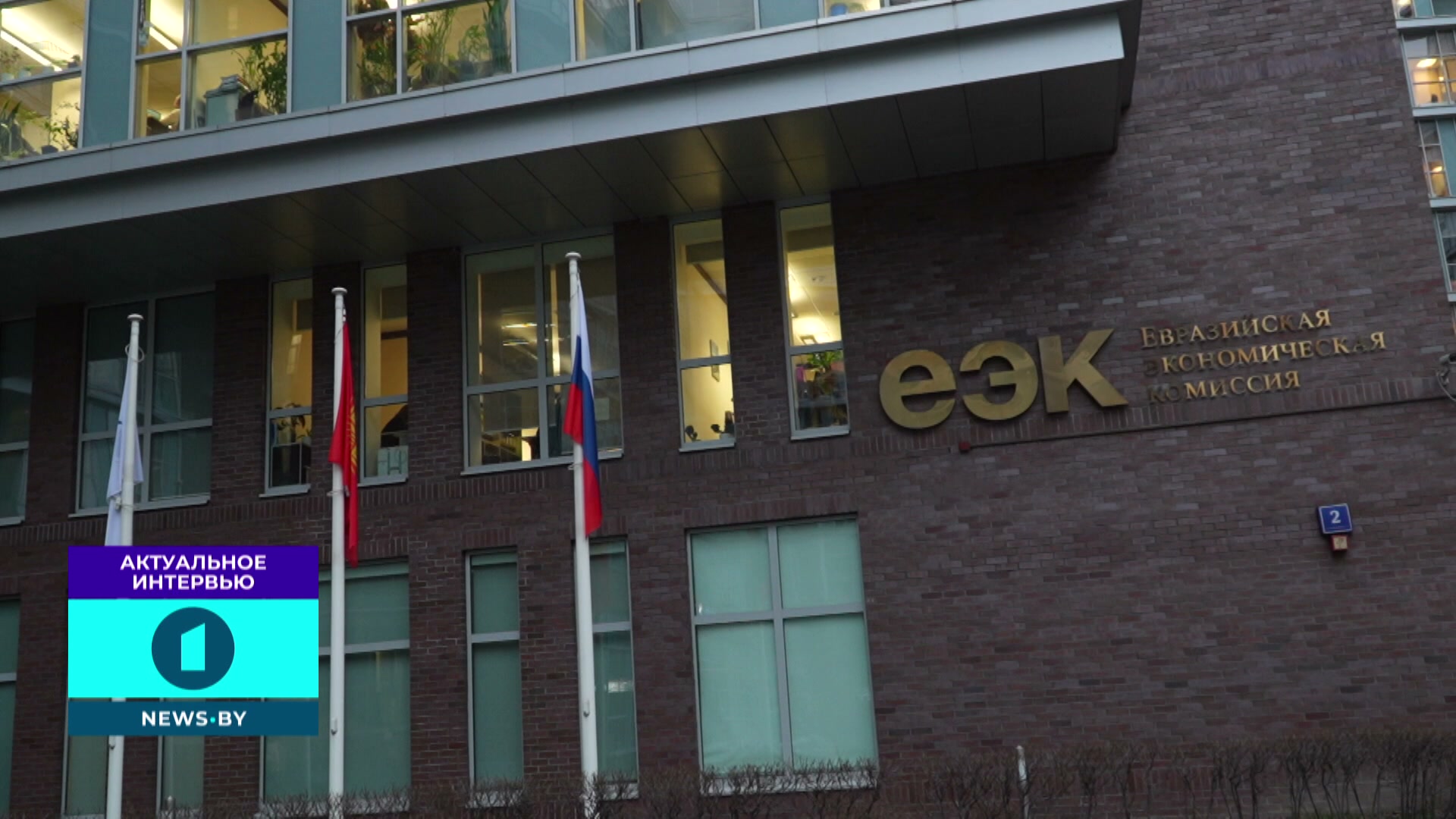
Answering a question about the impact of digitalization on economic development, Ruslan Davydov cited compelling macroeconomic data that speak for themselves: "From 2020 to 2024, the EAEU's foreign trade grew by 22%, and mutual trade by 81%. These are very significant results."
According to the minister, the digitalization of the customs sphere has become one of the key factors that has enabled the Union's economy not only to survive but also to grow, despite unprecedented external pressure.
"I would still like to believe that digitalization in the customs sphere, the leveling of economic conditions, and the work carried out by customs services are one of the key factors that allows us in the Eurasian Union, despite the enormous, historically exorbitant sanctions and border closures, to still grow economically," Ruslan Davydov concluded.
He explained that accelerating and simplifying customs procedures directly impacts the speed of cargo delivery and reduces business costs, which ultimately creates a significant boost to economic growth across the Eurasian region.