







Belarus Feeds Itself and the World: What Is the Formula for Food Security?
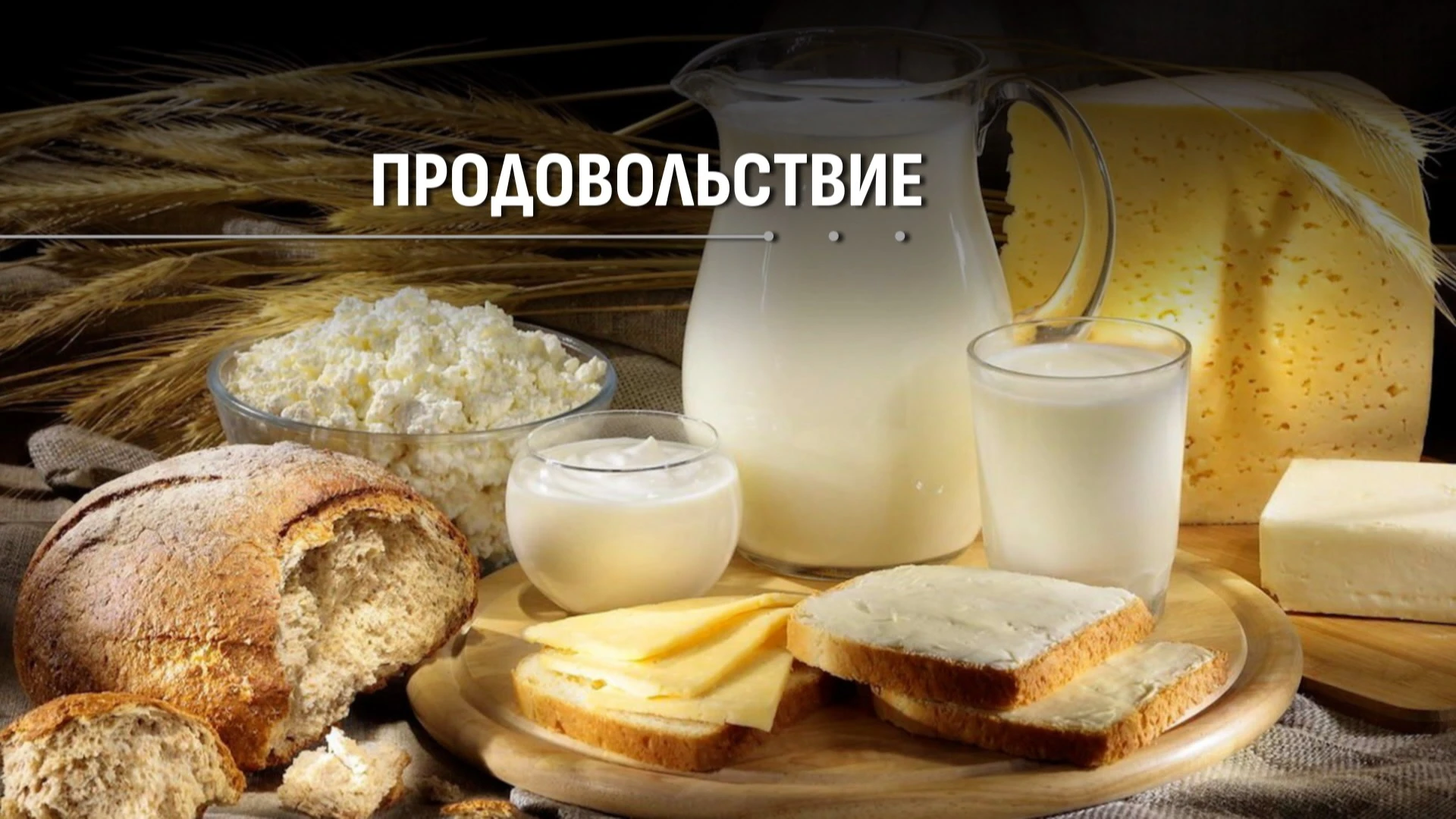
It seems so banal, and no one in Belarus is surprised by this any more: full store shelves, dozens of types of sausages and just as many baked goods, vegetables and fruits literally fresh from greenhouses, and cheeses for every taste and budget. For us, this isn't a novelty, but rather an everyday occurrence.
Food is what we buy every day. And if something doesn't arrive on time, there's immediate discontent: are the factories down, or is there something wrong with the country? True, stability can't be measured by milk alone, but the overall picture is quite clear. And it's by this that visitors often judge Belarus.
And so, it seems, progress has done its job. The time when there was a shortage of bread is long gone, and what we have now is a natural evolutionary process. But we hasten to disappoint those who are too convinced of this concept.
Global statistics are not so positive.
Global statistics show this: in 2025, 266 million people in 47 countries faced acute food shortages. Nearly one and a half million people lived in catastrophic conditions. This is when there is simply nothing to eat. Aid cuts, drought, and conflicts have led to the number of hungry people in the world doubling in ten years. West Africa is at greatest risk.
And here's the paradox: today, Europe is also talking about impending famine. The conflict in the Middle East has become an additional factor that has significantly undermined the EU and European farmers. Experts assure that this is only the beginning of protracted shortages.
Vasily Koltashov, Director of the Center for Political Economy Research at the Institute for the New Society (Russia):
"In Russia and Belarus, the understanding of food security is very different from that of the European Union. For us, it's primarily about supporting our own producers and providing our own products to our consumers; in the EU, it's a policy of primarily providing colonial products, such as food from Ukraine, even if it's livestock feed. It doesn't matter. That's also safe. The second is an agreement with Latin American countries: to increase the flow of food from Latin America while ruining the European farmer. No one is feeling sorry for the European farmer because there's a plan to redistribute land. Once European farmers go bankrupt, land in Europe can be redistributed in favor of American, British, and generally big capital."
And here we come to Belarus's pragmatism and foresight. While European farmers suffer from fuel and fertilizer shortages due to external factors, and therefore lose productivity, Belarus is fully self-sufficient in food.
Our agro-industrial complex accounts for approximately 7% of GDP.
The country has a high level of self-sufficiency in basic consumer goods. We produce meat, milk, and eggs in quantities significantly exceeding the domestic market. Our milk production is sufficient for three Belarussians.
Food self-sufficiency:
meat - 140%;
milk - 300%;
eggs - 130%;
potatoes and vegetables - approximately 100%.
Export Potential
Our export potential is particularly valuable in light of global trends. The share of food products in Belarus's total exports exceeds 25%. According to the Food and Agriculture Organization of the United Nations, our country is currently among the top three global producers and suppliers of flax fiber, ranks fourth in rye and triticale production, and is among the top 20 producers of sugar beets, rapeseed, oats, and potatoes. This trend is sustainable. Belarus has maintained a positive balance of agricultural trade since 2009. Over the past 28 years, exports of agricultural raw materials and foodstuffs have increased more than 24-fold.
According to global trade data, Belarus consistently ranks among the leaders in key areas. We are a recognized global exporter of dairy products.
Belarus is among the top 5 global food exporters:
3rd place – condensed milk;
4th place – cheese and cottage cheese;
5th place – butter.
Belarus's Pragmatism and Foresight
These results did not come in a year or a five-year period. They represent systematic and well-planned steps taken over decades of sovereign policy. Time has shown how successful the focus on rural revival and development and increasing domestic food production has been.
Today, "Made in Belarus" is in high demand, where consistent quality is becoming the main marketing driver.