3.86 BYN
2.77 BYN
3.23 BYN



Military Base 10 kilometers from Belarus: How Lithuania Takes Away Its Citizens' Homes for NATO
Text by:Katerina Shibko
news.byhttps://s3-minsk.becloud.by/media-assets/news-by/a6cc321e-f2d9-474c-9059-7f0af256d023/conversions/fb2a0b0e-075e-4b39-a058-281b1753462b-sm-___webp_480.webp 480w, https://s3-minsk.becloud.by/media-assets/news-by/a6cc321e-f2d9-474c-9059-7f0af256d023/conversions/fb2a0b0e-075e-4b39-a058-281b1753462b-md-___webp_768.webp 768w, https://s3-minsk.becloud.by/media-assets/news-by/a6cc321e-f2d9-474c-9059-7f0af256d023/conversions/fb2a0b0e-075e-4b39-a058-281b1753462b-lg-___webp_1280.webp 1280w, https://s3-minsk.becloud.by/media-assets/news-by/a6cc321e-f2d9-474c-9059-7f0af256d023/conversions/fb2a0b0e-075e-4b39-a058-281b1753462b-xl-___webp_1920.webp 1920w
ithuania's plans to build a large military training ground near the Belarusian border represent a paradigm shift in cross-border cooperation, which will prove tragic for local residents who are losing their homes, media expert Dmitry Shvaiba said on the program "Spotlight Interview."
The focus was on the town of Kapčiamiestis and its surrounding area—the area where Lithuanian authorities plan to deploy a brigade-sized military facility. It was noted that the authorities' decision raises concerns not only from a security standpoint but also from a humanitarian perspective: dozens of families whose "family nests" span generations could lose their homes.
news.byhttps://s3-minsk.becloud.by/media-assets/news-by/41221e53-2ab7-4b5c-9618-1bb8d705afcf/conversions/04fa2c70-94e6-4c14-bd4a-07cb48f393bc-sm-___webp_480.webp 480w, https://s3-minsk.becloud.by/media-assets/news-by/41221e53-2ab7-4b5c-9618-1bb8d705afcf/conversions/04fa2c70-94e6-4c14-bd4a-07cb48f393bc-md-___webp_768.webp 768w, https://s3-minsk.becloud.by/media-assets/news-by/41221e53-2ab7-4b5c-9618-1bb8d705afcf/conversions/04fa2c70-94e6-4c14-bd4a-07cb48f393bc-lg-___webp_1280.webp 1280w, https://s3-minsk.becloud.by/media-assets/news-by/41221e53-2ab7-4b5c-9618-1bb8d705afcf/conversions/04fa2c70-94e6-4c14-bd4a-07cb48f393bc-xl-___webp_1920.webp 1920w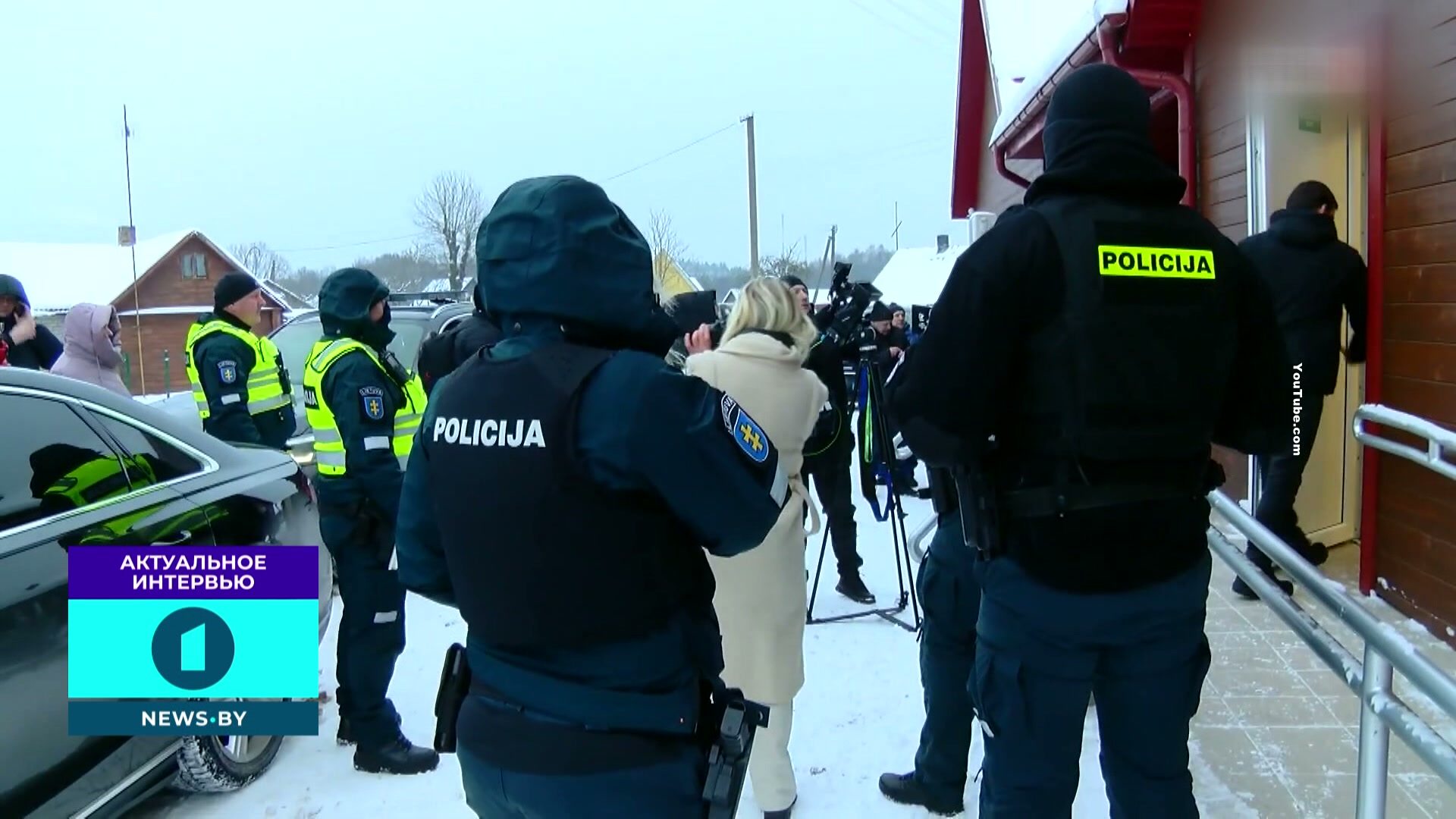
Dmitry Shvaiba drew attention to the tragedy of the situation: local residents, devout patriots of their country and bearers of a centuries-old culture, have found themselves displaced by the military decisions of their state. Moreover, any attempts at protest, including rallies and appeals to President Nausėda, will likely be suppressed through administrative and economic means.
The expert emphasized that real estate prices in the region are plummeting, and even households not directly located in the construction zone are losing value. Commenting on the resolute statements of Lithuanians online promising not to leave their homes, the media expert noted that this is a genuine popular protest, but the state has already made its choice.
news.byhttps://s3-minsk.becloud.by/media-assets/news-by/dfe09f57-84c6-4571-8611-3da7e69e569d/conversions/798c5941-00b6-4e04-bba6-a61cfba9e37a-sm-___webp_480.webp 480w, https://s3-minsk.becloud.by/media-assets/news-by/dfe09f57-84c6-4571-8611-3da7e69e569d/conversions/798c5941-00b6-4e04-bba6-a61cfba9e37a-md-___webp_768.webp 768w, https://s3-minsk.becloud.by/media-assets/news-by/dfe09f57-84c6-4571-8611-3da7e69e569d/conversions/798c5941-00b6-4e04-bba6-a61cfba9e37a-lg-___webp_1280.webp 1280w, https://s3-minsk.becloud.by/media-assets/news-by/dfe09f57-84c6-4571-8611-3da7e69e569d/conversions/798c5941-00b6-4e04-bba6-a61cfba9e37a-xl-___webp_1920.webp 1920w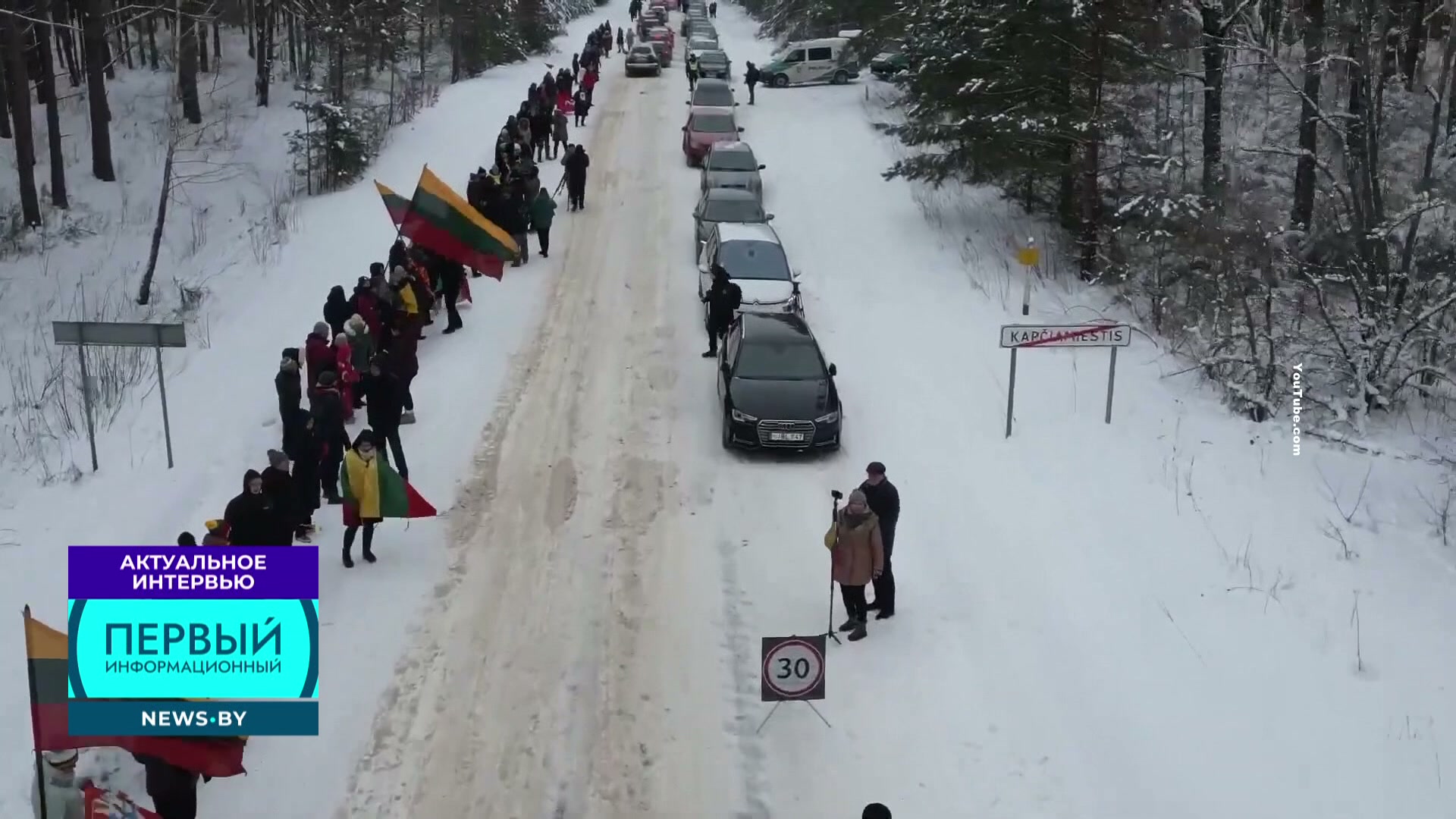
Fact
According to the information being discussed, the military facility will be located just 10 km from the Belarusian border. It is designed to accommodate up to 4,000 military personnel.
Although it was initially announced that Lithuanian and then Polish troops would be stationed at the training ground, given these countries' integration into NATO structures, in practice it will be a "complete hodgepodge" of representatives from all alliance countries with the appropriate technical capabilities.
The media expert noted the contradictory nature of the situation: on the one hand, the region is being "depopulated," while on the other, a powerful military and logistical infrastructure is being created there. The size of the planned training ground is comparable to the city of Kaunas, making it extremely costly.
"The details of who will finance this project are not disclosed. It's being presented as an exclusively Lithuanian solution, but there are suspicions that this isn't entirely true. There are some secret mechanisms in place to ensure such capabilities," Dmitry Shvaiba said.
The first exercises are planned for 2028, with full construction completion scheduled for 2030. At least five major exercises will be held at the training ground annually.
"Local population clearly understands that their region is being militarized," the media expert noted. "The Suwalki Corridor is of strategic importance in the event of a conflict with the Russian Federation, and they themselves have devised and are implementing this strategy."
news.byhttps://s3-minsk.becloud.by/media-assets/news-by/e6154257-e9bb-4c0e-a444-7c6b00a7475a/conversions/a30f8d00-e011-496f-8d04-77057ed8ca62-sm-___webp_480.webp 480w, https://s3-minsk.becloud.by/media-assets/news-by/e6154257-e9bb-4c0e-a444-7c6b00a7475a/conversions/a30f8d00-e011-496f-8d04-77057ed8ca62-md-___webp_768.webp 768w, https://s3-minsk.becloud.by/media-assets/news-by/e6154257-e9bb-4c0e-a444-7c6b00a7475a/conversions/a30f8d00-e011-496f-8d04-77057ed8ca62-lg-___webp_1280.webp 1280w, https://s3-minsk.becloud.by/media-assets/news-by/e6154257-e9bb-4c0e-a444-7c6b00a7475a/conversions/a30f8d00-e011-496f-8d04-77057ed8ca62-xl-___webp_1920.webp 1920w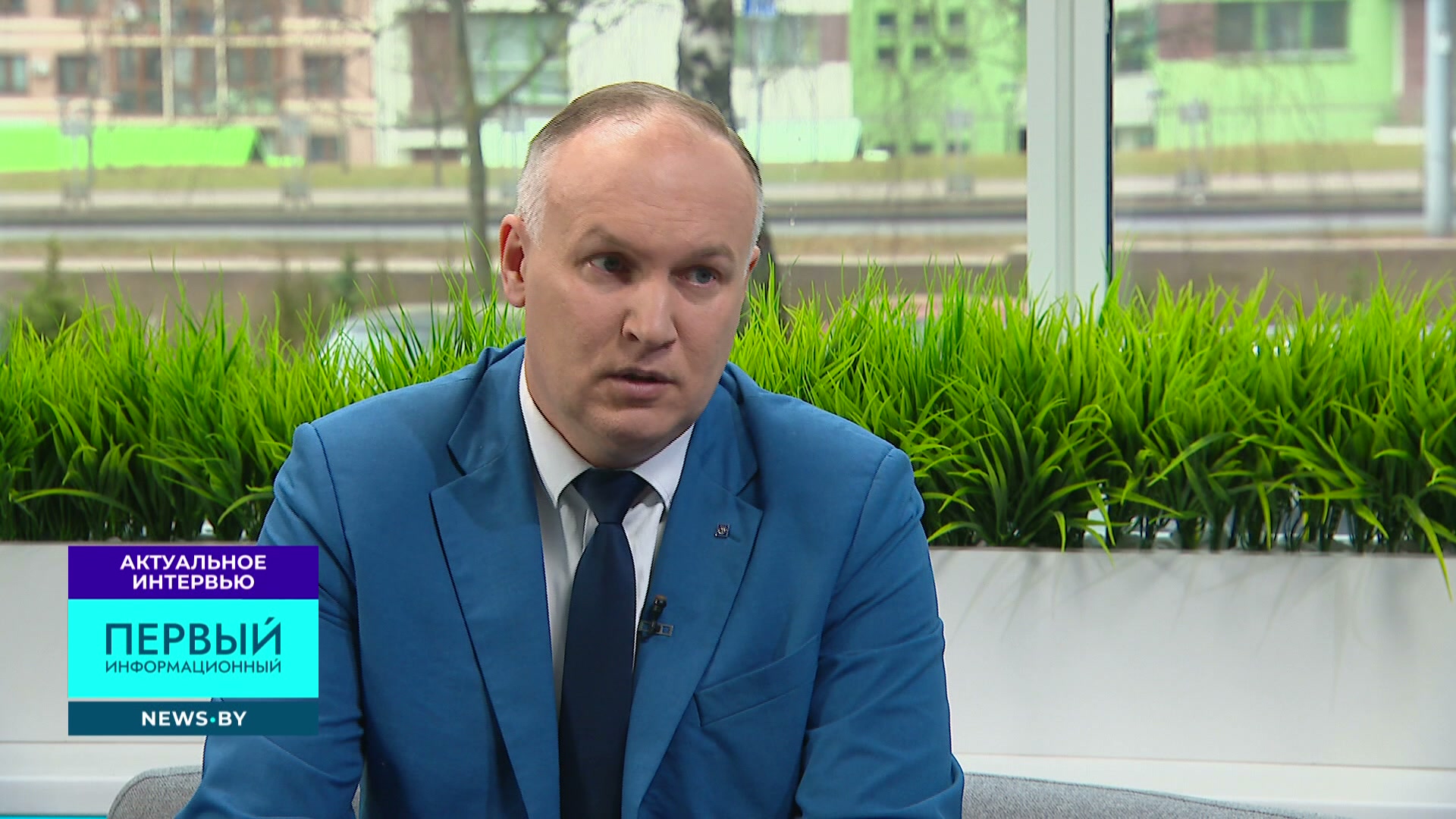
Answering a question about how to respond to the militarization of the border region, Dmitry Shvaiba emphasized that Belarus has for many years demonstrated a masterclass in reacting to the behavior of its neighbors.
"This, first and foremost, means calm, because we are confident that all relevant services and structures of Belarus and our closest allies are prepared for any situation our opponents might mount," he stated.
The expert noted the importance of ongoing support not only for military structures, but also for local self-government systems, information and notification, and dialogue with local communities.
Regarding possible changes after the upcoming elections in Lithuania, Dmitry Shvaiba was succinct: "The answer is NO. Because nothing changes. There are trends, and replacing people, characters, and talking heads on TV doesn't change those trends at all. Decisions have been made, locations and concepts have been defined, and the caravan moves on."
According to him, the role of political elites today is limited to legitimizing decisions already made, which differs significantly from the democratic principles that were previously actively promoted.