3.86 BYN
2.77 BYN
3.23 BYN



New oil pipelines may be built in the Middle East
Text by:Editorial office news.by
news.byhttps://s3-minsk.becloud.by/media-assets/news-by/fdf53183-03ec-4ae4-80a2-b8b63d11509b/conversions/8deabfb4-5fbe-49c1-ad7c-79b51161594f-sm-___webp_480.webp 480w, https://s3-minsk.becloud.by/media-assets/news-by/fdf53183-03ec-4ae4-80a2-b8b63d11509b/conversions/8deabfb4-5fbe-49c1-ad7c-79b51161594f-md-___webp_768.webp 768w, https://s3-minsk.becloud.by/media-assets/news-by/fdf53183-03ec-4ae4-80a2-b8b63d11509b/conversions/8deabfb4-5fbe-49c1-ad7c-79b51161594f-lg-___webp_1280.webp 1280w, https://s3-minsk.becloud.by/media-assets/news-by/fdf53183-03ec-4ae4-80a2-b8b63d11509b/conversions/8deabfb4-5fbe-49c1-ad7c-79b51161594f-xl-___webp_1920.webp 1920w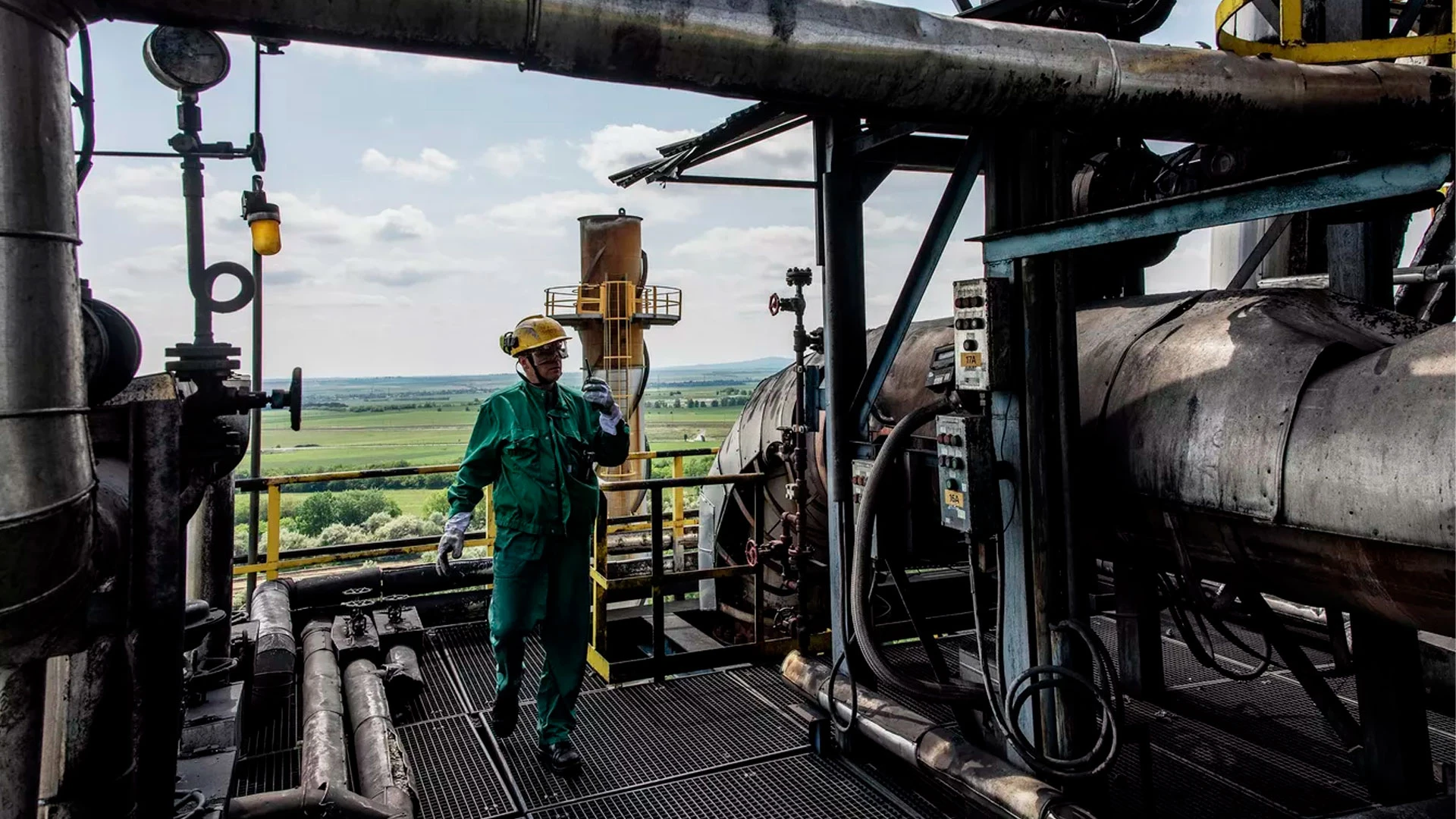
The Persian Gulf countries are considering building oil pipelines bypassing the Strait of Hormuz, the Financial Times reports, citing sources.
Such projects were previously abandoned due to their high cost and complexity. But the current crisis has increased interest in alternative routes, such as the Saudi Arabian East-West Pipeline. It currently pumps 7 million barrels of oil per day to the Red Sea port of Yanbu, completely bypassing Hormuz.
At the same time, the UK is convening representatives from 35 countries to discuss measures to unblock the strategic sea route. The U.S. will not participate in the project. Trump has explicitly stated that his country does not need the strait.