3.87 BYN
2.76 BYN
3.20 BYN



Poland’s Black Week: Healthcare Sacrificed on the Altar of Geopolitics
Text by:Editorial office news.by
Poland’s Black Week: Healthcare Sacrificed on the Altar of Geopoliticsnews.byhttps://s3-minsk.becloud.by/media-assets/news-by/122a7b05-5e46-4146-9342-4b568cd23278/conversions/7732e380-3a11-4ec7-b463-8dbb026ecd62-sm-___webp_480.webp 480w, https://s3-minsk.becloud.by/media-assets/news-by/122a7b05-5e46-4146-9342-4b568cd23278/conversions/7732e380-3a11-4ec7-b463-8dbb026ecd62-md-___webp_768.webp 768w, https://s3-minsk.becloud.by/media-assets/news-by/122a7b05-5e46-4146-9342-4b568cd23278/conversions/7732e380-3a11-4ec7-b463-8dbb026ecd62-lg-___webp_1280.webp 1280w, https://s3-minsk.becloud.by/media-assets/news-by/122a7b05-5e46-4146-9342-4b568cd23278/conversions/7732e380-3a11-4ec7-b463-8dbb026ecd62-xl-___webp_1920.webp 1920w
The contagion of putting “guns before butter” has spread with alarming speed among Europe’s eastern flank. While Washington tallies the slipping approval ratings of President Donald Trump, Warsaw is reaping the bitter harvest of its militaristic binge: billions poured into tanks and fighter jets while the money needed to save Polish lives has simply run dry.
Fact
Polish medicine has entered its terminal phase. “Black Week” has laid bare the system’s financial implosion. As Prime Minister Donald Tusk’s government reallocates billions to new tanks and aircraft, oncology wards and maternity departments in provincial hospitals are quietly closing their doors.
The budgetary chasm in healthcare has reached critical depths. Patients now face waits of many years for operations. In today’s Poland, has timely medical care become a privilege rather than a right? “Condition: critically stable. Pulse: barely palpable. Diagnosis: systemic failure.” These words could describe a patient hovering at death’s door — yet today they apply to Poland’s healthcare system itself, now lying on its own sickbed. The very doctors who have spent their careers fighting for others’ lives are now battling to save their hospitals.
Polish medical facilities have acknowledged they have passed the “struggle for survival.” From Monday, the pristine white of hope and sterility gave way to the black of mourning. The country launched “Black Week” — not a memorial for lost patients, but for a system kept alive for decades on a budgetary ventilator. The oxygen has finally run out.
According to the Association of Polish Poviats (districts), the scale of the financial, organisational and staffing crises demands urgent action at the highest levels of government. Local authorities stress they cannot cope alone with the consequences of systemic decisions taken far above their heads — decisions that directly threaten patient safety and access to care.
news.byhttps://s3-minsk.becloud.by/media-assets/news-by/cdea43b4-a683-4314-90e0-9bcf53acf25d/conversions/fd31d4ed-9760-480b-9ee9-f6c2efc214a3-sm-___webp_480.webp 480w, https://s3-minsk.becloud.by/media-assets/news-by/cdea43b4-a683-4314-90e0-9bcf53acf25d/conversions/fd31d4ed-9760-480b-9ee9-f6c2efc214a3-md-___webp_768.webp 768w, https://s3-minsk.becloud.by/media-assets/news-by/cdea43b4-a683-4314-90e0-9bcf53acf25d/conversions/fd31d4ed-9760-480b-9ee9-f6c2efc214a3-lg-___webp_1280.webp 1280w, https://s3-minsk.becloud.by/media-assets/news-by/cdea43b4-a683-4314-90e0-9bcf53acf25d/conversions/fd31d4ed-9760-480b-9ee9-f6c2efc214a3-xl-___webp_1920.webp 1920w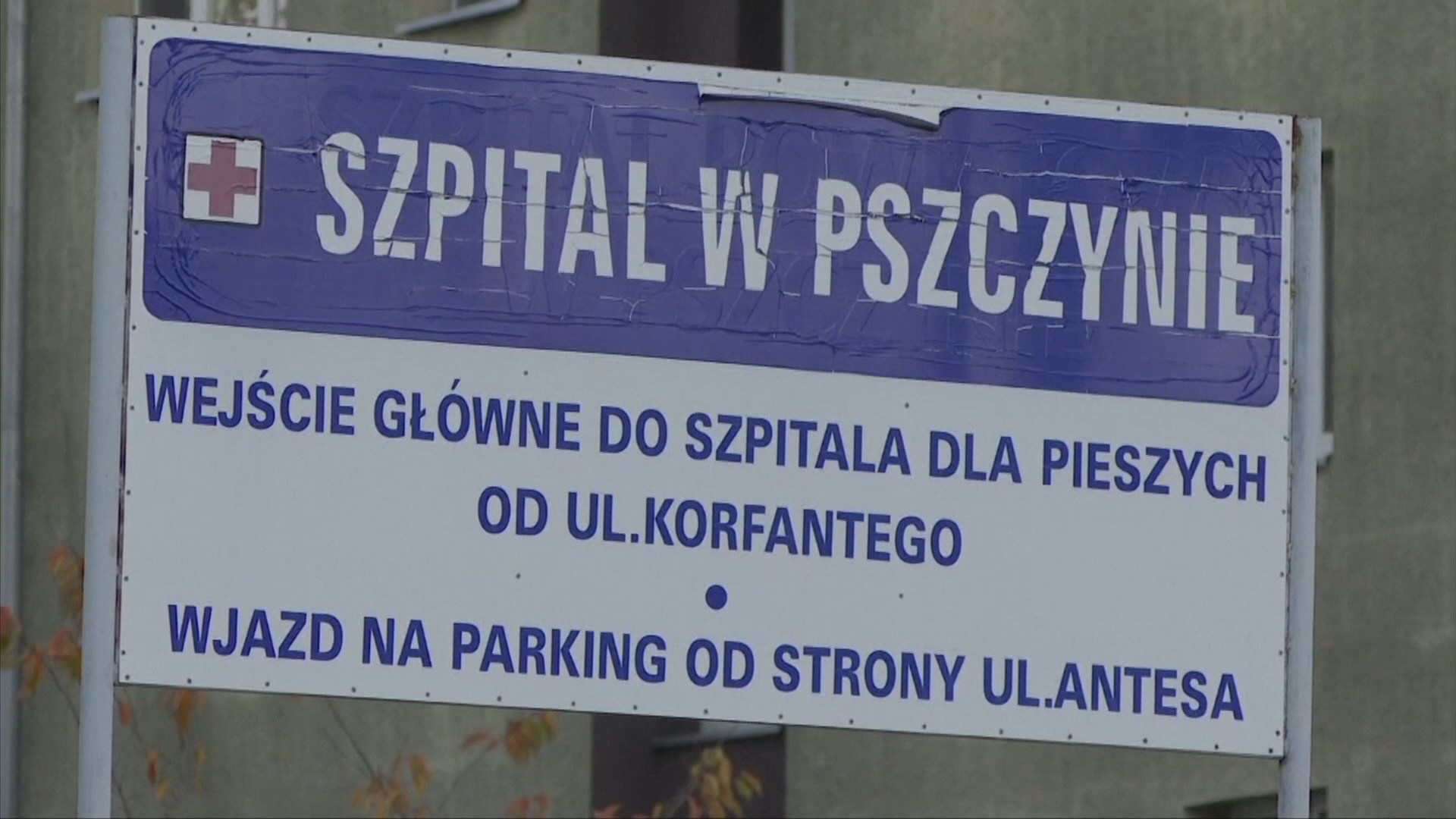
“It was a long and difficult week of protests in district hospitals,” observed one Polish resident. “The breakdown of the healthcare system is massive and obvious to anyone with eyes. The shortfall in the National Health Fund’s budget is terrifying, and the government shows no intention of doing anything except further cuts and restricting Poles’ access to effective treatment.”
While the Tusk administration proudly announces fresh deliveries of tanks and planes, Polish healthcare is sinking deeper into collapse. This reckless militarisation of the national budget has diverted money that could have saved lives into cold steel.
More than 85 percent of Poles believe the current system requires fundamental reform. Waiting times for specialists stretch into many months, turning even a simple consultation into an exhausting ordeal. Patients and experts repeatedly cite the same chronic problems: inefficient management, endless queues, out-of-pocket payments, and chronic underfunding.
Henryk Niewiadomski, Polish public activist, states: “I evaluate the policy of financing healthcare extremely negatively — it is completely inadequate. There is simply no logic to it. The authorities ignore the importance of preventive care. When the first symptoms appear, the patient needs enough time and attention to solve the problem at that stage. Instead we have enormous queues to specialists and even family doctors. As a result, treatment costs far more because the patient is already seriously ill or ends up in intensive care.”
Analysts forecast that the deficit for reimbursing services provided under compulsory health insurance will exceed €6 billion. Doctors are leaving, wards are shrinking, departments are being cut to the bone, and equipment has not been modernised for decades.
Aleksander Jacek, political analyst and representative of the “Poland – East” society, explains: “Poland spends 90 billion zlotys a year simply on servicing its debts — nearly 15 percent of our revenue. This inevitably affects other sectors. We have serious problems financing healthcare and, of course, public services.”
news.byhttps://s3-minsk.becloud.by/media-assets/news-by/b6811a93-d24a-4f89-95fa-aae8ee94d21c/conversions/113cd753-defd-417f-a40c-8d22cbf7b259-sm-___webp_480.webp 480w, https://s3-minsk.becloud.by/media-assets/news-by/b6811a93-d24a-4f89-95fa-aae8ee94d21c/conversions/113cd753-defd-417f-a40c-8d22cbf7b259-md-___webp_768.webp 768w, https://s3-minsk.becloud.by/media-assets/news-by/b6811a93-d24a-4f89-95fa-aae8ee94d21c/conversions/113cd753-defd-417f-a40c-8d22cbf7b259-lg-___webp_1280.webp 1280w, https://s3-minsk.becloud.by/media-assets/news-by/b6811a93-d24a-4f89-95fa-aae8ee94d21c/conversions/113cd753-defd-417f-a40c-8d22cbf7b259-xl-___webp_1920.webp 1920w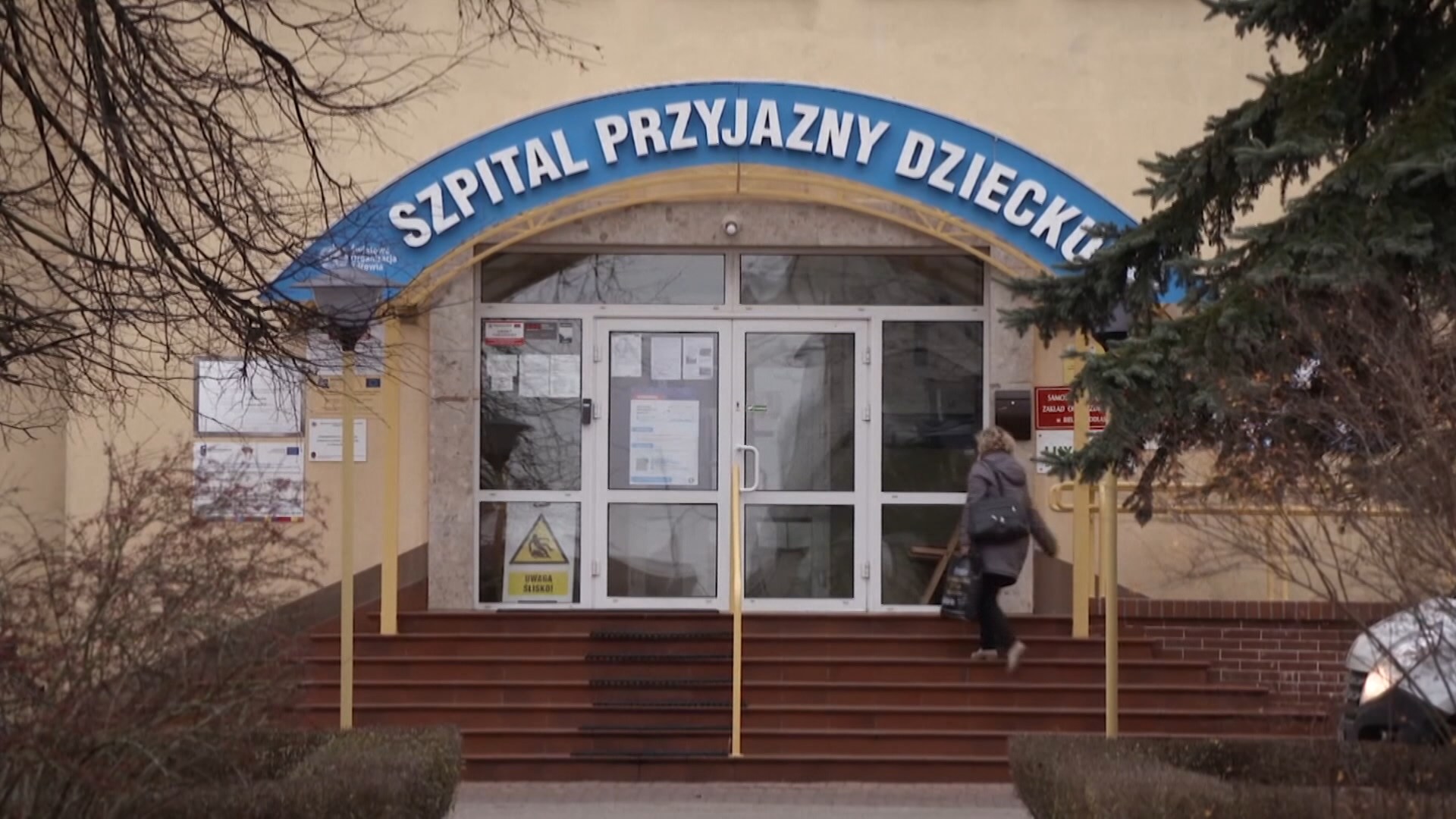
The president of the National Association of Employers of District Hospitals warns: “The scale of the healthcare system’s collapse in Poland is unimaginable. Debts of district hospitals have already reached nearly 30 billion zlotys. Eighty percent of facilities lack current financial liquidity, and more than 40 hospitals are in such dire straits that they now stand on the brink of bankruptcy and inevitable closure.”
“Black Week” is a funeral rite for a healthcare system sacrificed to geopolitical ambitions. Unless the government looks past the black clothing to see the living people desperate for help, Polish hospitals risk becoming mere stage sets for post-apocalyptic dramas — where the only thing still provided free of charge will be sympathy. There is no light at the end of the tunnel; the electricity bills have grown too expensive.