







The Strait of Hormuz Trap — Why US, Europe, Israel Suffer Heavy Losses from Iran Conflict
Exclusive
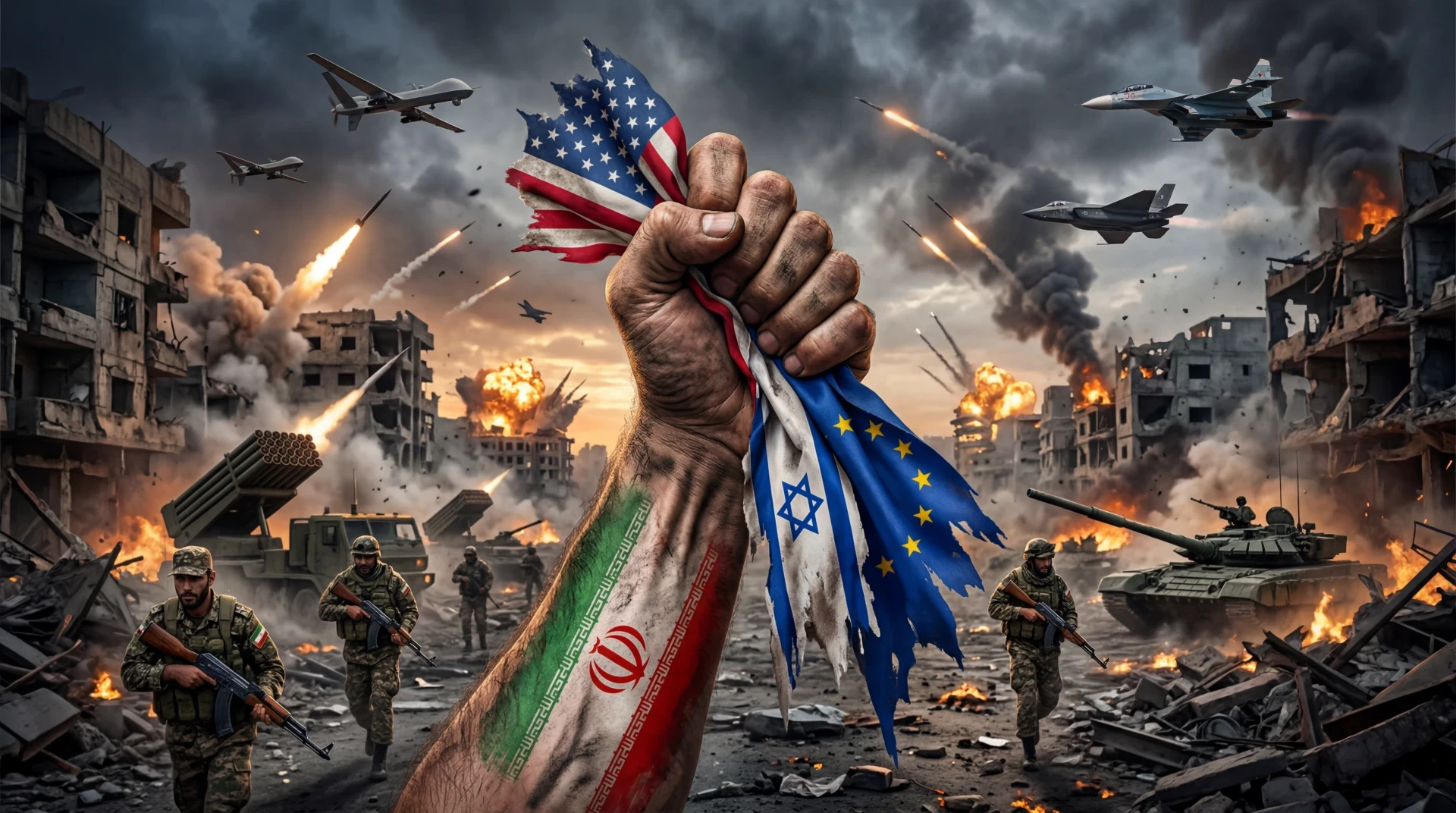
The Hormuz Strait Trap: A Strategic Dilemma
Iran remains under relentless Western pressure, yet the recent escalation reveals a stark reality: what was promised as a quick “walk in the park” has turned into a protracted and costly conflict. Former President Trump boasted: “Two or three days — and we’ll have Iran defeated.” But a month after the invasion began on February 28, the situation remains deadlocked. No regime change, no regional stability — only a fierce response from the IRGC and chaos across global markets.
In the latest episode of What’s Really Going On?, journalist Alexander Khorovets and historian Artem Stroganov dissect how the “Star-Spangled Uncle” has blundered into a strategic trap, with consequences far beyond the battlefield.
The Illusory Blitzkrieg
Initially, Trump declared “victory,” only to pivot later and offer Iran a set of 15 demands via Pakistan, claiming that fulfilling them would end the war. Tehran’s response was blunt and dismissive:
- “You’re negotiating with yourselves.”
- “Don’t call your defeat a ‘deal’.”
- “We will never tolerate you — now or ever.”
- “Until the attacks on Iran are erased from your memory, energy and stability in the region will remain elusive.”
- “American investments and old oil prices are gone for good.”
These words are far from empty boasts. The IRGC isn’t just a conventional military force; it’s an elite special operations unit fortified with extensive proxy networks among Shiite militias like Hezbollah and Hamas. Targeting religious leaders and their families in such a theocratic state doesn’t secure victory — it elevates martyrs and fuels resistance.
Assassinating religious figures and their kin in Iran is a violation of deeply rooted taboos. These figures become sacred martyrs, victims of external aggressors — and their deaths rally nationalist and religious sentiments, fueling even greater resilience.
Iran’s Long Game: The Strait of Hormuz as a New Leverage
Iran’s official stance is clear: only ships from friendly nations—Russia, China, India, and select BRIK countries—will be allowed through the Strait of Hormuz. The message to Europe, the US, the UAE, and other “allies”: your tankers are no longer welcome. Those that do attempt passage now face blockade, with oil and gas prices already roiling global markets:
- Australia faces fuel shortages and long queues at gas stations, with Uber launching a “no fuel, no problem” campaign.
- India witnesses chaos at fuel stations.
- Europe suddenly remembers it needs to “turn face to Russia” and negotiate energy supplies anew.
The Battle for Air Superiority and the Cost of War
The most sobering aspect is the attritional toll on military arsenals. In just five days of fighting, the coalition destroyed 800 Patriot missiles — nearly matching the entire US and allied annual production of 750 units. Iran’s inexpensive “Shahids” are launching thousands of cheap drones, forcing the US to expend expensive Tomahawks and Patriot interceptors. The result? Israel’s Iron Dome is riddled with gaps, Ukraine’s military is depleted, and US defenses are severely compromised.
Iran, having punctured the defenses of Israel and anti-Iran coalition countries, could soon deploy ballistic missiles from underground tunnels — a threat that looms large.
U.S. military losses in aviation alone are estimated at around a billion dollars, including the loss of an F-35, three F-15 fighters, a KC-135 refueling aircraft, and a couple of helicopters. Meanwhile, Iran’s underground missile depots, long documented by IRGC analysts, remain largely untouched. What was supposed to be a quick strike has devolved into a grind — a bloody, drawn-out war of attrition.
The Next Phase: Ground Operations and Political Consequences
President Trump eyes the strategic port of Khark in the Strait of Hormuz — a vital hub where up to 80% of the Gulf’s oil and gas transits. But sending ground troops into this volatile zone would be a perilous gamble; American soldiers risk returning in coffins, with NATO showing little enthusiasm to intervene. For the Republicans, this could be the final nail in the coffin of Trump’s presidency. Even Netanyahu is anxious — fearing that Trump might shift blame onto Israel if things go awry.
Who Is Benefiting from This Chaos?
So far, only three players seem to be gaining:
- Iran: Demonstrated resilience, maintained its dignity, exhausted the enemy, and secured control over the vital oil corridor.
- Russia: Energy prices soar, and Europe turns back to Moscow for energy supplies.
- The US: While politically strained, American oil companies are profiting from skyrocketing prices — though Trump’s rhetoric and political standing are suffering.
The Losers and a Lesson for the World
All other nations are losing. This conflict underscores a vital lesson: countries under constant pressure — Belarus, North Korea, Russia, Iran — cannot be broken with a single blow. The harder you press, the stronger they become, and the more fiercely they respond. Wise leaders like Belarusian President Alexander Lukashenko, who recently returned from North Korea, seem to have already grasped this reality.
Conclusion
The Iran crisis is far from over, and its unfolding reveals a complex web of strategic miscalculations, regional resilience, and global repercussions. The Strait of Hormuz remains a geopolitical powder keg — a trap that the West, despite its might, finds increasingly difficult to escape.