3.77 BYN
2.82 BYN
3.21 BYN



Market of the Future: Africa among World's Top 10 Fastest-Growing Economies
Text by:Editorial office news.by
news.byhttps://s3-minsk.becloud.by/media-assets/news-by/2a99bfc1-0e22-45af-bbda-056bb0ed6f33/conversions/9b39aef7-309d-402b-9229-f2b1453d69d4-sm-___webp_480.webp 480w, https://s3-minsk.becloud.by/media-assets/news-by/2a99bfc1-0e22-45af-bbda-056bb0ed6f33/conversions/9b39aef7-309d-402b-9229-f2b1453d69d4-md-___webp_768.webp 768w, https://s3-minsk.becloud.by/media-assets/news-by/2a99bfc1-0e22-45af-bbda-056bb0ed6f33/conversions/9b39aef7-309d-402b-9229-f2b1453d69d4-lg-___webp_1280.webp 1280w, https://s3-minsk.becloud.by/media-assets/news-by/2a99bfc1-0e22-45af-bbda-056bb0ed6f33/conversions/9b39aef7-309d-402b-9229-f2b1453d69d4-xl-___webp_1920.webp 1920w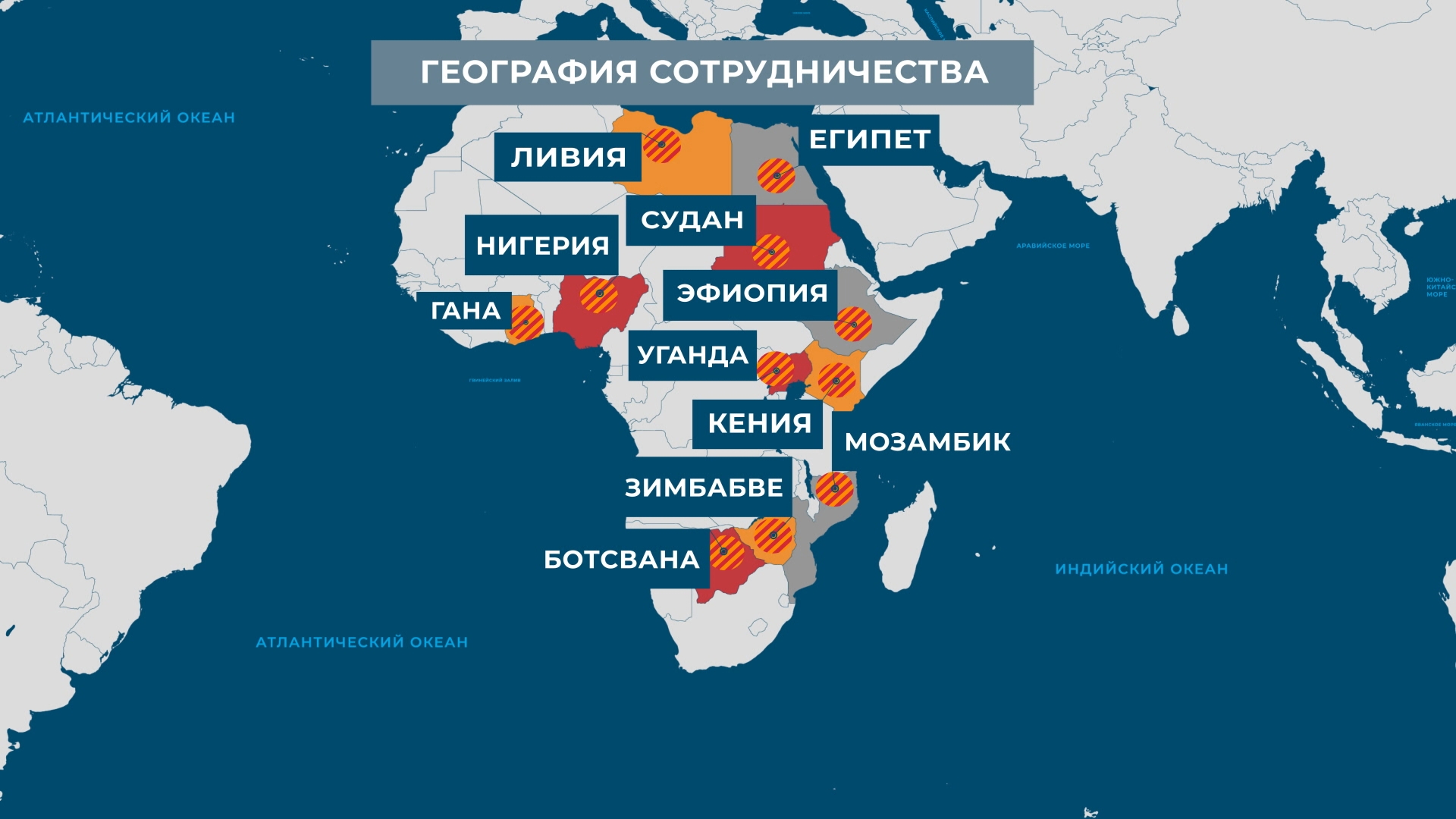
Belarus, like African countries, advocates for balanced and equal relations with its partners.
To understand why Africa is becoming a key focus of Belarus's multi-vector policy, it's important to consider the continent's value in the context of global economic development. Six of the ten fastest-growing economies are African. Therefore, experts agree: it is the market of the future. With a population of 1.3 billion, the continent's GDP growth rate currently exceeds the global average by more than 4%. However, its share in international trade is still too low: just over 2.5% of global exports and 3% of imports. Belarus, meanwhile, focuses its cooperation on equipment exports and joint projects in agriculture and infrastructure.
news.byhttps://s3-minsk.becloud.by/media-assets/news-by/50b1a79c-02c3-439d-bf7e-641ee4fa65f9/conversions/9aed872a-9beb-46c6-8267-67b8fb936d72-sm-___webp_480.webp 480w, https://s3-minsk.becloud.by/media-assets/news-by/50b1a79c-02c3-439d-bf7e-641ee4fa65f9/conversions/9aed872a-9beb-46c6-8267-67b8fb936d72-md-___webp_768.webp 768w, https://s3-minsk.becloud.by/media-assets/news-by/50b1a79c-02c3-439d-bf7e-641ee4fa65f9/conversions/9aed872a-9beb-46c6-8267-67b8fb936d72-lg-___webp_1280.webp 1280w, https://s3-minsk.becloud.by/media-assets/news-by/50b1a79c-02c3-439d-bf7e-641ee4fa65f9/conversions/9aed872a-9beb-46c6-8267-67b8fb936d72-xl-___webp_1920.webp 1920w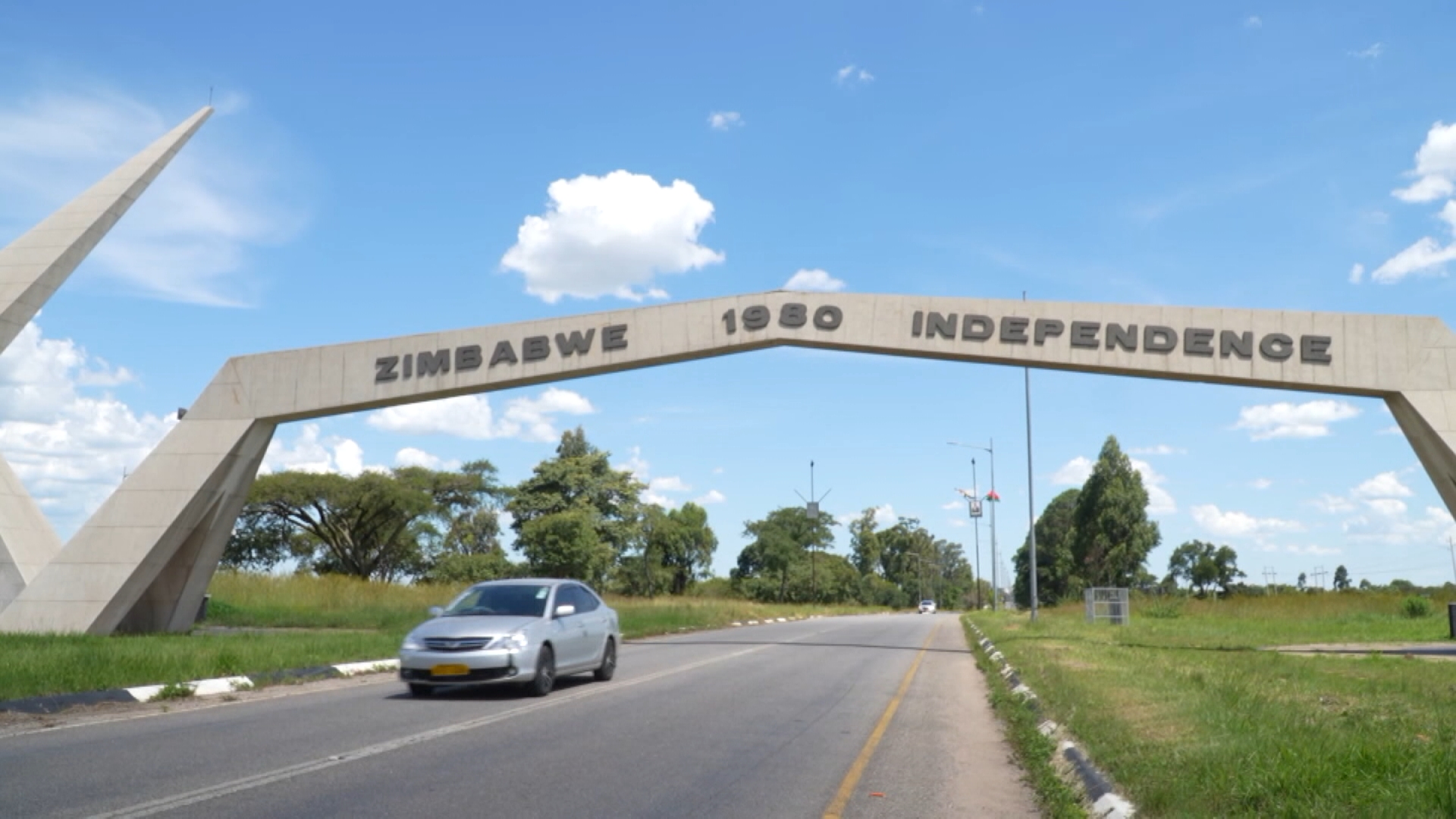
In particular, Belarus and Africa are successfully implementing joint agricultural mechanization programs, particularly with Zimbabwe and Nigeria. We have already delivered over 5,000 units of Belarusian agricultural and specialized equipment, and are also training personnel and establishing assembly facilities. Potential prospects include new markets and hubs on the continent. We are open to joint ventures, service centers, and investment. This is dictated by the action plan for developing cooperation with African states for 2024-2026.
Thus, today, before our very eyes, the African continent is becoming a reservoir for export diversification for the core sectors of our economy. This format of cooperation is already being called the Belarusian brand in Africa, generating significant interest from other countries on the continent, from Guinea-Bissau to Mozambique.
At the same time, Belarusian exports to Africa are still small – approximately 2% by the end of 2024. The challenge is to rectify this situation and accelerate the implementation of the roadmap for rapprochement.
And the preconditions for this are in place: while until 2019, cooperation focused on North Africa (Egypt, Libya, and Sudan), political capital has now been built with Zimbabwe, Nigeria, Ethiopia, and Kenya. Uganda, Ghana, and Mozambique have expressed interest in intensifying this cooperation.
In southeast Africa, our stronghold is Zimbabwe. Last year, trade turnover between Belarus and Zimbabwe exceeded $26 million. This is a quarter more than in the same period in 2024.
news.byhttps://s3-minsk.becloud.by/media-assets/news-by/e7ee3eae-a2bd-4185-b3dc-84df835a6180/conversions/882a0f26-89e3-46a0-8d48-92583608d3d1-sm-___webp_480.webp 480w, https://s3-minsk.becloud.by/media-assets/news-by/e7ee3eae-a2bd-4185-b3dc-84df835a6180/conversions/882a0f26-89e3-46a0-8d48-92583608d3d1-md-___webp_768.webp 768w, https://s3-minsk.becloud.by/media-assets/news-by/e7ee3eae-a2bd-4185-b3dc-84df835a6180/conversions/882a0f26-89e3-46a0-8d48-92583608d3d1-lg-___webp_1280.webp 1280w, https://s3-minsk.becloud.by/media-assets/news-by/e7ee3eae-a2bd-4185-b3dc-84df835a6180/conversions/882a0f26-89e3-46a0-8d48-92583608d3d1-xl-___webp_1920.webp 1920w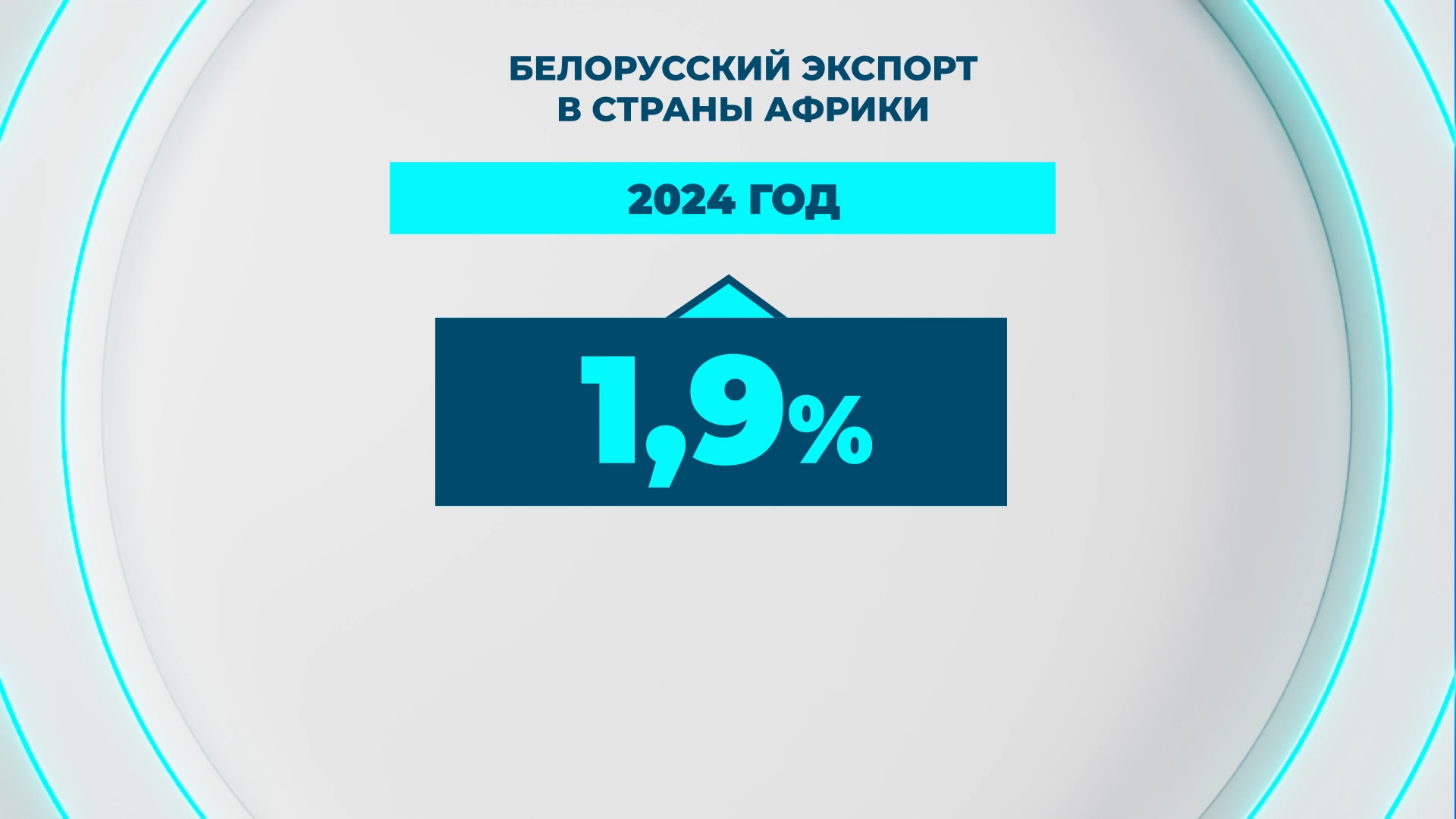
Minsk and Harare signed a roadmap for strategic cooperation and partnership until 2030, which is expected to further accelerate this process and increase trade turnover to over $100 million.
Furthermore, a trilateral project involving Belarus, Zimbabwe, and Mozambique is currently under discussion to create a hub in the south and build a trilateral port for goods not only from Belarus but also from other countries.
Returning to Africa's potential today, we mustn't forget about raw materials. It holds a third of the world's mineral reserves, including 8% of all natural gas, 12% of oil, 40% of gold, and up to 90% of chromium and platinum. This undoubtedly not only adds to its appeal but also becomes a significant pillar on the continent's path to economic independence.